Leg pain causes range from simple muscle strain to serious conditions like blood clots — and it is one of the most common complaints Canadians bring to their family doctor or walk-in clinic. Whether you feel a dull ache in your thigh, a sharp pain in your calf, or discomfort from your hip to your heel, understanding what is behind your leg pain is the first step to getting relief.
Common Leg Pain Causes Every Canadian Should Know
Many Canadians also experience leg pain at night, which can disrupt sleep and signal underlying circulatory or nerve problems. In this article, we explain the most common reasons your legs may hurt, the symptoms to watch for, and exactly when you need medical help — so you can take the right action quickly.
Go to Emergency Right Away If You Have:
See Your Family Doctor or Walk-In Clinic If You Have:
What Is Leg Pain?
Common Leg Pain Causes: Types, Symptoms, and Management
| Type of Leg Pain | Key Characteristics | Severity Level | Recommended Management |
|---|---|---|---|
| Muscle Cramps | Sudden, sharp spasms usually in the calf; often occurs at night or during exercise; muscle feels tight or knotted | Mild to Moderate | Stretching, hydration, magnesium supplementation; consult a family physician if frequent |
| Deep Vein Thrombosis (DVT) | Swelling, warmth, and redness in one leg; persistent aching or throbbing; may follow prolonged sitting or long-haul flights | Severe – Medical Emergency | Seek immediate emergency care; anticoagulant therapy prescribed by physician; follow-up with vascular specialist |
| Peripheral Artery Disease (PAD) | Cramping pain in hips, thighs, or calves during walking (claudication); pain relieved by rest; common in adults over 50 | Moderate to Severe | Lifestyle changes, smoking cessation, supervised exercise program; referral to cardiologist or vascular surgeon |
| Sciatica | Radiating pain from lower back through buttock and down one leg; burning or shooting sensation; possible numbness or tingling | Mild to Severe | Physiotherapy, anti-inflammatory medications (NSAIDs), and in persistent cases, referral to a spine specialist |
| Shin Splints | Dull aching pain along the front of the lower leg; worsens with physical activity; common in runners and new exercisers | Mild to Moderate | Rest, ice therapy, gradual return to activity; assessment by a physiotherapist or sports medicine physician |
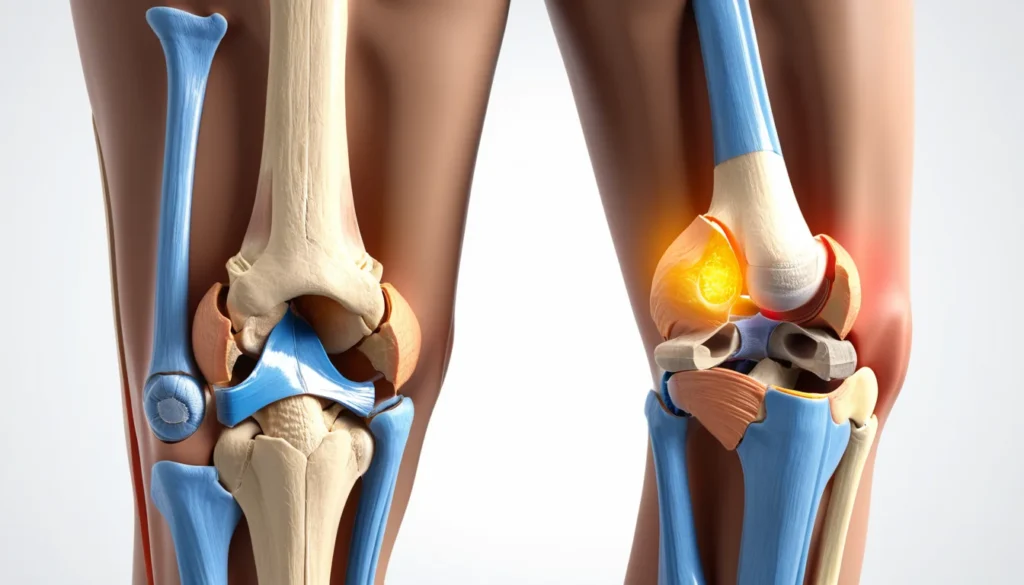
| Osteoarthritis of the Knee | Stiffness and pain around the knee joint; worsens with movement and improves with rest; more common in adults over 45 | Moderate to Severe | Weight management, physiotherapy, NSAIDs; referral to rheumatologist or orthopedic surgeon if conservative care fails |
Leg pain refers to any discomfort or pain felt anywhere along the lower limb — from the hip, thigh, and knee down through the calf to the heel and foot. The pain can be short-lived or ongoing. It can affect your whole leg or just one specific area.
People describe leg pain in many different ways. Some feel a sharp stabbing sensation. Others notice a dull ache, burning, tingling, or numbness. The medical term for tingling and numbness is paraesthesia. Leg pain can be mild and simply uncomfortable, or it can make it hard to walk or put weight on your leg.
Your legs are made up of bones, joints, muscles, tendons, ligaments, nerves, and blood vessels. Any one of these structures can become injured, infected, or affected by disease — and that can cause leg pain.
Common Causes of Leg Pain
The causes of leg pain are wide-ranging. However, most cases in otherwise healthy adults come down to overuse, injury, or the natural effects of ageing. Understanding the likely cause helps you decide what to do next.
Injuries and Overuse
Overuse is the most frequent reason for leg pain in Canada. Athletes, workers who stand all day, and even weekend exercisers can strain their muscles or tendons. Common injury-related causes include:
Stress fractures — small cracks in a bone caused by repeated impact
Muscle cramps — often triggered by dehydration or overexertion
Sprains and strains — stretched or torn ligaments and muscles
Ruptured Achilles tendon — a serious injury at the back of the ankle
Torn meniscus — damage to the cartilage inside the knee
In most cases, rest, ice, and over-the-counter pain relievers help with recovery. However, more serious injuries need professional assessment.
Degenerative and Inflammatory Conditions
Some causes of leg pain develop slowly over time. These are linked to joint and tissue breakdown, inflammation, or immune system problems. They include:
Osteoarthritis — wear and tear of joint cartilage, very common in older Canadians
Rheumatoid arthritis — an autoimmune condition causing joint inflammation
Gout — a form of arthritis caused by uric acid crystals in the joints
Tendinitis — inflammation of a tendon, often from repetitive movement
Bursitis — inflammation of the small fluid-filled sacs that cushion joints
Fibromyalgia — widespread muscle pain and tenderness
Baker’s cyst — a fluid-filled swelling behind the knee
Varicose veins — enlarged, twisted veins that can cause aching and heaviness
Nerve and Spine-Related Causes
Leg pain does not always start in the leg itself. Sometimes, the problem begins in your lower back or spine. For example, a herniated disc or spinal stenosis (narrowing of the spinal canal) can press on nerves and send pain shooting down your leg. This is called sciatica.
Sciatica typically causes pain that travels from the lower back through the buttock and down one leg. It may also cause numbness or weakness. If leg pain comes with loss of bladder or bowel control, this is a medical emergency — seek care immediately.
Circulatory and Vascular Causes
Your circulation plays a big role in leg health. Poor blood flow can cause significant leg pain. Two important vascular causes are:
Deep vein thrombosis (DVT) — a blood clot that forms in a deep vein, usually in the calf. DVT is dangerous because the clot can break off and travel to the lungs, heart, or brain.
Peripheral artery disease (PAD) — narrowing of the arteries that reduces blood flow to the legs. It causes cramping pain during walking, known as intermittent claudication.
Both DVT and PAD require prompt medical attention. If you suspect either condition, do not wait — contact your family doctor or go to a walk-in clinic or emergency room right away.
For more information on blood clots and circulation, visit Health Canada’s official health resources.
Less Common Causes
In some cases, leg pain points to less obvious conditions. These are less common but worth knowing about. They include:
Bone tumours — benign or malignant growths in the bone
Osteomyelitis — a bone infection
Cellulitis — a bacterial skin and soft tissue infection
Legg-Calvé-Perthes disease — a childhood hip condition affecting blood supply to the femoral head
Long-term corticosteroid use — some medications can weaken bones and joints over time
Growing pains — common in children and teenagers
Symptoms That Come With Leg Pain
Leg pain rarely travels alone. The symptoms that accompany it can give important clues about what is causing the problem. Therefore, it is helpful to pay close attention to everything you are feeling — not just the pain itself.
Common symptoms that may appear alongside leg pain include:
Swelling in the leg, ankle, or foot
Redness or warmth over the skin
Stiffness and reduced range of movement
Fatigue or general tiredness
Joint pain or tenderness
Varicose veins visible under the skin
Fever, which may suggest infection or inflammation
If your leg pain comes with fever, the cause may be an infection. If it comes with stiffness that limits your movement, arthritis may be the reason. In addition, pain that starts in the lower back and moves down into the buttock and leg is a classic sign of a nerve problem.
When to See a Doctor for Leg Pain
Not all leg pain needs urgent care. However, some symptoms are red flags that require you to act quickly. In Canada, you have several options — your family doctor, a walk-in clinic, or the emergency department for serious situations.
Go to Emergency Right Away If You Have:
A cold, pale, or blue-tinged leg — this can mean a blocked artery
Difficulty breathing along with leg pain — a possible sign of a pulmonary embolism (blood clot in the lungs)
A high fever above 39°C with leg pain
Sudden inability to walk or bear weight on your leg
A popping sound at the moment of injury
Progressive leg weakness and numbness with loss of bladder or bowel control
Red streaks spreading from a wound on the leg
See Your Family Doctor or Walk-In Clinic If You Have:
Leg pain that does not improve after a few days of rest and home care
Swelling, redness, and warmth in your calf — possible signs of DVT
Pain during or after light exercise or walking
Slow-healing wounds or sores on your legs or feet
Leg pain that is affecting your sleep or daily activities
Any leg pain that worries you
Most provincial health plans in Canada cover visits to your family doctor for leg pain assessment. If you do not have a family doctor, a walk-in clinic is a great first step. Learn more about leg pain symptoms and causes at Mayo Clinic.
Managing and Preventing Leg Pain at Home
Many causes of leg pain respond well to simple home care. Furthermore, making a few lifestyle changes can help prevent leg pain from coming back.
Home Care Tips
Rest your leg and avoid activities that make the pain worse
Ice the area for 15–20 minutes several times a day to reduce swelling
Elevate your leg above heart level when resting to reduce swelling
Over-the-counter pain relievers such as ibuprofen or acetaminophen can help with mild pain and inflammation — always follow the label instructions
Stay hydrated — dehydration is a common trigger for muscle cramps
Gentle stretching can help with cramps and stiffness
Lifestyle Changes for Prevention
Take regular breaks if your job involves long periods of standing or sitting
Warm up properly before exercise and cool down afterwards
Wear proper footwear and protective gear for sports activities
Maintain a healthy weight to reduce stress on your joints and lower limbs
Stay physically active — regular, moderate exercise strengthens muscles and supports healthy circulation
Avoid extreme sports without appropriate protective equipment
As a result of these simple habits, many Canadians are able to reduce their risk of recurring leg pain significantly. For additional guidance on healthy movement and injury prevention, Healthline’s guide to leg pain is a helpful resource.
Frequently Asked Questions About Leg Pain
What are the most common causes of leg pain?
The most common causes of leg pain include muscle cramps, overuse injuries, sprains, and conditions like osteoarthritis or varicose veins. In some cases, leg pain can be caused by poor circulation or nerve problems originating in the spine. Most everyday leg pain improves with rest, hydration, and simple home care.
When should I be worried about leg pain?
You should seek urgent care if your leg pain comes with swelling, redness, and warmth in the calf, as these can be signs of a dangerous blood clot (DVT). Leg pain combined with difficulty breathing, a cold or blue-coloured leg, or loss of bladder control also requires immediate emergency attention. When in doubt, visit your family doctor or a walk-in clinic.
Can leg pain be a sign of a heart problem or blood clot?
Yes — leg pain can be a warning sign of deep vein thrombosis (DVT), a blood clot that forms in a deep vein. If that clot travels to the lungs, it can cause a life-threatening pulmonary embolism. Leg pain from peripheral artery disease (PAD) is also linked to an increased risk of heart attack and stroke, so early diagnosis is important.
Why do I get leg pain at night?
Nighttime leg pain is often caused by muscle cramps, which can result from dehydration, prolonged sitting, or mineral imbalances. Conditions like restless leg syndrome or poor circulation can also cause discomfort that is worse at night. If nighttime leg pain is frequent or severe, speak with your family doctor to rule out an underlying condition.
How is leg pain diagnosed in Canada?
Your family doctor will begin by reviewing your symptoms and medical history, then perform a physical examination. Depending on the suspected cause, they may order blood tests, an ultrasound, X-rays, or an MRI. These services are generally covered under provincial health plans across Canada, though wait times can vary by province.
Can I treat leg pain at home, or do I always need a doctor?
According to Mayo Clinic’s overview of leg pain causes, this information is supported by current medical research.
For more information, read our guide on anemia symptoms that can contribute to leg pain.
Mild leg pain from overuse or muscle cramps can often be managed at home with rest, ice, elevation, and over-the-counter pain relievers. However, leg pain that is severe, persistent, or accompanied by swelling, fever, or other concerning symptoms should always be assessed by a healthcare professional. It is always better to check with your doctor if you are unsure.
Key Takeaways
Leg pain can affect any part of the lower limb and has many possible causes — from simple muscle cramps to serious circulatory conditions. Most everyday leg pain is caused by overuse, injury, or ageing and responds well to rest and home care. Serious causes — including deep vein thrombosis, peripheral artery disease, and spinal nerve compression — require prompt medical attention. Red flag symptoms such as a cold or blue leg, difficulty breathing, high fever, or loss of bladder control need emergency care right away. For non-emergency leg pain that does not improve, your family doctor or a local walk-in clinic is your best first stop. Simple lifestyle habits — staying hydrated, warming up before exercise, and taking regular breaks from sitting or standing — can
Frequently Asked Questions
What are the most common leg pain causes?
The most common leg pain causes include muscle cramps, sciatica, peripheral artery disease, deep vein thrombosis (DVT), varicose veins, and nerve damage. Injuries like sprains or stress fractures are also frequent culprits. In Canada, sedentary lifestyles and cold weather can worsen circulation-related conditions, increasing leg pain risk.
What are the symptoms of serious leg pain?
Serious leg pain symptoms include sudden severe swelling, redness, warmth, or skin discolouration, which may indicate DVT. Numbness, tingling, weakness, or pain that worsens at rest are also warning signs. Leg pain accompanied by chest pain or shortness of breath requires immediate emergency care.
How can I treat leg pain at home?
Mild leg pain can be treated at home with rest, ice, compression, and elevation (RICE method). Over-the-counter pain relievers like ibuprofen or acetaminophen help reduce inflammation. Gentle stretching, staying hydrated, and wearing supportive footwear also relieve discomfort. Persistent pain lasting more than a few days warrants medical attention.
How can I prevent leg pain causes from recurring?
Preventing recurring leg pain causes involves regular low-impact exercise, maintaining a healthy weight, and staying hydrated. Stretching before physical activity, wearing proper footwear, and avoiding prolonged sitting or standing help significantly. Managing conditions like diabetes or high blood pressure also reduces nerve and vascular damage that leads to chronic leg pain.
When should I see a doctor for leg pain in Canada?
See a doctor if leg pain is severe, persistent beyond a week, or accompanied by swelling, redness, or warmth. Seek emergency care for sudden numbness, coldness, or pale skin, as these suggest arterial blockage. Canadians experiencing leg pain after long travel should be assessed immediately for potential deep vein thrombosis.