Learning disabilities in children are more common than many parents realize. About 15% of school-age children have some form of learning disability. These conditions affect how a child’s brain processes, remembers, and uses information — but they have nothing to do with how smart a child is. With early support and the right strategies, children with learning disabilities can thrive both in school and in life.
What Are Learning Disabilities in Children?
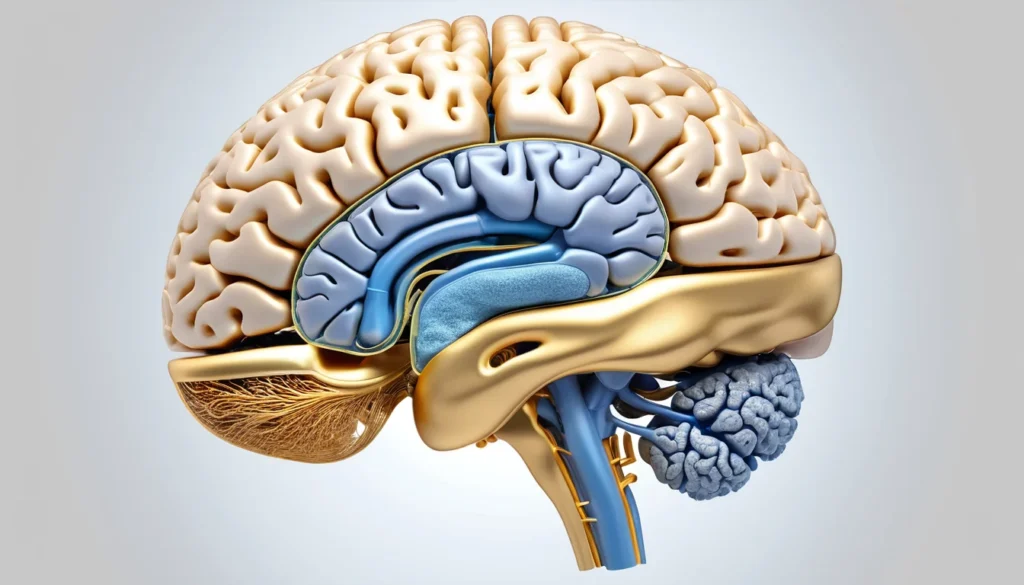
A learning disability is a neurological condition. It changes the way the brain receives and processes information. This can affect a child’s ability to read, write, speak, listen, or do math.
Importantly, children with learning disabilities usually have average to above-average intelligence. They are not “slow” learners. However, they often fall behind in school because their brain processes things differently than other children.
Learning disabilities are not caused by poor parenting, lack of effort, or low motivation. They are not the same as intellectual disabilities, autism spectrum disorder, or vision and hearing problems — although some children may have more than one of these conditions at the same time.
For more background, Health Canada recognizes learning disabilities as a significant area of child health and development.
Common Types of Learning Disabilities
There are several well-known types of learning disabilities in children. Each one affects a different area of learning.
Dyslexia
Dyslexia is the most common learning disability. It affects reading, writing, spelling, and sometimes spoken language. A child with dyslexia may struggle to recognize letters, sound out words, or read at the expected pace for their age.
Dysgraphia
Dysgraphia affects a child’s ability to write. Their handwriting may be very difficult to read. They may also struggle to organize their thoughts on paper, even if they can explain the same ideas clearly by speaking.
Dyscalculia
Dyscalculia affects a child’s understanding of numbers and math. A child with dyscalculia may have trouble counting, remembering math facts, or understanding concepts like more and less.
Apraxia of Speech
Apraxia of speech makes it hard for a child to plan and coordinate the movements needed to speak clearly. The child knows what they want to say, but their mouth has difficulty following through.
Auditory Processing Disorder
This condition affects how the brain interprets sounds. A child with auditory processing disorder may hear perfectly well, but still struggle to follow spoken instructions or understand speech in noisy environments like a classroom.
Non-Verbal Learning Disabilities
This type affects a child’s ability to understand visual and spatial information. It can make tasks like reading a map, understanding facial expressions, or following multi-step instructions very challenging.
Risk Factors and Causes
The most common risk factor for a learning disability is family history. If a parent or sibling has a learning disability, the child is more likely to have one too.
Other risk factors include:
Poor nutrition during early childhood or pregnancy
Serious head injuries
Exposure to toxins such as lead
Infections of the central nervous system
Treatment for childhood cancers such as leukemia
Complications during pregnancy or birth
However, in many cases, a learning disability has no clear cause. It results from natural differences in how the brain develops. Economic disadvantage, cultural background, or a difficult home environment do not cause learning disabilities. However, these factors can sometimes make learning challenges harder to manage.
Signs and Symptoms to Watch For
Parents are often the first to notice that something may be different. The more time you spend with your child, the better your chances of spotting early warning signs of learning disabilities in children.
According to the Mayo Clinic, early identification is one of the most important steps toward getting a child the right support.
Common signs of a learning disability include:
Difficulty reading or a strong dislike of reading
Very messy or difficult-to-read handwriting
Trouble understanding or doing math
Difficulty organizing thoughts and expressing ideas
Poor short-term memory
Trouble with coordination or motor tasks
Difficulty remembering words, following directions, or rhyming
Delayed speech development
Mixing up words or struggling with pronunciation
Children with dyslexia specifically may show signs like trouble finding the right words, an inability to rhyme, frequent mispronunciations, and a poor short-term memory for spoken information.
Keep in mind that all children develop at different rates. One or two of these signs alone may not indicate a learning disability. However, if several signs appear together and persist over time, it is worth speaking to a professional.
Associated Conditions
Learning disabilities do not always appear on their own. About 20% of children with a learning disability also have ADHD (attention deficit hyperactivity disorder). This combination can make school especially challenging.
Children who struggle in school without understanding why often experience emotional difficulties as well. These can include:
Low self-esteem and loss of confidence
Anxiety or depression
Frustration and irritability
Social difficulties and withdrawal
Avoidance of academic challenges
Children who are not diagnosed early often grow up feeling frustrated and inadequate. This is why early identification and emotional support are just as important as academic support.
When to See a Doctor
If you notice ongoing signs of a learning disability, do not wait. Start by speaking with your family doctor. If you do not have a family doctor, a walk-in clinic can be a good first step. Your doctor can refer your child to a specialist such as a pediatric neurologist, psychologist, or educational consultant.
In Canada, children can also be assessed through their school board. Most provincial school systems offer psychoeducational assessments at no cost to families. Talk to your child’s teacher or principal to begin that process. Provincial health plans may also cover some assessment and treatment services — check with your local health authority for details.
Early diagnosis leads to better outcomes. The sooner a child gets the right support, the more confident and capable they will become.
Treatment and Support Options
There is no medication that treats a learning disability directly. However, the right educational support can make an enormous difference in a child’s life.
Specialized Education
A trained educational specialist can teach children strategies tailored to the way their brain works. Special education programmes are available through most Canadian school boards. These programmes help children learn in ways that suit their individual needs.
Repeating a school year is generally not recommended. Research shows it tends to worsen long-term outcomes rather than help.
Home Support
In addition to in-school programmes, families in Canada have the right to request home-based support services. Private tutoring can also be very effective when combined with school-based support.
Counselling and Emotional Support
Both the child and the family can benefit from psychological counselling. Understanding the condition helps remove shame and frustration. Counselling also builds social skills and emotional resilience.
It is essential to help your child find areas where they can succeed and shine. Every child has strengths, and nurturing those strengths builds confidence.
Treating Associated Conditions
If your child also has ADHD, anxiety, or depression, a paediatrician or child psychiatrist may recommend medication or therapy for those conditions specifically. A doctor should monitor your child’s overall development as part of a long-term care plan.
The Healthline guide on learning disabilities offers additional information on evidence-based strategies for supporting children at home and in school.
What to Expect: Outlook for Children With Learning Disabilities
A learning disability does not go away. However, children are remarkably adaptable. With the right support from an early age, many children learn to manage their challenges very effectively.
Children who are diagnosed early and receive appropriate support often go on to excel in areas that play to their strengths. They learn through personalized strategies that work with their brain, not against it. Many adults with learning disabilities lead highly successful lives.
The goal is not to “fix” the child. The goal is to give them the tools, confidence, and support to reach their full potential.
What are the most common signs of learning disabilities in children?
Common signs include difficulty reading, very messy handwriting, trouble with math, poor memory, and delayed speech. Children with learning disabilities may also struggle to follow instructions or organize their thoughts. If these signs persist over time, speak with your family doctor or your child’s school.
Are learning disabilities the same as intellectual disabilities?
No, they are not the same. Children with learning disabilities in children typically have average or above-average intelligence. An intellectual disability involves a broader limitation in cognitive functioning and adaptive behaviour. A learning disability affects specific areas like reading or math, not overall intelligence.
How are learning disabilities diagnosed in Canada?
In Canada, learning disabilities are usually identified through psychoeducational assessments carried out by a psychologist or school board specialist. Your family doctor or walk-in clinic can provide a referral to a specialist. Many provincial school boards offer assessments free of charge.
Can a child with a learning disability succeed in school?
Yes, absolutely. Many children with learning disabilities go on to do very well in school and in their careers with the right support. Early diagnosis, specialized teaching strategies, and strong emotional support make a significant difference. Finding activities where the child excels also helps build confidence and motivation.
Is ADHD a learning disability?
ADHD (attention deficit hyperactivity disorder) is not classified as a learning disability, but the two conditions often occur together. About 20% of children with learning disabilities in children also have ADHD. Both conditions can affect school performance and may benefit from different types of support and treatment.
What is the difference between dyslexia and other learning disabilities?
Dyslexia is the most common type of learning disability and specifically affects reading, spelling, and language processing. Other learning disabilities such as dyscalculia affect math, while dysgraphia affects writing. A child can have more than one type of learning disability at the same time.
Key Takeaways
Learning disabilities in children affect about 15% of school-age kids in Canada.
They are neurological in nature and are not related to intelligence, effort, or parenting.
Common types include dyslexia, dysgraphia, dyscalculia, and apraxia of speech.
Early signs include reading difficulties, poor handwriting, trouble with math, and delayed speech.
About 20% of affected children also have ADHD.
There is no medication for learning disabilities, but specialized education and counselling are very effective.
In Canada, speak to your family doctor, a walk-in clinic, or your child’s school board to start the assessment process.
With early diagnosis and consistent support, children with learning disabilities can lead confident, successful lives.
Always speak with a qualified healthcare provider — such as your family doctor or a paediatrician — before drawing conclusions about your child’s development. This article is for informational purposes only and does not replace professional medical advice.