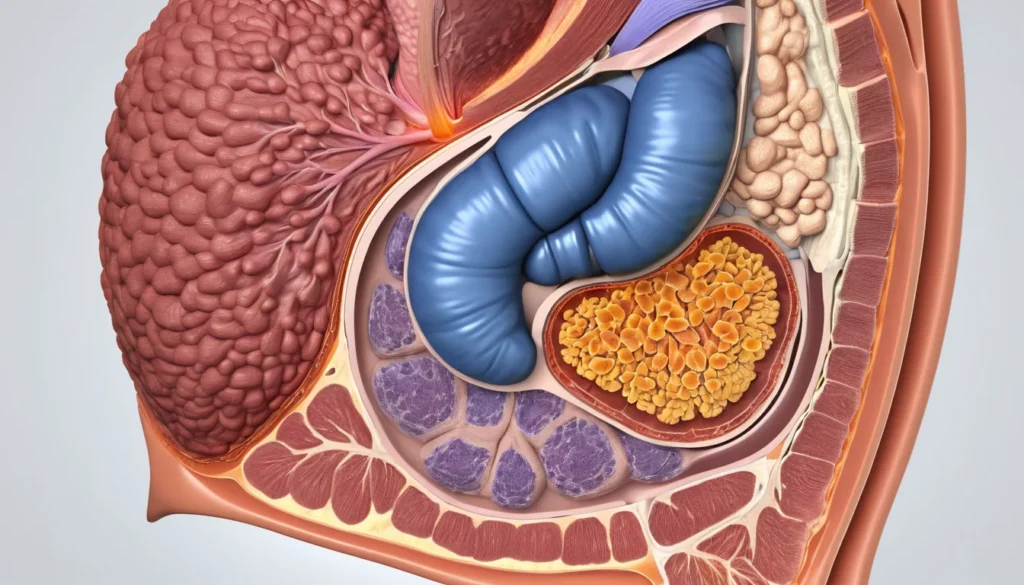
Leaky gut syndrome is a digestive condition that affects more and more Canadians every year — and many people don’t even know they have it. It happens when the lining of your small intestine becomes damaged, allowing harmful bacteria, toxins, and undigested food particles to pass into your bloodstream. This can trigger a wide range of symptoms throughout your entire body. In this article, we explain what leaky gut syndrome is, what causes it, how to recognize it, and what steps you can take to feel better.
What Is Leaky Gut Syndrome?
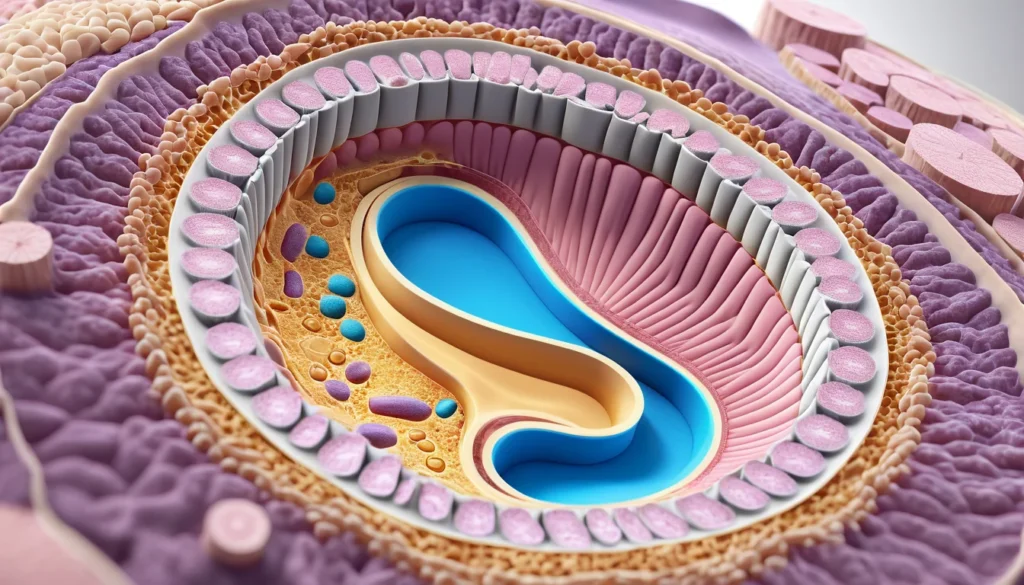
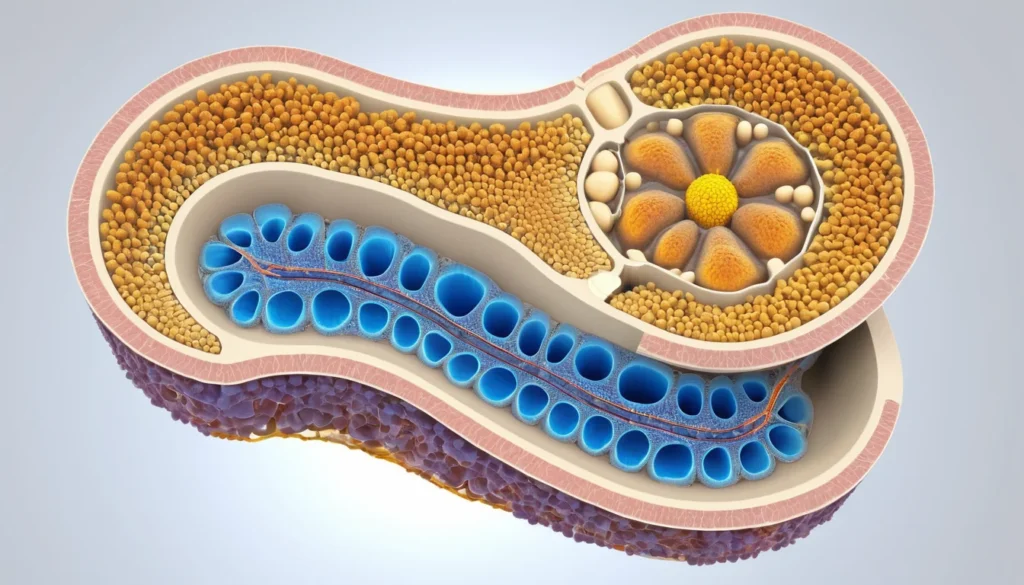
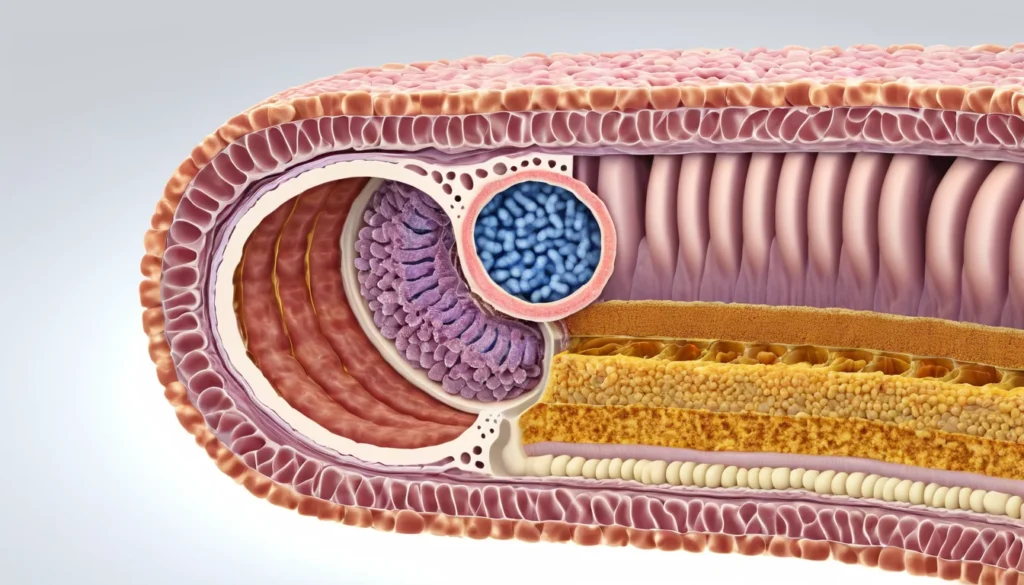
Your intestinal lining works like a fine mesh screen. It allows nutrients to pass into your bloodstream while blocking harmful substances from getting through. When this lining is healthy, it does a remarkable job of protecting you.
With leaky gut syndrome, that protective barrier breaks down. Gaps form between the cells of the intestinal wall. As a result, bacteria, toxins, and partially digested food particles can “leak” through into the bloodstream.
Once these substances enter the blood, your immune system reacts. It treats them as foreign invaders. This triggers inflammation that can affect not just your gut, but your whole body. According to Healthline’s overview of intestinal permeability, researchers are actively studying the role this condition plays in many chronic health problems.
What Causes Leaky Gut Syndrome?
Modern lifestyles play a big role in the rise of leaky gut syndrome. Several factors can damage the intestinal lining over time. Understanding these causes is the first step toward healing.
Diet and Processed Foods
A diet high in ultra-processed foods and fast food is one of the leading causes. These foods are low in nutrients and often contain artificial additives and preservatives. These substances can directly irritate and inflame the gut lining.
Gluten sensitivity can also contribute to increased intestinal permeability in some people. Food allergies and intolerances put extra stress on your digestive system every time you eat a triggering food.
Medications
Certain common medications are known to irritate the gut lining. These include non-steroidal anti-inflammatory drugs (NSAIDs) like ibuprofen, antacids, and antibiotics. While these medications are sometimes necessary, long-term or frequent use may damage the delicate balance of your gut.
Antibiotics, in particular, can disrupt the healthy bacteria in your gut. This imbalance, known as dysbiosis, makes it harder for the intestinal lining to repair itself.
Chronic Stress
Stress does far more than affect your mood. Chronic stress weakens your immune system and reduces blood flow to the digestive tract. Over time, this can make your gut lining more vulnerable to damage. Many Canadians dealing with work pressure, financial stress, or family challenges may not realize their stress is harming their gut health.
Environmental Toxins
Exposure to heavy metals, pesticides, and petrochemicals in our environment can affect digestive function directly. While we can’t always avoid environmental pollution, we can take steps to reduce our exposure where possible.
How Leaky Gut Syndrome Is Linked to Other Health Problems
Leaky gut syndrome doesn’t just cause digestive discomfort. Research suggests it may be connected to a surprisingly wide range of health conditions. This is because inflammation triggered in the gut can spread throughout the body.
Studies have found links between increased intestinal permeability and seasonal allergies. When the gut barrier is compromised, the immune system becomes overactive. This hyperactive immune response can make you more sensitive to common allergens like pollen, dust, and pet dander.
Furthermore, leaky gut syndrome has been associated with autoimmune conditions, where the body mistakenly attacks its own tissues. Researchers are also exploring its connection to chronic fatigue syndrome, skin conditions like eczema, and mental health challenges. The Mayo Clinic notes that gut inflammation plays a central role in many chronic diseases.
Recognizing the Symptoms of Leaky Gut Syndrome
One reason leaky gut syndrome often goes undetected is that its symptoms can seem unrelated to digestion. People may visit several different specialists before understanding the root cause.
Common symptoms of leaky gut syndrome include:
Bloating and gas
Diarrhoea or irregular bowel movements
Fatigue and low energy
Brain fog, difficulty concentrating, or irritability
Anxiety and depression
Skin problems such as eczema or rashes
Joint pain
Frequent headaches or migraines
Sinus congestion or sinusitis
Seasonal allergies that seem to be getting worse
Unexplained weight gain
If you recognize several of these symptoms in yourself, it may be worth discussing leaky gut syndrome with your family doctor or a registered dietitian.
Steps to Help Heal a Leaky Gut
The good news is that your gut lining has a remarkable ability to repair itself — with the right support. Healing leaky gut syndrome generally involves a combination of dietary changes, lifestyle adjustments, and targeted nutritional support.
Step 1: Adopt a Gut-Friendly Diet
What you eat every day is the foundation of gut health. Focus on whole, unprocessed foods that are rich in fibre, antioxidants, and healthy fats. Reducing or eliminating processed foods, refined sugars, and artificial additives gives your gut lining a chance to recover.
Some foods are particularly helpful for gut healing. Bone broth is rich in collagen and amino acids that support the intestinal lining. Fermented foods like sauerkraut, kimchi, kefir, and yoghurt provide beneficial bacteria that help restore a healthy gut environment. Healthy fats from sources like olive oil, avocado, and wild-caught fish also support repair.
Step 2: Identify and Remove Triggers
An elimination diet can help you identify foods that are triggering inflammation in your gut. Common culprits include gluten, dairy, corn, soy, and eggs. Working with a registered dietitian makes this process safer and more effective.
In addition to food triggers, try to reduce your exposure to unnecessary medications, especially NSAIDs and antacids, where medically appropriate. Always speak with your doctor before changing any medication routine.
Step 3: Manage Stress
Reducing chronic stress is a critical but often overlooked part of gut healing. Regular physical activity, adequate sleep, mindfulness practices, and spending time in nature can all lower stress hormones. Even small daily habits make a meaningful difference over time.
Step 4: Support Your Gut with Key Nutrients
Certain nutrients play a direct role in maintaining and repairing the intestinal lining. These include:
Probiotics: Beneficial bacteria that help restore a healthy gut microbiome. Found in fermented foods and supplements.
L-Glutamine: An amino acid that serves as fuel for intestinal cells and supports lining repair.
Zinc: A mineral that plays a key role in maintaining the integrity of the gut barrier.
Digestive enzymes: Help break down food more completely, reducing the burden on your gut lining.
Aloe vera: Known for its soothing and anti-inflammatory properties in the digestive tract.
Slippery elm and marshmallow root: Traditional herbal remedies that coat and soothe the gut lining.
Always choose supplements from reputable Canadian health retailers, and look for products that have been third-party tested for quality and purity. Health Canada regulates natural health products sold in Canada, so look for a Natural Product Number (NPN) on the label to confirm safety and quality.
Step 5: Restore Digestive Balance
Healing your gut also means restoring proper levels of stomach acid and supporting healthy liver and gallbladder function. These organs work together to break down food efficiently. When they function well, your gut is far less likely to become inflamed or permeable.
When to See a Doctor
If you have been experiencing several of the symptoms listed above for more than a few weeks, it is important to speak with a healthcare provider. Start by visiting your family doctor or a walk-in clinic. They can order tests to rule out other conditions and refer you to a gastroenterologist or registered dietitian if needed.
In Canada, most provincial health plans cover visits to your family doctor and specialist referrals. Your doctor can help you create a personalized plan to address gut health issues safely and effectively. Do not attempt to self-diagnose or replace medical treatment with supplements alone. A qualified professional should always guide your care.
Keep in mind that leaky gut syndrome is still an evolving area of research. Some conventional medical professionals may use different terminology, such as “increased intestinal permeability.” Being open with your doctor about all your symptoms will help ensure you get the best possible care.
Frequently Asked Questions About Leaky Gut Syndrome
What is leaky gut syndrome and is it a real condition?
Leaky gut syndrome refers to increased intestinal permeability, a state where the gut lining becomes damaged and allows harmful substances to pass into the bloodstream. While mainstream medicine often uses the term “increased intestinal permeability,” research increasingly supports its role in chronic inflammation and disease. It is a real and measurable physiological process being actively studied by researchers worldwide.
What are the most common signs of leaky gut syndrome?
Common signs of leaky gut syndrome include bloating, gas, diarrhoea, chronic fatigue, brain fog, skin rashes, joint pain, and worsening food sensitivities or seasonal allergies. Because these symptoms overlap with many other conditions, it is best to consult your family doctor for a proper assessment. Keeping a symptom diary can help your doctor identify patterns.
Can leaky gut syndrome cause anxiety and depression?
Yes, there is a strong connection between gut health and mental health, often called the gut-brain axis. When leaky gut syndrome triggers systemic inflammation, it can affect brain chemistry and contribute to mood disorders like anxiety and depression. Improving gut health through diet, stress management, and probiotics may positively impact mental well-being.
How long does it take to heal leaky gut syndrome?
The time it takes to heal leaky gut syndrome varies from person to person, depending on the severity of damage and how consistently you follow a gut-healing plan. Some people notice improvements within a few weeks, while others may need several months of dedicated dietary and lifestyle changes. Working with a registered dietitian can help speed up and personalize your recovery.
Are probiotics helpful for leaky gut syndrome?
Probiotics can be an important part of healing leaky gut syndrome because they help restore the healthy bacterial balance in your gut microbiome. A healthy microbiome supports the integrity of the intestinal lining and reduces inflammation. Look for probiotic supplements with a Canadian Natural Product Number (NPN) or incorporate probiotic-rich fermented foods like yoghurt, kefir, and sauerkraut into your daily diet.
Is leaky gut syndrome covered by provincial health plans in Canada?
Visits to your family doctor or a specialist related to digestive health are generally covered by provincial health plans across Canada. However, some integrative or naturopathic treatments for leaky gut syndrome may not be covered, depending on your province and extended health benefits. Always check with your provincial health authority or benefits provider to understand what is covered in your specific situation.
Key Takeaways
Leaky gut syndrome occurs when the intestinal lining becomes damaged, allowing toxins and bacteria to enter the bloodstream.
Common causes include a poor diet, chronic stress, overuse of certain medications, and environmental toxins.
Symptoms can affect the whole body, including digestion, skin, joints, energy levels, and even mental health.
Healing involves a gut-friendly diet, identifying food triggers, managing stress, and supporting the gut with key nutrients like probiotics and L-glutamine.
Look for natural health supplements with a Health Canada NPN to ensure safety and quality.
Always speak with your family doctor, a walk-in clinic professional, or a registered dietitian before starting any new health programme.
Most visits to a family doctor and specialist referrals are covered under provincial health plans across Canada.