Labial hypertrophy is the medical term for when one or both pairs of the labia — the folds of skin around the vaginal opening — are larger than average. It is a very common variation in female anatomy, and for most people, it causes no health problems at all. However, some women do experience discomfort or self-consciousness. This article explains what labial hypertrophy is, what causes it, and when treatment or surgery might be worth discussing with your family doctor.
What Is Labial Hypertrophy?
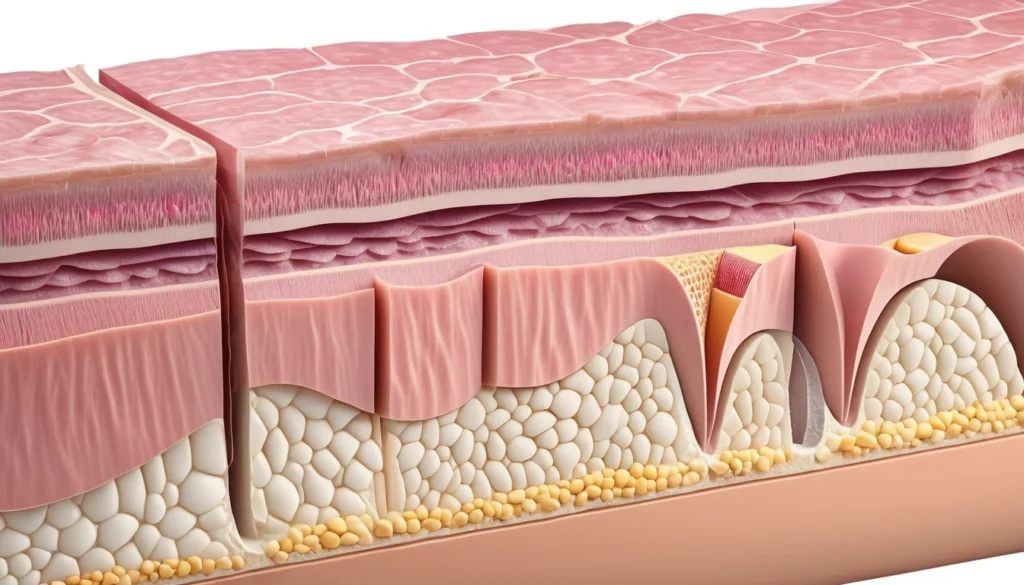
The female genitalia include two sets of labia. The labia majora are the outer folds. They contain fatty tissue and are covered in skin with hair follicles and sweat glands. The labia minora are the inner folds. They are thinner, have no fatty tissue, and sit just inside the labia majora.
Labial hypertrophy can affect either set of labia, or both. It is more common in the labia minora. When the labia minora are enlarged, they may extend beyond the outer labia. This is normal, and it does not mean anything is medically wrong.
Genitalia vary enormously from person to person. Asymmetry — where one side is larger or a different shape than the other — is also completely normal. Healthline explains that there is no single “normal” size or shape for the labia, and most variation is simply part of natural human diversity.
Is Labial Hypertrophy a Normal Condition?
Yes — in the vast majority of cases, labial hypertrophy is a completely normal variation of the human body. Many women are born with enlarged or asymmetrical labia and never experience any negative effects. It does not affect your sexual health. It also does not signal any underlying medical condition.
The labia serve an important protective purpose. They cushion and shield the vagina and clitoris from friction, pressure, and irritation. In this sense, larger labia are simply doing the same job in a slightly different form.
Many women have labial hypertrophy without ever knowing it, because they have no symptoms at all. Furthermore, there is no medical standard that defines exactly how large is “too large.” Each person’s body is unique.
Common Symptoms and Side Effects
Most people with labial hypertrophy have no symptoms. However, for some women, enlarged labia can cause physical discomfort or hygiene challenges. These issues are manageable in most cases.
Physical Discomfort and Irritation
The labia are a sensitive area of the body. Larger labia can sometimes rub against underwear or tight clothing, causing ongoing irritation. Some women notice discomfort during physical activities like cycling, horseback riding, or swimming.
During sexual activity, friction may also cause some pain or soreness. However, this is not always the case, and many women with enlarged labia have no discomfort during sex whatsoever. Wearing looser, softer fabrics can often reduce this kind of irritation significantly.
Hygiene Considerations
Enlarged labia may create additional folds of skin around the vulva. This means there are more surfaces where moisture and bacteria can collect. As a result, good hygiene in this area becomes especially important.
Washing the area gently with a mild, fragrance-free soap — such as a hypoallergenic or baby soap — is recommended. You should also always wash your hands before touching the area. Improper hygiene can increase the risk of bacterial infections over time.
Emotional and Psychological Effects
Some women feel self-conscious about the appearance of their labia. This can affect confidence, intimacy, or how comfortable they feel in certain clothing. These feelings are valid and worth discussing with a healthcare provider.
If emotional distress related to labial hypertrophy is affecting your daily life or mental health, a family doctor or mental health professional can help you explore your options. You do not need to manage these feelings alone.
What Causes Labial Hypertrophy?
There is no single known cause of labial hypertrophy. Doctors generally consider it a natural variation in body shape and size. Several factors may play a role, however.
Genetics: Some women are simply born with larger labia. This is often a family trait.
Hormonal changes: Puberty can trigger enlargement as oestrogen levels rise. The labia may change noticeably during the teenage years.
Pregnancy: Increased blood flow to the pelvic area during pregnancy can cause swelling and a feeling of heaviness in the labia. Some changes may remain after childbirth.
Ageing: The labia can change in size and shape over time, just like other parts of the body.
Infection or trauma: In some cases, swelling from a past infection or injury in the vaginal area may contribute to enlargement.
In most cases, there is no specific trigger at all. The body simply develops in its own way, and this is nothing to be concerned about.
How Is Labial Hypertrophy Diagnosed?
There are no special tests or scans needed to diagnose labial hypertrophy. There is also no official measurement standard for how large the labia should or should not be. Diagnosis is straightforward and is usually made during a routine physical examination.
A doctor — typically a gynaecologist or your family doctor — will assess the area visually and ask about any symptoms you are experiencing. A thorough conversation about your medical history and symptoms is usually enough to confirm the diagnosis.
If you are concerned about any changes in your body, do not hesitate to bring it up at your next appointment. In Canada, you can speak with your family doctor, visit a walk-in clinic, or ask for a referral to a gynaecologist through your provincial health plan.
Treatment Options for Labial Hypertrophy
Most women with labial hypertrophy do not need any treatment at all. If symptoms are mild, simple lifestyle changes are often enough. In more significant cases, medical or surgical options are available.
Lifestyle Changes
Small changes in clothing and hygiene can make a meaningful difference. Consider the following:
Wear loose-fitting underwear and trousers, or opt for skirts and dresses.
Choose natural fabrics like cotton or linen to improve airflow and reduce friction.
Use fragrance-free, hypoallergenic soap for intimate hygiene.
Apply a gentle barrier cream or topical ointment if irritation is an ongoing issue — ask your pharmacist or doctor for a recommendation.
Use padded or protective shorts during cycling or other physical activities that cause friction.
These changes cost nothing and can often resolve mild discomfort quickly. Mayo Clinic’s women’s health resources offer additional guidance on managing vaginal and vulvar comfort.
Labiaplasty: Surgical Treatment
Labiaplasty is a surgical procedure that reduces or reshapes the labia. It is a safe and well-established cosmetic surgery. However, it is generally considered only when other measures have not helped, or when the physical or psychological impact is significant.
Many women choose labiaplasty for cosmetic reasons alone, and this is a personal choice. In Canada, cosmetic labiaplasty is typically not covered by provincial health plans. However, if the procedure is deemed medically necessary — for example, due to chronic pain or repeated infections — coverage may vary by province. Always check with your provincial health authority or a gynaecologist for up-to-date information.
Recovery from labiaplasty generally takes several weeks. Risks include infection, scarring, and changes in sensation. A thorough conversation with a qualified surgeon is essential before making any decision. Health Canada provides information on medical procedures and patient safety that can help you ask the right questions.
When to See a Doctor
You should speak with a healthcare provider if your labial hypertrophy is causing you ongoing physical discomfort, frequent infections, or emotional distress. You do not need to wait for symptoms to become severe before seeking help.
In Canada, your first step is usually to book an appointment with your family doctor. They can assess your symptoms, offer advice, and refer you to a gynaecologist if needed. If you do not have a family doctor, a walk-in clinic is a good alternative. Most provincial health plans cover an initial consultation for this type of concern.
As always, it is a good idea to consult a qualified medical professional before making any decisions about treatment or surgery. Only a doctor who knows your full health history can give you personalised advice.
Frequently Asked Questions About Labial Hypertrophy
Is labial hypertrophy a medical problem?
Labial hypertrophy is usually not a medical problem. It is a normal variation in body anatomy that many women have without any symptoms. However, if it causes physical discomfort or affects your quality of life, it is worth discussing with your family doctor.
Can labial hypertrophy go away on its own?
Labial hypertrophy does not typically go away without treatment, as it reflects the natural size and shape of your anatomy. However, any swelling caused by pregnancy or temporary hormonal changes may reduce over time. Lifestyle changes can help manage symptoms effectively.
Is labiaplasty covered by provincial health plans in Canada?
In most Canadian provinces, labiaplasty is not covered when performed for cosmetic reasons. If your doctor determines the procedure is medically necessary due to chronic pain or recurring infections, partial or full coverage may be available depending on your province. Check with your provincial health authority for the most current information.
What is the difference between labia majora and labia minora hypertrophy?
Labia majora hypertrophy refers to enlargement of the outer folds of skin, which contain fatty tissue. Labia minora hypertrophy affects the inner folds and is more common — in this case, the inner labia may extend beyond the outer labia. Both types of labial hypertrophy are generally harmless.
Does labial hypertrophy affect sexual health or fertility?
No — labial hypertrophy does not affect sexual health or fertility. It is a structural variation only and does not interfere with how the reproductive system functions. Some women may experience friction or discomfort during sex, but this can often be managed with lifestyle adjustments.
At what age does labial hypertrophy typically appear?
Some women are born with larger labia, while others notice changes during puberty as hormone levels rise. Labial hypertrophy can also develop or become more noticeable after pregnancy or with ageing. It can occur at any stage of life.
Key Takeaways
Labial hypertrophy is a normal variation in female anatomy. Most women who have it experience no symptoms.
The labia come in a wide range of sizes and shapes. Asymmetry is common and completely normal.
Possible side effects include friction, irritation, and hygiene challenges — but these are manageable in most cases.
Causes include genetics, hormonal changes, pregnancy, ageing, and in rare cases, infection or trauma.
No special tests are needed for diagnosis. A routine examination by your family doctor or gynaecologist is sufficient.
Treatment starts with simple lifestyle changes like looser clothing and gentle hygiene practices.
Labiaplasty is a safe surgical option for women with significant physical or psychological symptoms, but it is rarely medically necessary.
In Canada, speak to your family doctor or visit a walk-in clinic if you have concerns. Always consult a qualified healthcare provider before pursuing any treatment.