Knee arthritis is one of the most common causes of chronic joint pain in Canada, affecting hundreds of thousands of adults — particularly those over the age of 50. It develops when the protective cartilage inside the knee joint gradually breaks down, leading to pain, swelling, and stiffness that can make walking, climbing stairs, and other everyday activities increasingly difficult.
How Doctors Diagnose Knee Arthritis in Canada
Whether you are dealing with early knee arthritis symptoms or have been managing the condition for years, understanding your diagnosis is the first step toward effective relief. This comprehensive guide explains the main types of arthritis that affect the knee, their causes and risk factors, how Canadian doctors diagnose the condition, and the full range of treatment options — from lifestyle changes and physiotherapy to knee replacement surgery — available to Canadians today.
What Is Knee Arthritis?
Treatment Options for Knee Arthritis: Benefits and Considerations
| Treatment Option | Benefits | Considerations | Best Suited For |
|---|---|---|---|
| Physiotherapy & Exercise | Strengthens muscles around the knee, improves mobility, reduces pain without medication | Requires consistent commitment; results take weeks to months | Mild to moderate knee arthritis; all ages |
| NSAIDs (e.g., Ibuprofen, Naproxen) | Reduces inflammation and pain relatively quickly; available over-the-counter in Canada | Not suitable for people with kidney disease, ulcers, or heart conditions; long-term use requires monitoring | Short-term pain management in adults without contraindications |
| Corticosteroid Injections | Provides significant short-term pain relief; administered in-clinic by a physician | Effects typically last 1–3 months; repeated injections may weaken joint tissue | Moderate to severe flare-ups; patients not responding to oral medications |
| Hyaluronic Acid Injections | Lubricates the joint; may delay need for surgery in some patients | Variable effectiveness; not universally covered by provincial health plans in Canada | Mild to moderate osteoarthritis of the knee in older adults |
| Total Knee Replacement Surgery | Long-lasting relief (15–20+ years); significantly improves quality of life | Major surgery with recovery of 3–6 months; wait times can exceed 12 months in some Canadian provinces | Severe knee arthritis unresponsive to conservative treatments |
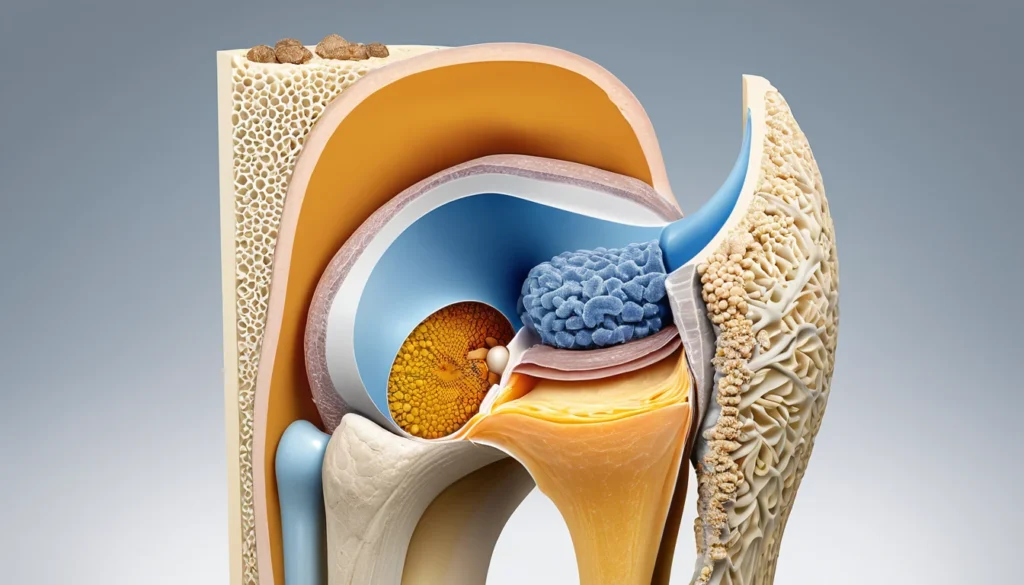
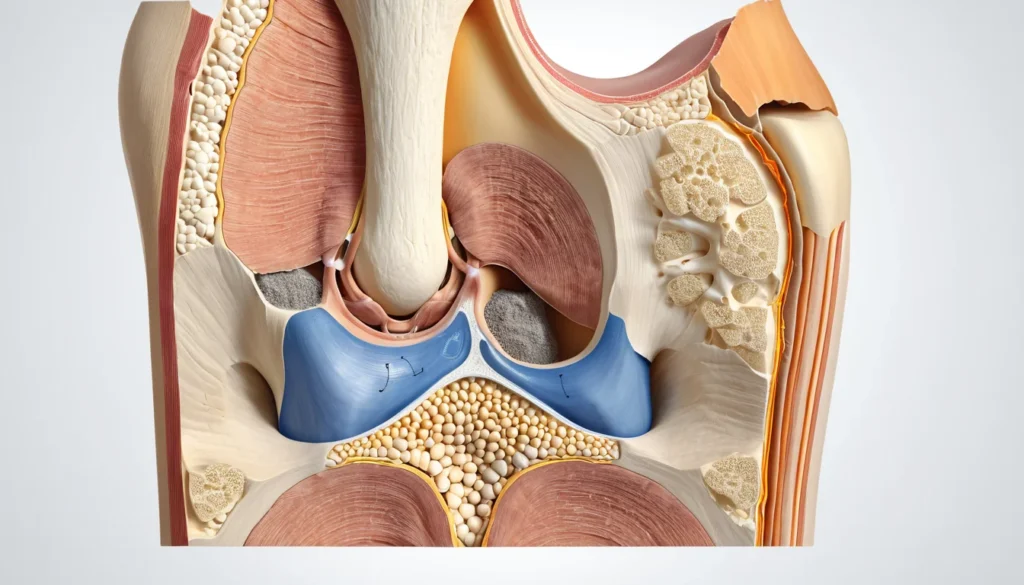
Knee arthritis is not a single disease. It is a term that covers several conditions, all of which damage the knee joint over time. The knee joint is made up of bones, cartilage, ligaments, and tendons that all work together. When arthritis strikes, it can affect all of these structures — not just the joint itself.
Cartilage is the smooth, rubbery tissue that cushions the ends of your bones. It allows your knee to bend and straighten without friction. When cartilage wears away, bones begin to rub against each other. This leads to pain, inflammation, and sometimes the growth of painful bony spurs called osteophytes.
The Three Main Types of Knee Arthritis
Understanding which type of knee arthritis you have is important. Each type has different causes and may need a different treatment approach. Your family doctor or specialist can help determine which type affects you.
Osteoarthritis is the most common form. It is a degenerative, “wear and tear” condition that usually develops in people over 50, though younger people can develop it too — especially after a knee injury. The cartilage gradually breaks down, the protective space between bones narrows, and painful bone spurs can form. Osteoarthritis tends to get worse slowly over time.
Rheumatoid arthritis is a chronic inflammatory disease. It is an autoimmune condition, meaning your immune system mistakenly attacks your own joint tissue. It often affects multiple joints throughout the body — including both knees — in a symmetrical pattern. Rheumatoid arthritis tends to appear at a younger age than osteoarthritis. It causes the synovial membrane (the lining of the knee joint) to become inflamed, leading to pain and stiffness.
Post-traumatic arthritis develops after a knee injury, such as a fracture, torn ligament, or damaged meniscus. Even if the injury was treated years ago, the resulting joint instability and additional wear can lead to arthritis later in life.
Common Causes and Risk Factors for Knee Arthritis
Several factors can increase your risk of developing knee arthritis. Knowing these risk factors can help you take steps to protect your joints before significant damage occurs.
For osteoarthritis, the main cause is excessive stress on the joint over time. This can come from repetitive movements, past injuries, joint deformities, or carrying extra body weight. Excess weight puts significant pressure on your knees with every step you take. In fact, Mayo Clinic notes that being overweight is one of the strongest risk factors for knee osteoarthritis.
A younger person who develops osteoarthritis may have had an untreated meniscus tear or a previous fracture that damaged the joint surface. Furthermore, repeated stress injuries from certain sports or occupations can accelerate cartilage breakdown at any age.
For rheumatoid arthritis, the exact cause is not fully understood. However, genetics and environmental triggers both appear to play a role. The immune system becomes overactive and attacks healthy joint tissue, causing ongoing inflammation and damage.
Post-traumatic arthritis can affect anyone who has had a significant knee injury — regardless of age or fitness level. Ligament injuries and meniscus damage are particularly common causes, as they alter the mechanics of the knee joint and lead to uneven wear.
Recognising the Symptoms of Knee Arthritis
The symptoms of knee arthritis can vary depending on the type and severity of the condition. However, there are several warning signs that are common across most types of knee arthritis.
Persistent or worsening knee pain, especially during or after activity
Swelling and warmth around the knee joint
Stiffness, particularly after rest or first thing in the morning
Reduced range of motion — difficulty fully bending or straightening the knee
A grinding, clicking, or crackling sound during movement (called crepitus)
A feeling that the knee may “lock” or “give way”
Increased pain during cold or damp weather
In rheumatoid arthritis, morning stiffness is a key symptom. It typically lasts more than 30 minutes and gradually improves as you move around during the day. This type of stiffness — called morning stiffness — does not usually occur with mechanical conditions like osteoarthritis.
Pain from osteoarthritis usually develops gradually. However, some people notice it coming on more suddenly. In either case, the pain tends to worsen over time if left untreated. According to Healthline’s overview of knee osteoarthritis, symptoms can significantly impact daily activities like walking, climbing stairs, and getting in and out of chairs.
How Doctors Diagnose Knee Arthritis in Canada
If you visit your family doctor or a walk-in clinic with knee pain, they will likely start with a thorough medical history and physical examination. Diagnosis usually involves several steps.
Physical Examination
During the physical exam, your doctor will look for several signs. These include swelling, warmth, or redness around the joint. They will also check your knee’s range of motion — both actively (you move it) and passively (they move it for you). Your doctor will assess joint stability and listen or feel for crepitus during movement.
In addition, they will check for any signs of damage to the surrounding muscles, tendons, and ligaments. If multiple joints are involved, this may suggest rheumatoid arthritis rather than osteoarthritis.
Imaging and Lab Tests
Your doctor may order X-rays of the knee. These can show narrowing of the joint space, changes in the bone, and the presence of bone spurs. In some cases, an MRI (magnetic resonance imaging) or CT scan may be needed to assess the soft tissues and cartilage in more detail.
Blood tests can help diagnose rheumatoid arthritis. Certain markers — like rheumatoid factor or anti-CCP antibodies — may be elevated. Your doctor may also recommend analysis of the fluid inside your knee joint (synovial fluid), which can help distinguish between different types of arthritis.
In some cases, a procedure called arthroscopy allows the doctor to view the inside of the joint directly using a small camera. However, this is usually only done if a repair procedure is planned at the same time.
Treatment Options for Knee Arthritis
There is no cure for most forms of knee arthritis. However, many effective treatments can reduce pain, improve mobility, and slow joint damage. Treatment depends on the type and severity of your knee arthritis, as well as your overall health and lifestyle.
Lifestyle Changes
Lifestyle changes are often the first and most important step. Losing excess weight can make a significant difference in reducing knee pain. Even a modest reduction in body weight takes considerable pressure off the joints with every step.
It also helps to avoid or reduce activities that make your symptoms worse. For example, climbing stairs, walking on steep inclines, or high-impact sports can put extra stress on an arthritic knee. Switching to lower-impact activities — such as swimming, cycling, or walking on flat surfaces — can protect your joints while keeping you active. Health Canada recommends regular physical activity as part of managing arthritis and maintaining overall joint health.
Medications and Physiotherapy
Pain relievers such as acetaminophen (Tylenol) and non-steroidal anti-inflammatory drugs (NSAIDs) like ibuprofen are commonly used to manage knee arthritis pain. These are available over the counter, but your doctor may prescribe stronger options if needed.
Physiotherapy plays a key role in treatment. A physiotherapist can design an exercise programme specifically for your knee. These exercises help strengthen the muscles around the joint, improve stability, and restore as much range of motion as possible. Many provincial health plans in Canada provide some coverage for physiotherapy — check with your plan for details.
For rheumatoid arthritis, your doctor will likely prescribe disease-modifying anti-rheumatic drugs (DMARDs) or biologics. These are not pain relievers — they actually slow the immune system’s attack on your joints. A rheumatologist (a specialist in arthritis) usually manages this treatment.
Surgical Options
When other treatments have not worked and the joint is severely damaged, surgery may be considered. The most common surgical option is a total knee replacement (arthroplasty), where the damaged joint surfaces are replaced with artificial components. This procedure has a high success rate and can greatly improve quality of life.
Surgery is generally considered a last resort — only recommended when pain is severe, function is significantly limited, and non-surgical treatments have been tried without sufficient relief.
When to See a Doctor About Knee Arthritis
You should see a doctor if your knee pain persists for more than a few weeks, is getting worse, or is interfering with your daily life. Do not wait until the pain becomes unbearable — early diagnosis and treatment can help slow joint damage and protect your quality of life.
In Canada, your first point of contact is typically your family doctor. If you do not have one, a walk-in clinic can assess your symptoms and refer you to a specialist if needed. A referral to an orthopaedic surgeon or rheumatologist may be appropriate depending on your diagnosis. As always, please consult a qualified healthcare provider before starting any new treatment or exercise programme for knee arthritis.
Frequently Asked Questions About Knee Arthritis
What are the first signs of knee arthritis?
The first signs of knee arthritis often include mild pain during or after activity, slight swelling around the joint, and stiffness after sitting or sleeping. Many people notice their knee feels sore after climbing stairs or walking for long periods. If these symptoms last more than a few weeks, it is worth visiting your family doctor or a walk-in clinic.
Can knee arthritis be cured?
Currently, there is no cure for knee arthritis. However, treatment can significantly reduce pain and slow the progression of joint damage. With the right combination of lifestyle changes, physiotherapy, and medication, many people with knee arthritis live active, comfortable lives.
What is the difference between osteoarthritis and rheumatoid arthritis of the knee?
Osteoarthritis is a wear-and-tear condition caused by cartilage breakdown, usually in older adults. Rheumatoid arthritis is an autoimmune disease where the immune system attacks the joint lining, and it can occur at a younger age. Both types of knee arthritis cause pain and stiffness, but they require different treatments — your doctor can help determine which type you have.
Is walking good or bad for knee arthritis?
Walking on flat surfaces is generally beneficial for people with knee arthritis. It helps maintain joint flexibility, strengthens the surrounding muscles, and supports a healthy weight. However, high-impact activities or walking on steep inclines can worsen symptoms — so it is best to discuss a safe exercise plan with your doctor or physiotherapist.
Does cold weather make knee arthritis worse?
Many people with knee arthritis report increased joint pain and stiffness during cold or damp weather. While the exact reason is not fully understood, changes in barometric pressure may affect joint fluid and tissue sensitivity. Staying warm, keeping active indoors, and following your treatment plan can help manage weather-related flare-ups.
When is knee replacement surgery recommended for knee arthritis?
According to Mayo Clinic’s overview of osteoarthritis causes and symptoms, this information is supported by current medical research.
For more information, read our guide on major structures in the body including arteries and joints.
Knee replacement surgery is typically recommended when knee arthritis has caused severe joint damage that significantly limits daily activities, and when other treatments — such as physiotherapy, medication, and lifestyle changes — have not provided enough relief. Your orthopaedic surgeon will assess your individual situation and discuss whether surgery is appropriate for you.
Key Takeaways
Knee arthritis is a common condition that causes pain, swelling, and reduced joint function.
The three main types are osteoarthritis, rheumatoid arthritis, and post-traumatic arthritis — each with different causes and treatments.
Risk factors include age, excess body weight, previous knee injuries, and autoimmune conditions.
Key symptoms include persistent knee pain, morning stiffness, swelling, and a grinding sensation during movement.
Diagnosis involves a physical exam, X-rays, blood tests, and sometimes MRI or joint fluid analysis.
Treatment ranges from lifestyle changes and physiotherapy to medication and, in severe cases, knee replacement surgery.
If you have ongoing knee pain, speak with your family doctor or visit a walk-in clinic — early care makes a real difference.
Always consult a healthcare professional before making changes to your treatment plan.
Frequently Asked Questions
What is knee arthritis?
Knee arthritis is a degenerative joint condition where the cartilage protecting the knee bones breaks down over time, causing pain, swelling, and stiffness. Osteoarthritis is the most common type, affecting millions of Canadians. It typically develops gradually with age, injury, or excess weight placing stress on the joint.
What are the symptoms of knee arthritis?
Common knee arthritis symptoms include persistent joint pain, morning stiffness lasting over 30 minutes, swelling, reduced range of motion, a grinding or clicking sensation, and knee weakness. Symptoms often worsen with activity or cold weather and may flare periodically, gradually becoming more frequent and severe over time.
How is knee arthritis treated in Canada?
Knee arthritis treatment in Canada typically begins with conservative options including physiotherapy, weight management, anti-inflammatory medications, and cortisone injections. If conservative care fails, options include viscosupplementation injections or knee replacement surgery. Many treatments are covered under provincial health plans, though wait times for surgery vary by province.
Can knee arthritis be prevented?
While knee arthritis cannot always be prevented, you can significantly reduce your risk by maintaining a healthy weight, staying physically active with low-impact exercises like swimming or cycling, avoiding repetitive knee strain, and treating injuries promptly. Strengthening the muscles around the knee also helps protect cartilage from excessive wear.
When should you see a doctor for knee pain?
See a doctor if knee pain persists longer than two weeks, significantly limits daily activities, is accompanied by noticeable swelling, causes the knee to lock or give way, or wakes you at night. Early diagnosis of knee arthritis allows for timely treatment that can slow progression and improve long-term joint function.