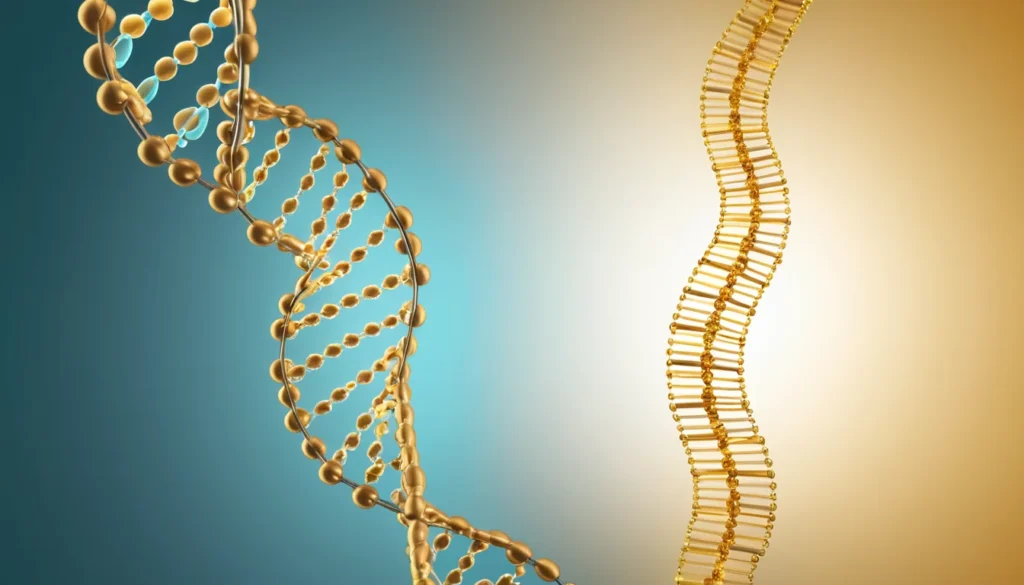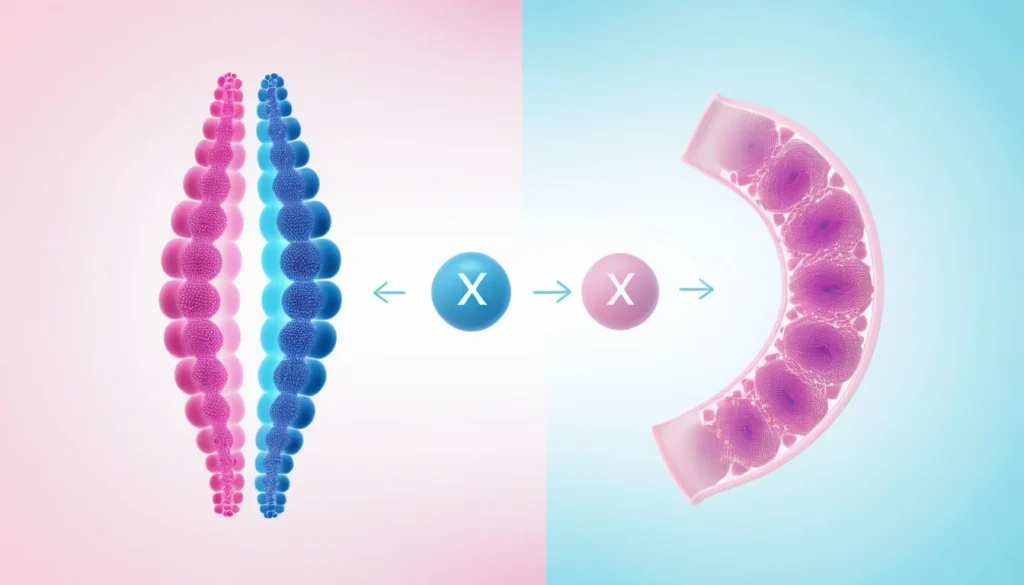
Klinefelter syndrome is a genetic condition that affects males. It happens when a boy is born with one or more extra X chromosomes. This condition is more common than many people realize — it affects roughly 1 in 500 to 1 in 1,000 males. Many men live their whole lives without ever knowing they have it.
What Is Klinefelter Syndrome?
Normally, males have one X chromosome and one Y chromosome (XY). A male with Klinefelter syndrome typically has two X chromosomes and one Y chromosome (XXY). This is why the condition is sometimes called XXY syndrome.
In rare cases, a male may have three or even four X chromosomes, or extra Y chromosomes. The more extra chromosomes involved, the more noticeable the symptoms tend to be. However, many men with just one extra X chromosome have very mild symptoms and lead full, healthy lives.
According to Mayo Clinic’s overview of Klinefelter syndrome, this condition is one of the most common chromosomal disorders in males.
What Causes Klinefelter Syndrome?
The extra X chromosome is almost always the result of a random error. This error happens during cell division — either in the egg or the sperm — before or just after fertilization.
This is not caused by anything a parent did or did not do during pregnancy. It is not inherited in the traditional sense. In other words, parents cannot pass on the condition deliberately, and it is not linked to lifestyle or environmental factors.
The risk of this chromosomal error is slightly higher when the mother is older. However, Klinefelter syndrome can occur in any pregnancy, regardless of the mother’s age.
Signs and Symptoms of Klinefelter Syndrome
There are usually no signs of Klinefelter syndrome in childhood. Symptoms most often become noticeable during puberty, when testosterone levels are expected to rise naturally.
Physical Symptoms
Boys with Klinefelter syndrome often do not produce enough testosterone during puberty. As a result, they may experience a range of physical changes, including:
Smaller-than-average testicles that do not grow during puberty
Enlarged breast tissue (called gynaecomastia)
Less facial, underarm, and pubic hair than expected
Reduced muscle mass and strength
Taller-than-average height, often with longer legs
Narrower shoulders and wider hips
Most males with this condition are infertile or have very low sperm counts. However, with the help of assisted reproductive technology, some men with Klinefelter syndrome are still able to father children. A fertility specialist can discuss these options in detail.
Learning and Behavioural Symptoms
Klinefelter syndrome can also affect how a boy learns and behaves. These challenges are not a sign of low intelligence. Many boys with this condition have average or above-average intelligence.
Common learning and behavioural challenges may include:
Delays in speech and language development
Difficulty with reading and writing
Slower processing speed and trouble multitasking
Difficulty with impulse control
Problems with planning and problem-solving
Furthermore, some boys may struggle socially. They may seem shy, immature, or overly dependent on others. Anxiety, depression, and low self-esteem are also more common in those with Klinefelter syndrome. Early support through school programmes and counselling can make a significant difference.
For a broader look at chromosomal conditions, the World Health Organization’s resource on genes and human disease provides helpful background information.
How Is Klinefelter Syndrome Diagnosed?
Klinefelter syndrome can be diagnosed at different stages of life. In some cases, it is found before birth. In others, it is not discovered until adulthood.
Prenatal Diagnosis
During pregnancy, two tests can detect Klinefelter syndrome. The first is amniocentesis, where a small amount of amniotic fluid is tested. The second is chorionic villus sampling (CVS), which tests a small piece of placental tissue.
These tests are not routine for all pregnancies. In Canada, a family doctor or obstetrician typically recommends them when there is a family history of genetic conditions, or when the mother is 35 years of age or older. Your provincial health plan may cover some or all of the cost — check with your family doctor for details.
Diagnosis in Children and Teenagers
Most cases of Klinefelter syndrome are not found until puberty. A doctor may suspect it when a boy has persistent delays in speech, reading, or writing. Physical signs during puberty — such as small testicles, gynaecomastia, or unusually tall stature — may also prompt testing.
The main diagnostic test is called a karyotype. This is a blood test that maps and analyses a person’s chromosomes. It can clearly show if an extra X chromosome is present.
Diagnosis in Adults
Many men first learn they have Klinefelter syndrome when they seek help for infertility. In fact, approximately 3% of men being investigated for infertility are found to have this condition.
At this stage, a doctor will typically order a karyotype, a semen analysis, and hormone level tests. These results help guide the best treatment plan going forward.
Treatment Options for Klinefelter Syndrome
There is no cure for Klinefelter syndrome, but treatment can greatly improve quality of life. The right combination of treatments depends on each person’s individual symptoms and needs.
Testosterone Replacement Therapy
The most common treatment for Klinefelter syndrome is testosterone replacement therapy. Treatment often begins around ages 11 to 12, when puberty would normally start. A doctor will first check hormone levels through a blood test.
If testosterone levels are low, a synthetic form of testosterone can be prescribed. It is available as an injection, a gel, or a skin patch. Testosterone therapy can provide many benefits, including:
Increased muscle mass and strength
Growth of body and facial hair
Improved sexual function and libido
Stronger bones and reduced risk of osteoporosis
Prevention or reduction of gynaecomastia
Improved mood, confidence, and overall wellbeing
It is important to note that testosterone therapy does not restore fertility. However, it does support healthy development in many other ways.
Educational and Behavioural Support
Boys with Klinefelter syndrome often benefit from extra support at school. In Canada, most provinces offer special education programmes through the public school system. A learning assessment through the school board can help identify specific needs.
Speech-language therapy is especially helpful for boys with delays in language development. Behavioural therapy or counselling can also help manage anxiety, social challenges, and low self-esteem. Starting these supports early leads to better long-term outcomes.
Fertility Treatments
Most men with Klinefelter syndrome produce little or no sperm naturally. However, a procedure called testicular sperm extraction (TESE) can sometimes retrieve viable sperm. This sperm can then be used with in vitro fertilization (IVF) to achieve pregnancy.
A referral to a fertility specialist through your family doctor is the best first step. In some provinces, fertility treatments may be partially covered under provincial health plans. Ask your doctor what options are available in your province.
When to See a Doctor
If you are concerned that your son may have signs of Klinefelter syndrome, speak with your family doctor. Early diagnosis leads to earlier treatment, which can make a real difference in development and quality of life.
You should consider booking an appointment if your son:
Has significant delays in speech or language by age 2 to 3
Is noticeably taller than other boys his age with unusually long legs
Shows little to no testicular growth during puberty
Develops enlarged breast tissue during or after puberty
Struggles significantly with learning, social skills, or behaviour at school
For adults, see your family doctor if you have been trying to conceive without success for 12 months or longer. If you do not have a family doctor, a walk-in clinic can provide an initial assessment and arrange referrals. Your doctor can order a karyotype test and discuss next steps with you.
Always consult your doctor or a qualified healthcare provider before making any decisions about diagnosis or treatment. This article is for general information only and is not a substitute for professional medical advice.
For more detailed clinical information, visit Healthline’s comprehensive guide to Klinefelter syndrome.
Frequently Asked Questions About Klinefelter Syndrome
Can men with Klinefelter syndrome have children?
Most men with Klinefelter syndrome have very low or no sperm production, which makes natural conception difficult. However, a procedure called testicular sperm extraction (TESE) can sometimes retrieve sperm, which can then be used with IVF. Speaking with a fertility specialist is the best way to explore your options.
How common is Klinefelter syndrome in Canada?
Klinefelter syndrome affects approximately 1 in 500 to 1 in 1,000 males, making it one of the most common chromosomal conditions in males worldwide. In Canada, this means thousands of men are living with the condition, many without a formal diagnosis. Increased awareness is helping more people get the support they need.
What is the life expectancy of someone with Klinefelter syndrome?
Most men with Klinefelter syndrome have a normal life expectancy. With proper treatment — especially testosterone replacement therapy — they can live full, healthy lives. Regular check-ups with a family doctor help monitor for any related health concerns, such as bone density loss or metabolic issues.
At what age is Klinefelter syndrome usually diagnosed?
Klinefelter syndrome is most often diagnosed during puberty or adulthood, since symptoms are not usually obvious in early childhood. Some cases are detected prenatally through amniocentesis or CVS. Many men are not diagnosed until they seek help for infertility, which is why the condition is often underdiagnosed.
Is Klinefelter syndrome hereditary?
Klinefelter syndrome is not inherited in the typical sense — it results from a random error during cell division in the egg or sperm. Parents cannot “pass on” the condition deliberately, and having one child with Klinefelter syndrome does not significantly increase the risk for future pregnancies. However, a slightly higher risk is associated with advanced maternal age.
Does testosterone therapy cure Klinefelter syndrome?
Testosterone therapy does not cure Klinefelter syndrome, but it is the primary treatment and can significantly improve symptoms. It supports healthy muscle development, bone strength, mood, and sexual function. Your doctor will monitor hormone levels regularly to adjust the dosage as needed.
Key Takeaways
Klinefelter syndrome is a genetic condition where males are born with one or more extra X chromosomes.
It affects roughly 1 in 500 to 1 in 1,000 males. Many do not know they have it.
Symptoms often appear during puberty and can include low testosterone, reduced body hair, enlarged breast tissue, and infertility.
Learning and behavioural challenges — such as speech delays and anxiety — are also common.
Diagnosis is confirmed through a blood test called a karyotype, which can be ordered by your family doctor.
Testosterone replacement therapy is the main treatment and can begin as early as ages 11 to 12.
Educational support, speech therapy, and counselling are important parts of a well-rounded treatment plan.
Some men with this condition can still father children with the help of assisted reproductive technology.
If you have concerns, speak with your family doctor or visit a walk-in clinic. Early support makes a meaningful difference.