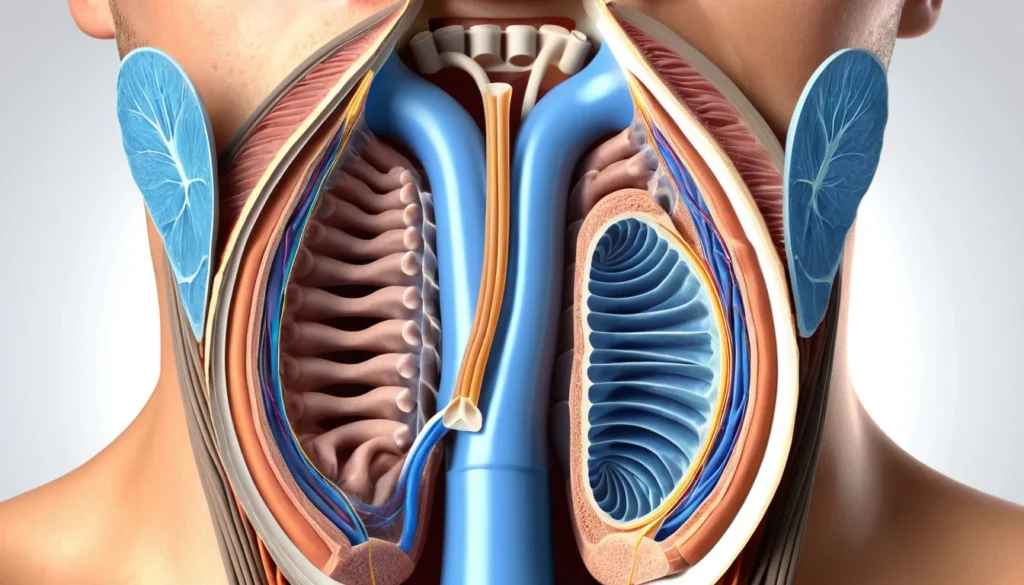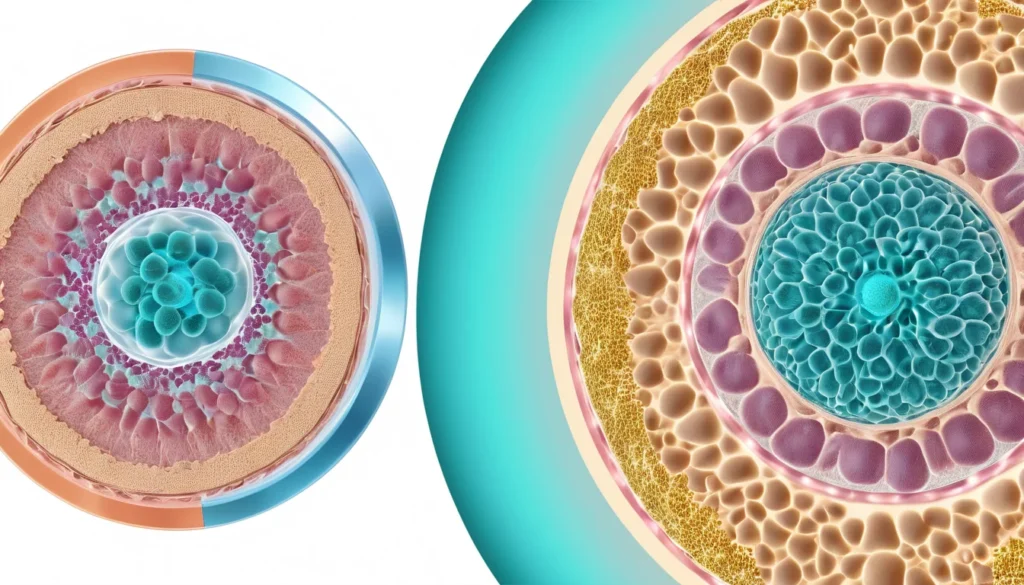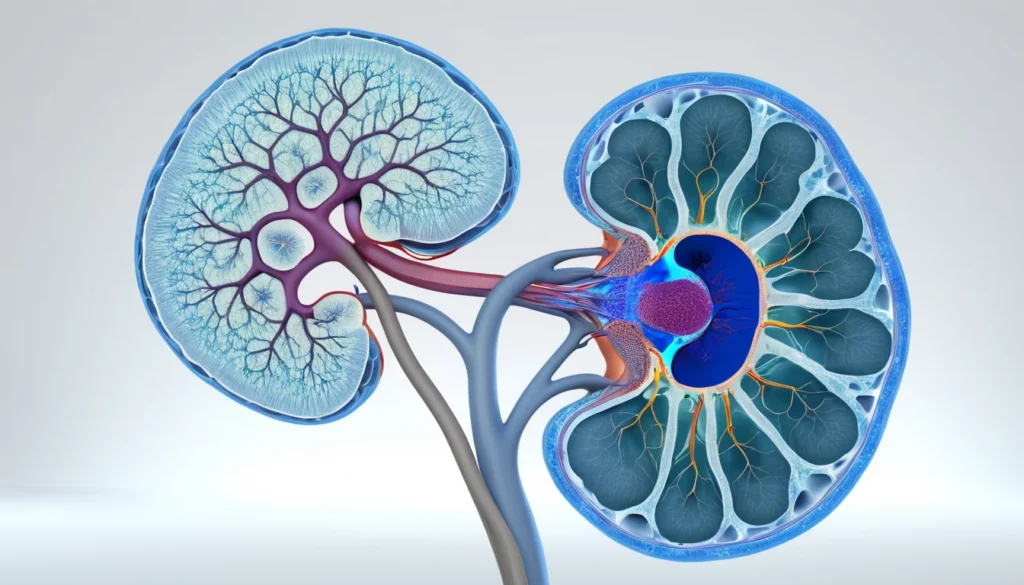
Kidney failure happens when your kidneys can no longer do their job properly. Healthy kidneys filter waste from your blood, balance fluids and salts in your body, and help control blood pressure. When that process breaks down, it can affect nearly every system in your body. This article explains the two main types of kidney failure, what causes them, how they are diagnosed, and what treatments are available to Canadians today.
What Is Kidney Failure?
Your kidneys contain millions of tiny filtering units called nephrons. Each nephron has a small structure called a glomerulus, which filters your blood and starts making urine. Kidney failure occurs when enough of these filtering units are damaged or lost that the kidneys can no longer keep up with the body’s needs.
Kidney failure is not a disease on its own. It is a result of other conditions that damage the kidneys over time — or suddenly. There are two main types: chronic kidney failure and acute kidney failure. Both are serious, but they behave very differently.
Chronic Kidney Failure: A Gradual Decline
Chronic kidney failure, also called chronic kidney disease (CKD), develops slowly over months or years. The damage to the glomeruli is permanent and irreversible. However, the severity can vary widely from person to person.
Many Canadians live with mild or moderate CKD without knowing it. Symptoms can be very subtle in the early stages. For this reason, CKD is often discovered by accident — for example, during a routine blood pressure check or a regular health screening with your family doctor.
Common Causes of Chronic Kidney Failure
Almost any disease that affects the kidneys can eventually lead to chronic kidney failure. The causes generally fall into two groups.
Kidney diseases: These include conditions that target the kidneys directly, such as glomerulonephritis, or diseases that affect many organs including the kidneys, such as diabetes and high blood pressure (hypertension).
Urinary tract obstructions: Problems in the passages that carry urine — including the renal pelvis, ureters, and bladder — can also cause kidney failure. These may be present from birth (congenital malformations) or develop later (such as bladder tumours).
In Canada, diabetes and high blood pressure are the two leading causes of chronic kidney disease. Health Canada recognizes CKD as a significant public health concern, particularly as rates of diabetes continue to rise across the country.
Symptoms of Chronic Kidney Failure
Mild or moderate chronic kidney failure often causes very few noticeable symptoms. When symptoms do appear, they tend to be non-specific — meaning they could point to many different conditions.
As kidney failure becomes more advanced, the effects on the body become more serious and complex. Here is what to watch for:
Fatigue and breathlessness: The kidneys produce a hormone called erythropoietin, which tells the body to make red blood cells. Damaged kidneys produce less of this hormone, leading to anaemia. As a result, you may feel constantly tired, short of breath, or unable to handle physical activity.
High blood pressure: Failing kidneys struggle to regulate fluid and salt, which raises blood pressure. This creates a dangerous cycle — high blood pressure also damages the kidneys further.
Bone problems: Kidney failure affects how the body handles calcium and vitamin D. Over time, this leads to weakened bones, a condition called renal osteodystrophy. In children, it can slow growth.
Nerve problems: Some people experience numbness, tingling, or even partial paralysis due to nerve damage linked to kidney failure.
Fluid retention and heart complications: When the kidneys cannot remove enough sodium, fluid builds up in the body. This can strain the heart and, in serious cases, cause acute pulmonary oedema — a dangerous build-up of fluid in the lungs.
High potassium levels: Too much potassium in the blood can disrupt the heart’s rhythm, which is a potentially life-threatening complication.
Acute Kidney Failure: A Sudden Problem
Acute kidney failure happens quickly — sometimes over just a few hours or days. Unlike chronic kidney failure, acute kidney failure is often reversible. With proper treatment, many people recover full kidney function without lasting damage.
There are three main types of acute kidney failure, each with a different cause.
Functional (Pre-Renal) Acute Kidney Failure
This type occurs when blood flow to the kidneys drops sharply. The kidneys themselves are not damaged — they simply are not getting enough blood to filter. Causes include severe bleeding, serious dehydration, persistent diarrhoea or vomiting, severe allergic reactions, or a weakened heart that cannot pump blood effectively.
Organic (Intrinsic) Acute Kidney Failure
This type involves actual physical damage to the kidney tissue itself. The tiny tubes inside the kidney (called tubules) or the surrounding tissue become injured. This can happen due to certain medications, dyes used in medical imaging tests, infections, or allergic reactions. The damage may be serious, but it is often treatable.
Mechanical (Post-Renal) Acute Kidney Failure
This type is caused by a sudden blockage in the urinary tract — for example, a kidney stone or a tumour pressing on the ureters or bladder. When urine cannot drain properly, pressure builds up and damages the kidneys. Removing the blockage is the key to recovery.
Symptoms of Acute Kidney Failure
The most telling sign of acute kidney failure is anuria — a sudden stop in urine production. However, urine output may simply decrease rather than stop entirely. In some cases, it may remain normal while the composition of the urine changes significantly.
The type of acute kidney failure affects what the urine looks like. For example, functional kidney failure produces urine that is very concentrated and low in sodium. Organic kidney failure tends to produce the opposite — urine that is dilute and high in sodium.
How Is Kidney Failure Diagnosed?
Doctors diagnose kidney failure by measuring how well the kidneys filter the blood. The key test is called the creatinine clearance test. Creatinine is a waste product that comes from normal muscle activity. Healthy kidneys clear it from the blood efficiently.
The test measures how many millilitres of plasma the kidneys can clear of creatinine per minute. A normal result is around 130 millilitres per minute. When this number drops, it signals that the kidneys are not filtering properly.
Doctors also look for proteinuria (protein in the urine) and haematuria (blood in the urine), both of which can be early warning signs of kidney disease. Regular monitoring of creatinine clearance helps track how quickly the disease is progressing and how well the treatment is working.
For more detail on kidney testing, the Mayo Clinic’s guide to kidney failure diagnosis and treatment offers a thorough overview.
Treatment Options for Kidney Failure
Treatment depends on the type and severity of kidney failure. The goal is to slow the damage, manage symptoms, and — when possible — replace kidney function entirely.
Diet and Lifestyle Changes
Diet plays a major role in managing kidney failure. Your healthcare team will likely recommend a diet low in protein and sodium (salt). Foods high in potassium — such as bananas, oranges, and chocolate — may need to be reduced or avoided altogether.
These changes help reduce the workload on the kidneys and prevent dangerous build-ups of waste products and minerals in the blood.
Medications
Several medications help manage the complications of kidney failure. These include:
Blood pressure medications (antihypertensives) to protect the kidneys and heart
Vitamin D supplements and calcium to protect bone health
Phosphate binders to keep phosphorus levels in check
Potassium-lowering medications to protect heart rhythm
Erythropoietin injections to treat anaemia caused by kidney failure
Dialysis
When the kidneys can no longer filter the blood adequately — typically when creatinine clearance falls below 10 millilitres per minute — dialysis becomes necessary. Dialysis takes over the filtering work that the kidneys can no longer do.
There are two types of dialysis available in Canada:
Haemodialysis: This is sometimes called the artificial kidney. Blood is drawn out of the body, filtered through an artificial membrane, and returned. It is usually performed at a hospital or dialysis centre several times per week.
Peritoneal dialysis: This method uses the lining of the abdomen (the peritoneum) as a natural filter. A special fluid is introduced into the abdominal cavity, where it absorbs waste, then drains out. Many Canadians can do this type of dialysis at home.
Kidney Transplant
A kidney transplant is the only treatment that can fully replace kidney function. It offers the best long-term quality of life for eligible patients. In Canada, transplants are generally considered for patients who are relatively younger and whose underlying disease is unlikely to damage the transplanted kidney.
Waiting lists for kidney transplants in Canada can be long. Your provincial health plan covers transplant surgery and follow-up care. Talk to your specialist about whether a transplant is right for your situation.
The World Health Organization’s fact sheet on chronic kidney disease provides additional global context on kidney disease management and transplantation.
When to See a Doctor
You should speak with your family doctor if you notice any of the following warning signs:
Unusual fatigue or weakness that does not go away
Swelling in your legs, ankles, or around your eyes
Changes in how much urine you produce — much more or much less than usual
Urine that looks foamy, cloudy, or blood-tinged
Persistent high blood pressure that is difficult to control
Shortness of breath without an obvious cause
Muscle cramps or changes in sensation in your limbs
If you do not have a family doctor, a walk-in clinic can order basic blood and urine tests to check your kidney function. Early detection makes a significant difference in how well kidney failure can be managed. Do not wait for symptoms to become severe before seeking care.
If you experience a sudden stop in urination, severe swelling, or difficulty breathing, go to your nearest emergency department immediately.
Frequently Asked Questions About Kidney Failure
What are the early warning signs of kidney failure?
Early kidney failure often causes no obvious symptoms, which is why it is frequently missed. However, some early signs include persistent fatigue, swelling in the legs or ankles, foamy or discoloured urine, and difficulty controlling blood pressure. A simple blood and urine test from your family doctor can detect kidney problems before they become serious.
Can kidney failure be reversed?
It depends on the type. Acute kidney failure is often reversible, especially when the underlying cause — such as dehydration, medication, or a blockage — is treated quickly and effectively. Chronic kidney failure, on the other hand, involves permanent damage that cannot be undone, though treatment can slow its progression significantly.
What foods should you avoid if you have kidney failure?
People with kidney failure are generally advised to limit foods high in potassium (such as bananas, oranges, potatoes, and chocolate), sodium (salt), and protein. Too much of these can build up in the blood and cause dangerous complications. A registered dietitian can help you create a kidney-friendly eating plan that works for your lifestyle.
Is dialysis covered by provincial health plans in Canada?
Yes, dialysis is covered under provincial and territorial health insurance plans across Canada. Both haemodialysis (performed at a hospital or dialysis centre) and peritoneal dialysis (which can often be done at home) are medically insured services. Talk to your specialist or check with your provincial health authority for details specific to your province.
How is kidney failure different from kidney disease?
Chronic kidney disease (CKD) is a broad term for any long-term condition that reduces kidney function. Kidney failure refers specifically to the most advanced stage of CKD, when the kidneys can no longer function well enough to sustain life without dialysis or a transplant. Not everyone with kidney disease will progress to kidney failure, particularly with early treatment.
What is the life expectancy with kidney failure?
Life expectancy with kidney failure varies greatly depending on age, overall health, and the type of treatment received. Many people on dialysis live for years or even decades with good quality of life. A kidney transplant generally offers the best long-term outcome. Your specialist can give you a clearer picture based on your individual health situation.
Key Takeaways
Kidney failure occurs when the kidneys can no longer filter waste, balance fluids, or regulate blood pressure effectively. There are two main types: chronic kidney failure (gradual and irreversible) and acute kidney failure