Kidney cancer is a serious condition where a malignant tumour grows from the tissue of the kidney. In Canada, it most often affects adults over the age of 50. This article explains what kidney cancer is, what warning signs to watch for, how it is treated, and when you should speak with your family doctor or visit a walk-in clinic.
What Is Kidney Cancer?
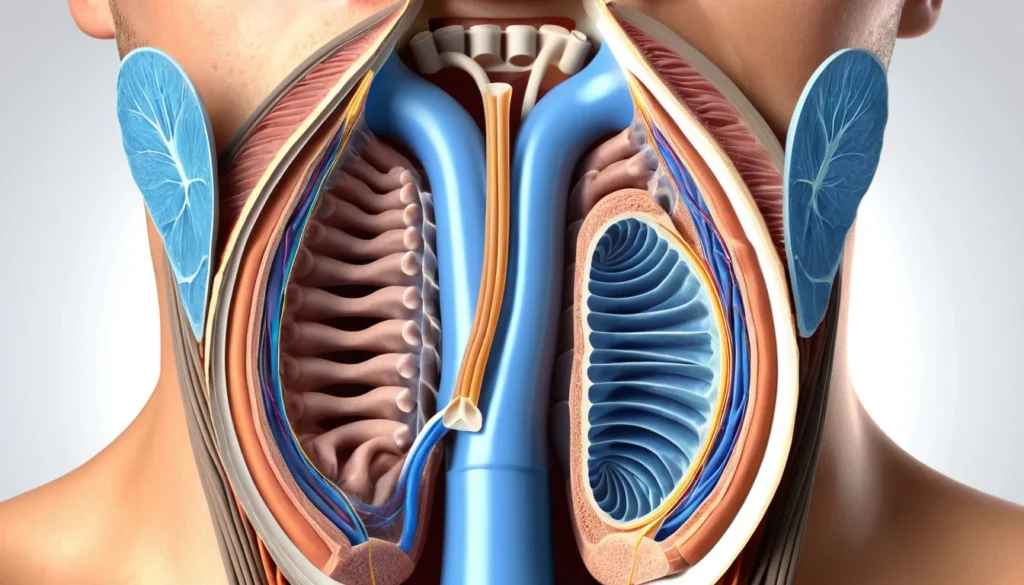
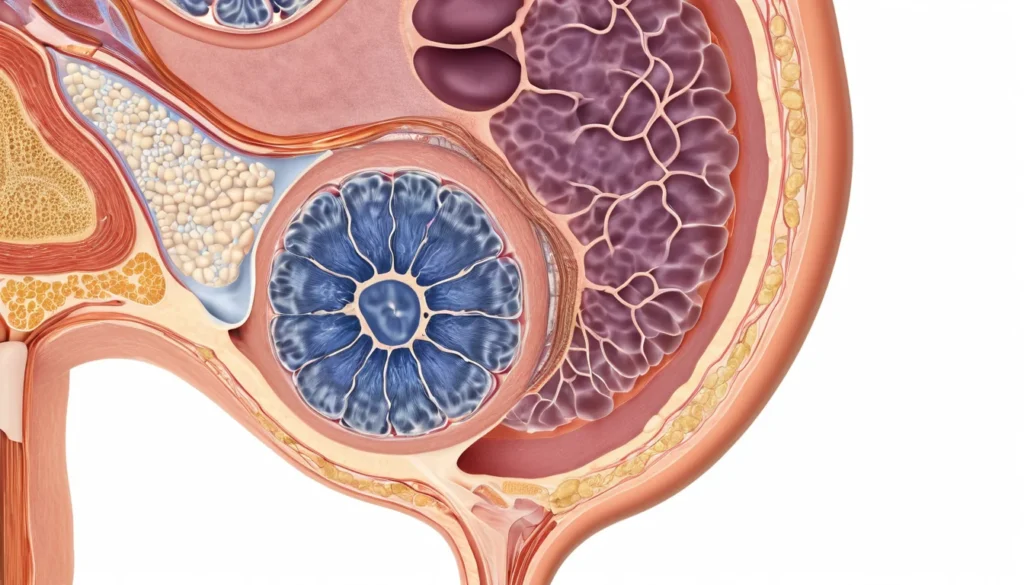
Kidney cancer — also called renal cell carcinoma, hypernephroma, or renal adenocarcinoma — begins when cells in the kidney start to grow out of control. The kidneys are two bean-shaped organs that filter your blood and produce urine. When a tumour forms in one of them, it can affect how the kidney works.
This type of cancer is more common than many people realize. According to Health Canada, kidney cancer is among the more frequently diagnosed cancers in Canadian adults. It tends to grow slowly, which means it can be present for a long time before causing noticeable symptoms.
However, slow growth does not mean it is harmless. Kidney cancer can spread to other parts of the body if it is not caught and treated early. This spread is called metastasis. The good news is that when kidney cancer is found before it spreads, the outlook is generally quite positive.
Kidney Cancer Symptoms to Watch For
One of the challenges with kidney cancer is that early-stage tumours often cause no pain or obvious symptoms at all. As a result, many cases are found by accident during tests done for other reasons. Still, there are important warning signs you should know.
Blood in the Urine
The most common sign of kidney cancer is blood in the urine. This is called haematuria. Your urine may look pink, red, or rusty brown. Sometimes the amount of blood is so small that you cannot see it with your eyes — only a lab test will detect it.
Do not ignore blood in your urine, even if it appears only once. This symptom can also be caused by other conditions, such as a urinary tract infection or kidney stones. However, it always warrants a visit to your family doctor or a walk-in clinic to rule out serious causes.
Pain and Discomfort in the Side or Back
A dull, persistent pain on one side of your lower back or side can also be a sign of kidney cancer. This pain is caused by the growing tumour pressing on nearby tissue. It is different from the sharp, sudden pain of a kidney stone.
Furthermore, you may feel a lump or mass in the side or abdomen area. Not all kidney tumours are large enough to feel from the outside, but when they are, this is a significant warning sign.
Other Symptoms
Kidney cancer can also cause more general symptoms that are easy to dismiss. These include:
Unexplained fatigue or tiredness that does not go away
Unintentional weight loss
Fever that comes and goes without an obvious cause
A higher-than-normal red blood cell count (called polycythaemia), which can cause flushing or headaches
Swelling in the legs or ankles
These symptoms alone do not confirm kidney cancer. However, if you are experiencing several of them together — especially alongside blood in your urine — it is important to seek medical attention promptly.
Risk Factors for Kidney Cancer
Anyone can develop kidney cancer, but certain factors increase your risk. Knowing these can help you stay more alert to early warning signs and have proactive conversations with your doctor.
Age and Sex
Kidney cancer is most commonly diagnosed in adults between 50 and 70 years of age. Men are about twice as likely to develop it as women, though the reasons for this are not fully understood.
Smoking
Smoking is one of the strongest known risk factors for kidney cancer. People who smoke are roughly twice as likely to develop kidney cancer as non-smokers. Quitting smoking at any age reduces your risk significantly.
Obesity and High Blood Pressure
Carrying excess body weight and having high blood pressure (hypertension) are both linked to a higher risk of kidney cancer. Maintaining a healthy weight through balanced eating and regular physical activity can help lower your risk. In addition, managing blood pressure through lifestyle changes or medication — in consultation with your doctor — is important.
Family History and Genetics
If a close family member has had kidney cancer, your own risk may be higher. Certain inherited conditions, such as Von Hippel-Lindau disease, are also associated with an increased likelihood of developing kidney tumours. Talk to your family doctor about genetic screening if this applies to you.
Long-Term Dialysis
People who have been on long-term kidney dialysis have a slightly higher risk of developing kidney cysts and kidney cancer. Regular monitoring is an important part of care for this group.
How Is Kidney Cancer Diagnosed?
If your doctor suspects kidney cancer based on your symptoms, they will order a series of tests. Early and accurate diagnosis is key to choosing the best treatment.
Urine and Blood Tests
Your doctor will first check your urine for blood and your blood for signs of abnormal kidney function. These are simple, non-invasive starting points. Abnormal results will lead to further investigation.
Imaging Tests
Imaging tests allow doctors to see inside the body without surgery. Common options include:
Ultrasound: Uses sound waves to create images of the kidney. It is painless and widely available.
CT scan (computed tomography): Provides detailed cross-section images of the kidney and surrounding tissues.
MRI (magnetic resonance imaging): Offers detailed images, especially useful for checking whether cancer has spread to blood vessels.
These tests help determine the size, location, and possible spread of the tumour. According to the Mayo Clinic’s kidney cancer overview, imaging is usually the most important tool for diagnosis and staging.
Biopsy
In some cases, a doctor may recommend a biopsy. This involves removing a small sample of kidney tissue with a needle so it can be examined under a microscope. However, not all kidney tumours require a biopsy before surgery — your specialist will advise based on your situation.
Kidney Cancer Treatment Options in Canada
Kidney cancer treatment depends on the stage of the cancer — meaning how far it has grown or spread. Canadian patients access care through their provincial health plans, which cover most medically necessary cancer treatments. Your family doctor will refer you to a urologist or oncologist (cancer specialist) who will lead your care.
Surgery: The Primary Treatment
When kidney cancer has not spread beyond the kidney, surgery is the most effective treatment. The most common operation is called a radical nephrectomy. This involves removing the entire kidney, along with surrounding fatty tissue and nearby lymph nodes.
In some cases — especially when the tumour is small — surgeons can perform a partial nephrectomy, which removes only the tumour and a small margin of healthy tissue. This preserves as much kidney function as possible. Most people can live a full and healthy life with just one kidney.
Modern surgery is often done using minimally invasive techniques (laparoscopic or robotic-assisted), which means smaller cuts, less pain, and faster recovery.
Treating Cancer That Has Spread
If kidney cancer has spread to other parts of the body — most commonly the bones, lungs, liver, or veins — additional treatments are needed. These include:
Immunotherapy: This treatment helps your own immune system recognize and attack cancer cells. It is often a first-line treatment for advanced kidney cancer in Canada.
Targeted therapy: Drugs that block specific proteins or pathways that help cancer cells grow. These are taken as pills or infusions.
Surgical removal of a single metastasis: If cancer has spread to only one other location, surgically removing that single tumour (called a metastasectomy) may be an option.
Radiation therapy: Mainly used to control pain from bone metastases rather than to cure the cancer itself.
Chemotherapy is generally not very effective against kidney cancer, and is used less frequently than immunotherapy or targeted therapy. Your oncologist will recommend a treatment plan that is right for your specific case.
Outlook and Follow-Up Care
The outlook for kidney cancer depends largely on how early it is caught. When treated before the cancer has spread, the prognosis is often very good. However, even after successful treatment, regular follow-up appointments are essential. Your doctor will schedule regular imaging scans and blood tests to watch for any signs of the cancer returning.
For more information on cancer treatment approaches, you can also visit the WHO’s cancer fact sheet for a global perspective on cancer care.
When to See a Doctor About Kidney Cancer
You should contact your family doctor or visit a walk-in clinic as soon as possible if you notice any of the following:
Blood in your urine, even just once
A persistent dull pain in your side or lower back that has no clear cause
A lump you can feel in your side or abdomen
Unexplained weight loss combined with fatigue and fever
Do not wait and see if these symptoms go away on their own. Early detection gives you the best possible chance of successful treatment. If you do not have a family doctor, a walk-in clinic can order initial tests and refer you to a specialist through your provincial health system.
Remember, most of these symptoms have many possible causes — some of them minor. Only a doctor can determine what is actually going on. Always consult a qualified healthcare provider for any health concerns.
Frequently Asked Questions About Kidney Cancer
What are the first signs of kidney cancer?
The most common early sign of kidney cancer is blood in the urine, which may make urine appear pink or reddish. Other early signs can include a dull pain in the side or back and unexplained fatigue. However, many kidney cancer cases cause no symptoms at all in the early stages, which is why regular check-ups matter.
Is kidney cancer curable?
Kidney cancer can be cured, especially when it is caught before it spreads beyond the kidney. Surgery to remove the kidney (nephrectomy) is often curative at this stage. Even in more advanced cases, treatments like immunotherapy and targeted therapy can significantly extend life and improve quality of life.
What causes kidney cancer?
The exact cause of kidney cancer is not always clear, but known risk factors include smoking, obesity, high blood pressure, and a family history of the disease. Certain inherited genetic conditions can also increase the risk of developing kidney cancer. Reducing controllable risk factors — like quitting smoking and maintaining a healthy weight — can lower your chances.
How is kidney cancer treated in Canada?
In Canada, kidney cancer is most often treated with surgery to remove all or part of the affected kidney, covered under provincial health plans. If the cancer has spread, doctors may use immunotherapy, targeted drug therapy, or a combination of both. Your family doctor will refer you to a specialist who will guide your treatment plan.
Can you live a normal life with one kidney after kidney cancer surgery?
Yes, most people live full and healthy lives with just one kidney after kidney cancer surgery. The remaining kidney adapts over time and takes on the work of filtering the blood. Your doctor will monitor your kidney function regularly with simple blood and urine tests.
How fast does kidney cancer spread?
Kidney cancer often grows very slowly, and some tumours take years before they spread beyond the kidney. However, the speed of growth varies from person to person and depends on the type and stage of the kidney cancer. This is why regular medical follow-up is so important, even after successful treatment.
Key Takeaways
Kidney cancer is a malignant tumour of the kidney, most often diagnosed in adults over 50.
Common symptoms include blood in the urine, side or back pain, unexplained weight loss, and fatigue.
Risk factors include smoking, obesity, high blood pressure, and family history.
Diagnosis involves urine and blood tests, imaging (ultrasound, CT, MRI), and sometimes a biopsy.
Surgery (nephrectomy) is the main treatment when the cancer has not spread. Advanced kidney cancer may be treated with immunotherapy or targeted therapy.
When caught early, the outlook for kidney cancer is generally very good — but regular follow-up care remains essential.
See your family doctor or visit a walk-in clinic right away if you notice any warning signs. Early action saves lives.