Kidney cancer is one of the most common cancers diagnosed in Canadian adults, accounting for roughly 3% of all adult cancer cases. It develops when cells in the kidney grow out of control, forming a tumour that can spread to nearby tissue or other parts of the body. Because early-stage kidney cancer often causes no obvious symptoms, many people are diagnosed later than ideal. Understanding the risk factors, warning signs, and treatment options can help you take action early and get the best possible outcome.
What Is Kidney Cancer?
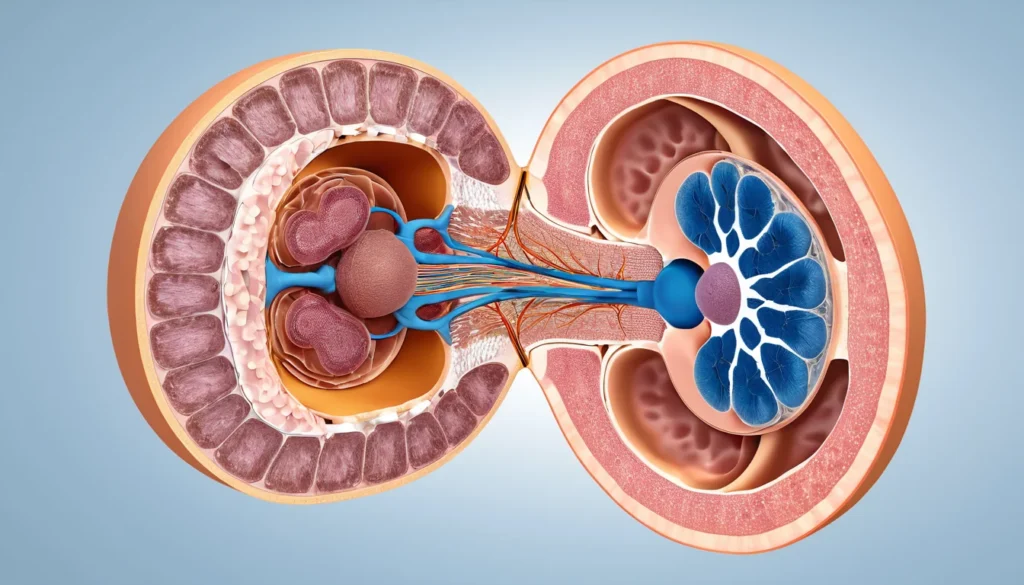
Your kidneys are two bean-shaped organs, each about the size of a fist. They sit on either side of your spine, toward the back of your abdomen. Their job is to filter waste from your blood, balance fluid and salt levels, regulate blood pressure, and produce important hormones.
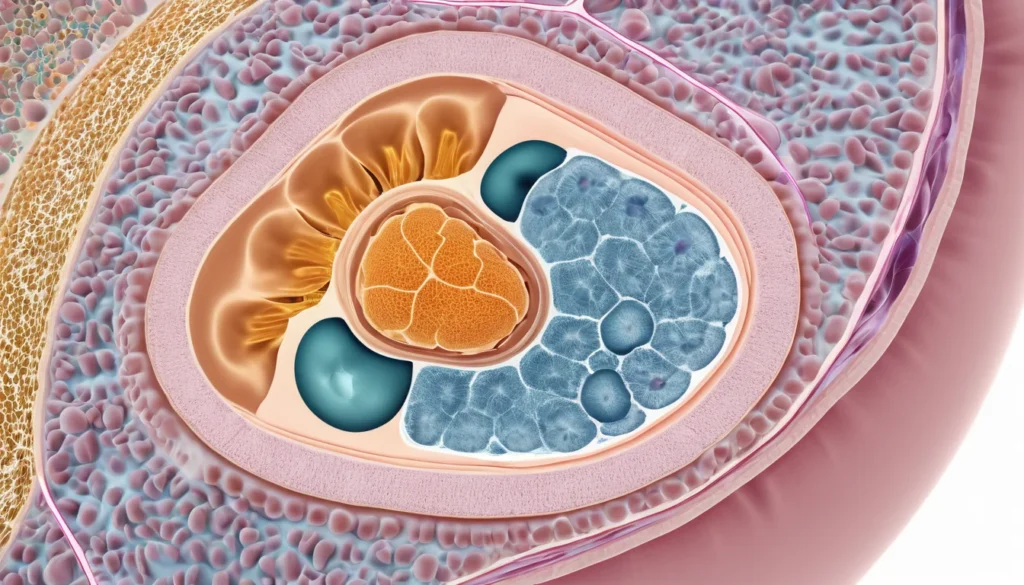
Kidney cancer begins when cells inside the kidney start multiplying abnormally. Most kidney cancers start in the tiny tubes inside the kidney called renal tubules. This type is called renal cell carcinoma (RCC), and it makes up 90–95% of all kidney cancer diagnoses.
The earlier kidney cancer is found, the better your chances of successful treatment. However, this cancer is known for being “silent” in its early stages, which makes awareness and regular check-ups especially important. For more background, visit Health Canada’s official health resources.
Risk Factors for Kidney Cancer
Anyone can develop kidney cancer, but certain factors raise your risk. Knowing these factors does not mean you will get cancer. However, it does mean you should talk to your family doctor about screening or monitoring.
Lifestyle and Health-Related Risk Factors
Smoking: Smokers are roughly twice as likely to develop kidney cancer. This includes cigarettes and cigars. About one-third of kidney cancer patients have a long history of smoking.
Obesity and excess weight: Being overweight changes hormone levels in the body. These hormonal shifts can encourage abnormal cell growth. The risk rises as body weight increases.
High blood pressure: Researchers are still studying whether it is the condition itself or the medications used to treat it that raises the risk. Either way, hypertension is a known risk factor.
Long-term kidney disease and dialysis: People with chronic kidney disease or those on long-term dialysis face a higher risk.
Kidney transplant recipients also have an elevated risk and should be monitored regularly.
Genetic and Environmental Risk Factors
Family history: If a close family member — a parent or sibling — has had kidney cancer, your own risk is higher.
Genetic conditions: Disorders such as Von Hippel-Lindau disease and hereditary papillary renal carcinoma significantly increase kidney cancer risk.
Chemical exposure: Long-term exposure to substances like asbestos, cadmium, benzene, organic solvents, or certain herbicides has been linked to kidney cancer.
Lymphoma: For reasons not yet fully understood, people diagnosed with lymphoma have a higher risk of also developing kidney cancer.
Tuberous sclerosis: This rare genetic disorder can cause tumours to grow in the kidneys and other organs.
In addition, kidney cancer is diagnosed more often in men than in women, at a ratio of approximately 6:1. It is also more commonly diagnosed after age 60, though it can appear earlier in people with genetic risk factors.
Symptoms of Kidney Cancer
One of the biggest challenges with kidney cancer is that it often causes no symptoms in its early stages. Many people are diagnosed by accident during routine imaging tests for an unrelated issue. As the tumour grows, however, symptoms begin to appear.
Common Warning Signs
Blood in the urine (hematuria): This is one of the most common signs. The urine may appear pink, red, or brownish.
A lump or mass in the abdomen: You or your doctor may be able to feel a firm mass on one side of your abdomen.
Persistent pain in the side or lower back: This pain does not go away and is not linked to an injury.
Unexplained weight loss: Losing weight without trying, especially over a short period of time.
Fatigue: Feeling extremely tired even after rest.
Fever: A fever that lasts for weeks and is not caused by a cold, flu, or infection.
Anaemia: A low red blood cell count, which can make you feel weak and short of breath.
High blood pressure or high calcium levels: These can sometimes be caused by hormones released by the tumour.
Night sweats: Unexplained sweating during sleep.
Loss of appetite: A reduced desire to eat that persists over time.
The classic trio of symptoms — flank pain, blood in the urine, and a palpable abdominal mass — only appears together in about 10% of cases. When it does appear, it usually signals advanced disease. Therefore, do not wait for all three signs before speaking to a doctor.
For a detailed overview of kidney cancer symptoms, Mayo Clinic’s kidney cancer guide is an excellent resource.
How Is Kidney Cancer Diagnosed?
If your doctor suspects kidney cancer, they will start with a physical examination and review of your medical history. From there, a number of tests may follow.
Diagnostic Tests
Blood and urine tests: These check for signs of abnormal kidney function or the presence of blood in the urine.
Ultrasound: A painless imaging test that uses sound waves to look at the kidneys.
CT scan or MRI: These provide detailed images of the kidneys and surrounding tissues. They help determine the size and spread of any tumour.
Biopsy: In some cases, a small sample of tissue is taken from the kidney to confirm whether the tumour is cancerous.
In Canada, your family doctor or a specialist through your provincial health plan can order these tests. Depending on your province, wait times may vary, but most urgent referrals are processed quickly. Ask your doctor about expedited referrals if you have multiple concerning symptoms.
Treatment Options for Kidney Cancer
Treatment for kidney cancer depends on the stage of the disease, your overall health, and other personal factors. The good news is that there are several effective options available through Canada’s public health system.
Surgery
Surgery is the most common treatment for kidney cancer. A partial nephrectomy removes only the tumour and a small margin of healthy tissue. A radical nephrectomy removes the entire kidney. Many Canadians can live a full, healthy life with just one kidney.
Targeted Therapy and Immunotherapy
Kidney cancer is generally resistant to traditional chemotherapy and radiation. However, newer targeted drug therapies and immunotherapy treatments have shown strong results. These treatments work by blocking specific signals that help cancer cells grow, or by boosting the body’s immune system to fight cancer cells.
These therapies are increasingly covered under provincial drug benefit programmes. Talk to your oncologist or specialist about what is available in your province.
Ablation Therapy
For patients who cannot undergo surgery, ablation techniques like cryoablation (freezing) or radiofrequency ablation (heat) may be used to destroy the tumour. These are minimally invasive options that may be suitable for smaller tumours.
Active Surveillance
For very small, slow-growing tumours in older patients or those with other health conditions, doctors may recommend watchful waiting. This means monitoring the tumour closely with regular imaging tests, rather than treating it immediately.
For a broader look at treatment approaches, Healthline’s kidney cancer overview provides helpful plain-language information.
When to See a Doctor
Do not ignore symptoms that concern you, even if they seem minor. Blood in the urine, persistent back or side pain, unexplained weight loss, or lasting fatigue are all reasons to seek medical advice promptly.
In Canada, you can start by visiting your family doctor. If you do not have one, a walk-in clinic can assess your symptoms and refer you to a specialist if needed. Most provincial health plans cover these visits at no direct cost to you.
If you have known risk factors — such as a family history of kidney cancer, a genetic condition, or long-term kidney disease — ask your doctor about regular monitoring. Catching kidney cancer early makes a significant difference in outcomes.
Always speak with a qualified healthcare provider before making any decisions about your health. This article is for informational purposes only and does not replace professional medical advice.
Frequently Asked Questions About Kidney Cancer
What are the first signs of kidney cancer?
Kidney cancer often has no early warning signs. When symptoms do appear, the most common include blood in the urine, persistent pain in the side or lower back, and unusual fatigue. If you notice any of these, speak with your family doctor as soon as possible.
Is kidney cancer curable?
Kidney cancer can often be cured, especially when caught at an early stage. Surgery to remove the tumour or affected kidney is frequently successful. Even in later stages, newer targeted therapies and immunotherapy have significantly improved survival rates.
What causes kidney cancer?
The exact cause of kidney cancer is not always known, but several risk factors increase the chances of developing it. These include smoking, obesity, high blood pressure, genetic conditions, and long-term exposure to certain chemicals. Having one or more risk factors does not mean you will definitely develop kidney cancer.
How is kidney cancer diagnosed in Canada?
Kidney cancer is typically diagnosed through a combination of blood tests, urine tests, and imaging such as ultrasound, CT scan, or MRI. Your family doctor or a specialist can order these tests through your provincial health plan. In some cases, a biopsy is needed to confirm the diagnosis.
Can you live a normal life after kidney cancer treatment?
Many people live full, active lives after kidney cancer treatment. If one kidney is removed, the remaining kidney typically takes over full function. Your healthcare team will provide guidance on lifestyle adjustments, follow-up care, and monitoring to support your long-term health.
Does kidney cancer respond to chemotherapy?
Traditional chemotherapy and radiation are generally not very effective against kidney cancer. However, targeted therapy and immunotherapy have become the standard of care for advanced kidney cancer and show much better results. Ask your oncologist which options are available and covered under your provincial drug benefit programme.
Key Takeaways
Kidney cancer is the uncontrolled growth of cells in the kidney, most often in the form of renal cell carcinoma.
It frequently causes no early symptoms, making awareness of risk factors especially important.
Major risk factors include smoking, obesity, high blood pressure, family history, and chemical exposure.
Common symptoms include blood in the urine, side pain, fatigue, unexplained weight loss, and persistent fever.
Kidney cancer is resistant to traditional chemotherapy and radiation, but surgery, targeted therapy, and immunotherapy are effective options.
Canadians can access diagnosis and treatment through their provincial health plan via a family doctor, walk-in clinic, or specialist referral.
Early detection leads to significantly better outcomes — see your doctor if you notice any warning signs.