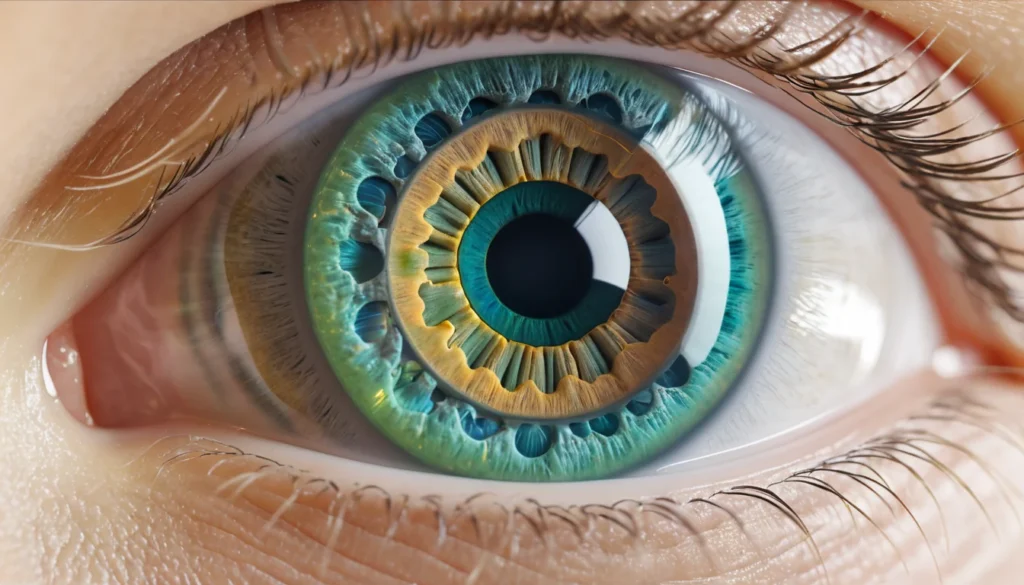
Keratitis is an inflammation of the cornea — the clear, dome-shaped surface that covers the front of your eye. It can cause significant pain, redness, and vision problems if left untreated. This article explains what keratitis is, what causes it, how it is diagnosed, and what you can do to protect your eye health in Canada.
What Is Keratitis?
Keratitis refers to any inflammation of the cornea, regardless of the cause. The cornea plays a vital role in helping your eye focus light. When it becomes inflamed, your vision and comfort are directly affected.
The condition can range from mild to severe. In serious cases, keratitis can permanently damage your vision. Therefore, getting it diagnosed and treated quickly is very important.
According to Mayo Clinic’s overview of keratitis, the condition affects people of all ages. However, certain groups — such as contact lens wearers — face a higher risk.
Common Causes of Keratitis
Keratitis has many possible causes. Understanding the cause helps your doctor choose the right treatment. Here are the most common types.
Bacterial Keratitis
Bacterial keratitis is one of the most frequent forms. It often happens when harmful bacteria enter the eye through a small scratch or injury. Contact lens users are especially vulnerable, particularly if they sleep in their lenses or do not clean them properly.
Common bacteria responsible include Staphylococcus aureus and Pseudomonas aeruginosa. These infections can worsen quickly. As a result, they require prompt medical attention.
Viral Keratitis
Viral keratitis is frequently caused by the herpes simplex virus (HSV). This is the same virus responsible for cold sores. Once the virus is in your body, it can reactivate and affect the cornea at any time.
Another virus linked to keratitis is the varicella-zoster virus, which also causes chickenpox and shingles. Viral keratitis tends to recur. Therefore, long-term management is often necessary.
Fungal Keratitis
Fungal keratitis is less common but more difficult to treat. It often follows an eye injury involving plant material, such as a tree branch or thorn. In Canada, this type is more likely to occur in agricultural settings or after outdoor activities.
Fungal infections develop slowly. However, they can cause serious damage if not identified early.
Allergic and Non-Infectious Keratitis
Keratitis can also develop without any infection. Allergic reactions, dry eyes, and overexposure to ultraviolet (UV) light can all inflame the cornea. This is sometimes called “photokeratitis” and can result from snow reflection or tanning beds — both of which are relevant concerns for Canadians.
Certain medications, including some eye drops used long-term, may also trigger a reaction in the cornea. Always inform your doctor about any medications you use regularly.
Recognising the Symptoms of Keratitis
Knowing the symptoms of keratitis can help you act quickly. The sooner you seek care, the better your outcome is likely to be. Symptoms can appear suddenly or develop gradually, depending on the cause.
Key Symptoms to Watch For
Eye redness: The white part of the eye and the conjunctiva become visibly red and irritated.
Eye pain: Pain can range from mild discomfort to a sharp, intense sensation.
Excessive tearing: Your eye may water more than usual as a natural defence response.
Sensitivity to light: Also called photophobia, this makes it hard to tolerate bright environments.
Blurred vision: Inflammation of the cornea directly affects how clearly you see.
A feeling of something in your eye: You may feel persistent irritation even without a foreign object present.
Frequent blinking: The eye blinks rapidly to try to relieve discomfort.
Furthermore, in some cases, a greyish or whitish spot may appear on the cornea. This can indicate a more advanced or serious infection. Do not wait to see if it resolves on its own.
How Is Keratitis Diagnosed?
A doctor or eye specialist diagnoses keratitis through a careful eye examination. They will look at your symptoms, your medical history, and the appearance of your eye. In many cases, they use special equipment to examine the cornea in detail.
Fluorescein Dye Test
One common diagnostic tool is the fluorescein eye stain test. A small amount of orange dye is placed in the eye. Under a blue light, any damage to the surface of the cornea becomes clearly visible. This test is painless and very effective at detecting corneal injuries or inflammation.
According to Healthline’s guide on keratitis diagnosis, this test helps doctors confirm the presence and extent of corneal damage quickly.
Lab Tests and Cultures
If a bacterial, viral, or fungal infection is suspected, your doctor may take a small sample from the surface of your eye. This sample is sent to a lab to identify the exact organism causing the infection. Knowing the specific cause allows for more targeted and effective treatment.
In Canada, this testing is typically covered under provincial health plans. Your family doctor or an ophthalmologist (eye specialist) can arrange these tests for you.
Treatment Options for Keratitis
Treatment for keratitis depends entirely on its cause. Using the wrong type of treatment can actually make things worse. Therefore, a proper diagnosis always comes first.
Treating Bacterial Keratitis
Bacterial keratitis is usually treated with antibiotic eye drops. In mild cases, over-the-counter options may help. However, prescription-strength antibiotics are often necessary. Your doctor will recommend the most appropriate choice based on the bacteria involved.
It is very important to complete the full course of treatment, even if your eye starts to feel better. Stopping early can allow the infection to return or worsen.
Treating Viral Keratitis
Antiviral medications are used to manage viral keratitis. These may come in the form of eye drops, oral tablets, or both. For herpes-related keratitis, treatment may need to continue long-term to prevent flare-ups.
In addition, corticosteroid eye drops are sometimes used under close medical supervision to reduce inflammation. However, these must be used carefully, as they can worsen certain types of infection if used incorrectly.
Treating Fungal Keratitis
Fungal keratitis requires antifungal eye drops or oral medication. This type of infection is harder to treat and may take weeks or months to resolve fully. Close follow-up with an eye specialist is essential during this time.
Managing Non-Infectious Keratitis
If your keratitis is linked to dry eyes, your doctor may recommend lubricating eye drops or artificial tears. For photokeratitis, simply protecting your eyes from UV light — using quality sunglasses or goggles — can prevent recurrence. Canadians who ski, snowshoe, or spend time outdoors in winter should take snow blindness seriously.
When to See a Doctor
Any symptoms of keratitis should be assessed by a healthcare professional as soon as possible. Eye conditions can worsen quickly. Delaying care can lead to permanent vision loss in serious cases.
If you notice sudden eye pain, redness, sensitivity to light, or a change in your vision, contact your family doctor right away. If your regular doctor is not available, a walk-in clinic can assess your eyes and refer you to an ophthalmologist if needed. Most provincial health plans in Canada cover visits for urgent eye concerns.
Contact lens wearers should remove their lenses immediately if they notice any of these symptoms. Do not re-insert lenses until a doctor has cleared you to do so.
For general guidance on eye health in Canada, you can also visit Health Canada’s official health information portal. Always consult a qualified healthcare provider before starting any treatment for an eye condition.
Preventing Keratitis
Many cases of keratitis are preventable with simple daily habits. Taking care of your eyes reduces your risk significantly. Here are the most effective steps you can take.
Follow contact lens hygiene rules: Always wash your hands before handling lenses. Replace lenses and cases as directed. Never sleep in daily lenses.
Avoid touching your eyes: Rubbing your eyes with unwashed hands transfers bacteria and viruses easily.
Wear protective eyewear: Use safety glasses during activities that risk eye injury, such as yard work or construction.
Protect your eyes from UV light: Wear sunglasses with UV protection, especially in bright snow conditions common across Canada.
Treat eye infections promptly: Do not ignore early signs of irritation or redness. Early treatment prevents more serious damage.
Manage underlying conditions: Conditions like dry eye syndrome or autoimmune disorders can increase your risk. Work with your doctor to keep these under control.
Frequently Asked Questions About Keratitis
Is keratitis contagious?
Some forms of keratitis can be contagious, particularly viral keratitis caused by the herpes simplex virus. However, not all types are — bacterial or fungal keratitis from an eye injury, for example, cannot be passed from person to person. If you are unsure, speak with your doctor about how to protect people around you.
Can keratitis heal on its own without treatment?
Mild cases of non-infectious keratitis, such as photokeratitis from UV exposure, may improve with rest and lubricating eye drops. However, infectious keratitis — caused by bacteria, viruses, or fungi — will not heal on its own and requires proper medical treatment. Leaving it untreated can lead to permanent corneal scarring and vision loss.
How long does keratitis take to heal?
Recovery time from keratitis depends on the cause and severity of the infection. Mild bacterial keratitis may improve within one to two weeks with proper antibiotic treatment. Fungal keratitis can take several months to resolve fully, while viral keratitis caused by herpes may require ongoing management to prevent recurrence.
Can contact lens wearers get keratitis?
Yes — contact lens wearers are among the highest-risk groups for developing keratitis. Wearing lenses for too long, sleeping in them, or using improperly cleaned cases can allow bacteria or other organisms to reach the cornea. Strict lens hygiene is the most effective way to reduce this risk.
Is keratitis covered under Canadian provincial health plans?
In most Canadian provinces, visits to a family doctor or walk-in clinic for an eye concern like keratitis are covered under the provincial health plan. If you are referred to an ophthalmologist for further assessment or treatment, that visit is also typically covered. However, some prescription eye drops may require supplemental drug coverage, so check with your province’s health benefits programme.
What is the difference between keratitis and conjunctivitis?
Keratitis is an inflammation of the cornea — the clear front surface of the eye — while conjunctivitis (commonly called “pink eye”) is an inflammation of the conjunctiva, the thin membrane lining the eyelids and the white of the eye. Both conditions cause redness and discomfort, but keratitis is generally more serious and can affect vision directly. A doctor can tell the difference during an examination.
Key Takeaways
Keratitis is an inflammation of the cornea that can result from bacterial, viral, fungal, allergic, or UV-related causes.
Common symptoms include eye redness, pain, tearing, sensitivity to light, and blurred vision.
Treatment depends on the cause — antibiotics, antivirals, antifungals, or lubricating drops may be used.
Contact lens wearers face a higher risk and should follow strict hygiene practices.
Canadians should see their family doctor or visit a walk-in clinic promptly if they notice any eye symptoms.
Most diagnostic and treatment visits for keratitis are covered under provincial health plans across Canada.
Prevention through proper eye protection and lens care is the best approach to avoiding this condition.