Keratin is a protein your body makes naturally. It forms the outer layer of your skin, as well as your hair and nails. When keratin works as it should, it protects your body from harm. However, when it builds up abnormally, it can cause a range of skin conditions that range from minor bumps to more serious concerns. This article explains what keratin is, how it functions, and what to do if something goes wrong.
What Is Keratin?
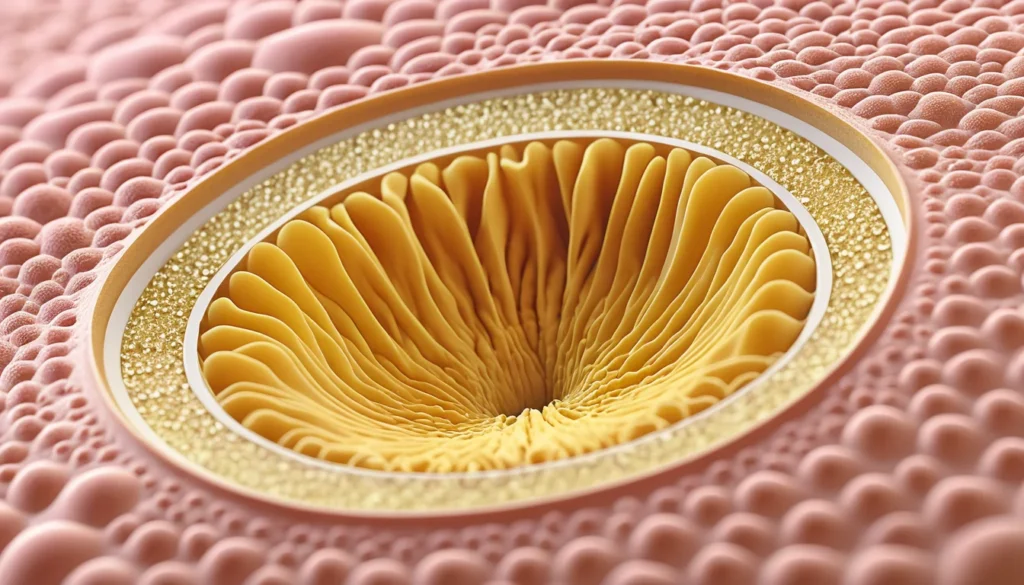
Keratin is the most important structural protein found in the epidermis — the outermost layer of your skin. Your body produces it constantly to keep your skin barrier strong and healthy. It also makes up the bulk of your fingernails, toenails, and hair strands.
Think of keratin as a natural armour. It shields your skin from bacteria, chemicals, heat, and physical damage. Without it, your body would be far more vulnerable to everyday environmental stress. In addition, keratin helps your skin retain moisture, which is key to keeping it soft and healthy.
According to Healthline’s overview of keratin, this protein is made up of a tough chain of amino acids. These chains bond tightly together, forming a resilient and water-resistant structure. That is what makes keratin so effective as a protective barrier.
How Keratin Builds Up in Your Skin
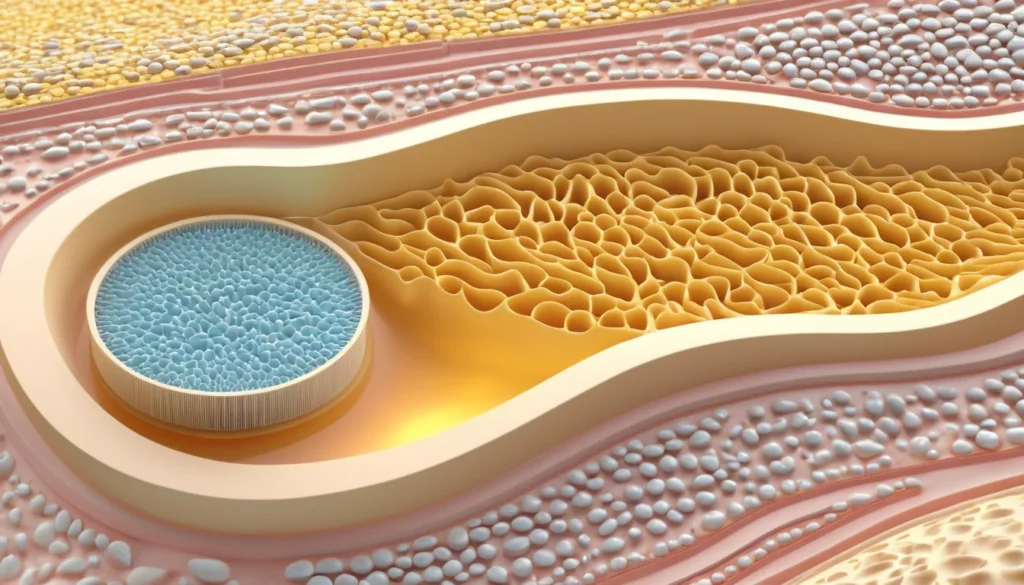
Your skin constantly sheds old cells and replaces them with new ones. This process is called cell turnover. Keratin plays a central role in this cycle. As skin cells move toward the surface, they fill up with keratin, flatten out, and eventually die and flake away.
Normally, this process runs smoothly and you never notice it. However, sometimes the cycle breaks down. Keratin can accumulate too quickly or not shed properly. As a result, the skin becomes thickened, rough, or discoloured in patches.
This abnormal build-up can happen for many reasons. Genetics, sun exposure, viral infections, and chronic friction are all common triggers. Furthermore, certain medical conditions can disrupt the normal keratinization process at a deeper level.
The Role of the Stratum Corneum
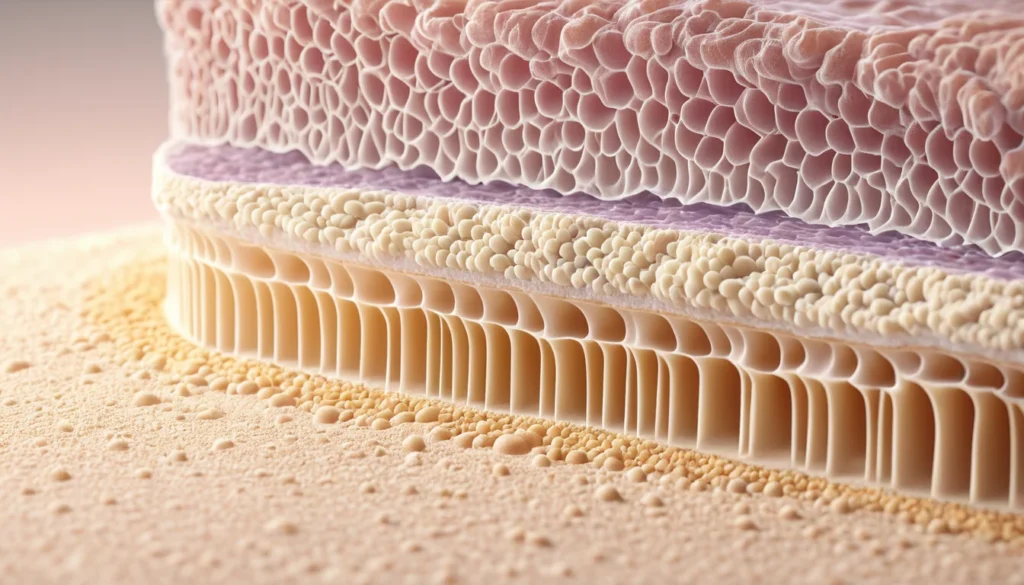
The stratum corneum is the very top layer of your epidermis. It is made almost entirely of dead, keratin-filled cells. This layer acts as the skin’s first line of defence. When the stratum corneum becomes abnormally thick, you may notice grey, hard, or rough patches on the skin’s surface.
These thickened patches can feel unpleasant to the touch. They may also look different from the skin around them. In some cases, they cause discomfort or pain, especially on weight-bearing areas like the feet.
Common Skin Conditions Related to Keratin
Several common skin conditions involve abnormal keratin production or build-up. These are broadly grouped under two categories: keratoses and dyskeratoses. Understanding the difference can help you describe your symptoms more clearly to your doctor.
Keratoses: Thickened Skin Patches
Keratoses are conditions where the stratum corneum becomes abnormally thickened. The skin appears grey, hardened, and rough. Common examples include corns and warts. These conditions are very common and affect millions of Canadians.
Corns typically form on the feet and toes due to repeated pressure or friction. They have a hard, concentrated centre surrounded by inflamed skin. Warts, on the other hand, are caused by the human papillomavirus (HPV) and can appear anywhere on the body. Both conditions involve a build-up of keratin, but they have different causes and treatments.
For example, seborrhoeic keratosis is another very common type. It appears as a waxy, slightly raised patch on the skin. It is benign — meaning it is not cancerous — but it can sometimes look alarming. Your family doctor can usually identify it quickly during a routine check-up.
Dyskeratoses: When Keratin Develops Abnormally
Dyskeratoses are more complex. In these conditions, keratin does not just build up — it actually develops in an abnormal way. This disrupts local skin functions and can affect how skin cells communicate and grow.
Dyskeratoses vary widely in their nature and appearance. Some are linked to viral infections. Others may be associated with pre-cancerous or cancerous changes in the skin. Therefore, it is important to have any unusual skin change assessed by a healthcare provider promptly.
According to the Mayo Clinic’s guide to keratosis pilaris, some forms of abnormal keratin build-up are entirely harmless. Others, however, require medical attention and treatment.
Keratolytic Treatments: Breaking Down Excess Keratin
When keratin builds up too much, doctors may recommend a type of treatment called a keratolytic. Keratolytic medications or products work by softening and breaking down the thickened keratin layer. This helps restore smoother, healthier-looking skin.
Keratolytics are available in several forms. These include creams, gels, lotions, and medicated patches. Some are available over the counter at your local pharmacy. Others require a prescription from your doctor.
Common Keratolytic Ingredients
Several well-known ingredients have keratolytic properties. These include:
Salicylic acid — commonly used to treat warts, corns, and calluses
Urea — found in many moisturising creams, helps soften and shed thickened skin
Alpha hydroxy acids (AHAs) — such as lactic acid and glycolic acid, used for general skin smoothing
Retinoids — derived from vitamin A, often prescribed for more stubborn keratosis conditions
However, not all keratolytics are right for everyone. Your skin type, the location of the affected area, and the underlying cause all matter. Always read product labels carefully. If you are unsure, ask your pharmacist or family doctor before starting any new skin treatment.
How to Use Keratolytic Products Safely
Most over-the-counter keratolytics are safe when used as directed. However, they can cause irritation, redness, or peeling if overused. Apply them only to the affected area. Avoid broken or inflamed skin. Furthermore, protect treated areas from direct sun exposure, as skin can become more sensitive to UV rays during treatment.
If you have diabetes or poor circulation, be especially cautious with keratolytic foot treatments. Even minor skin irritation on the feet can lead to complications. In these cases, it is best to consult a healthcare provider before trying any keratolytic product.
Keratin and Your Hair and Nails
Keratin does not only affect your skin. It is also the primary building block of your hair and nails. When your body does not produce enough healthy keratin, your hair may become brittle, dull, or prone to breakage. Your nails may become weak, ridged, or discoloured.
Certain nutritional deficiencies can affect keratin production. Low levels of protein, biotin, zinc, or iron are often linked to poor hair and nail quality. Eating a balanced diet rich in these nutrients supports healthy keratin production throughout your body.
You may have heard of salon keratin treatments for hair. These apply a coating of liquid keratin to smooth and strengthen hair fibres. However, some of these treatments contain formaldehyde, a chemical that can be harmful when inhaled. Health Canada’s cosmetic safety guidelines advise consumers to check product labels carefully and ensure proper ventilation during any hair treatment.
Supporting Keratin Health Through Diet
Your body needs the right raw materials to make keratin. A diet rich in protein is essential. Good sources include eggs, fish, chicken, legumes, and dairy products. In addition, foods high in biotin — such as almonds, sweet potatoes, and eggs — support keratin synthesis directly.
Antioxidant-rich foods also help. Vitamins A and C support healthy skin cell turnover. Therefore, eating a colourful variety of fruits and vegetables is a simple but effective way to keep your skin, hair, and nails in good shape. Most Canadians can meet these needs through a well-balanced diet without requiring supplements.
When to See a Doctor
Many keratin-related skin changes are harmless and easy to manage at home. However, some signs suggest you should get a professional opinion. Do not ignore skin changes that are growing quickly, bleeding, changing colour, or causing significant pain.
You should also see a doctor if over-the-counter treatments are not working after a few weeks. Furthermore, any rough or thickened patch of skin that looks unusual deserves a closer look. Some dyskeratoses can be early signs of skin conditions that respond best to early treatment.
In Canada, you have several options for getting care. Your family doctor is always a great first step. If you do not have one, a walk-in clinic can assess most skin concerns quickly. For more complex or persistent conditions, your doctor may refer you to a dermatologist — a skin specialist. Most provincial health plans cover these referrals, though wait times can vary by province.
As always, this article is for general information only. Please consult your family doctor or a qualified healthcare provider before starting any new treatment or if you have concerns about your skin.
Frequently Asked Questions About Keratin
What does keratin do for your skin?
Keratin is a protective protein that forms the outer layer of your skin. It acts as a barrier against bacteria, chemicals, and physical damage. Without enough healthy keratin, your skin becomes more vulnerable to irritation and infection.
What causes too much keratin to build up on the skin?
Excess keratin can build up due to genetics, repeated friction, sun damage, or viral infections like HPV. Some medical conditions also disrupt the normal keratin production cycle. As a result, the skin becomes thickened, rough, and sometimes discoloured.
Are keratin build-up conditions dangerous?
Most keratin build-up conditions, such as corns or keratosis pilaris, are harmless. However, some abnormal keratin changes can be linked to pre-cancerous or cancerous skin conditions. It is important to have any unusual or rapidly changing skin patch checked by a doctor.
What is a keratolytic and how does it treat keratin build-up?
A keratolytic is a medication or ingredient that softens and breaks down thickened keratin on the skin’s surface. Common keratolytics include salicylic acid and urea. They are available in creams, gels, and patches, and are used to treat conditions like warts, corns, and rough skin patches.
Can diet affect keratin production in the body?
Yes, your diet plays an important role in how well your body produces keratin. Protein, biotin, zinc, and vitamins A and C are all key nutrients that support healthy keratin synthesis. Eating a balanced, varied diet is one of the best ways to support your skin, hair, and nails.
Are salon keratin hair treatments safe?
Some salon keratin treatments are safe, but others contain formaldehyde, which can be harmful when inhaled in large amounts. Health Canada recommends checking product ingredients carefully and ensuring good ventilation during any hair treatment. If you have concerns, speak with your hairstylist or pharmacist before proceeding.
Key Takeaways
Keratin is a natural protein that protects your skin, hair, and nails.
When keratin builds up abnormally, it can cause conditions like corns, warts, and keratosis.
Dyskeratoses are more complex keratin disorders that can vary from viral to potentially cancerous in nature.
Keratolytic treatments — including salicylic acid and urea — help break down and remove excess keratin.
A balanced diet rich in protein, biotin, and vitamins supports healthy keratin production.
Most provincial health plans cover visits to your family doctor or walk-in clinic for skin concerns.
Always consult a healthcare provider if a skin change looks unusual, grows quickly, or does not respond to over-the-counter treatment.