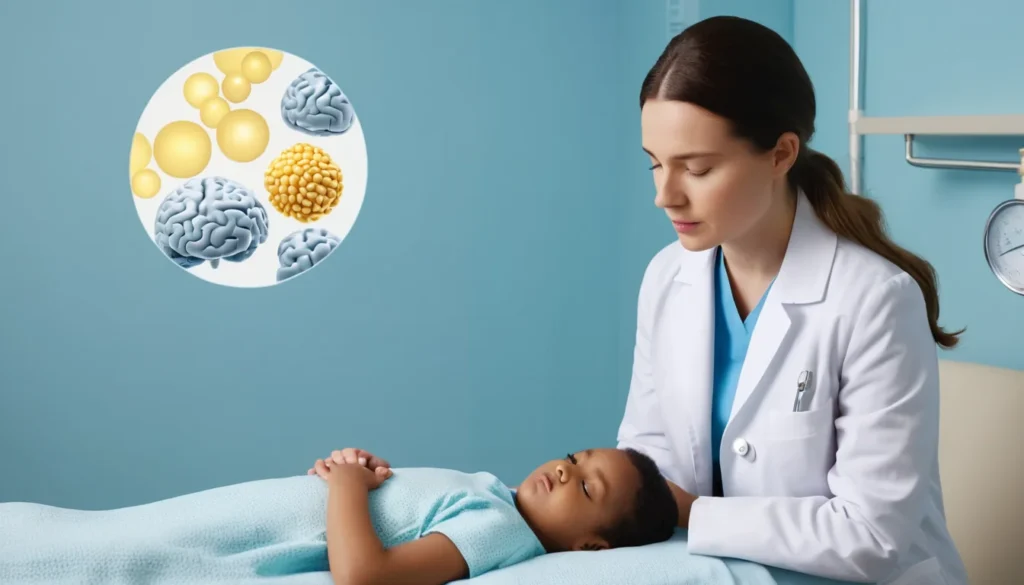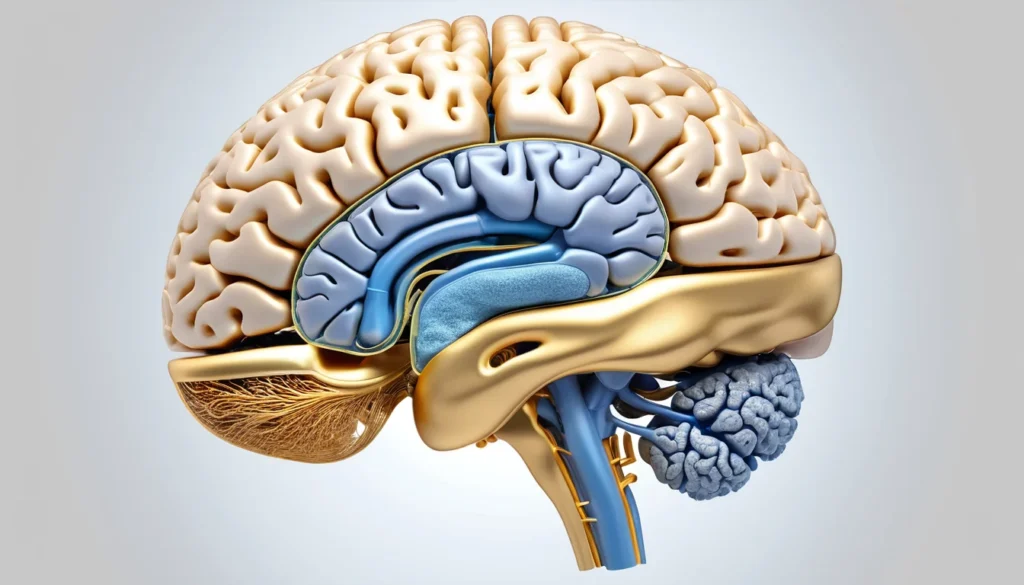
Kallmann syndrome is a rare genetic condition that causes delayed or absent puberty and a reduced or missing sense of smell. It affects both males and females, though males are more commonly diagnosed. In Canada, this condition is often first noticed during the teenage years, when expected signs of puberty do not appear. This article explains what Kallmann syndrome is, how it is inherited, what symptoms to watch for, and when to speak with your family doctor or visit a walk-in clinic.
What Is Kallmann Syndrome?
Kallmann syndrome is a form of a condition called hypogonadotropic hypogonadism. This means the body does not produce enough of the hormones needed to trigger normal sexual development. The brain does not send the right signals to the reproductive organs, so puberty either starts very late or does not happen at all.
The condition is present from birth. However, it is usually not identified until a child reaches the age when puberty should begin — typically between ages 10 and 14. According to Mayo Clinic, delayed puberty can have several causes, and a proper diagnosis requires medical testing.
What makes Kallmann syndrome different from other forms of hypogonadotropic hypogonadism is the effect on smell. Most people with this condition have a reduced sense of smell or no sense of smell at all. This is called anosmia. Many people are not even aware they cannot smell properly until a doctor tests them.
Symptoms of Kallmann Syndrome
The symptoms of Kallmann syndrome can vary quite a bit, even among members of the same family. Some people have mild symptoms, while others are more significantly affected. However, the two main features are almost always present: absent or delayed puberty, and a reduced or missing sense of smell.
Signs in Males
Males with Kallmann syndrome may be born with underdeveloped genitals, sometimes called micropenis. The testicles may not have descended into the scrotum, a condition known as undescended testicles. At the age when puberty should begin, boys may not develop facial hair, a deeper voice, or muscle growth. These are all signs that the body is not producing enough sex hormones.
Signs in Females
In females, the most common sign is the absence of menstruation by age 16, known as primary amenorrhoea. Breast development may be minimal or absent. Like males, females with Kallmann syndrome do not go through the usual hormonal changes of puberty. This can be confusing and emotionally difficult for young people and their families.
Other Possible Symptoms
In addition to puberty and smell problems, some people with Kallmann syndrome have other features. These can include:
A cleft lip or cleft palate (an opening in the lip or roof of the mouth)
Abnormal eye movements
Hearing loss
Dental abnormalities
A missing or underdeveloped kidney (called unilateral renal agenesis)
Not everyone with Kallmann syndrome will have all of these features. Some people may only have the core symptoms of delayed puberty and reduced smell. However, these additional signs can help doctors confirm a diagnosis.
The Role of Smell in Kallmann Syndrome
The connection between smell and puberty may seem surprising. However, it makes more sense when you understand how the condition develops in the womb. During foetal development, certain nerve cells that control the release of reproductive hormones travel from the nose to the brain. In Kallmann syndrome, this process does not happen correctly.
As a result, both the sense of smell and the hormonal signals for puberty are affected at the same time. This is why reduced smell — or complete anosmia — is such an important clue in diagnosing Kallmann syndrome. In fact, this distinguishes it from other forms of hypogonadotropic hypogonadism, which do not affect smell at all.
Interestingly, many people with Kallmann syndrome do not realise they have a problem with their sense of smell. They have never experienced normal smell, so they have nothing to compare it to. Formal smell testing by a healthcare provider is often needed to identify this symptom. Healthline explains more about anosmia and its causes.
Genetic Causes of Kallmann Syndrome
Kallmann syndrome is caused by changes, or mutations, in certain genes. Researchers have identified several genetic types of the condition. Each type is caused by a different gene mutation, and they can be inherited in different ways. Understanding the genetics helps doctors advise families about the risk of passing the condition on to future children.
X-Linked Inheritance (Kallmann Syndrome Type 1)
The first type of Kallmann syndrome is caused by a mutation in the KAL1 gene. This gene is found on the X chromosome, which is one of the two sex chromosomes. Males have only one X chromosome, so a single mutation in this gene is enough to cause the condition. Females have two X chromosomes, so they would need mutations in both copies of the gene to be affected.
This is why males are more often affected by this type. A father cannot pass an X-linked trait to his sons, since sons inherit the Y chromosome from their father. Mothers who carry one mutated copy of the gene may not show symptoms themselves, but they can pass the condition to their sons.
Autosomal Dominant Inheritance
Some forms of Kallmann syndrome follow an autosomal dominant pattern. This means that a mutation in just one copy of the relevant gene — in any of the non-sex chromosomes — is enough to cause the condition. A person affected in this way has a 50% chance of passing the mutation on to each of their children.
In some cases, the mutation is inherited from an affected parent. In other cases, it appears for the first time in a child with no family history of the condition. These are called de novo mutations, meaning they are new and were not inherited from either parent.
Autosomal Recessive Inheritance
In autosomal recessive forms of Kallmann syndrome, a person must inherit a mutated copy of the gene from both parents to develop the condition. Parents who each carry one mutated copy usually have no symptoms themselves. Therefore, families may have no known history of the condition before a child is diagnosed.
This pattern of inheritance can make Kallmann syndrome harder to predict or identify in advance. Genetic counselling can be very helpful for families who want to understand their risk. Many Canadian provinces offer access to genetic counselling through referrals from a family doctor or specialist.
How Is Kallmann Syndrome Diagnosed?
Diagnosing Kallmann syndrome usually involves a combination of physical examination, blood tests, imaging, and smell testing. A family doctor may first notice signs during a routine check-up when a teenager has not yet entered puberty. The doctor may then refer the patient to an endocrinologist — a specialist in hormonal conditions.
Blood tests measure the levels of reproductive hormones such as LH (luteinising hormone), FSH (follicle-stimulating hormone), and testosterone or oestrogen. In Kallmann syndrome, these levels are typically very low. Imaging tests such as an MRI may be used to look at the brain and assess the olfactory (smell) nerves.
Genetic testing can confirm the specific type of Kallmann syndrome. However, not all cases have an identified genetic cause. In Canada, your family doctor can coordinate testing and referrals through the provincial health plan. Health Canada provides guidance on accessing specialist care in your province.
Treatment Options for Kallmann Syndrome
Kallmann syndrome cannot be cured, but its effects can be managed effectively with treatment. The main goal of treatment is to replace the hormones the body is not producing on its own. This helps trigger puberty and supports normal sexual development.
For both males and females, hormone replacement therapy (HRT) is the standard approach. In males, testosterone therapy helps develop secondary sex characteristics such as facial hair, muscle growth, and a deeper voice. In females, oestrogen and progesterone therapy can trigger breast development and menstruation.
For people who wish to have children in the future, fertility treatments are available. These involve hormonal injections that stimulate the reproductive organs more directly. Many people with Kallmann syndrome are able to have biological children with appropriate medical support.
The sense of smell does not usually improve with hormone treatment. However, some people do experience a partial recovery of smell over time, particularly with certain types of the condition. Your endocrinologist or specialist will guide you through the options that are right for your situation.
When to See a Doctor
If your child is approaching their mid-teens and has not yet started puberty, it is important to speak with your family doctor. Delayed puberty does not always mean Kallmann syndrome — there can be many reasons — but it should always be investigated. Your doctor can order initial tests and refer your child to a specialist if needed.
You do not need to wait for a specialist appointment to get started. A walk-in clinic can do an initial assessment and order basic hormone blood tests. However, for an ongoing diagnosis and treatment plan, a referral to a paediatric endocrinologist through your provincial health plan is the best path forward.
If your child has a combination of delayed puberty and a reduced sense of smell, mention both symptoms to the doctor. Together, these two signs are a strong indicator of Kallmann syndrome and will help your doctor make a faster, more accurate diagnosis. As always, consult your doctor before drawing any conclusions — only a qualified healthcare professional can make a proper diagnosis.
Frequently Asked Questions About Kallmann Syndrome
What is Kallmann syndrome in simple terms?
Kallmann syndrome is a rare genetic condition that prevents normal puberty from happening and also reduces or eliminates the sense of smell. It occurs because the brain does not send the right hormonal signals to the reproductive organs. With proper medical treatment, most people with Kallmann syndrome can develop normal secondary sex characteristics.
Is Kallmann syndrome more common in males or females?
Kallmann syndrome affects males more often than females, with estimates suggesting it occurs in about 1 in 10,000 males and 1 in 50,000 females. This is partly because one of the most common forms is inherited through the X chromosome, making males more vulnerable. However, Kallmann syndrome can and does occur in females as well.
Can people with Kallmann syndrome have children?
Yes, many people with Kallmann syndrome can have biological children with the help of fertility treatments. Hormone injections can stimulate the ovaries or testes to produce eggs or sperm. A reproductive endocrinologist can guide individuals and couples through the fertility options available to them.
How is Kallmann syndrome diagnosed in Canada?
In Canada, a diagnosis typically starts with your family doctor, who can order hormone blood tests and refer you to a paediatric or adult endocrinologist. Smell testing, MRI imaging, and genetic testing may also be used to confirm the diagnosis. Most of these services are covered under provincial health plans with a valid referral.
Does Kallmann syndrome affect life expectancy?
Kallmann syndrome itself does not typically shorten life expectancy. However, untreated low hormone levels can lead to bone density loss and other long-term health risks over time. With appropriate hormone replacement therapy and regular medical follow-up, people with Kallmann syndrome can live full and healthy lives.
Is Kallmann syndrome hereditary?
Yes, Kallmann syndrome is a genetic condition, and it can run in families. It can be inherited in several ways, including X-linked, autosomal dominant, and autosomal recessive patterns. In some cases, the genetic mutation appears for the first time in a child with no family history of the condition, which is known as a de novo mutation.
Key Takeaways
Kallmann syndrome is a rare genetic condition that causes delayed or absent puberty along with a reduced or absent sense of smell.
It is a form of hypogonadotropic hypogonadism, meaning the brain does not signal the body to produce enough sex hormones.
Males are more commonly affected than females, though the condition occurs in both sexes.
Symptoms can include undescended testicles or absent menstruation, lack of secondary sex characteristics, and anosmia (inability to smell).
The condition can be inherited in several different genetic patterns, or it can arise from a new mutation with no family history.
Treatment with hormone replacement therapy is effective and can trigger normal sexual development.
Many people with Kallmann syndrome are able to have children with medical support.
If you are concerned about delayed puberty in your child, speak with your family doctor or visit a walk-in clinic as a first step.