Juvenile migraine in children is one of the most common neurological conditions seen in Canadian paediatric care. Studies show that between 5 and 10 percent of school-age children experience migraines — and that number rises significantly during the teen years. As a parent or caregiver, understanding the symptoms, triggers, and treatment options can make a real difference in your child’s quality of life. This guide breaks down everything you need to know, in plain language.
What Is Juvenile Migraine in Children?
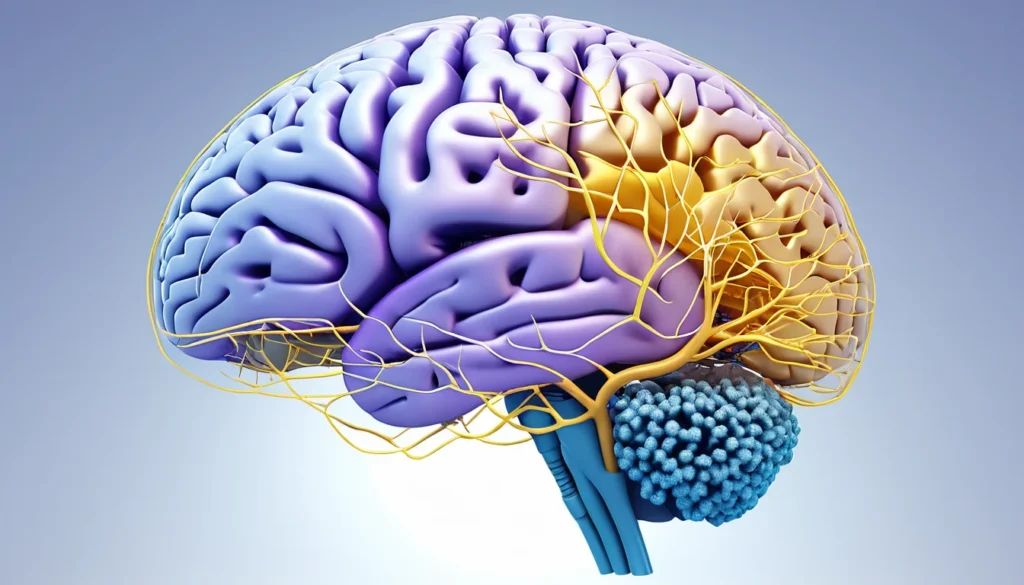
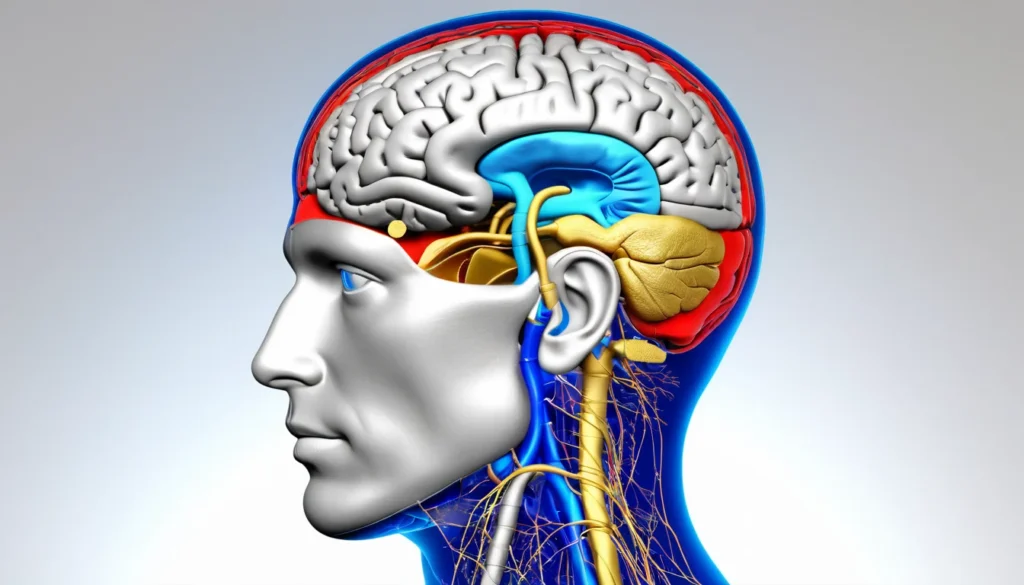
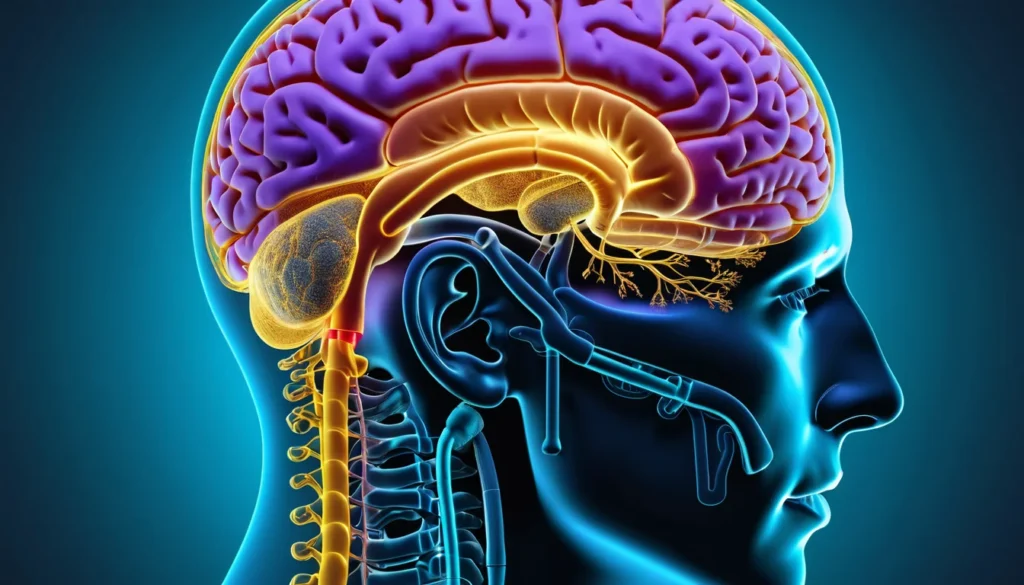
A migraine is not just a bad headache. It is a neurological syndrome — meaning it involves the nervous system and causes a wide range of symptoms beyond head pain.
In children, juvenile migraine typically includes some or all of the following:
Headache — often throbbing or pulsating in nature
Nausea and vomiting
Photophobia — sensitivity to light
Phonophobia — sensitivity to sound
Osmophobia — sensitivity to strong smells
The pain in children is often felt around the eyes, forehead, or temples. Unlike adults, children frequently experience pain on both sides of the head rather than just one side. The child may look pale, seem exhausted, and feel much better after sleeping.
For more on how migraines are classified medically, see the World Health Organization’s overview of headache disorders.
How Common Are Migraines in Canadian Children?
Migraines are more common in children than many parents realise. Research shows that migraines affect between 5 and 10 percent of school-age children in Canada and around the world.
Of those children, about 20 percent had their first migraine attack before age five. The rate increases steadily as children grow older, peaking in adulthood around age 44.
Does Sex Play a Role?
Yes — but it depends on age. Before age seven, boys and girls are affected at roughly equal rates. However, after puberty begins, the pattern shifts significantly.
In adolescence and young adulthood, about 20 to 30 percent of females experience migraines, compared to 10 to 20 percent of males. This difference appears to be linked to hormonal changes, particularly the onset of menstruation. After age 50, migraine frequency tends to decrease in both sexes.
How Often Do Attacks Happen?
The average child with migraines experiences about 1.5 attacks per month. Most attacks last fewer than 24 hours. However, in about 20 percent of cases, an attack can last two to four days.
Many children also experience spontaneous remission — meaning the migraines simply stop on their own over time, without any clear explanation.
Recognising the Symptoms by Age Group
Symptoms of juvenile migraine in children can look very different depending on the child’s age. Knowing what to watch for at each stage helps you act quickly.
Toddlers and Preschoolers (Under 5)
Very young children cannot describe their pain in words. Instead, they may become unusually irritable, cry more than normal, or seem restless. They often seek out dark, quiet spaces and want to sleep.
Physical signs in this age group can include paleness, abdominal pain, and vomiting. If your toddler regularly shows these signs together, it is worth speaking with your family doctor.
Children Ages 5 to 10
Children in this age range can often tell you their head hurts. Common symptoms include headache, nausea, stomach cramps, vomiting, and extreme tiredness. Most children in this group fall asleep within the first hour of an attack.
You may also notice facial pallor, dark circles under the eyes, nasal congestion, heavy sweating, frequent urination, and diarrhoea during an attack. These accompanying signs are part of the body’s automatic nervous system response.
Older Children and Teens
Older children are more likely to experience one-sided headaches, similar to adult migraines. Some also experience an aura — a short-term visual or sensory disturbance that happens before the headache begins.
Aura symptoms can include blurred vision, blind spots (scotomas), or temporary weakness on one side of the body. Importantly, aura before age eight is rare. Around 65 percent of children with migraines have migraine without aura, while 18 percent have migraine with aura.
What Triggers Juvenile Migraine in Children?
Triggers are things that can set off a migraine attack. Identifying your child’s personal triggers is one of the most effective ways to reduce how often attacks happen.
Common triggers in children include:
Lack of sleep or irregular sleep patterns
Skipping meals or not drinking enough water
Stress — from school, social situations, or family changes
Bright lights or screens
Loud noises or strong smells
Weather changes — common in many Canadian regions
Physical activity in some cases
There is also a strong genetic component. Children whose parents have migraines are more likely to develop them. In fact, migraines that start after minor trigger exposure often suggest a genetic predisposition.
For a thorough breakdown of migraine triggers, the Mayo Clinic’s migraine resource is an excellent reference.
Early Warning Signs and Migraine Precursors
Specialists have identified a group of conditions in young children that may be early signs of migraine, sometimes called migraine precursors. These include:
Cyclic vomiting — recurring episodes of severe vomiting with no clear cause
Paroxysmal torticollis — sudden, brief episodes of the neck twisting to one side
Transient global amnesia — temporary memory loss without other neurological issues
Benign paroxysmal vertigo — sudden dizziness or spinning sensation in young children
If your child has any of these conditions, mention them to your family doctor. They may be an early indicator that migraine management should begin sooner rather than later.
How Migraines Affect Children’s Daily Life
Juvenile migraine in children is not simply a physical issue — it affects every part of a child’s life. Between 65 and 80 percent of children with migraines must stop their normal activities during an attack.
Migraines are a leading cause of school absence and poor academic performance. Children who miss school frequently because of pain may fall behind socially and academically.
Furthermore, children with recurring migraines have a higher risk of developing anxiety, depression, or panic attacks. The unpredictable nature of migraine attacks can make children feel anxious about when the next one will strike.
Recognising and treating migraines early can significantly improve a child’s overall wellbeing, school performance, and social life.
Diagnosing Childhood Migraine
There is no single test for migraine. A doctor diagnoses it by looking at the pattern of symptoms over time. Your child’s doctor will look for:
Recurring episodes of severe headache
Periods between attacks when the child feels completely well
Symptoms that improve with sleep
Associated symptoms like nausea, light sensitivity, or vomiting
It is important that other serious conditions are ruled out first. These include meningitis, brain haemorrhage, or space-occupying lesions inside the skull. Your doctor will determine whether any further tests, such as imaging, are needed based on the specific symptoms.
Treatment Options for Juvenile Migraine
Treatment for juvenile migraine in children focuses on three main goals: identifying and avoiding triggers, relieving pain during an attack, and treating any underlying cause.
During an Attack
Encourage your child to rest in a quiet, dark room as soon as symptoms begin. Sleep is one of the most effective natural relievers of migraine pain in children. Over-the-counter pain relievers such as acetaminophen or ibuprofen may help — but always follow the correct dosage for your child’s age and weight, and consult your pharmacist or doctor.
Preventive Strategies
If your child has frequent attacks, their doctor may discuss preventive treatment. This can include lifestyle adjustments, such as maintaining regular sleep and meal schedules, staying hydrated, and managing stress. In some cases, prescription medications may be recommended.
Keeping a migraine diary is very helpful. Record when attacks happen, how long they last, and what was happening beforehand. This helps both you and your doctor identify patterns and triggers. Learn more about managing migraines at Healthline’s guide to migraines in children.
When to See a Doctor
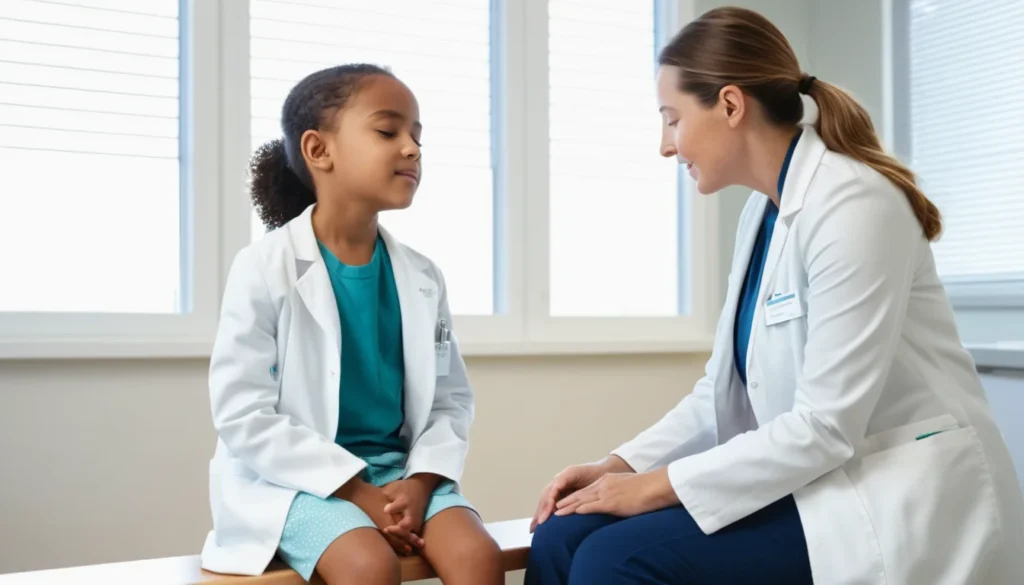
You should speak with your family doctor or visit a walk-in clinic if your child has recurring headaches that are disrupting their daily life. Most provincial health plans in Canada cover visits to a family doctor or paediatrician for this type of concern — no referral is required in most provinces to start the conversation.
Seek emergency care immediately if your child experiences any of the following:
A sudden, extremely severe headache — described as “the worst headache of their life”
Headache with fever, stiff neck, or rash
Headache following a head injury
Confusion, vision loss, or difficulty speaking
Weakness or numbness on one side of the body
Headache that steadily worsens over days or weeks
These symptoms can signal a serious medical emergency and require immediate evaluation. Always trust your instincts as a parent — if something feels wrong, get help right away.
This article is for informational purposes only and is not a substitute for professional medical advice. Always consult your family doctor or a qualified healthcare provider about your child’s specific health needs.
Frequently Asked Questions About Juvenile Migraine in Children
What age does juvenile migraine in children usually start?
Juvenile migraine in children can begin as early as age two or three, though most cases are identified between ages five and ten. About 20 percent of children with migraines experience their first attack before age five. Symptoms often change and may improve as the child grows older.
How is childhood migraine different from a regular headache?
A regular headache typically causes mild to moderate pain and goes away on its own with rest or a mild pain reliever. Childhood migraine, by contrast, is a neurological condition that causes severe, recurring pain alongside symptoms like nausea, vomiting, and extreme sensitivity to light and sound. Migraines also follow a recognisable pattern of attacks separated by symptom-free periods.
Can children outgrow migraines?
Yes, many children do experience spontaneous remission — meaning their migraines stop on their own without treatment. However, this is not guaranteed, and some children continue to have migraines into adulthood. Early diagnosis and proper management can significantly reduce the impact of migraines on a child’s life in the meantime.
Are migraines in children hereditary?
There is a strong genetic link with juvenile migraine in children. If one or both parents have migraines, their child has a significantly higher chance of developing them too. Children with a family history of migraine may also be more sensitive to minor triggers that would not cause a headache in other children.
What should I give my child for migraine pain?
Over-the-counter medications like acetaminophen or ibuprofen are often used to manage migraine pain in children when given at the correct dose for the child’s age and weight. However, you should always consult your family doctor or pharmacist before starting any treatment. Overuse of pain relievers can sometimes lead to medication-overuse headaches, so professional guidance is important.
Should I take my child to the emergency room for a migraine?
Most migraine attacks in children can be managed at home with rest and appropriate pain relief. However, you should go to the emergency room if your child has a sudden, extremely severe headache, headache with fever or stiff neck, significant confusion, vision changes, or weakness on one side of the body. These symptoms may indicate a serious condition that needs immediate medical attention.
Key Takeaways
Juvenile migraine in children affects 5 to 10 percent of school-age children in Canada. Symptoms go beyond headache and include nausea, light sensitivity, sound sensitivity, and vomiting. Symptoms vary by age — very young children may show irritability and vomiting rather than describing head pain. There is a strong genetic component — migraines often run in families. Common triggers include poor sleep, skipped meals, stress, bright lights, and strong smells. Migraines significantly affect school attendance, academic performance, and mental health. Most provincial health plans cover assessment by a family doctor or paediatrician