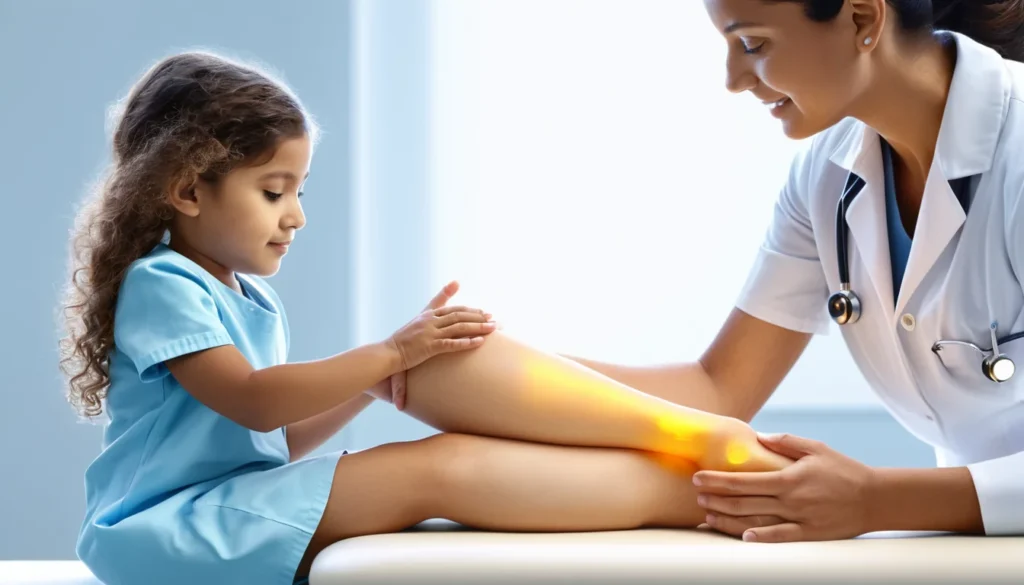
Juvenile idiopathic arthritis is the most common rheumatic disease affecting children in the western world, including Canada. It causes persistent joint pain, swelling, and stiffness in children under 16 years of age, and symptoms must last longer than six weeks before a formal diagnosis can be made. Understanding this condition early is essential to protecting your child’s joints, growth, and long-term quality of life.
How Is Juvenile Idiopathic Arthritis Diagnosed in Canada?
Across Canada, thousands of families navigate the challenges of childhood arthritis symptoms each year. JIA is not a single disease but rather a group of related inflammatory joint conditions that begin in childhood. The word “idiopathic” simply means that doctors have not identified one clear cause. Early recognition and prompt treatment can make a significant difference in outcomes for Canadian children living with this condition.
What Is Juvenile Idiopathic Arthritis?
Types of Juvenile Idiopathic Arthritis: Characteristics and Management
| Type of Juvenile Idiopathic Arthritis | Key Characteristics | Joints Affected | Management Approach |
|---|---|---|---|
| Oligoarticular JIA | Most common type; affects 4 or fewer joints in the first 6 months; risk of uveitis (eye inflammation) | Knees, ankles, wrists | NSAIDs, intra-articular corticosteroid injections, regular eye screenings |
| Polyarticular JIA (RF-negative) | Affects 5 or more joints; milder course than RF-positive; can occur at any childhood age | Small joints of hands and feet, knees, hips, cervical spine | NSAIDs, methotrexate, biologic agents (e.g., etanercept) |
| Polyarticular JIA (RF-positive) | Similar to adult rheumatoid arthritis; more aggressive and erosive disease course | Small joints of hands and feet, wrists, knees | Methotrexate, biologic DMARDs, occupational and physical therapy |
| Systemic JIA | Involves systemic features including high spiking fevers, salmon-pink rash, and internal organ involvement | Multiple joints; knees, wrists, ankles commonly | NSAIDs, corticosteroids, IL-1 or IL-6 inhibitors (anakinra, tocilizumab) |
| Enthesitis-Related JIA | Inflammation at sites where tendons/ligaments attach to bone; associated with HLA-B27 gene | Lower limb joints, sacroiliac joints, spine | NSAIDs, sulfasalazine, TNF inhibitors, physiotherapy |
| Psoriatic JIA | Associated with psoriasis or family history of psoriasis; may present with dactylitis (swollen fingers/toes) | Small and large joints; often asymmetric distribution | NSAIDs, methotrexate, biologic agents, dermatology co-management |
Juvenile idiopathic arthritis is not a single disease. It is a group of related inflammatory joint conditions that all begin in childhood. The word “idiopathic” simply means doctors have not found one clear cause.
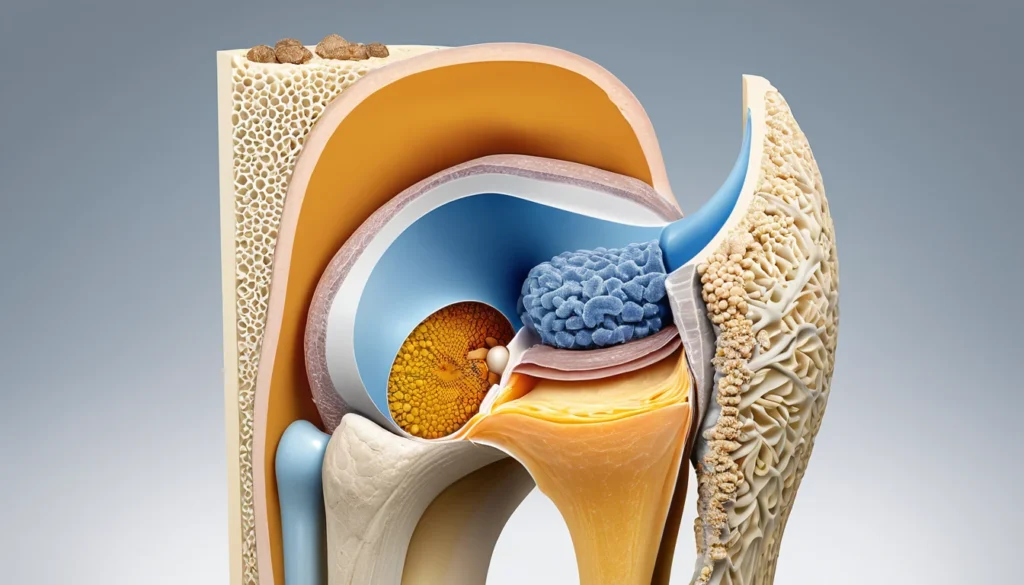
JIA affects the synovium — the tissue that lines the joints. When the synovium becomes inflamed, it causes pain, swelling, and warmth in the affected joint. Over time, this inflammation can damage cartilage and bone if left untreated.
According to research, juvenile idiopathic arthritis affects an estimated 1.6 to 23 new cases per 100,000 children each year, depending on the region and study method. Canadian children are not exempt from this range.
The Seven Types of Juvenile Idiopathic Arthritis
The International League of Associations for Rheumatology (ILAR) classifies JIA into seven distinct types. Each type has its own pattern of symptoms and long-term outlook. Knowing which type your child has helps guide the right treatment plan.
Oligoarthritis
Oligoarthritis affects four or fewer joints in the first six months of illness. It is the most common type of JIA. Large joints like the knees and ankles are most often involved.
Seronegative Polyarthritis
This type affects five or more joints and tests negative for rheumatoid factor. It can involve both large and small joints. Girls are more commonly diagnosed with this form.
Seropositive Polyarthritis
This type also affects five or more joints but tests positive for rheumatoid factor. It closely resembles adult rheumatoid arthritis. It tends to be more aggressive and harder to treat.
Systemic Arthritis
Systemic JIA affects the whole body, not just the joints. Children may develop high fevers, a salmon-coloured rash, and inflammation of internal organs. This type is sometimes called Still’s disease.
Psoriatic Arthritis
Psoriatic arthritis involves joint inflammation alongside psoriasis, a skin condition that causes red, scaly patches. Sometimes the arthritis appears before the skin symptoms. This makes early diagnosis more challenging.
Enthesitis-Related Arthritis
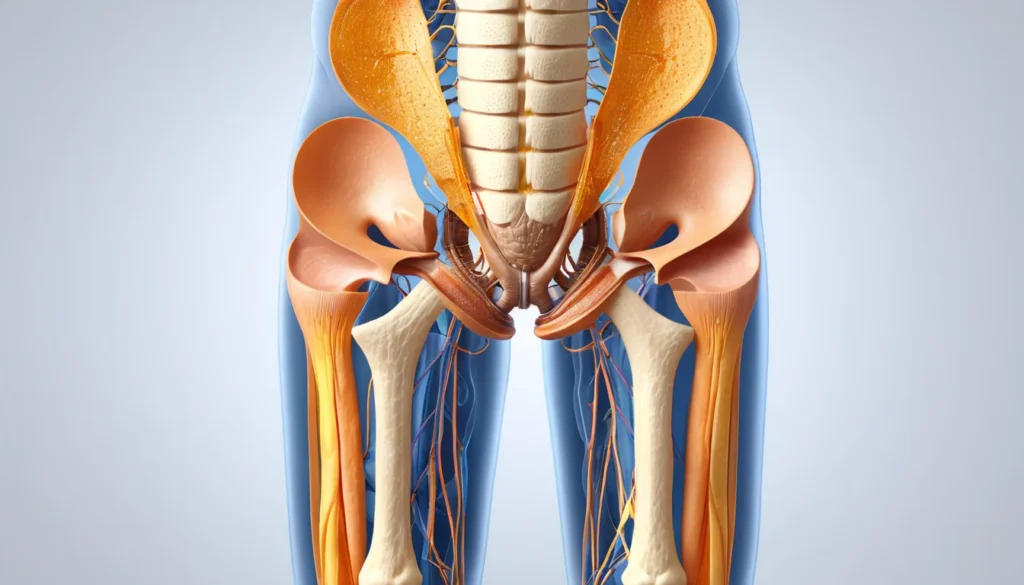
This type involves inflammation where tendons and ligaments attach to bone — a process called enthesitis. The hips, knees, and lower back are commonly affected. Boys are diagnosed with this form more often than girls.
Undifferentiated Arthritis
Some children have symptoms that do not fit neatly into any of the above six categories. These cases are classified as undifferentiated arthritis. They still require careful monitoring and treatment.
Common Symptoms of Juvenile Idiopathic Arthritis
Symptoms of juvenile idiopathic arthritis can vary depending on the type. However, some signs appear across almost all forms of the disease. Parents should watch for these warning signs, especially if they last more than a few weeks.
Joint pain and swelling — often in the knees, wrists, ankles, or fingers
Morning stiffness — joints feel stiff and hard to move for more than one hour after waking
Warmth and redness around an affected joint
Limping — especially noticeable in the morning or after sitting for a long time
Fatigue — children may seem unusually tired or irritable
Fever and rash — particularly in systemic JIA
Eye inflammation (uveitis) — this can occur with no obvious symptoms and may lead to vision loss if untreated
In addition to joint symptoms, JIA can affect bone growth. Some children develop unequal leg lengths or problems with bone density. These growth-related issues make early treatment especially important.
How JIA Affects Daily Life
Juvenile idiopathic arthritis is a leading cause of short- and long-term disability in children. It can limit a child’s ability to run, write, dress themselves, or take part in everyday activities at school.
Furthermore, the emotional impact of chronic pain should not be underestimated. Children with JIA may experience anxiety, low self-esteem, or social withdrawal. Family support and mental health resources play a key role in overall wellbeing.
In severe or poorly managed cases, joint damage can become permanent. Some young adults with JIA require joint replacement surgery earlier in life than the general population. This makes early diagnosis and consistent care critical.
How Is Juvenile Idiopathic Arthritis Diagnosed?
There is no single test to diagnose juvenile idiopathic arthritis. Doctors use a combination of methods to reach a diagnosis. The process often involves ruling out other conditions first.
Your child’s doctor may order blood tests to check for inflammation markers, rheumatoid factor, and anti-CCP antibodies. Imaging tests such as X-rays or MRI scans help show joint damage or swelling. An eye exam is also recommended, as some forms of JIA cause silent eye inflammation.
A referral to a paediatric rheumatologist is the standard of care in Canada. Most provincial health plans cover these specialist visits. Ask your family doctor for a referral if you are concerned about your child’s joint symptoms.
Treatment Options for Juvenile Idiopathic Arthritis
Treatment for JIA has improved greatly over the past two decades. The main goals are to reduce inflammation, relieve pain, prevent joint damage, and preserve your child’s ability to function and grow normally.
Medications
Non-steroidal anti-inflammatory drugs (NSAIDs), such as ibuprofen, are often the first step. They help reduce pain and swelling. However, they do not stop the disease from progressing on their own.
Disease-modifying antirheumatic drugs (DMARDs), such as methotrexate, are used when NSAIDs are not enough. These drugs slow the progression of joint damage. Biologic medications are a newer class of treatment that target specific parts of the immune system and have significantly improved outcomes for many children.
Health Canada regulates all medications used for juvenile idiopathic arthritis and provides guidance on approved treatments for children.
Physiotherapy and Occupational Therapy
Physiotherapy helps children maintain joint flexibility and muscle strength. Occupational therapy teaches children how to protect their joints during daily activities. Both are important parts of a complete JIA management programme.
Multidisciplinary Care
Managing JIA properly requires a team approach. Paediatric rheumatologists, physiotherapists, occupational therapists, ophthalmologists, and social workers all play a role. Many Canadian children’s hospitals have dedicated arthritis care centres that bring this team together.
In addition, psychosocial support for both the child and family is a key part of good care. Schools may also need to be involved to provide accommodations for affected children.
Understanding Rheumatoid Arthritis in Adults
Rheumatoid arthritis (RA) in adults shares some features with JIA but is a distinct condition. It is a systemic autoimmune disease that causes painful, swollen joints throughout the body. It affects roughly 0.24% of people worldwide.
In Canada, RA is more common in women than men. The risk increases with age, with the highest rate of new diagnoses occurring between ages 65 and 80. However, RA can develop at any age.
The immune system produces antibodies — including rheumatoid factor and anti-CCP antibodies — that mistakenly attack joint tissue. As a result, cartilage, bone, and ligaments gradually erode. This leads to deformity, instability, and loss of function over time.
Early symptoms of RA include morning stiffness lasting more than 30 minutes, swollen finger and wrist joints, and general fatigue. Inflammation tends to affect both sides of the body symmetrically. Small joints of the hands and feet are usually the first to be involved.
People with RA also face higher risks of serious infections, osteoporosis, cardiovascular disease, and certain cancers. Mayo Clinic notes that early treatment of rheumatoid arthritis significantly improves long-term outcomes and quality of life.
Early diagnosis and treatment — before structural joint damage occurs — gives patients the best chance at remission. Unfortunately, many Canadians reach a rheumatologist only after significant disability has already developed. This highlights the importance of acting quickly when symptoms first appear.
When to See a Doctor
You should speak with your family doctor if your child has joint pain, swelling, or stiffness that lasts longer than a few weeks. Do not wait to see if it goes away on its own. Early treatment leads to much better outcomes.
If you do not have a family doctor, a walk-in clinic can assess your child’s symptoms and provide a referral to a paediatric rheumatologist. Most provincial health plans cover specialist referrals for children with suspected inflammatory arthritis.
For adults experiencing morning stiffness, swollen joints, or persistent fatigue, a visit to your family doctor or walk-in clinic is the right first step. Your doctor can order blood tests and refer you to a rheumatologist if needed. The sooner treatment begins, the better the chance of preventing lasting joint damage.
Always speak with a qualified healthcare provider before starting, stopping, or changing any treatment plan. This article is for informational purposes only and does not replace professional medical advice.
Frequently Asked Questions About Juvenile Idiopathic Arthritis
What is juvenile idiopathic arthritis and who does it affect?
Juvenile idiopathic arthritis is a group of inflammatory joint diseases that affect children under 16 years of age. It is the most common rheumatic condition in children in Canada and other western countries. Symptoms must persist for at least six weeks before a diagnosis of juvenile idiopathic arthritis can be confirmed.
Can juvenile idiopathic arthritis go away on its own?
Some children with juvenile idiopathic arthritis do achieve remission, meaning symptoms disappear for an extended period. However, many children continue to have active disease into adulthood without treatment. Early medical care greatly improves the chances of remission and prevents permanent joint damage.
How is juvenile idiopathic arthritis different from adult rheumatoid arthritis?
Juvenile idiopathic arthritis begins before age 16 and includes several subtypes that do not all resemble adult rheumatoid arthritis. Some forms of JIA affect the eyes, skin, or internal organs in ways that are less common in adult RA. Treatment approaches are also tailored specifically for growing children.
What are the early warning signs of juvenile idiopathic arthritis in children?
Early signs of juvenile idiopathic arthritis include joint swelling, morning stiffness lasting more than one hour, and unexplained limping. Children may also seem more tired than usual or refuse to use an arm or leg. Parents who notice these symptoms should speak with their family doctor promptly.
Is juvenile idiopathic arthritis covered under Canadian provincial health plans?
Yes, diagnosis and specialist care for juvenile idiopathic arthritis are generally covered under provincial health plans across Canada. This includes visits to paediatric rheumatologists and related tests. Coverage for specific biologic medications may vary by province, so speak with your child’s specialist about available options.
What long-term complications can juvenile idiopathic arthritis cause?
According to Mayo Clinic’s guide to juvenile idiopathic arthritis, this information is supported by current medical research.
For more information, read our guide on iron deficiency anemia in children.
Without proper treatment, juvenile idiopathic arthritis can cause permanent joint damage, unequal limb growth, and vision loss from silent eye inflammation. Some young adults with severe JIA require joint replacement surgery earlier in life than most people. Regular follow-up with a rheumatology team helps reduce these risks significantly.
Key Takeaways
Juvenile idiopathic arthritis is the most common rheumatic disease in children and includes seven distinct subtypes.
Core symptoms include joint pain, swelling, and morning stiffness lasting more than one hour.
JIA can affect bone growth, eye health, and a child’s ability to take part in everyday activities.
Early diagnosis and treatment — before joint damage occurs — leads to the best long-term outcomes.
A multidisciplinary care team, including a paediatric rheumatologist, is the standard of care in Canada.
If your child shows signs of joint inflammation, speak with your family doctor or visit a walk-in clinic as soon as possible.
Adults with persistent joint pain and stiffness should also seek medical advice promptly, as early treatment of rheumatoid arthritis can prevent serious disability.
Frequently Asked Questions
What is juvenile idiopathic arthritis?
Juvenile idiopathic arthritis (JIA) is the most common type of chronic arthritis in children under 16. It causes persistent joint inflammation, pain, and stiffness lasting six weeks or longer. JIA is an autoimmune condition where the immune system mistakenly attacks healthy joint tissue. It affects thousands of Canadian children annually.
What are the symptoms of juvenile idiopathic arthritis in children?
Common symptoms of juvenile idiopathic arthritis include joint swelling, pain, warmth, and morning stiffness lasting over 30 minutes. Children may limp, avoid physical activity, or appear fatigued. Some forms cause fever, rash, or eye inflammation. Symptoms may flare and subside unpredictably, making early recognition important for proper diagnosis.
How is juvenile idiopathic arthritis treated in Canada?
Treatment includes anti-inflammatory medications like NSAIDs, disease-modifying drugs such as methotrexate, and biologic therapies targeting specific immune pathways. Physiotherapy and occupational therapy support joint function and mobility. Canadian rheumatologists create individualized treatment plans aiming to reduce inflammation, manage pain, and prevent long-term joint damage.
Can juvenile idiopathic arthritis be prevented?
Currently, juvenile idiopathic arthritis cannot be prevented, as its exact cause remains unknown. Genetic and environmental factors likely contribute. Early diagnosis and consistent treatment help prevent complications such as joint damage and vision loss from associated eye inflammation. Maintaining a healthy lifestyle may help manage symptoms effectively.
When should I take my child to see a doctor for joint pain?
See a doctor if your child experiences joint swelling, persistent pain, stiffness lasting more than a few weeks, or unexplained limping. Seek prompt medical attention for eye redness or vision changes, as JIA-related eye inflammation has no obvious symptoms. Early assessment by a Canadian pediatric rheumatologist improves long-term outcomes significantly.