Juvenile acne is one of the most common skin conditions affecting Canadian teenagers. It usually begins around puberty — often between ages 14 and 15 — and can range from mild breakouts to painful, deep cysts. Understanding what causes juvenile acne, what it looks like, and how to manage it can make a real difference in your teen’s confidence and skin health. This article covers everything you need to know, from the science behind breakouts to when it’s time to visit your family doctor or walk-in clinic.
What Is Juvenile Acne?
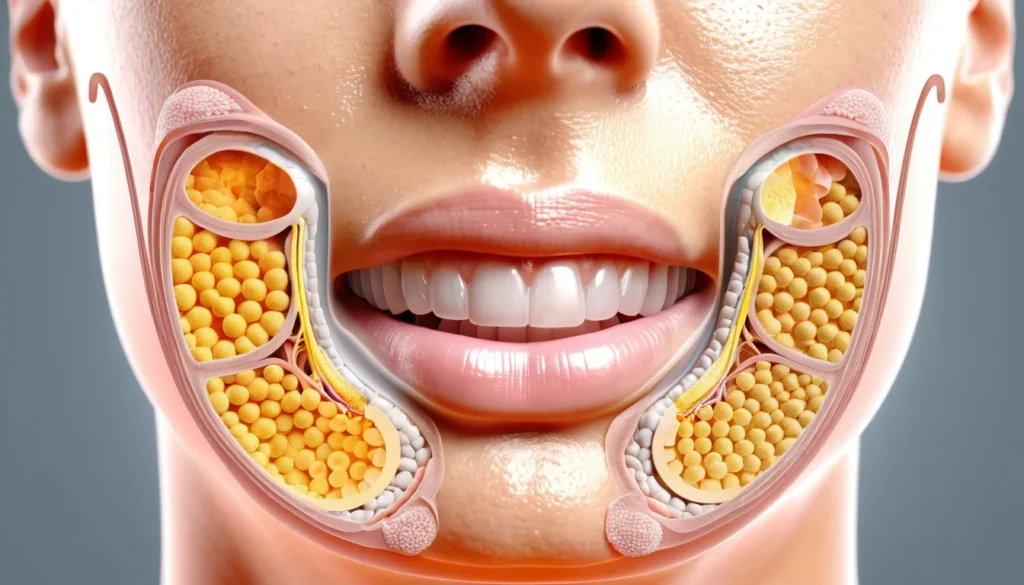
Juvenile acne is a skin condition that causes inflammation in the hair follicles and oil glands. These glands, called sebaceous glands, produce an oily substance known as sebum. When too much sebum builds up, it can clog pores and lead to breakouts.
The condition is extremely common. In fact, Health Canada recognizes acne as one of the most widespread skin concerns among adolescents in the country. Most teens will experience at least some form of acne during their adolescent years.
Juvenile acne tends to affect areas of the skin where sebaceous glands are most concentrated. These areas include the face, neck, chest, and back. The forehead, nose, and chin — often called the T-zone — are especially prone to breakouts.
What Causes Juvenile Acne?
The root cause of juvenile acne is hormonal change. During puberty, the body begins producing much larger amounts of hormones called androgens. These are sometimes called male sex hormones, but both boys and girls produce them.
Androgens signal the sebaceous glands to grow larger and produce more sebum. Estrogens, the female sex hormones, also play a role. Both types of hormones are produced by the adrenal glands, as well as the testes or ovaries, depending on the person.
How Excess Sebum Leads to Breakouts
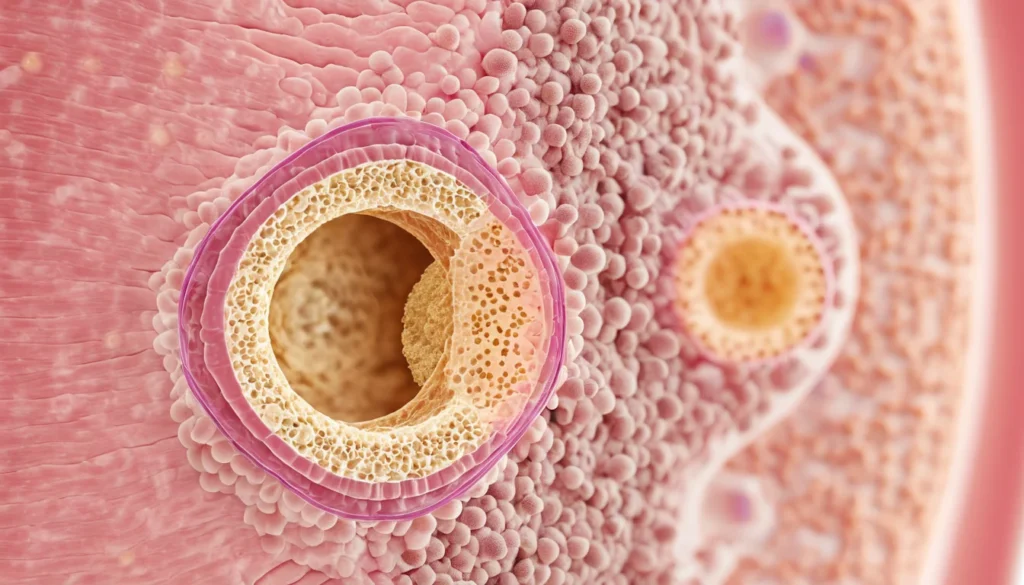
When the skin produces too much sebum, that oil can mix with dead skin cells inside a hair follicle. This creates a plug that blocks the pore. As a result, bacteria that naturally live on the skin — particularly Cutibacterium acnes — begin to multiply inside the blocked follicle.
The body then sends immune cells to fight the bacteria. This immune response causes the redness, swelling, and pus that we associate with acne. Therefore, what you see on the surface is actually your body fighting an infection deep in the pore.
The Role of Keratin
Another factor is a process called hyperkeratosis. This means the follicle wall produces too much keratin, a tough protein that makes up the outer layer of skin. The extra keratin thickens the wall of the follicle, making it easier for pores to become blocked.
In combination with excess sebum and bacterial growth, this creates the perfect conditions for acne to develop. Furthermore, stress, diet, and certain medications can make these processes worse.
Types and Symptoms of Juvenile Acne
Juvenile acne does not look the same in every person. It can appear in several different forms, ranging from small, non-inflamed bumps to large, painful lesions. Knowing the difference can help you understand how serious the condition is.
Comedones: Blackheads and Whiteheads
The mildest form of juvenile acne involves comedones. An open comedone, commonly called a blackhead, forms when a blocked pore is exposed to air. The dark colour comes from oxidized melanin, not dirt.
A closed comedone, or whitehead, forms when the blocked pore stays covered by a thin layer of skin. These appear as small, flesh-coloured or white bumps on the skin’s surface. However, whiteheads can sometimes develop into more inflamed lesions if left untreated.
Papules and Pustules
Papules are small, raised, red bumps caused by inflamed or infected hair follicles. They feel tender to the touch and should not be squeezed. Squeezing can push the infection deeper and increase the risk of scarring.
Pustules are similar to papules but have a white or yellowish centre filled with pus. These are what most people picture when they think of a “pimple.” In addition, pustules are a clear sign that the immune system is actively fighting a bacterial infection inside the follicle.
Nodules and Cysts
In more severe cases of juvenile acne, nodules can form. These are large, solid, painful lumps deep in the skin. They develop when the contents of a blocked follicle leak into the surrounding tissue, triggering a strong inflammatory response.
Cysts are the most severe form. They are deep, pus-filled lumps that resemble boils. Cysts can sometimes rupture and drain on the surface. For this reason, they carry the highest risk of causing permanent scarring. If your teen has nodules or cysts, it is important to seek medical care promptly.
How Juvenile Acne Affects Teenagers
Acne is not just a physical condition. It can have a significant impact on a teenager’s mental and emotional well-being. Many teens feel embarrassed or self-conscious about their skin, which can affect their behaviour in social situations.
Research shows that teens with acne are at higher risk for anxiety and depression. According to the Mayo Clinic’s acne overview, the psychological impact of acne can sometimes be as distressing as the physical symptoms themselves. Therefore, parents and caregivers should take a teen’s concerns about acne seriously.
Encouraging open conversations about skin health — without minimizing the problem — can help teens feel supported. Furthermore, effective treatment can improve both skin condition and self-esteem at the same time.
Managing and Treating Juvenile Acne
There is no single treatment that works for everyone. However, many effective options are available, ranging from over-the-counter products to prescription medications. The right choice depends on the type and severity of the acne.
Gentle Daily Skincare
The first step in managing juvenile acne is a gentle, consistent skincare routine. Wash the affected areas twice a day with a mild, fragrance-free cleanser. Avoid scrubbing, as this can irritate the skin and make acne worse.
Choose non-comedogenic moisturisers and sunscreens. This means products that are specifically designed not to clog pores. In addition, always remove makeup before bed, and avoid touching your face throughout the day.
Over-the-Counter Treatments
Several active ingredients are available without a prescription and can help with mild to moderate juvenile acne. Benzoyl peroxide kills acne-causing bacteria and helps clear blocked pores. Salicylic acid helps to break down the material that clogs pores and reduces swelling.
These products are widely available at Canadian pharmacies. However, they can cause dryness and irritation at first. Start with a lower concentration and use a gentle moisturiser to reduce side effects.
Prescription Options
For moderate to severe juvenile acne, a doctor may prescribe stronger treatments. Topical retinoids, such as tretinoin, help the skin shed dead cells more quickly. This prevents pores from becoming blocked in the first place.
Oral antibiotics can reduce bacteria and inflammation. In some cases, hormonal treatments may be appropriate, particularly for teenage girls. A dermatologist or family doctor can recommend the best course of action based on the individual’s needs. According to Healthline’s acne guide, early treatment is key to preventing long-term scarring.
Lifestyle Factors That May Help
Some lifestyle changes can also support clearer skin. Eating a balanced diet rich in vegetables, whole grains, and fibre may help reduce inflammation. Some research suggests that high-glycemic foods — like white bread and sugary drinks — can worsen acne in some people.
Getting enough sleep and managing stress are also important. When the body is under stress, it produces more androgens, which can trigger more sebum production. Regular physical activity can help regulate hormones and reduce stress levels.
When to See a Doctor
Mild juvenile acne can often be managed at home with over-the-counter products. However, there are times when professional medical advice is important. Do not wait too long to seek help, as early treatment reduces the risk of scarring.
You should visit your family doctor or a walk-in clinic if:
Over-the-counter treatments have not worked after six to eight weeks
The acne is causing significant pain or discomfort
Your teen is developing nodules or cysts
The acne is leaving scars or dark marks on the skin
The condition is affecting your teen’s mental health or self-esteem
The acne appears suddenly and severely in a very young child
Your family doctor can refer your teen to a dermatologist if needed. In Canada, this referral is typically covered under your provincial health plan. Walk-in clinics are also a convenient option if you cannot get a timely appointment with your regular doctor. Always consult a healthcare professional before starting any new prescription treatment, especially for a teenager.
Frequently Asked Questions About Juvenile Acne
At what age does juvenile acne usually start?
Juvenile acne typically begins around the start of puberty, often between the ages of 14 and 15. However, some children may notice early signs as young as 11 or 12. The condition is directly linked to the hormonal changes that happen during adolescence.
Will my teen’s acne go away on its own?
For many teenagers, juvenile acne does improve naturally as hormone levels stabilize in their late teens or early twenties. However, waiting without treatment can increase the risk of permanent scarring. It is a good idea to manage acne actively, even if it seems mild.
Does diet affect juvenile acne?
Some research suggests that a diet high in refined sugars and processed foods may worsen juvenile acne in certain individuals. Eating more vegetables, whole grains, and fibre may help support clearer skin. However, diet alone is unlikely to fully clear up moderate or severe acne without additional treatment.
Is it safe to pop or squeeze pimples?
No — squeezing or popping pimples is not safe and can make juvenile acne much worse. It pushes bacteria deeper into the skin, which increases inflammation and the risk of permanent scarring. It is always better to treat pimples with appropriate skincare products or seek advice from a doctor.
Can juvenile acne cause permanent scars?
Yes, particularly in cases involving nodules and cysts, juvenile acne can leave permanent scars if not treated promptly. Picking or squeezing lesions also significantly increases the risk of scarring. Early and appropriate treatment is the best way to protect your teen’s skin from long-term damage.
Is juvenile acne covered under Canadian provincial health plans?
Visits to your family doctor or a dermatologist for juvenile acne are generally covered under provincial health plans across Canada. However, coverage for specific prescription medications may vary by province. Check with your provincial health authority or your family doctor to understand what is available to you.
Key Takeaways
Juvenile acne is a common skin condition that begins during puberty, usually around ages 14 to 15.
It is caused by hormonal changes that increase oil production in the skin’s sebaceous glands.
Acne can appear as blackheads, whiteheads, papules, pustules, nodules, or cysts — ranging from mild to severe.
The face, neck, chest, and back are the most commonly affected areas.
Gentle skincare, over-the-counter treatments, and prescription options can all help manage the condition.
Juvenile acne can affect a teenager’s mental health and behaviour, so emotional support matters too.
See your family doctor or walk-in clinic if acne is severe, painful, scarring, or not responding to home treatment.
In Canada, medical visits for acne are generally covered by provincial health plans, and referrals to dermatologists are available when needed.
Always speak with a qualified healthcare provider before starting any new treatment for your teen’s skin.