Joint pain is one of the most common health complaints among Canadians. It refers to discomfort, aching, or soreness in any of the body’s joints — the places where two bones meet. Importantly, joint pain can occur without any visible swelling or changes to the outside of the joint. This article explains what causes joint pain, what symptoms to watch for, and what you can do about it.
What Is Joint Pain?
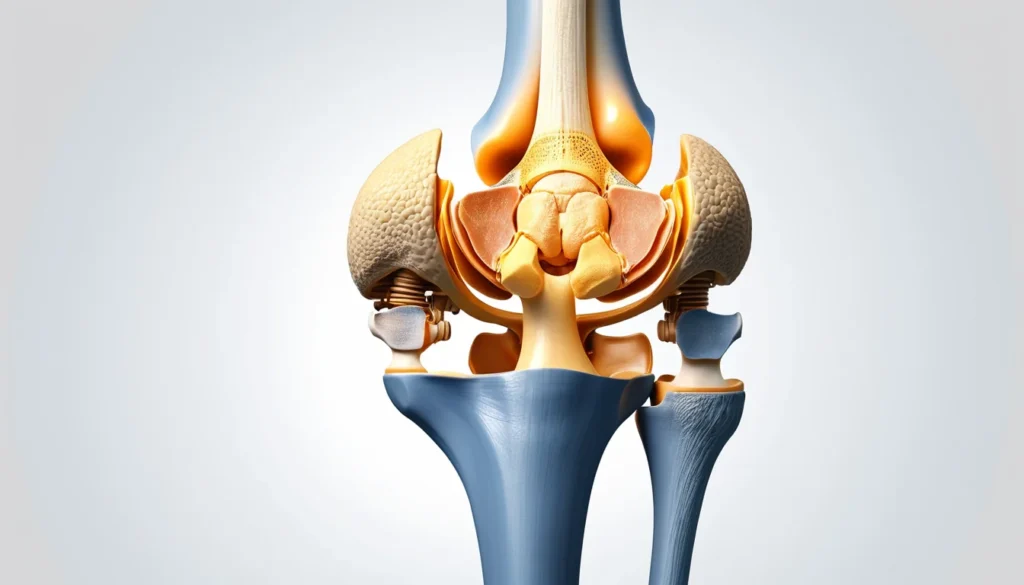
Joint pain is discomfort that originates in a joint. Joints include your knees, hips, shoulders, elbows, wrists, ankles, and fingers. The medical term for joint pain without inflammation is arthralgia.
It is worth noting that arthralgia is different from arthritis. Arthritis involves inflammation inside the joint. Arthralgia, however, refers to pain alone — the joint may look completely normal from the outside.
Joint pain can be mild and temporary. In other cases, it can be severe and long-lasting. Either way, it can affect your ability to move freely and enjoy daily life.
Common Causes of Joint Pain
Many different conditions and situations can lead to joint pain. Understanding the cause is the first step toward finding the right treatment.
Injury and Overuse
Strains, sprains, and repetitive movements are frequent causes of joint pain. For example, a sprained ankle or a strained knee from sports can cause significant discomfort. Overuse injuries are also common among people whose jobs or hobbies involve repeated motions.
Arthritis and Related Conditions
Osteoarthritis is the most common form of arthritis in Canada. It happens when the cartilage cushioning your joints wears down over time. Rheumatoid arthritis, on the other hand, is an autoimmune condition where the body’s immune system attacks joint tissue.
Other related conditions include gout, lupus, and psoriatic arthritis. Each of these can cause joint pain as a primary symptom. According to Health Canada, arthritis affects about one in five Canadians.
Infections and Illness
Viral infections such as influenza and Lyme disease can cause joint pain throughout the body. In some cases, a bacterial infection can get directly into a joint, causing a serious condition called septic arthritis. Therefore, joint pain that comes with a fever should always be taken seriously.
Bursitis and Tendinitis
Bursitis happens when the small fluid-filled sacs (bursae) that cushion your joints become inflamed. Tendinitis occurs when the tendons connecting muscle to bone become irritated. Both conditions cause pain that feels like it is coming from the joint itself.
Other Causes
Joint pain can also result from fibromyalgia, hypothyroidism, or certain medications. In addition, carrying excess body weight puts extra stress on weight-bearing joints like the hips and knees. Hormonal changes, particularly during menopause, can also contribute to joint discomfort.
Symptoms That Accompany Joint Pain
Joint pain does not always appear on its own. It often comes with other symptoms that can help identify the underlying cause.
Common accompanying symptoms include:
Swelling around the affected joint
Stiffness, especially in the morning or after sitting for a long time
Redness or warmth over the joint
Reduced range of motion — difficulty bending or straightening the joint
Clicking or grinding sensations when moving the joint
Fatigue, which can accompany conditions like rheumatoid arthritis or lupus
As noted by the Mayo Clinic, joint pain that lasts more than three days or comes with severe swelling should be evaluated by a healthcare provider.
How Is Joint Pain Diagnosed?
Your doctor will start by asking about your symptoms and medical history. They will also do a physical examination of the affected joint. This helps them understand the location, severity, and possible causes of your pain.
Tests Your Doctor May Order
Depending on your symptoms, your doctor may recommend one or more of the following:
Blood tests to check for inflammation, infection, or autoimmune markers
X-rays to look at bone structure and detect arthritis or injury
Ultrasound or MRI to examine soft tissues like cartilage, tendons, and bursae
Joint fluid analysis — a sample of fluid from inside the joint may be taken and tested
Getting an accurate diagnosis is important. The right treatment depends entirely on what is causing your joint pain.
Treatment Options for Joint Pain
The good news is that many cases of joint pain respond well to treatment. Options range from simple home care to prescription medications and physiotherapy.
Home Remedies and Lifestyle Changes
For mild joint pain, rest and home care are often enough. The RICE method — Rest, Ice, Compression, and Elevation — works well for injuries. Over-the-counter pain relievers like acetaminophen or ibuprofen can also help reduce discomfort.
Staying active is equally important. Low-impact activities like swimming, walking, and cycling help keep joints flexible without putting too much stress on them. Furthermore, maintaining a healthy weight reduces strain on the hips, knees, and ankles.
Physiotherapy
A physiotherapist can design an exercise programme tailored to your specific joint issue. They can also use techniques like manual therapy, ultrasound therapy, and acupuncture. Many provincial health plans in Canada cover physiotherapy services — check with your plan for details.
Medications
For more persistent or severe joint pain, a doctor may prescribe stronger medications. These include prescription anti-inflammatory drugs, disease-modifying medications for rheumatoid arthritis, or corticosteroid injections directly into the joint.
In cases of gout, specific medications reduce uric acid levels in the blood. If an infection is causing the pain, antibiotics will be necessary. Always take medications exactly as prescribed by your healthcare provider.
Surgical Options
Surgery is usually a last resort. However, in cases of severe joint damage — especially in the hip or knee — joint replacement surgery can dramatically improve quality of life. Your specialist will discuss whether surgery makes sense for your situation.
For more detailed information on managing joint conditions, Healthline’s guide to joint pain offers a thorough overview of current treatment approaches.
Preventing Joint Pain
Not all joint pain can be prevented, but there are steps you can take to protect your joints over the long term.
Stay active with regular low-impact exercise to keep joints strong and flexible
Maintain a healthy weight to reduce pressure on weight-bearing joints
Warm up and cool down properly before and after physical activity
Use proper posture at work and at home to avoid unnecessary joint strain
Eat a balanced diet rich in calcium, vitamin D, and omega-3 fatty acids to support joint health
Avoid repetitive motions where possible, or take regular breaks if your job requires them
Wear supportive footwear to protect your ankles, knees, and hips
Building these habits early in life can significantly reduce your risk of developing chronic joint pain as you age.
When to See a Doctor About Joint Pain
Many cases of mild joint pain improve on their own within a few days. However, some situations call for prompt medical attention.
See your family doctor or visit a walk-in clinic if you experience any of the following:
Joint pain that lasts longer than three days without improvement
Severe swelling, redness, or warmth around the joint
Joint pain accompanied by a fever
Sudden and unexplained joint pain in multiple joints at the same time
Joint pain that follows an injury and does not improve with rest
Significant loss of movement or the joint feels unstable
If you are unsure whether your symptoms need attention, calling your provincial health line — such as Ontario’s Telehealth or BC’s 8-1-1 HealthLink — is a great first step. A nurse can help you decide whether you need to be seen right away.
Please speak with your doctor or a qualified healthcare provider before starting any new treatment for joint pain. This article is for informational purposes only and does not replace professional medical advice.
Frequently Asked Questions About Joint Pain
What is the most common cause of joint pain?
The most common cause of joint pain in adults is osteoarthritis, a condition where cartilage in the joints gradually wears down. However, joint pain can also result from injuries, overuse, infections, and autoimmune conditions like rheumatoid arthritis. A doctor can help identify the specific cause in your case.
Can joint pain go away on its own?
Yes, mild joint pain caused by minor injuries or overuse often improves with rest, ice, and over-the-counter pain relievers within a few days. However, if joint pain persists for more than three days or is severe, it is important to see a healthcare provider. Leaving certain causes of joint pain untreated can lead to longer-term problems.
Is joint pain the same as arthritis?
Not exactly. Joint pain is a symptom, while arthritis is a condition that causes joint pain along with inflammation. You can experience joint pain — known medically as arthralgia — without having arthritis at all. A doctor can determine whether your joint pain is related to arthritis or another cause.
What foods help reduce joint pain?
Foods rich in omega-3 fatty acids — such as salmon, sardines, and flaxseed — may help reduce inflammation associated with joint pain. Leafy green vegetables, berries, and foods high in vitamin D and calcium also support joint health. A balanced diet combined with regular movement is one of the best ways to manage joint discomfort over time.
Does cold weather make joint pain worse?
Many Canadians report that their joint pain gets worse during cold or damp weather, though the exact reason is not fully understood. Changes in barometric pressure may affect the tissues around joints, leading to increased discomfort. Staying warm, keeping active, and maintaining a healthy weight can all help manage weather-related joint pain.
When should I go to the emergency room for joint pain?
Go to the emergency room if your joint pain follows a serious injury, if the joint looks severely deformed, or if you have intense pain and swelling along with a high fever. These could be signs of a broken bone, dislocated joint, or serious joint infection. For less urgent joint pain concerns, a walk-in clinic or your family doctor is the appropriate first step.
Key Takeaways
Joint pain refers to discomfort in any of the body’s joints and may occur with or without visible swelling.
Common causes include osteoarthritis, injuries, infections, bursitis, and autoimmune conditions.
Symptoms often include stiffness, reduced movement, redness, and warmth around the joint.
Treatment ranges from rest and physiotherapy to medications and, in severe cases, surgery.
Preventive habits — staying active, eating well, and maintaining a healthy weight — can protect your joints long-term.
See your family doctor or a walk-in clinic if joint pain lasts more than three days, is severe, or comes with a fever.
Always consult a qualified healthcare provider before starting any new treatment programme for joint pain.