Joint health affects how you move, work, and enjoy everyday life. Your joints are the connections between your bones — and when something goes wrong with them, even simple tasks like climbing stairs or opening a jar can become painful. This article explains how joints work, what conditions can affect them, and when you should talk to your family doctor or visit a walk-in clinic.
What Is a Joint?
A joint is the place where two or more bones meet. Joints allow your bones to move against each other smoothly and safely. Without healthy joints, your body simply could not move.
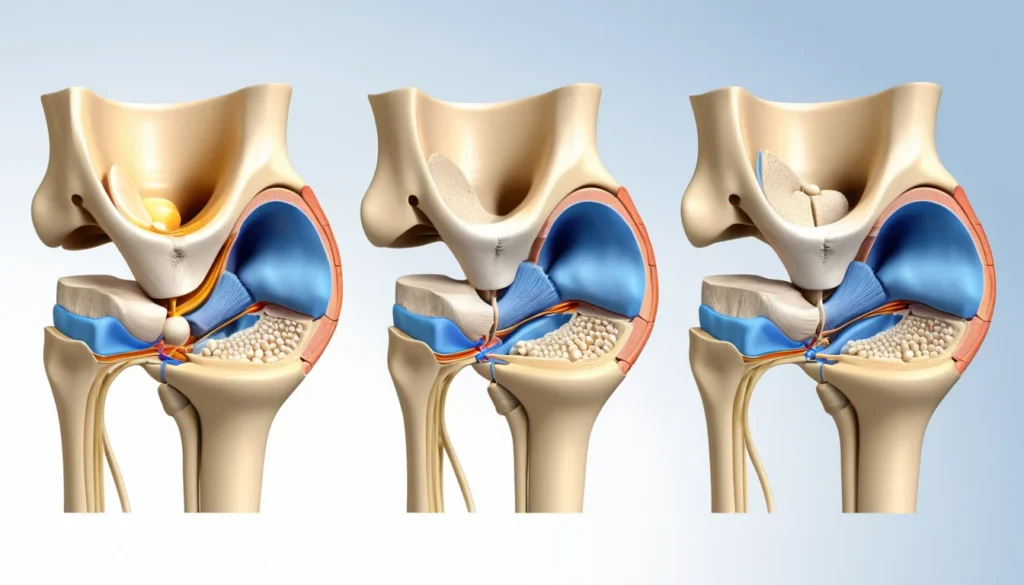
Each joint is made up of several key structures working together. These include the joint capsule, the synovial membrane, ligaments, and articular cartilage. Each part plays an important role in keeping your joints stable and pain-free.
Key Parts of a Joint
Joint capsule: A tough outer sleeve that holds the joint together and protects it.
Synovial membrane: A thin lining inside the capsule that produces fluid to lubricate the joint.
Ligaments: Strong bands of tissue that connect bone to bone and keep the joint stable.
Articular cartilage: A smooth, slippery coating on the ends of bones that reduces friction when you move.
Together, these structures allow your joints to bend, rotate, and absorb impact. However, when any one of these parts becomes damaged or inflamed, joint health suffers and pain can follow.
Common Conditions That Affect Joint Health
Joints can be affected by several different types of problems. The two most common are degeneration and inflammation. In addition, injuries and tumours can also cause joint damage. Understanding the difference between these conditions helps you get the right treatment sooner.
According to Health Canada, musculoskeletal conditions — including joint diseases — are among the leading causes of disability in Canada. Millions of Canadians live with joint-related conditions every day.
Osteoarthritis: The Wear-and-Tear Joint Condition
Osteoarthritis is the most common joint condition in Canada. It happens when the cartilage inside a joint gradually wears away over time. As a result, the bones begin to rub against each other, causing pain and stiffness.
When cartilage breaks down, the body sometimes responds by growing small bony spurs around the joint. These are called osteophytes. They can make the joint look swollen or feel knobby to the touch.
Signs of Osteoarthritis
Aching or sharp pain in the joint, especially after movement
Stiffness in the morning or after sitting for a long time
Reduced range of motion — the joint does not bend as far as it used to
Swelling or a change in the shape of the joint
A grinding or clicking sensation when you move
The joints most often affected by osteoarthritis are the knees and shoulders. However, the hips, hands, and spine are also commonly involved. For more information, visit the Mayo Clinic’s guide to osteoarthritis.
Osteoarthritis is more common as we age, but it is not an inevitable part of getting older. Maintaining a healthy weight, staying active, and protecting your joints from injury can all support long-term joint health.
Arthritis: When Joints Become Inflamed
Arthritis is a broad term for inflammation of a joint or the synovial membrane. It is different from osteoarthritis, which is mainly about wear and tear. Arthritis involves the immune system, infection, or crystal deposits causing the joint to swell and hurt.
There are several types of arthritis that affect Canadians. Each one has a different cause, but they all share the common symptom of joint inflammation.
Types of Arthritis
Inflammatory arthritis (e.g., rheumatoid arthritis): The immune system mistakenly attacks the joint lining, causing swelling, warmth, and pain. It often affects multiple joints at once.
Infectious arthritis (septic arthritis): A bacterial or viral infection enters the joint, usually through the bloodstream. This type requires urgent medical treatment.
Microcrystalline arthritis (e.g., gout): Tiny crystals form inside the joint — often in the big toe or knee — causing sudden, severe pain and swelling.
Neurogenic arthritis: Joint damage caused by a loss of nerve sensation, which allows injury to go unnoticed and worsen over time.
Furthermore, flare-ups of arthritis can happen alongside osteoarthritis, making joint pain more complex to manage. If you notice sudden redness, warmth, or swelling in a joint, do not wait — speak to a healthcare provider right away.
Joint Injuries: Sprains, Dislocations, and More
Injuries are another major threat to joint health. A sudden fall, a sports collision, or even an awkward twist can damage the structures inside or around a joint. In Canada, joint injuries are extremely common — both in recreational sport and in daily life.
There are several types of joint injuries, ranging from mild bruising to complete dislocation. Knowing the difference can help you respond appropriately.
Types of Joint Injuries
Contusion (bruise): A blow to the joint causes pain and sometimes bruising or a build-up of fluid inside the joint. This fluid build-up is called a joint effusion. It usually settles with rest and ice.
Sprain: One or more ligaments are stretched or torn. Sprains cause pain, swelling, and instability in the joint. Ankle sprains are one of the most common injuries seen in Canadian walk-in clinics.
Dislocation: The two bones of a joint are forced apart. The joint looks visibly out of place. This is a medical emergency — do not try to push the joint back yourself. Go to your nearest emergency department or call 911.
Open wound over a joint: A cut directly over a joint can expose the cartilage and allow bacteria to enter. This can lead to a serious infection and must be treated by a doctor promptly.
Therefore, even injuries that seem minor deserve proper attention. A sprain that is not treated correctly can lead to long-term joint instability and increase your risk of future injuries.
Tumours Affecting the Joints
Though less common, tumours can also develop in or around joints. They may grow from cartilage or bone tissue. Some tumours are benign (non-cancerous), while others are malignant (cancerous).
Benign Joint Tumours
Benign tumours do not spread to other parts of the body. Examples include chondromas (from cartilage tissue), osteomas (from bone tissue), and fibromas (from fibrous tissue). They can still cause pain and limited movement if they press on surrounding structures.
Malignant Joint Tumours
Malignant tumours, such as sarcomas, are more serious. They can grow quickly and spread to other parts of the body. Early detection is critical. If you notice an unexplained lump near a joint, especially if it is growing or painful, see a doctor as soon as possible.
For more information about bone and joint cancers, the World Health Organization’s cancer resources provide reliable global health guidance.
How to Protect Your Joint Health
Good joint health does not happen by accident. Small daily habits can make a big difference over time. Here are some practical steps you can take right now to protect your joints.
Stay active: Low-impact exercise like walking, swimming, and cycling keeps joints mobile and strengthens the muscles around them.
Maintain a healthy weight: Every extra kilogram puts added stress on your knees, hips, and ankles. Even a small amount of weight loss can reduce joint pain significantly.
Warm up before activity: Cold muscles and stiff joints are more likely to get injured. Always warm up before exercise and cool down afterward.
Use proper technique: Whether lifting at work or playing recreational sports, using proper body mechanics protects your joints from unnecessary strain.
Eat a balanced diet: Foods rich in fibre, omega-3 fatty acids, calcium, and vitamin D support bone and joint health. Reducing processed foods and sugar may also help lower inflammation.
Avoid smoking: Smoking reduces blood flow to joint tissues and slows healing. It also increases the risk of rheumatoid arthritis.
In addition, if your job involves repetitive movements or long periods of sitting, talk to your employer about ergonomic adjustments. Many provincial workplace safety programmes offer free resources to help.
When to See a Doctor
Not all joint pain needs emergency care — but some symptoms should never be ignored. Protecting your joint health means knowing when to act quickly and when it is safe to monitor things at home.
Visit your family doctor or a walk-in clinic if you experience any of the following:
Joint pain that lasts more than a few days without improving
Swelling, redness, or warmth around a joint
A joint that looks visibly out of place or deformed
Stiffness that makes it hard to move in the morning and lasts more than 30 minutes
Pain that wakes you up at night
An unexplained lump or mass near a joint
Fever along with joint pain — this may signal an infection
If your joint is dislocated, severely swollen, or you cannot bear weight on it, go to your nearest emergency department immediately. Most provincial health plans in Canada cover visits to your family doctor and walk-in clinic, so do not hesitate to seek care.
Your family doctor can refer you to a specialist — such as a rheumatologist or orthopaedic surgeon — if needed. Early diagnosis leads to better outcomes for nearly every joint condition.
Always speak with a qualified healthcare professional before starting or changing any treatment for joint pain or joint-related conditions. The information in this article is for general education only.
Frequently Asked Questions About Joint Health
What are the most common causes of joint pain in Canada?
The most common causes of joint pain in Canada are osteoarthritis, rheumatoid arthritis, and joint injuries such as sprains. Poor joint health can also result from gout, bursitis, or infections. Your family doctor can help identify the cause and recommend the right treatment.
What is the difference between arthritis and osteoarthritis?
Osteoarthritis is caused by the gradual wear and breakdown of cartilage in the joint over time. Arthritis, on the other hand, is caused by inflammation — often involving the immune system, an infection, or crystal deposits in the joint. Both conditions affect joint health, but they have different treatments.
How do I know if my joint pain is serious?
Joint pain combined with redness, significant swelling, fever, or an inability to move the joint may signal a serious condition requiring prompt medical attention. A visible deformity or a joint that looks out of place is a medical emergency. When in doubt, visit a walk-in clinic or your family doctor to protect your joint health.
Can joint damage be reversed?
In most cases, joint damage — particularly from osteoarthritis — cannot be fully reversed, but it can be managed effectively. Treatment focuses on reducing pain, slowing progression, and improving joint health through exercise, weight management, and medication. In severe cases, joint replacement surgery may be recommended.
Is joint pain covered under provincial health plans in Canada?
Yes, visits to your family doctor or walk-in clinic for joint pain are covered under most provincial and territorial health plans in Canada. Specialist referrals, X-rays, and blood tests are also typically covered. However, some treatments like physiotherapy may require additional private coverage or out-of-pocket payment depending on your province.
What exercises are best for joint health?
Low-impact exercises such as swimming, walking, cycling, and yoga are excellent for supporting joint health without putting excessive stress on the joints. Strength training also helps by building the muscles that support and protect your joints. Always check with your doctor or physiotherapist before starting a new exercise programme if you have existing joint pain.
Key Takeaways
Joints are complex structures made up of cartilage, ligaments, a joint capsule, and a synovial membrane — all working together to allow movement.
Osteoarthritis is the most common joint condition in Canada and is caused by the gradual wear of cartilage over time.
Arthritis involves inflammation of the joint and can be caused by the immune system, infection, or crystal deposits.
Joint injuries range from mild sprains to serious dislocations and should always be properly assessed by a healthcare professional.
Tumours — both benign and malignant — can affect joints and should be evaluated promptly if suspected.
Healthy habits like staying active, maintaining a healthy weight, and eating a balanced diet rich in fibre and nutrients go a long way toward protecting joint health.
When in doubt, see a doctor. Your family doctor or walk-in clinic is your first and best resource for any joint concern. Most visits are covered under your provincial health plan.