Jaundice is a condition that turns the skin, the whites of the eyes, and the mucous membranes yellow. This yellow colour happens when too much bilirubin builds up in the blood. Jaundice is not a disease on its own — it is a sign that something else is going on in your body. In this article, you will learn what causes jaundice, what the different types are, what symptoms to watch for, and when to talk to your family doctor or visit a walk-in clinic.
What Is Jaundice?
Jaundice gets its name from the French word for yellow, jaune. In everyday language, people sometimes call it “yellowing of the skin.” The yellow colour comes from a pigment called bilirubin, which forms when old red blood cells break down.
Bilirubin is a normal by-product of this process. However, when the body produces too much of it, or cannot clear it fast enough, it builds up in the blood. As a result, it seeps into the skin and other tissues, causing the yellow discolouration that defines jaundice.
Jaundice can affect people of all ages, from newborns to older adults. According to Healthline’s overview of jaundice in adults, the condition is always a signal that the liver, blood, or bile ducts may need attention.
How Bilirubin Works in the Body
To understand jaundice, it helps to understand bilirubin. Your red blood cells live for about 120 days. After that, your body breaks them down. This breakdown releases a substance called haemoglobin, which then converts into bilirubin.
There are two main forms of bilirubin. The first is called unconjugated (free) bilirubin. This form is insoluble, meaning it does not dissolve in water. It binds to a protein called albumin and travels through the blood to the liver. Unconjugated bilirubin does not pass into the urine.
The second form is conjugated bilirubin. The liver transforms unconjugated bilirubin into this water-soluble form. Conjugated bilirubin then moves into the bile and is excreted from the body. Some of it passes into the urine, which is why urine can turn dark when jaundice is present.
This two-step process is important. When something goes wrong at any stage — in the blood, the liver, or the bile ducts — bilirubin can accumulate. The result is jaundice.
Types of Jaundice
Doctors generally divide jaundice into two main types based on which form of bilirubin is involved. Understanding the type helps identify the underlying cause.
Type 1: Pre-Hepatic Jaundice (Unconjugated)
This type of jaundice happens before the liver processes bilirubin. It occurs when red blood cells break down too quickly. The liver simply cannot keep up with the volume of bilirubin being produced.
The most common cause of this type is haemolytic anaemia, a condition where the immune system or other factors destroy red blood cells faster than the body can replace them. Another cause is Gilbert’s syndrome, a hereditary condition where the liver cells have a mild enzyme deficiency. Gilbert’s syndrome is actually quite common and is usually harmless. Many Canadians live with it without ever knowing.
In pre-hepatic jaundice, the bilirubin in the blood is mostly the unconjugated form. Urine colour is usually normal because unconjugated bilirubin does not pass into the urine.
Type 2: Hepatic and Post-Hepatic Jaundice (Conjugated)
This type of jaundice involves conjugated bilirubin. It happens when the liver or bile ducts are not working properly. As a result, bilirubin that has already been processed by the liver cannot leave the body correctly.
Conditions that cause this type include:
Viral hepatitis (hepatitis A, B, or C)
Toxic hepatitis (caused by alcohol, medications, or chemicals)
Bacterial infections affecting the liver or bile ducts
Liver cirrhosis (scarring of the liver, often from long-term alcohol use or chronic hepatitis)
Gallstones blocking the bile ducts
Malignant tumours of the liver, pancreas, or bile ducts
Yellow fever, a viral infection more common in tropical regions
In these cases, urine often turns dark brown or tea-coloured. Stools may become pale or clay-coloured. These are important warning signs that should not be ignored.
Common Symptoms of Jaundice
The most obvious symptom of jaundice is the yellow discolouration of the skin and eyes. However, depending on the cause, other symptoms may appear alongside it.
Common symptoms include:
Yellow skin, especially noticeable in natural light
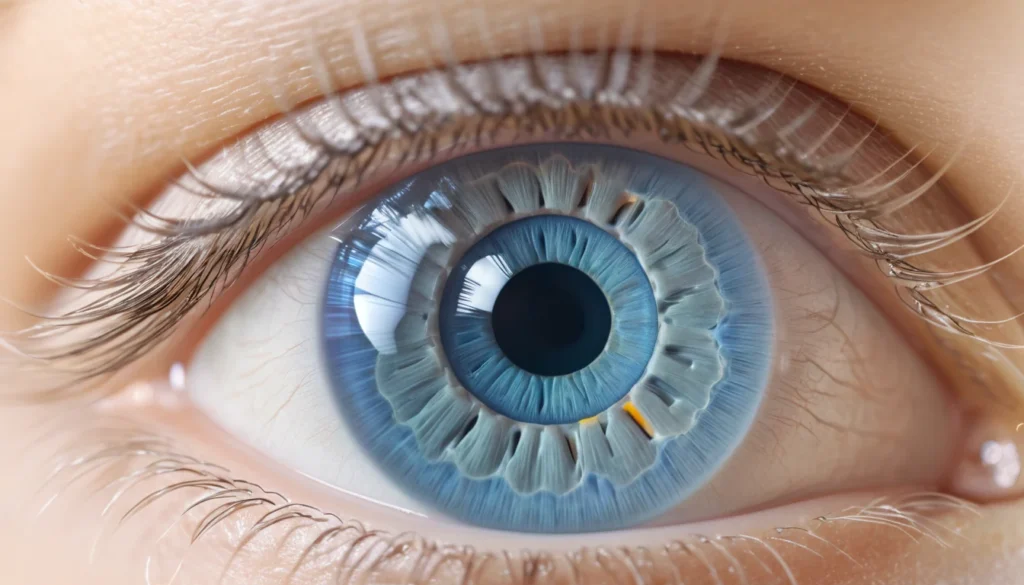
Yellow whites of the eyes (called scleral icterus)
Dark urine (tea or amber coloured)
Pale or clay-coloured stools
Itchy skin, which can sometimes be intense
Fatigue and general weakness
Abdominal pain, especially in the upper right side
Nausea or vomiting
Fever or chills (if an infection is present)
Unexplained weight loss
It is worth noting that mild jaundice, such as in Gilbert’s syndrome, may cause no other symptoms at all. Furthermore, the yellowing may be subtle and easier to spot by looking at the whites of the eyes rather than the skin.
For a comprehensive look at jaundice symptoms and diagnostic criteria, visit the Mayo Clinic’s jaundice symptom guide.
What Causes Jaundice in Adults?
Jaundice in adults almost always points to an underlying medical condition. Some causes are mild and easy to treat. Others are more serious and require prompt medical attention.
Liver-Related Causes
The liver is the main organ involved in processing bilirubin. Therefore, any condition that damages the liver can lead to jaundice. Viral hepatitis is one of the most common liver-related causes worldwide. In Canada, hepatitis B and C affect hundreds of thousands of people, many of whom do not know they are infected.
Cirrhosis is another major cause. Long-term alcohol use, chronic hepatitis, or other liver diseases can cause scar tissue to replace healthy liver cells over time. As the liver loses function, bilirubin builds up in the blood.
Certain medications and toxins can also damage the liver and trigger jaundice. Always tell your family doctor about all the medications, supplements, and herbal remedies you take.
Bile Duct Blockages
The bile ducts carry bile from the liver to the small intestine. When these ducts are blocked, bile — and the bilirubin it carries — backs up into the liver and bloodstream. Gallstones are the most common cause of bile duct blockages in Canada.
Tumours of the pancreas or bile ducts can also cause blockages. This type of jaundice tends to develop more slowly but is often a sign of a serious underlying condition that needs urgent investigation.
Blood-Related Causes
When red blood cells are destroyed too quickly, the liver cannot process the resulting bilirubin fast enough. This leads to a build-up of unconjugated bilirubin. Haemolytic anaemia, sickle cell disease, and certain inherited enzyme deficiencies can all trigger this process.
Jaundice in Newborns
Neonatal jaundice is very common and affects up to 60% of full-term newborns in the first week of life. It happens because a newborn’s liver is not yet mature enough to process bilirubin efficiently. In most cases, it resolves on its own within one to two weeks.
However, severe neonatal jaundice can be dangerous and may require treatment such as phototherapy (light therapy). If your newborn’s skin or eyes look yellow, contact your family doctor or your baby’s paediatrician promptly. Do not wait for the next scheduled check-up.
For more information on neonatal jaundice, the Health Canada website offers resources on infant health and provincial support programmes.
When to See a Doctor
Jaundice is always a reason to seek medical advice. Even when the cause turns out to be mild, only a doctor can confirm that through proper testing. If you notice yellowing of your skin or the whites of your eyes, book an appointment with your family doctor as soon as possible.
If you do not have a family doctor — which is the case for many Canadians — a walk-in clinic is a good first step. Your provincial health plan covers most visits for this type of concern. The doctor will likely order blood tests to check your bilirubin levels and assess liver function.
Go to the nearest emergency room immediately if you experience jaundice along with any of the following:
Severe abdominal pain
High fever with chills
Sudden confusion or difficulty staying awake
Vomiting blood or blood in your stools
Rapid deterioration of your condition
These symptoms may signal a serious or life-threatening condition that needs urgent care. Do not delay.
How Is Jaundice Diagnosed and Treated?
Your doctor will start with a physical examination and a review of your medical history. They will look at the colour of your skin and eyes, feel your abdomen for liver or spleen enlargement, and ask about your symptoms, medications, alcohol use, and recent travel.
Diagnostic Tests
Blood tests are the main tool for diagnosing jaundice. A bilirubin test measures how much bilirubin is in your blood and what type it is. A liver function test checks how well your liver is working. Your doctor may also order a complete blood count (CBC) to look for signs of anaemia or infection.
Imaging tests such as an ultrasound, CT scan, or MRI may be needed to look at the liver, gallbladder, and bile ducts. In some cases, a liver biopsy — a small tissue sample — may be required to confirm a diagnosis.
Treatment Options
Treatment for jaundice depends entirely on the underlying cause. There is no single treatment for jaundice itself. Instead, doctors treat the condition that is causing it.
Viral hepatitis may be managed with antiviral medications and rest.
Gallstones may require surgery or other procedures to remove the blockage.
Haemolytic anaemia may be treated with medications, blood transfusions, or other therapies.
Cirrhosis requires long-term management, which may include stopping alcohol use, dietary changes, and medication.
Gilbert’s syndrome usually requires no treatment at all.
In all cases, follow your doctor’s guidance closely. Treatment plans are individual and should be tailored to your specific situation.
Frequently Asked Questions About Jaundice
What are the most common causes of jaundice in adults?
In adults, jaundice is most commonly caused by liver conditions such as viral hepatitis, cirrhosis, or bile duct blockages from gallstones. Less commonly, it can result from haemolytic anaemia, where red blood cells break down too quickly. Jaundice is always a sign of an underlying condition, so it is important to see a doctor for proper testing.
Is jaundice dangerous?
Jaundice itself is a symptom, not a disease, but it can be a sign of a serious underlying condition. In some cases, such as Gilbert’s syndrome, jaundice is harmless. However, jaundice caused by liver failure, a blocked bile duct, or certain infections can be life-threatening if left untreated. Always consult your family doctor or visit a walk-in clinic if you notice yellowing of the skin or eyes.
Can jaundice go away on its own?
In newborns, jaundice often clears up on its own within one to two weeks as the liver matures. In adults, jaundice does not go away on its own unless the underlying cause is treated. For example, jaundice caused by a mild viral infection may resolve as the infection clears, but jaundice from a blocked bile duct or liver disease requires medical treatment.
What does dark urine mean when you have jaundice?
Dark urine is a common sign of jaundice caused by liver disease or bile duct problems. It happens because conjugated bilirubin, which is water-soluble, spills into the urine and gives it a dark brown or tea-like colour. If you notice dark urine alongside yellow skin or eyes, this combination is a clear signal to see your doctor promptly.
How is jaundice tested and diagnosed in Canada?
In Canada, jaundice is typically diagnosed through blood tests that measure bilirubin levels and assess liver function, covered under provincial health plans. Your family doctor or a walk-in clinic doctor may also order an ultrasound to check the liver and bile ducts. Early diagnosis is important because treatment depends on identifying the exact cause of the jaundice.