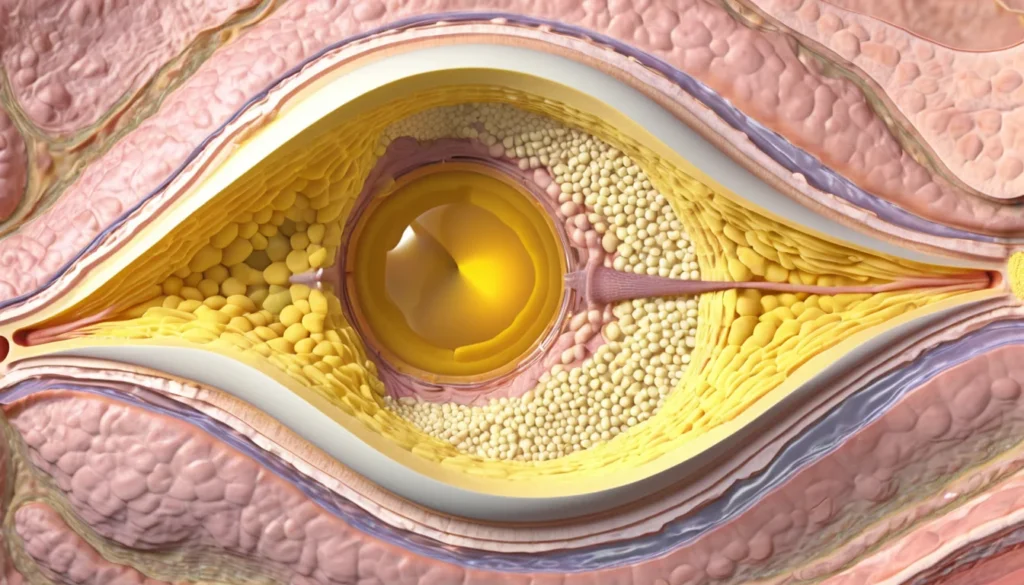
Jaundice is a condition that turns your skin, eyes, and other tissues yellow. It happens when too much bilirubin — a yellow pigment — builds up in your blood. Jaundice is not a disease on its own. Instead, it is a sign that something else is going on with your liver, blood, or bile ducts. Understanding what causes jaundice can help you know when to seek care from your family doctor or local walk-in clinic.
What Is Jaundice and How Does It Develop?
Your red blood cells live for about 120 days. After that, your body breaks them down. During this process, a protein called haemoglobin is released. Your body then converts haemoglobin into a yellow substance called bilirubin.
Your liver processes bilirubin and sends it into your digestive system. From there, it leaves your body through your stool, giving it that characteristic brown colour. When this system breaks down, bilirubin builds up in the blood. As a result, your skin and the whites of your eyes turn yellow — and that is jaundice.
Doctors check for jaundice by examining the skin and eyes in natural light. The whites of the eyes (called the sclera) often show yellowing first. According to the Mayo Clinic’s overview of jaundice, yellowing becomes visible when bilirubin levels rise above normal thresholds.
How Your Body Processes Bilirubin
Your body produces roughly 250 to 350 milligrams of bilirubin every day. About 70 to 80 percent of this comes from the breakdown of old red blood cells. The remaining 20 to 30 percent comes from other proteins in your bone marrow and liver.
Bilirubin travels to the liver attached to a protein called albumin. Inside the liver, it is converted into a water-soluble form called conjugated (or direct) bilirubin. This form can be excreted safely through the bile into your intestines.
Normal total bilirubin levels in the blood are below 1 mg per decilitre (mg/dL). When levels reach about 2 mg/dL, you may notice slight yellowing of the eyes. At levels above 3 mg/dL, the skin turns visibly yellow. Levels above 20 mg/dL usually point to a complete blockage in the bile ducts.
Common Causes of Jaundice
Jaundice has several possible causes. Doctors generally group them into three main categories based on where the problem occurs.
Haemolytic Jaundice (Too Much Bilirubin Being Made)
This type happens when red blood cells break down too quickly. The liver cannot process the large volume of bilirubin produced. A healthy liver can handle up to about 5 to 6 mg/dL of bilirubin. However, when red blood cells are destroyed too fast, even a healthy liver falls behind.
Conditions like sickle cell anaemia, certain infections, and autoimmune disorders can all cause this type of haemolysis. In these cases, bilirubin levels are usually moderate and the urine colour stays normal.
Liver Cell (Hepatocellular) Jaundice
This type happens when the liver cells themselves are damaged and cannot process bilirubin properly. Common causes include viral hepatitis, alcoholic liver disease, and certain medications. The urine often turns dark in colour because the damaged liver releases bilirubin into the bloodstream, where it is then filtered by the kidneys.
Chronic liver damage may also show up with other signs, such as fluid in the abdomen (ascites), swollen veins, and hormonal changes. For more information on liver health, visit Health Canada’s official health information portal.
Obstructive (Cholestatic) Jaundice
This type occurs when the bile ducts are blocked. Bile cannot flow from the liver to the intestines. Common causes include gallstones, inflammation of the bile ducts, and pancreatic cancer. The stool may become pale or clay-coloured, and urine turns very dark.
Cholestasis — the medical term for blocked bile flow — can originate inside the liver (intrahepatic) or outside it (extrahepatic). Doctors use blood tests and imaging to figure out where the blockage is.
Jaundice in Newborns
Jaundice in newborns is very common and usually harmless. It appears in the first few days of life because a newborn’s liver is not yet fully mature. The enzyme needed to process bilirubin is present in lower amounts at birth.
Premature babies are at higher risk. Bilirubin levels typically fall between 5 and 20 mg/dL in newborn jaundice. Treatment often involves placing the baby under special ultraviolet (UV) lights, which break bilirubin down into a form the body can excrete more easily.
However, parents should watch for signs of severe jaundice. In rare cases, very high bilirubin levels can affect the brain — a serious condition called kernicterus. Always speak with your baby’s doctor or visit a walk-in clinic if you are concerned about your newborn’s skin colour.
Rare Genetic Conditions Affecting Bilirubin
Some infants are born with rare genetic conditions that affect how bilirubin is processed. One example is Crigler-Najjar syndrome, where the liver lacks the enzyme needed to conjugate bilirubin. The most severe form requires UV light therapy for up to 12 hours a day and, ultimately, a liver transplant. A milder form responds to medication and rarely leads to serious complications.
Another common and benign condition is Gilbert’s syndrome. It affects about 3 to 7 percent of the population. People with Gilbert’s syndrome have a mild, harmless reduction in their liver’s ability to process bilirubin. Bilirubin levels rise slightly during fasting or illness but stay below 6 mg/dL. All other liver tests remain normal.
How Doctors Diagnose Jaundice
Your doctor will ask about your symptoms, medications, alcohol use, and family history. A physical exam will check for signs like an enlarged liver, abdominal tenderness, or swollen lymph nodes. These clues help narrow down the cause.
Blood tests are the first step. They measure total bilirubin, liver enzymes, and other markers. Doctors look at whether the excess bilirubin is the unconjugated (indirect) or conjugated (direct) type. This distinction helps identify where the problem lies.
Imaging tests like ultrasound or CT scans may follow. They can detect gallstones, tumours, or blocked ducts. In some cases, a liver biopsy may be needed. According to Healthline’s guide to jaundice in adults, early diagnosis is key to finding the underlying cause and starting the right treatment.
Warning Signs That Need Urgent Attention
Some combinations of symptoms suggest serious conditions. For example, jaundice with nausea and vomiting may point to acute hepatitis or a gallstone blocking the bile duct. Jaundice with unexplained weight loss and a very firm, lumpy liver may suggest cancer spread to the liver. Jaundice with a swollen neck or armpit lymph nodes could indicate a viral infection like mononucleosis.
A very hard, irregular liver along with significant weight loss more often suggests cancer than cirrhosis. Always take new jaundice seriously, especially when it comes with other symptoms.
When to See a Doctor
Jaundice is always a reason to see a healthcare provider. Do not wait to see if it goes away on its own. Contact your family doctor as soon as possible if you notice yellow skin or eyes. If you do not have a family doctor, visit a walk-in clinic — most provincial health plans in Canada cover this type of visit.
Go to the emergency department right away if jaundice is accompanied by high fever, severe abdominal pain, confusion, or very dark urine with pale stools. These signs can point to a serious infection or bile duct blockage that needs urgent treatment.
Your doctor may refer you to a gastroenterologist or hepatologist (liver specialist) for further testing. Depending on your province, referrals are usually coordinated through your primary care provider. Always follow up on your results and ask questions if something is unclear.
What are the most common causes of jaundice in adults?
In adults, jaundice is most often caused by liver diseases like hepatitis or cirrhosis, gallstones blocking the bile ducts, or excessive alcohol use. Less commonly, it can result from certain medications or cancers affecting the liver or pancreas. Your doctor will use blood tests and imaging to find the underlying cause.
Is jaundice dangerous?
Jaundice itself is a symptom, not a disease, but it can signal a serious underlying condition. Mild jaundice from Gilbert’s syndrome or newborn jaundice is usually harmless. However, jaundice caused by liver failure, a bile duct blockage, or cancer requires prompt medical attention.
How is jaundice treated?
Treatment for jaundice depends entirely on its cause. For example, viral hepatitis may be managed with rest and antiviral medication, while a blocked bile duct may require surgery or an endoscopic procedure. Newborn jaundice is often treated with UV light therapy. Always consult your doctor for the right treatment plan.
Can jaundice go away on its own?
In some cases, like newborn jaundice or Gilbert’s syndrome, bilirubin levels return to normal without treatment or with minimal intervention. However, jaundice in adults rarely resolves without addressing the underlying cause. Always check with your family doctor or a walk-in clinic rather than waiting it out.
What does dark urine mean with jaundice?
Dark urine alongside jaundice usually means that conjugated (water-soluble) bilirubin is being filtered through the kidneys and into the urine. This typically points to a liver cell problem or a bile duct blockage rather than a blood-related cause. Dark urine with pale stools is a combination that always warrants urgent medical evaluation.
When should I take my newborn to the doctor for jaundice?
Mild newborn jaundice appearing two to three days after birth is common and usually resolves within two weeks. However, you should contact your baby’s doctor right away if the yellowing is intense, spreads to the arms and legs, or is accompanied by poor feeding, high-pitched crying, or unusual sleepiness. Early treatment prevents rare but serious complications.
Key Takeaways
Jaundice is yellow colouring of the skin and eyes caused by excess bilirubin in the blood.
It is a symptom, not a disease — the underlying cause must always be identified.
The three main causes are too much bilirubin being produced (haemolysis), liver cell damage, or a blocked bile duct.
Newborn jaundice is common and usually harmless, but severe cases need prompt treatment.
Gilbert’s syndrome is a benign genetic condition affecting 3 to 7 percent of people and causes mild, harmless bilirubin elevation.
Always see your family doctor or visit a walk-in clinic if you notice jaundice — most provincial health plans in Canada cover this visit.
Seek emergency care immediately if jaundice comes with fever, severe pain, confusion, or pale stools.
This article is for informational purposes only and does not replace professional medical advice. If you or a loved one notices signs of jaundice, please speak with a qualified healthcare provider.