Itchy skin is one of the most common complaints that brings Canadians to their family doctor or walk-in clinic. Known medically as pruritus, it describes an uncomfortable, often intense urge to scratch the skin or mucous membranes. It can range from a mild annoyance to a serious condition that disrupts sleep, work, and daily life. In this article, we explain the main causes, symptoms, and treatments for itchy skin — and when it is time to get help.
What Is Itchy Skin (Pruritus)?
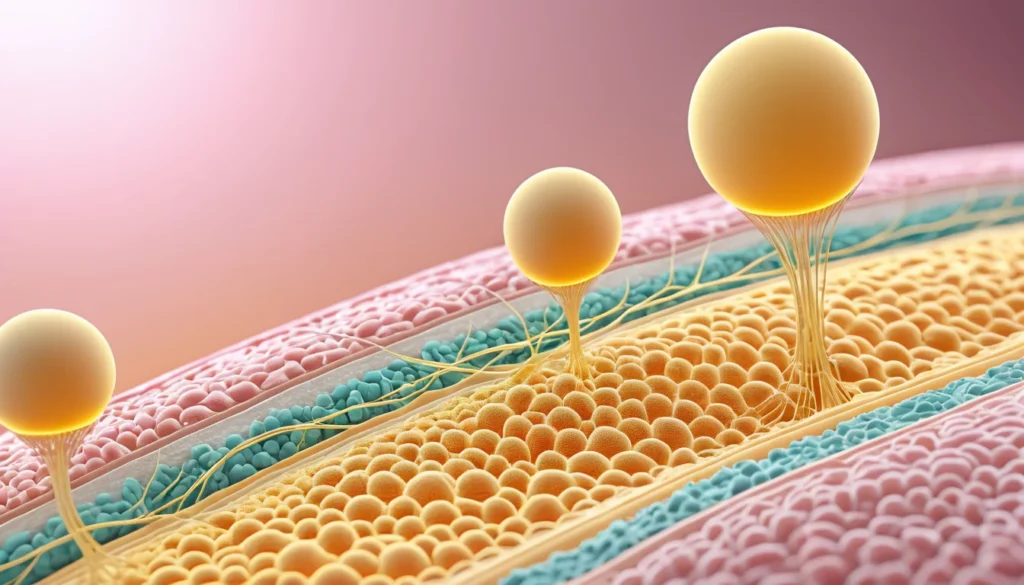
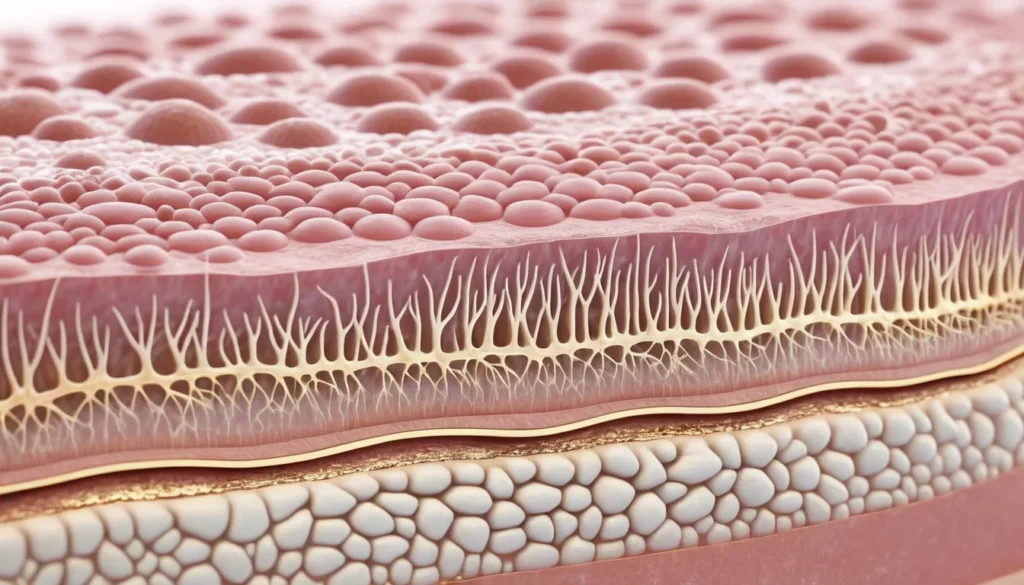
Pruritus is the medical term for itchy skin. It happens when nerve fibres in the skin send signals to the brain that trigger the urge to scratch. These nerve fibres can be activated by many things, from dry air to underlying health conditions.
Itchy skin is not always a skin problem. In fact, the itch can come from inside the body — not just from something touching your skin. This is why itching sometimes occurs without any visible rash or irritation on the surface.
Pruritus can affect a small area, such as your arm or scalp, or it can cover your entire body. When itching spreads across large areas of skin with no clear rash, doctors often look deeper for an internal cause. According to Mayo Clinic’s overview of pruritus, the condition affects people of all ages and backgrounds.
Common Causes of Itchy Skin
Many different things can cause itchy skin. Some causes are simple and easy to treat. Others may point to a more serious underlying condition that needs medical attention.
Dry Skin
Dry skin is the most common cause of itching, especially in Canada during the long winter months. Cold outdoor air and heated indoor environments strip moisture from the skin. This leaves the skin tight, flaky, and prone to itching.
Older adults are especially vulnerable to dry skin. As we age, our skin produces less natural oil, making it easier for moisture to escape.
Skin Conditions
Several skin conditions cause itching as a primary symptom. These include:
Eczema (atopic dermatitis): A chronic condition that causes red, inflamed, and intensely itchy patches of skin.
Psoriasis: An autoimmune condition that speeds up skin cell growth, causing scaly, itchy plaques.
Hives (urticaria): Raised, red welts that appear suddenly and cause significant itching.
Contact dermatitis: A reaction that occurs when the skin touches an irritant or allergen, such as a soap, detergent, or plant.
Fungal infections: Conditions like athlete’s foot or ringworm cause localised itching and irritation.
Allergic Reactions
Allergies are a very common trigger for itchy skin. Your immune system reacts to a substance it identifies as harmful — even if it is not. Common allergens include certain foods, medications, pet dander, pollen, and insect bites.
In some cases, a medication you are taking can cause a widespread itchy rash. This is called a drug reaction, and it requires prompt medical attention.
Internal (Systemic) Causes
Sometimes, itchy skin signals a problem inside the body. Internal conditions linked to pruritus include:
Liver disease: Conditions like cholestasis cause bile salts to build up in the bloodstream, triggering intense itching.
Kidney disease: When the kidneys do not filter waste properly, it can cause widespread itching.
Thyroid disorders: Both overactive and underactive thyroid glands can affect the skin and cause itching.
Diabetes: High blood sugar can lead to dry skin and increased susceptibility to skin infections that cause itching.
Certain cancers: Lymphoma and other blood cancers can sometimes cause persistent, unexplained itching.
Iron deficiency anaemia: Low iron levels in the blood have been linked to generalised itching.
Therefore, if your itching is widespread and does not have an obvious cause, your doctor may order blood tests to check for these conditions.
Nerve-Related Causes
Nerve disorders can also cause itchy skin. This happens when nerves that carry signals from the skin to the brain are damaged or irritated. For example, shingles (caused by the reactivation of the chickenpox virus) can cause burning, itchy pain along a nerve pathway. Multiple sclerosis is another condition sometimes linked to itching.
Psychological Causes
Stress, anxiety, and depression can make existing itching worse. In some people, psychological distress can even trigger itching without any physical cause. This is sometimes called psychogenic pruritus. However, this diagnosis is only made after other causes have been ruled out.
Symptoms of Itchy Skin
The main symptom of pruritus is, of course, an urge to scratch. However, itchy skin can come with other signs depending on the cause. Symptoms may include:
Redness or inflammation of the skin
Bumps, blisters, or a rash
Dry, cracked, or scaly skin
Thickened or leathery skin from repeated scratching
Scratch marks or open sores on the skin
In some cases, the skin looks completely normal even though the itch is severe. This is often a sign of an internal cause or a nerve-related condition.
Scratching may give temporary relief, but it can also break the skin. Broken skin is vulnerable to bacterial infection. Furthermore, repeated scratching can cause the skin to thicken over time — a condition called lichenification — which can make itching even harder to treat.
How Is Itchy Skin Diagnosed?
To find the cause of your itchy skin, your doctor will start by asking about your symptoms and health history. They will want to know how long you have been itching, where the itch is located, and what makes it better or worse.
Your doctor may examine your skin closely. In some cases, they will refer you to a dermatologist — a skin specialist — for further evaluation. They may also order blood tests, urine tests, or a skin biopsy to look for underlying causes.
As a result of a thorough assessment, most causes of itching can be identified and treated effectively. Health Canada encourages Canadians to seek care early when skin conditions affect their quality of life.
Treatment Options for Itchy Skin
Treatment for itchy skin depends on the underlying cause. In many cases, simple self-care steps can provide significant relief. In other cases, prescription medication is needed.
At-Home Remedies and Self-Care
For mild itching, especially due to dry skin, these self-care steps can help:
Moisturise regularly: Apply a fragrance-free, thick moisturiser or cream right after bathing. Look for products containing ceramides or colloidal oatmeal.
Use gentle soaps: Avoid soaps with fragrances or harsh chemicals. Choose mild, unscented cleansers.
Bathe in lukewarm water: Hot water strips the skin of its natural oils. Limit bath or shower time to 10 minutes.
Use a humidifier: Adding moisture to indoor air can help prevent dry skin, especially during Canadian winters.
Wear loose, breathable clothing: Natural fabrics like cotton are less irritating than synthetic materials.
Avoid scratching: Keep your nails short and try applying a cool, damp cloth to itchy areas instead of scratching.
Manage stress: Relaxation techniques like deep breathing, yoga, or meditation may reduce stress-related itching.
Over-the-Counter Treatments
Several over-the-counter products can help relieve itchy skin. These include:
Antihistamines: Oral antihistamines (such as diphenhydramine or loratadine) can reduce itching caused by allergies. Note that some antihistamines cause drowsiness.
Hydrocortisone cream: A mild steroid cream available without a prescription. It can reduce inflammation and itching for short-term use.
Calamine lotion: Often used to soothe itching from insect bites and contact dermatitis.
Cooling creams: Products containing menthol can temporarily calm itchy skin.
Prescription Treatments
When over-the-counter options are not enough, your doctor may prescribe stronger treatments. These can include:
Prescription-strength corticosteroid creams or ointments
Calcineurin inhibitors (such as tacrolimus or pimecrolimus) for eczema
Antifungal or antibiotic medications if an infection is present
Light therapy (phototherapy) for chronic skin conditions
Biologics or immunosuppressants for severe eczema or psoriasis
Medications to treat underlying systemic conditions, such as liver or kidney disease
In addition, newer targeted therapies have shown strong results for conditions like atopic dermatitis. Your dermatologist or family doctor can advise you on the best option for your situation. For more information, visit Healthline’s guide to pruritus and its treatments.
When to See a Doctor
Most cases of itchy skin improve with self-care. However, some situations call for a visit to your family doctor or a walk-in clinic. See a doctor if:
Your itching lasts more than two weeks and does not improve with home treatment
The itch is severe and disrupts your sleep or daily life
You have itching all over your body without a rash or visible cause
Your skin shows signs of infection, such as warmth, swelling, or pus
You also have unexplained weight loss, fatigue, fever, or night sweats
Your itching started after beginning a new medication
You are pregnant and experience sudden, severe itching
Your family doctor is a great first point of contact. They can assess your symptoms, run appropriate tests, and refer you to a specialist if needed. If your family doctor is unavailable, a walk-in clinic can evaluate your condition and help you get started on treatment. Most provincial health plans in Canada cover visits for skin-related complaints — check with your provincial health authority to confirm your coverage.
Always consult a qualified healthcare professional before starting any new treatment for itchy skin. What works for one person may not be right for another, and some treatments can have side effects or interactions with other medications.
Frequently Asked Questions About Itchy Skin
What is the most common cause of itchy skin?
The most common cause of itchy skin is dryness, especially in colder climates like Canada where indoor heating removes moisture from the air. Skin conditions such as eczema and contact dermatitis are also very common triggers. A simple moisturising routine can often make a significant difference.
Can itchy skin be a sign of a serious illness?
Yes, in some cases itchy skin can signal an underlying health condition such as liver disease, kidney disease, thyroid disorders, or even certain cancers. If your itching is widespread, has no clear cause, or comes with other symptoms like fatigue or unexplained weight loss, see your doctor promptly. Early diagnosis leads to better outcomes.
How can I stop itchy skin at night?
To reduce itchy skin at night, apply a fragrance-free moisturiser before bed and keep your bedroom cool and humidified. Wearing loose, breathable cotton pyjamas can also help. If itching at night is severe or persistent, speak with your family doctor about additional treatment options.
What is the difference between itchy skin with a rash and without a rash?
Itchy skin with a rash usually points to a skin condition such as eczema, hives, or contact dermatitis. Itchy skin without a visible rash often suggests an internal or systemic cause, such as a liver problem, kidney issue, or nerve disorder. A doctor can help determine the cause through a physical exam and testing.
Is itchy skin during pregnancy normal?
Mild itchy skin during pregnancy is common and often caused by the skin stretching as the belly grows. However, severe or widespread itching — especially on the palms and soles — can be a sign of a liver condition called intrahepatic cholestasis of pregnancy, which requires medical attention. Always mention new or worsening itching to your healthcare provider during pregnancy.
When should I go to a walk-in clinic for itchy skin?
Visit a walk-in clinic for itchy skin if your symptoms are severe, spreading, or not improving after two weeks of home care. You should also go if you notice signs of a skin infection, such as redness, swelling, or warmth around the itchy area. Walk-in clinics across Canada can assess your condition and recommend a treatment plan covered under most provincial health plans.
Key Takeaways
Itchy skin (pruritus) is a very common condition caused by dry