An ischemic stroke happens when a blocked artery cuts off blood flow to part of the brain. Without blood, brain tissue begins to die within minutes. It is the most serious form of cerebral ischemia — a condition where the brain does not get enough blood. In Canada, stroke is one of the leading causes of disability and death, making it vital for every Canadian to understand the warning signs and what to do.
What Is an Ischemic Stroke?
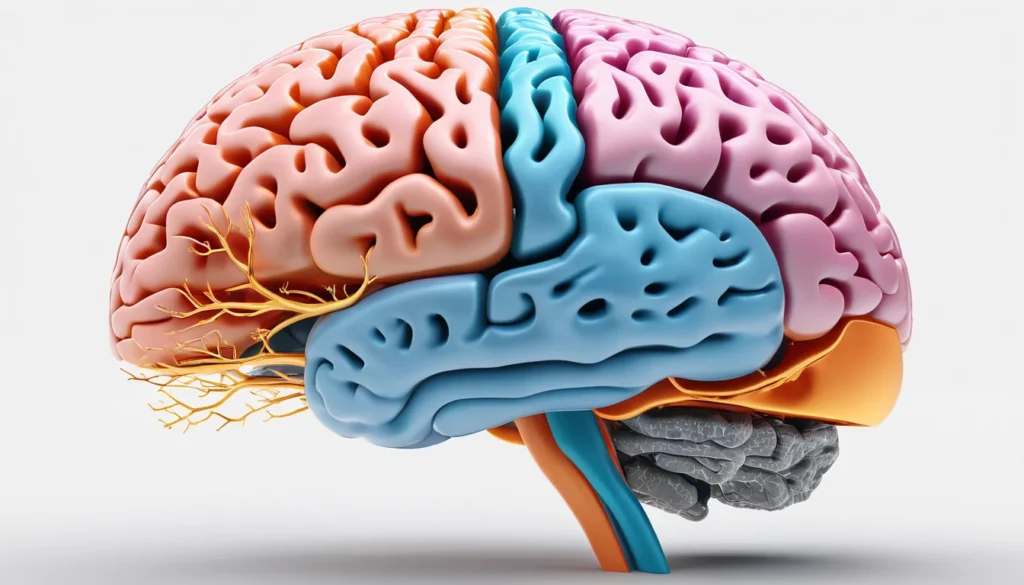
An ischemic stroke occurs when a clot or fatty deposit blocks an artery that supplies the brain. The brain cells in the affected area stop working because they no longer receive oxygen or nutrients. This leads to tissue death — a process doctors call cerebral infarction.
There are two main types of blockages that cause an ischemic stroke. The first is a thrombosis, where a blood clot forms directly inside a brain artery. The second is an embolism, where a clot or fragment of plaque breaks off from another location — such as the heart or carotid artery in the neck — and travels to the brain.
According to the Health Canada stroke information resource, stroke affects tens of thousands of Canadians every year. Early action saves lives and reduces long-term damage.
What Causes an Ischemic Stroke?
The most common cause of an ischemic stroke is atherosclerosis. This is the build-up of cholesterol and fatty deposits — called plaques — inside the walls of arteries. Over time, these plaques narrow the arteries and make it easier for clots to form.
When a clot forms on top of a plaque inside a brain artery, it is called a thrombotic stroke. However, when a clot forms somewhere else in the body and travels to the brain, it is called an embolic stroke. Common sources of travelling clots include the heart, the aorta, and the carotid arteries in the neck.
Risk Factors That Increase Your Chances
Several factors raise the risk of having an ischemic stroke. Many of these are manageable with lifestyle changes and medical care. Knowing your risks is the first step toward prevention.
High blood pressure — the leading risk factor for stroke in Canada
High cholesterol — contributes to plaque build-up in arteries
Atrial fibrillation — an irregular heartbeat that can cause clots to form in the heart
Diabetes — damages blood vessels over time
Smoking — speeds up atherosclerosis and raises clotting risk
Obesity and physical inactivity — both increase stroke risk significantly
Family history of stroke — genetics play a role
In addition, heavy alcohol use, a diet high in saturated fat, and chronic stress can all contribute to stroke risk. Furthermore, the risk of stroke increases with age, particularly after age 55.
Recognising the Symptoms of an Ischemic Stroke
The symptoms of an ischemic stroke depend on which part of the brain is affected. This depends on which artery is blocked. Symptoms can come on very suddenly, often within seconds or minutes.
Canadians are encouraged to remember the acronym FAST to identify stroke symptoms quickly:
F — Face drooping: One side of the face droops or feels numb. Ask the person to smile — is it uneven?
A — Arm weakness: One arm is weak or numb. Ask the person to raise both arms — does one drift downward?
S — Speech difficulty: Speech is slurred, strange, or the person cannot speak at all.
T — Time to call 911: If you see any of these signs, call 911 immediately.
Symptoms Related to the Carotid Artery
When a branch of the internal carotid artery is blocked, it often causes hemiplegia — paralysis or weakness on one side of the body. This blockage can also cause aphasia, which is a difficulty with speaking or understanding language. Aphasia can be frightening for both the person experiencing it and those around them.
Symptoms Related to the Basilar Artery
The basilar artery forms from two vertebral arteries and supplies the back of the brain, including the cerebellum. A blockage here can cause a different set of symptoms. These include complex visual problems, such as loss of part of the visual field or difficulty recognising what you see.
In addition, basilar artery strokes can cause a condition called alternating hemiplegia — where one side of the body is paralysed while the opposite side of the face is affected. As a result, the pattern of weakness may seem unusual compared to other strokes. Cerebellar symptoms such as poor coordination and severe dizziness or vertigo are also common.
How Is an Ischemic Stroke Diagnosed?
Doctors diagnose an ischemic stroke using brain imaging. The most common tool is a CT scan (also called a scanner), which can quickly show whether there is a blockage or bleeding in the brain. An MRI may also be used to get a more detailed picture of damaged brain tissue.
Other tests help find the cause of the stroke. For example, an electrocardiogram (ECG) checks for irregular heart rhythms like atrial fibrillation. Blood tests, ultrasound of the carotid arteries, and echocardiograms of the heart may also be ordered. The goal is to find the source of the clot so doctors can prevent another stroke.
The Mayo Clinic’s guide to stroke diagnosis provides a thorough overview of the tests used to confirm stroke and identify its cause.
Treatment Options for Ischemic Stroke
Treatment for an ischemic stroke depends on how quickly the patient reaches the hospital. Time is critical — the faster treatment begins, the more brain tissue can be saved. This is why calling 911 immediately is so important.
Acute Treatment
In the first hours after an ischemic stroke, doctors focus on restoring blood flow to the brain. The main treatment is a clot-dissolving medication called tPA (tissue plasminogen activator). This drug must be given within 4.5 hours of symptom onset to be effective. In some cases, a procedure called mechanical thrombectomy is used — a catheter is inserted into the artery to physically remove the clot.
During acute care, the medical team works to maintain vital functions such as breathing, blood pressure, and blood sugar. They also try to prevent the damage from spreading and watch for complications caused by lying still in a hospital bed, such as blood clots in the legs or pneumonia.
Long-Term Treatment and Prevention of Recurrence
After the acute phase, preventing another stroke becomes the priority. Doctors often prescribe anticoagulant medications — blood thinners — or antiplatelet drugs such as aspirin or clopidogrel. These medications reduce the risk of new clots forming.
Furthermore, managing the underlying risk factors is essential. This means controlling blood pressure, lowering cholesterol, treating atrial fibrillation, and making healthy lifestyle changes. Your family doctor or a stroke specialist will create a prevention plan tailored to your situation.
Recovery and Rehabilitation After an Ischemic Stroke
Recovery from an ischemic stroke looks different for everyone. The extent of recovery depends on how much of the brain was affected and how quickly treatment began. However, many stroke survivors do regain significant function over time.
The brain has a remarkable ability to adapt — a property called neuroplasticity. With the right rehabilitation, healthy parts of the brain can learn to take over functions that were lost. This process takes time and consistent effort.
Types of Rehabilitation
Stroke rehabilitation is tailored to each person’s specific deficits. It typically involves a team of specialists working together.
Physiotherapy — helps rebuild movement, strength, and balance
Occupational therapy — helps patients return to daily activities at home and work
Speech-language therapy — addresses aphasia, speech difficulties, and swallowing problems
Psychology and counselling — supports mental health and emotional recovery after stroke
In Canada, stroke rehabilitation services are generally covered under provincial health plans. Your care team at the hospital will connect you with the appropriate programmes before you are discharged. Recovery is a gradual process — therefore, patience and consistent effort are key.
The World Health Organization’s fact sheet on stroke highlights the global impact of stroke and the importance of rehabilitation in improving outcomes.
When to See a Doctor
If you or someone near you shows any signs of an ischemic stroke, do not wait. Call 911 immediately. Every minute counts when it comes to stroke — acting fast can mean the difference between full recovery and permanent disability.
Outside of an emergency, speak with your family doctor if you have risk factors for stroke, such as high blood pressure, high cholesterol, or an irregular heartbeat. A walk-in clinic can also help if you cannot get a timely appointment with your family doctor. Early management of risk factors is one of the most effective ways to prevent stroke before it happens.
In addition, if you have already had a stroke or a transient ischemic attack (TIA) — sometimes called a “mini-stroke” — follow up regularly with your doctor. Your provincial health plan covers many preventive services that can significantly lower your risk of a second stroke.
Always consult a qualified healthcare provider for personal medical advice. The information in this article is for general educational purposes only.
Frequently Asked Questions About Ischemic Stroke
What is the difference between an ischemic stroke and a hemorrhagic stroke?
An ischemic stroke is caused by a blocked artery that cuts off blood flow to the brain. A hemorrhagic stroke, on the other hand, is caused by a burst blood vessel that bleeds into the brain. Ischemic stroke is the more common type, accounting for about 87% of all strokes.
Can you recover fully from an ischemic stroke?
Full recovery from an ischemic stroke is possible, especially when treatment begins quickly and rehabilitation is consistent. However, recovery varies greatly depending on which part of the brain was affected and how much tissue was damaged. Many survivors regain significant function over weeks, months, or even years with the right support.
What are the early warning signs of an ischemic stroke?
The early warning signs of an ischemic stroke include sudden face drooping, arm weakness, and speech difficulty — remembered using the acronym FAST. Other signs include sudden vision loss, severe headache, and loss of balance or coordination. If you notice any of these symptoms, call 911 right away.
How long does it take to treat an ischemic stroke?
The clot-dissolving medication tPA must be given within 4.5 hours of symptom onset to be effective for ischemic stroke. Mechanical thrombectomy can be performed up to 24 hours after symptom onset in some cases. This is why calling 911 immediately at the first sign of stroke is absolutely critical.
Is an ischemic stroke covered by provincial health plans in Canada?
Yes, emergency treatment and in-hospital care for ischemic stroke are covered under all provincial and territorial health plans in Canada. Rehabilitation services, including physiotherapy and speech-language therapy, are also typically covered, though coverage levels may vary by province. Speak with your family doctor about what services are available to you.
What medications are used to prevent a second ischemic stroke?
To prevent a second ischemic stroke, doctors commonly prescribe antiplatelet drugs such as aspirin or clopidogrel, or anticoagulants such as warfarin or newer blood thinners. The choice of medication depends on the cause of the stroke — for example, atrial fibrillation often requires anticoagulants. Your doctor will determine the best approach based on your individual health history.
Key Takeaways
An ischemic stroke happens when a blocked artery cuts off blood supply to part of the brain, causing brain tissue to die.
The two main causes are thrombosis (a clot forming in a brain artery) and embolism (a clot travelling from another part of the body).
Use the FAST acronym — Face, Arms, Speech, Time — to recognise stroke symptoms quickly.
Call 911 immediately if you suspect a stroke. Every minute without treatment increases brain damage.
Acute treatment includes clot-dissolving medication (tPA) and, in some cases, mechanical removal of the clot.
Long-term treatment focuses on preventing another stroke through blood-thinning medications and managing risk factors.
Recovery is gradual and supported by physiotherapy, speech therapy, and occupational therapy — all generally covered by provincial health plans in Canada.
Speak with your family doctor or visit a walk-in clinic to assess and manage your personal stroke risk factors.