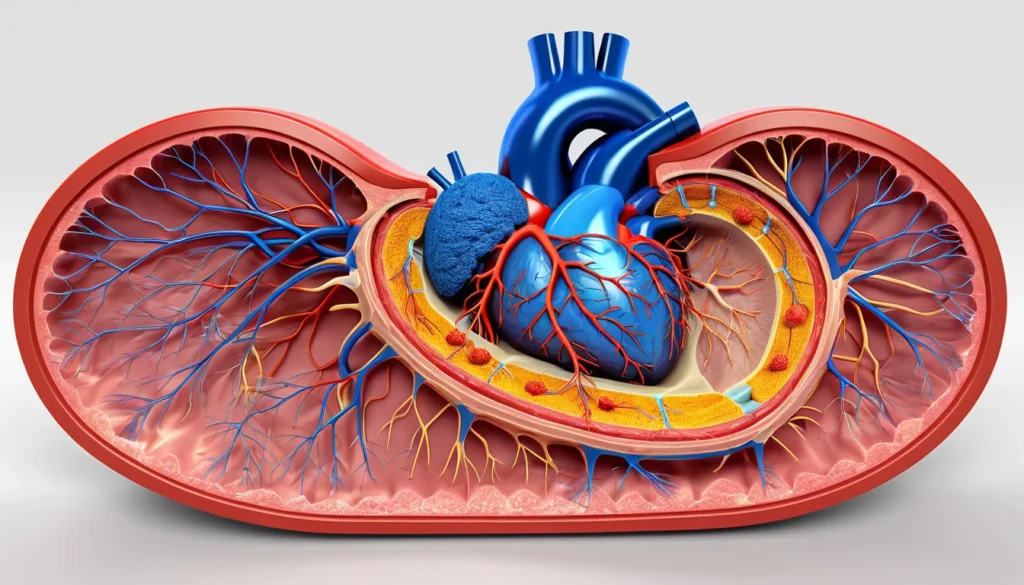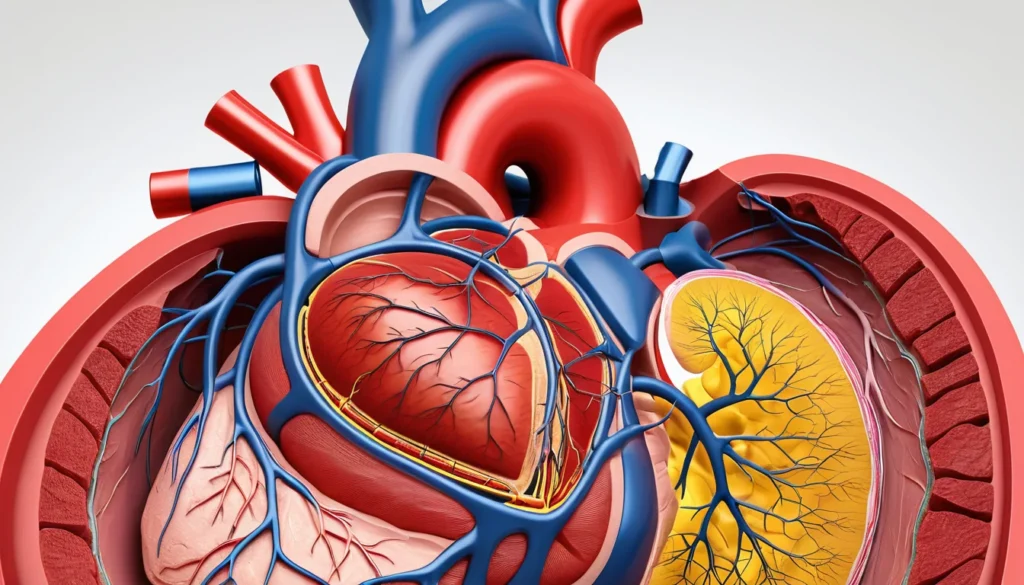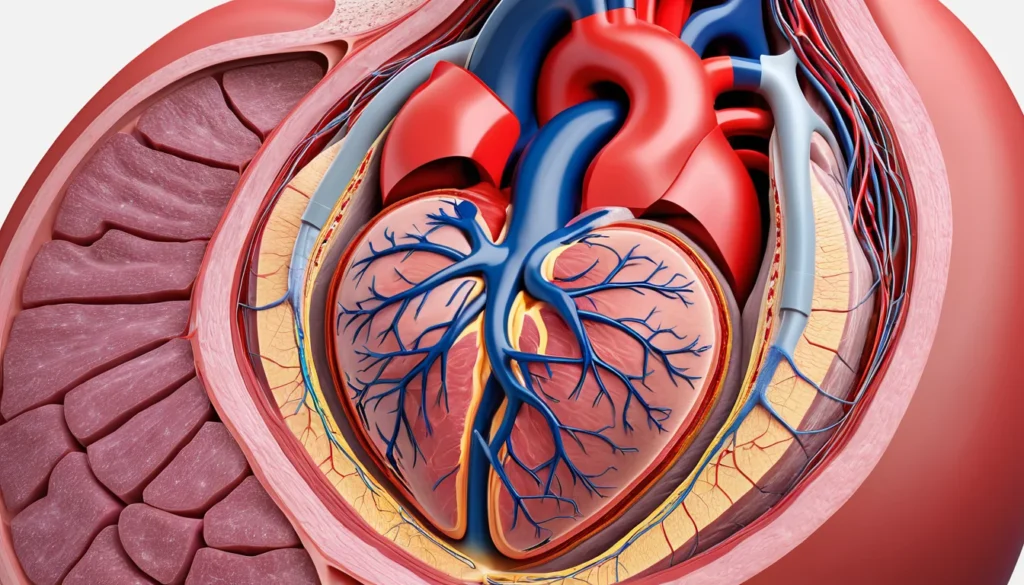
Ischemic heart disease is one of the most common and serious heart conditions affecting Canadians today. It happens when the coronary arteries — the blood vessels that feed your heart — become narrowed, reducing blood flow to the heart muscle. This reduced flow means your heart does not get enough oxygen, fatty acids, or glucose to work properly. In this article, we explain what ischemic heart disease is, how angina and heart attacks fit into the picture, and what you can do to protect your heart health.
What Is Ischemic Heart Disease?
Your heart is a muscle. Like any muscle, it needs a steady supply of blood and oxygen to keep working. The coronary arteries deliver that blood. When those arteries narrow — often due to a build-up of plaque — less blood gets through. This is called ischaemia, which simply means “not enough blood flow.”
The term ischemic heart disease covers all the heart problems caused by this reduced blood flow. It includes angina (chest pain) and heart attacks (myocardial infarction). According to the World Health Organization, cardiovascular disease is the leading cause of death worldwide — and ischemic heart disease is a major driver of that statistic.
The good news is that many risk factors are manageable. Understanding the condition is the first step toward protecting your health.
Angina Pectoris: Chest Pain as a Warning Sign
Angina pectoris — often just called angina — means chest pain or discomfort caused by reduced blood flow to the heart. The Latin phrase literally means “pain in the chest.” It is not a heart attack, but it is your body’s way of telling you that your heart is under stress.
There are two main types of angina. Knowing the difference matters.
Stable Angina
Stable angina is the more predictable form. It usually happens during physical effort — climbing stairs, shovelling snow, or exercising. The pain comes on at a similar level of exertion each time and goes away with rest or with a nitroglycerin tablet placed under the tongue. This pattern is consistent and manageable, but it still needs medical attention.
Other triggers for stable angina can include cold weather, a heavy meal, sexual activity, emotional stress, or strong emotions. Some over-the-counter decongestant medications can also trigger an episode. It is important to discuss all medications with your family doctor or pharmacist.
Unstable Angina
Unstable angina is more serious. It can happen at rest, during sleep, or without any clear trigger. It does not follow a predictable pattern. This type of angina is a medical emergency. It signals severe heart stress and can lead to a heart attack if not treated quickly.
If you experience chest pain at rest — especially for the first time — call 911 immediately. Do not drive yourself to the hospital.
Symptoms of Ischemic Heart Disease
The most important symptom of ischemic heart disease is chest pain. However, the way it feels can vary from person to person. Knowing the full range of symptoms can help you act quickly.
Common Symptoms
Chest pain or pressure: Often described as a squeezing, tightening, or crushing feeling in the centre of the chest — like a fist gripping the heart.
Radiating pain: The pain may spread to the left arm, neck, jaw, or upper abdomen.
Shortness of breath: Feeling winded during mild activity or even at rest.
Cold sweats: Breaking into a sweat without physical exertion.
Fatigue: Unusual or unexplained tiredness.
Anxiety or sense of doom: A strong feeling that something is seriously wrong.
Visual disturbances: Temporary changes in vision during an episode.
Pain that lasts less than 20 minutes is more likely to be angina. Pain that lasts longer — sometimes hours — may indicate a heart attack. In that case, call 911 right away.
Symptoms in Special Populations
Some people experience different or milder symptoms. Older adults, people with diabetes, and those with dementia may feel little to no chest pain at all. In these cases, fatigue, shortness of breath, or nausea may be the only signs. Furthermore, women are more likely than men to experience atypical symptoms like jaw pain, back pain, or nausea.
Because chest discomfort can sometimes feel like indigestion or heartburn, it is easy to ignore. However, if you are unsure, always err on the side of caution and seek medical care. The Mayo Clinic provides a helpful overview of angina symptoms that can help you understand the warning signs better.
Heart Attack: The Most Serious Form of Ischemic Heart Disease
A heart attack — medically called a myocardial infarction — happens when blood flow to part of the heart muscle is completely cut off. Without blood and oxygen, heart muscle cells begin to die within minutes. This is a life-threatening emergency.
What Causes a Heart Attack?
Most heart attacks are caused by a build-up of plaque inside the coronary arteries. This plaque is made up of cholesterol, calcium, white blood cells, and other substances. Over time, plaque hardens and a fibrous cap forms around it.
If blood pressure suddenly rises or blood flow shifts rapidly, that fibrous cap can crack or rupture. As a result, the body tries to “heal” the crack the same way it heals a cut — by forming a blood clot. That clot can then block the artery entirely, cutting off blood to part of the heart. This is what causes the heart attack.
This underlying process — the build-up of plaque in the arteries — is called atherosclerosis. It develops slowly over many years, often without any symptoms.
Risk Factors for Ischemic Heart Disease and Heart Attack
Several factors raise your risk of ischemic heart disease. Some you cannot change; others you can.
Family history: A parent or sibling with heart disease increases your risk.
Smoking: Nicotine damages blood vessels and speeds up plaque build-up.
High blood pressure (hypertension): Puts extra strain on artery walls.
High cholesterol (dyslipidaemia): Contributes directly to plaque formation.
Obesity: Linked to multiple cardiovascular risk factors.
Physical inactivity: A sedentary lifestyle weakens the cardiovascular system.
Diabetes: High blood sugar damages blood vessels over time.
Stress: Chronic stress raises blood pressure and contributes to unhealthy behaviours.
Diagnosis: How Doctors Identify Ischemic Heart Disease
If you have chest pain or other symptoms, your doctor will need to run some tests to find the cause. Your family doctor can begin this process or refer you to a cardiologist through your provincial health plan.
Common Diagnostic Tests
An electrocardiogram (ECG) records the electrical activity of your heart. It is quick, painless, and widely available at most clinics and hospitals across Canada. It can reveal abnormal heart rhythms or signs of a previous heart attack.
An echocardiogram uses ultrasound to create a moving image of your heart. It shows how well your heart pumps and whether any areas are not getting enough blood.
A stress test monitors your heart while you exercise — usually on a treadmill or stationary bike. If exertion triggers chest pain or ECG changes, it strongly suggests coronary artery disease. This test is commonly ordered through cardiology referrals in most provinces.
In more complex cases, a coronary angiogram may be performed. This procedure involves injecting a dye into the coronary arteries and taking X-ray images. It precisely identifies where the arteries are narrowed and by how much. This procedure is done in a hospital setting.
Treatment and Prevention of Ischemic Heart Disease
Treatment for ischemic heart disease has two goals: relieving symptoms and preventing a heart attack. Your care plan may include lifestyle changes, medications, or both.
Lifestyle Changes That Make a Real Difference
Quit smoking: This is the single most important step. Canada offers free smoking cessation programmes through provincial health plans and Health Canada resources.
Eat heart-healthy meals: Focus on fibre-rich foods, vegetables, fruits, and lean proteins. Limit saturated fats and processed foods.
Exercise regularly: Aim for at least 150 minutes of moderate activity per week, as recommended by Canadian guidelines.
Manage stress: Chronic stress affects heart health. Relaxation techniques, sleep hygiene, and mental health support all help.
Maintain a healthy weight: Even a modest weight loss can meaningfully reduce cardiovascular risk.
Medications and Medical Management
Your doctor may prescribe medications depending on your situation. Aspirin, taken under medical supervision, can reduce the risk of blood clots and lower the chance of a heart attack or unstable angina. Do not start or stop aspirin on your own — always follow your doctor’s guidance.
Nitroglycerin tablets or sprays are used during angina episodes to quickly widen the arteries. Other medications may include beta-blockers, statins, ACE inhibitors, or calcium channel blockers. Your cardiologist or family doctor will tailor a plan to your needs.
If you take oral contraceptives (birth control pills), talk to your doctor. The oestrogen in these pills can increase the risk of blood clotting, which is a concern if you already have angina or coronary artery disease. Health Canada provides guidance on heart disease risk factors and prevention that is relevant to all Canadians.
Helpful Day-to-Day Habits During Angina Management
Rest after meals — digestion redirects blood away from the heart temporarily.
Stop activity immediately if an angina episode begins. Rest and take your prescribed medication.
During nighttime episodes, try elevating your head and upper body slightly to reduce the workload on your heart.
Avoid sudden exposure to very cold air, which can trigger an episode.
When to See a Doctor
You should speak with your family doctor if you experience any chest discomfort, especially during exertion. Do not wait to see if it goes away on its own. Your family doctor can order initial tests or refer you to a cardiologist through your provincial health plan at no out-of-pocket cost.
If you do not have a family doctor, a walk-in clinic can assess your symptoms and arrange urgent referrals if needed. Many provinces also have nurse practitioner-led clinics that handle cardiovascular risk assessments.
Call 911 immediately if you experience:
Sudden severe chest pain or pressure
Pain spreading to your arm, neck, or jaw
Chest pain at rest that does not go away
Shortness of breath combined with chest discomfort
Cold sweats, nausea, or lightheadedness alongside chest pain
Every minute counts during a heart attack. Fast action saves heart muscle — and lives.
This article is for informational purposes only and does not replace professional medical advice. Always consult your family doctor or a qualified healthcare provider about any heart-related symptoms or concerns.
Frequently Asked Questions About Ischemic Heart Disease
What is the difference between angina and a heart attack?
Angina is chest pain caused by reduced blood flow to the heart, but no permanent heart muscle damage occurs. A heart attack happens when blood flow is completely blocked and heart muscle cells begin to die. Both are signs of ischemic heart disease and require prompt medical attention.
What are the early warning signs of ischemic heart disease?
Early signs of ischemic heart disease can include chest tightness or pressure during exertion, unusual shortness of breath, and unexplained fatigue. Some people also notice pain radiating to the left arm or jaw. If you experience any of these symptoms, speak with your family doctor as soon as possible.
Can ischemic heart disease be reversed?
While ischemic heart disease cannot always be fully reversed, its progression can be significantly slowed or stopped with lifestyle changes and medical treatment. Quitting smoking, eating a heart-healthy diet, exercising regularly, and taking prescribed medications can all make a major difference. Early intervention gives the best outcomes.
Is chest pain always a sign of heart disease?
Not all chest pain is heart-related — it can also be caused by acid reflux, muscle strain, anxiety, or lung conditions. However, chest pain that occurs during exertion, spreads to the arm or jaw, or is accompanied by sweating should always be evaluated for ischemic heart disease. When in doubt, seek medical care promptly.
How is ischemic heart disease diagnosed in Canada?
In Canada, your family doctor can order an ECG, echocardiogram, or stress test to assess for ischemic heart disease. These tests are covered under most provincial health plans. If further investigation is needed, you may be referred to a cardiologist for a coronary angiogram