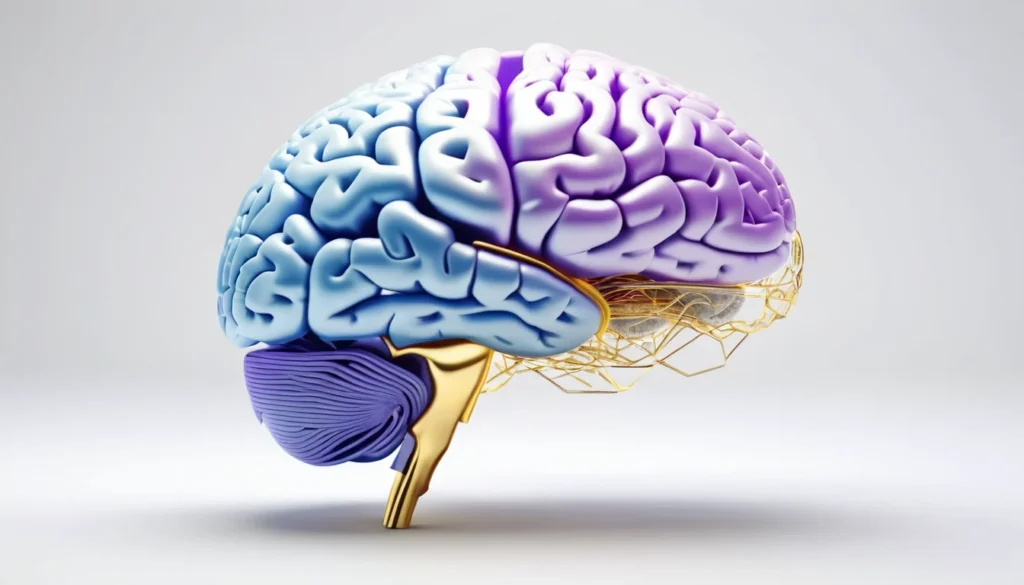
An IQ test is a standardised tool used to measure a person’s intellectual abilities. It compares your results to the average scores of a large group of people who took the same test. Understanding what an IQ test is, how it works, and what your score really means can help you make informed decisions about your cognitive health and wellbeing.
What Is an IQ Test?
An IQ test, or intelligence quotient test, is a structured assessment designed to evaluate a range of mental skills. These skills include memory, reasoning, problem-solving, and the ability to understand patterns.
The term “IQ” stands for Intelligence Quotient. It is a number that reflects how a person’s cognitive abilities compare to others of a similar age group. The average IQ score is set at 100 for most standardised tests.
IQ tests are used in many settings. These include schools, clinical psychology offices, and research studies. They help identify both exceptional abilities and areas where someone may need extra support.
A Brief History of IQ Testing
The idea of measuring intelligence formally began in the early 1900s. Two of the most influential early developers were Alfred Binet and Théodore Simon, who created a test to identify children who needed additional help in school.
The Binet-Simon Scale
The Binet-Simon scale was one of the first tools to measure mental age against biological age. For example, if a 10-year-old child performed at the level of an average 12-year-old, their mental age was considered 12.
Over time, researchers improved this model. It eventually evolved into what we now call a performance-based IQ test that produces a numerical score. This score became the foundation for modern intelligence testing as we know it today.
The Wechsler Intelligence Scales
Later, psychologist David Wechsler developed a more comprehensive approach to intelligence testing. His test, known as the Wechsler scale, examines the full range of a person’s mental functioning rather than just a single measure.
The Wechsler test uses a battery of subtests. Each subtest targets a different intellectual skill. These skills include arranging images in logical order, matching related elements, reconstructing geometric shapes, understanding verbal concepts, and recalling sequences of numbers.
Today, updated versions of the Wechsler scales are among the most widely used IQ tests in Canada and around the world. They are administered by trained psychologists in clinical or educational settings.
What Does an IQ Test Actually Measure?
Many people assume an IQ test measures overall “smartness.” However, the reality is more nuanced. An IQ test measures specific cognitive abilities, not your worth, creativity, or emotional intelligence.
Most modern IQ tests evaluate several core areas of thinking:
Verbal comprehension: Your ability to understand and use language effectively.
Perceptual reasoning: Your ability to interpret visual information and solve non-verbal problems.
Working memory: Your ability to hold and use information in your mind over a short period.
Processing speed: How quickly and accurately you can complete simple cognitive tasks.
Together, these scores are combined to produce a full-scale IQ score. However, psychologists also look closely at each individual area. A big difference between scores in different areas can reveal important information about how a person thinks and learns.
According to the World Health Organization’s mental health resources, cognitive assessments are valuable tools when used as part of a broader approach to mental health evaluation.
How Is an IQ Test Scored?
IQ scores follow what is called a bell curve, also known as a normal distribution. This means most people score near the middle, with fewer people scoring at the very high or very low ends.
Understanding the Score Ranges
Here is a general breakdown of how IQ scores are typically classified:
Below 70: Indicates a significant intellectual disability and usually requires professional assessment and support.
70–84: Below average range, may indicate a learning difficulty.
85–114: Average range, where most people fall.
115–129: Above average or high average range.
130 and above: Considered in the gifted or very superior range.
It is important to remember that these ranges are guidelines, not definitive labels. A single IQ test score does not tell the whole story about a person’s abilities or potential.
Factors That Can Affect Your Score
Your IQ test score can be influenced by many factors beyond natural ability. Stress, fatigue, anxiety, and even hunger on the day of testing can all lower your performance.
Furthermore, cultural background and language can play a role. Some tests are designed with a particular cultural context in mind. As a result, people from different backgrounds may find certain questions less familiar, which can affect their scores.
Education level, access to learning resources, and childhood environment are also known to influence cognitive development and test performance. This is why professional psychologists interpret IQ scores carefully and in context.
IQ Tests in the Canadian Healthcare and Education System
In Canada, IQ testing is most commonly used in educational and clinical psychology settings. School boards across the country use cognitive assessments to identify students who may benefit from gifted programmes or who may need additional learning support.
Provincially funded health plans in many provinces, including Ontario, British Columbia, and Alberta, may cover psychological assessments when they are deemed medically necessary. However, coverage varies. In many cases, families seek private assessments through registered psychologists.
IQ tests are also used in clinical settings to help diagnose conditions such as intellectual disabilities, learning disorders, attention-deficit/hyperactivity disorder (ADHD), and neurological changes related to aging or brain injury.
If you are concerned about your own cognitive abilities or those of a child in your care, speaking with a family doctor or registered psychologist is the best first step. Your doctor can refer you through the public system or advise you on private options available in your province.
For more background on how cognitive assessments are used in healthcare, Mayo Clinic’s overview of cognitive assessment and diagnosis provides a helpful and thorough explanation.
Limitations of IQ Tests
An IQ test is a useful tool, but it is not a perfect one. Experts widely agree that intelligence is far more complex than any single number can capture.
For example, IQ tests do not measure emotional intelligence, which refers to your ability to understand and manage your own emotions and relate to others. They also do not measure creativity, practical problem-solving in real life, or social skills.
In addition, IQ scores are not fixed for life. Research shows that early childhood education, nutrition, and stimulating environments can meaningfully improve cognitive performance over time. Therefore, a low score at one point in life does not mean permanent limitation.
Psychologists and researchers continue to debate and refine what intelligence testing means and how it should be used responsibly. It is always best to view an IQ test result as one piece of a larger picture, not a final verdict.
Online IQ Tests vs. Professional Assessments
You may have seen free IQ tests available online. While these can be fun and interesting, they are generally not considered clinically valid or reliable.
Professional IQ tests are administered one-on-one by a trained psychologist. They follow strict standardised procedures and are normed on large, representative populations. Online tests rarely meet these standards.
Furthermore, online tests are often designed to make you feel either very smart or motivated to purchase a full report. They may not accurately reflect your true cognitive profile. If you need a valid assessment for educational, medical, or legal purposes, always seek a formal evaluation from a registered psychologist.
Health Canada and provincial regulatory colleges require psychologists to meet rigorous training standards before administering and interpreting these assessments. You can find a registered psychologist in your province through your provincial psychological association.
When to See a Doctor or Specialist
If you are noticing changes in your memory, thinking, or ability to concentrate, it is worth speaking with your family doctor. These changes can sometimes signal conditions that benefit from early support.
You should also consider seeking a professional assessment if:
A child is struggling significantly in school despite effort and support.
A child’s teacher or school has recommended a psychoeducational assessment.
You or a family member has experienced a head injury, stroke, or neurological condition.
You are noticing increasing forgetfulness or difficulty with problem-solving as you age.
A child seems far ahead of peers and you want to explore gifted programming options.
Your family doctor is your best starting point. They can refer you to the appropriate specialist, whether that is a neurologist, a registered psychologist, or a developmental paediatrician. If you do not have a family doctor, a walk-in clinic can also help connect you with the right resources and referrals.
For a broader look at cognitive health and what affects brain function over a lifetime, Healthline’s guide to cognitive health offers clear and reliable information.
Always consult a qualified healthcare professional before drawing conclusions from any test result, including an IQ test. A trained professional can help you understand what the results mean in the context of your full health picture.
Frequently Asked Questions About IQ Tests
What does an IQ test measure?
An IQ test measures specific cognitive abilities, including verbal comprehension, reasoning, working memory, and processing speed. It does not measure creativity, emotional intelligence, or overall life success. The results give a snapshot of certain mental skills compared to others in the same age group.
What is a normal or average IQ score?
The average score on most standardised IQ tests is set at 100. Scores between 85 and 114 are generally considered within the average range. Most people in the general population fall within this band.
Can you improve your IQ score?
Research suggests that early childhood education, good nutrition, and mentally stimulating environments can positively influence cognitive development and IQ test performance. However, dramatic improvements in adult IQ scores are less common. Staying mentally active, sleeping well, and managing stress all support healthy brain function.
Are online IQ tests accurate?
Most free online IQ tests are not clinically validated and should not be used for medical, educational, or legal decisions. They lack the standardised conditions and professional norms required for accurate results. For a reliable assessment, see a registered psychologist in your province.
Who can administer a professional IQ test in Canada?
In Canada, professional IQ tests must be administered and interpreted by a registered psychologist. Each province has its own regulatory college that governs who is qualified to conduct these assessments. Your family doctor can provide a referral if a formal cognitive assessment is needed.
Is IQ testing covered by provincial health plans in Canada?
Coverage for IQ testing varies by province and by the reason for the assessment. Some provinces may cover psychoeducational assessments when medically necessary, but many families pay out of pocket through private psychologists. Ask your family doctor or contact your provincial health authority to understand what is available in your area.
Key Takeaways
An IQ test is a standardised tool that measures specific cognitive abilities, including reasoning, memory, verbal skills, and processing speed.
The average IQ score is 100, and most people fall between 85 and 114 on most standardised tests.
Modern IQ tests, such as the Wechsler scales, use multiple subtests to build a detailed picture of a person’s cognitive profile.
IQ scores are influenced by many factors, including stress, education, language, and cultural background.
An IQ test measures only certain abilities. It does not capture emotional intelligence, creativity, or real-world problem-solving skills.
Online IQ tests are not clinically valid. Always seek a formal assessment from a registered psychologist for meaningful results.
In Canada, your family doctor or a walk-in clinic can help refer you to the right professional if you have concerns about cognitive health.
Always speak with a qualified healthcare professional to understand what any test result means for your specific situation.