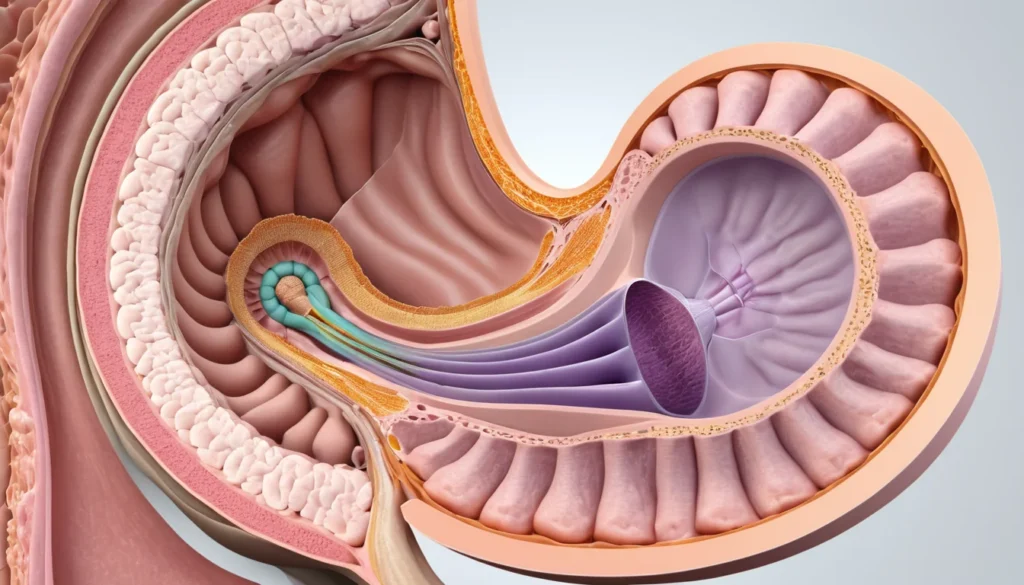
An invasive procedure is any medical treatment or diagnostic test that breaks the skin, enters a body cavity, or causes significant physical discomfort or tissue damage. These procedures range from a simple blood draw to open-heart surgery. Understanding what makes a procedure invasive — and what that means for your health — can help you make informed decisions and ask the right questions at your next appointment.
What Is an Invasive Procedure?
The word “invasive” comes from the idea of something entering or aggressively affecting the body. In medicine, an invasive procedure is one that goes beyond the surface of the skin or into a body cavity. This can involve cutting, inserting instruments, or otherwise disrupting body tissue.
Not all invasive procedures are major surgeries. Even getting a blood test counts as minimally invasive, because a needle breaks the skin. However, doctors generally divide these procedures into two broad categories: minimally invasive and highly invasive.
Understanding this difference helps patients know what to expect before, during, and after treatment. It also helps you ask better questions when your family doctor or specialist recommends a procedure.
Minimally Invasive vs. Highly Invasive Procedures
Doctors and healthcare providers use the term “minimally invasive” to describe procedures that cause little tissue damage and have a shorter recovery time. These techniques have improved greatly over the past few decades. As a result, many Canadians now recover faster and spend less time in hospital.
Common Minimally Invasive Procedures
Minimally invasive procedures still enter the body, but they do so with small incisions or natural openings. Here are some common examples:
Laparoscopy: A surgeon inserts a thin camera through a small cut in the abdomen to view organs or perform surgery.
Endoscopy: A flexible tube goes through the mouth or rectum to examine the digestive tract.
Blood draws and injections: A needle breaks the skin to collect blood or deliver medication.
Catheterization: A thin tube enters the body through a blood vessel or the urethra.
Biopsy: A small sample of tissue is removed for laboratory testing.
These procedures usually require local anaesthetic or light sedation. Most Canadians have these done at a hospital outpatient centre, a specialist’s office, or even a walk-in clinic.
Highly Invasive (Open) Procedures
Highly invasive procedures involve larger incisions and greater disruption to body tissue. They usually require general anaesthesia and a longer hospital stay. Recovery can take weeks or even months.
Open-heart surgery: The chest is opened to repair or replace heart valves and arteries.
Joint replacement: The surgeon removes a damaged joint and replaces it with an artificial one.
Caesarean section (C-section): An incision through the abdomen and uterus delivers a baby.
Organ transplant: A diseased organ is removed and replaced with a healthy donor organ.
Brain surgery (craniotomy): Part of the skull is temporarily removed to access the brain.
These surgeries carry higher risks, but they are sometimes the only effective treatment option. Your surgical team will always explain the risks and benefits beforehand.
Why Doctors Recommend Invasive Procedures
Your family doctor or specialist will only recommend an invasive procedure when the benefits clearly outweigh the risks. In many cases, less invasive treatments such as medication, physiotherapy, or lifestyle changes are tried first.
However, some conditions simply cannot be treated any other way. For example, a blocked artery may require a stent inserted through a catheter. A tumour may need to be surgically removed. In these situations, the invasive approach is the most effective — and sometimes the only — option.
In addition, some invasive procedures are diagnostic rather than therapeutic. This means they are used to find out what is wrong, not to treat it directly. A biopsy, for instance, helps doctors confirm whether a growth is cancerous. A colonoscopy checks for polyps or signs of colorectal cancer.
According to Health Canada, Canadians have access to a wide range of publicly funded diagnostic and surgical procedures through provincial and territorial health plans. Most medically necessary invasive procedures are covered, though wait times can vary by province.
Risks Associated with Invasive Procedures
Every invasive procedure carries some level of risk. The degree of risk depends on the type of procedure, your overall health, your age, and other medical conditions you may have. Your healthcare provider will walk you through these risks before you give informed consent.
Common Risks to Be Aware Of
Infection: Any time the skin or a body cavity is opened, there is a risk of bacteria entering the body.
Bleeding: Cutting into tissue or blood vessels can cause blood loss.
Anaesthetic reactions: Some people react poorly to local or general anaesthesia.
Scarring: Incisions leave scars, though surgeons work to minimize them.
Damage to nearby tissue: Surrounding organs, nerves, or blood vessels can sometimes be affected.
Blood clots: Immobility after surgery increases the risk of deep vein thrombosis (DVT).
The Mayo Clinic notes that most surgical complications are rare and manageable when procedures are performed by experienced, qualified medical teams. However, it is important to understand the risks specific to your situation.
How to Reduce Your Risk
There are steps you can take to lower your risk before and after an invasive procedure. Following your doctor’s instructions carefully makes a real difference.
Tell your doctor about all medications, supplements, and allergies before the procedure.
Follow fasting instructions before surgery.
Stop smoking before and after the procedure, as smoking slows healing.
Keep all follow-up appointments so your doctor can monitor your recovery.
Watch for signs of infection, such as redness, swelling, warmth, or fever, and report them immediately.
Invasive Procedures and the Canadian Healthcare System
In Canada, most medically necessary invasive procedures are covered under provincial and territorial health plans. This means you generally do not pay out of pocket for surgery or diagnostic procedures that your doctor deems necessary. However, the rules vary slightly from province to province.
Your family doctor is usually your first point of contact. They will refer you to a specialist if needed. The specialist then determines whether an invasive procedure is appropriate and adds you to a surgical or procedure waitlist if required.
Wait times for elective invasive procedures can be long in some provinces. For urgent or emergency situations, Canadians receive care promptly through hospital emergency departments. If you are concerned about your wait time, speak openly with your doctor or contact your provincial health authority.
Furthermore, some Canadians choose to access certain minimally invasive procedures through private clinics. These are typically not covered by provincial health plans and require out-of-pocket payment. Always confirm coverage with your provincial plan before proceeding.
Non-Invasive Alternatives: Are They Always an Option?
A non-invasive procedure does not break the skin or enter the body. Common examples include ultrasound imaging, X-rays, MRI scans, and external radiation therapy. These approaches carry fewer immediate risks and require little to no recovery time.
However, non-invasive options are not always sufficient. Sometimes a doctor needs direct access to tissue or an organ to diagnose or treat a condition effectively. In these cases, an invasive approach is necessary.
The World Health Organization (WHO) emphasizes that the choice between invasive and non-invasive treatment should always be guided by clinical evidence and the patient’s individual circumstances. Your doctor weighs the options carefully before making a recommendation.
Therefore, it is important to have an open conversation with your healthcare provider. Ask about all available options, including non-invasive alternatives, before agreeing to any procedure.
When to See a Doctor
You should speak with your family doctor if you have been told you need an invasive procedure and you have questions or concerns. Do not hesitate to ask for a clear explanation of why the procedure is necessary, what it involves, and what the recovery looks like.
If you experience symptoms that may require urgent evaluation — such as severe abdominal pain, chest pain, difficulty breathing, or unexplained lumps — visit a walk-in clinic or emergency department promptly. Early assessment can determine whether an invasive diagnostic procedure is needed and can make a significant difference in outcomes.
After an invasive procedure, watch for warning signs of complications. These include increasing pain, fever above 38.5°C, unusual discharge from a wound, or sudden swelling. If you notice any of these, contact your doctor or visit a walk-in clinic right away.
Remember, your healthcare team is there to support you. Asking questions and staying informed is one of the best things you can do for your health.
Frequently Asked Questions
What is the difference between an invasive and a non-invasive procedure?
An invasive procedure breaks the skin, enters a body cavity, or causes tissue damage — for example, surgery or a biopsy. A non-invasive procedure, such as an MRI or ultrasound, does not enter the body at all. The key difference is the degree of physical disruption to the body.
Is a blood test considered an invasive procedure?
Yes, a blood test is considered a minimally invasive procedure because a needle breaks the skin to collect blood. While it causes only minor discomfort and heals quickly, it does technically involve tissue disruption. Most Canadians have blood tests regularly as part of routine health care.
Are invasive procedures covered by provincial health plans in Canada?
Most medically necessary invasive procedures are covered by provincial and territorial health plans across Canada. Coverage rules can vary slightly by province, so it is worth confirming with your provincial health authority or family doctor. Elective or cosmetic invasive procedures are generally not covered.
What are the most common risks of an invasive medical procedure?
The most common risks of an invasive procedure include infection, bleeding, scarring, and reactions to anaesthesia. More serious risks, such as damage to surrounding tissue or blood clots, are less common but possible. Your doctor will explain all relevant risks before asking for your informed consent.
What does “minimally invasive surgery” mean?
Minimally invasive surgery uses small incisions and specialized instruments — such as cameras and thin tools — instead of large cuts. Common examples include laparoscopic surgery and endoscopy. This approach typically means less pain, fewer complications, and a faster recovery compared to open surgery.
How do I know if I need an invasive procedure?
Your family doctor or specialist will recommend an invasive procedure only when it is the most effective way to diagnose or treat your condition. They will consider your overall health, try less invasive options first where possible, and explain why the procedure is necessary. Always feel free to ask for a second opinion if you are unsure.
Key Takeaways
An invasive procedure is any medical treatment or test that breaks the skin, enters a body cavity, or causes significant tissue disruption.
Invasive procedures range from minimally invasive (blood draws, biopsies, laparoscopy) to highly invasive (open surgery, organ transplants).
Doctors recommend invasive procedures only when the benefits outweigh the risks and when less invasive options are not sufficient.
Common risks include infection, bleeding, scarring, and anaesthetic reactions — all of which your medical team will discuss with you beforehand.
In Canada, most medically necessary invasive procedures are covered by provincial health plans. Wait times vary, so speak with your family doctor about your options.
Always consult your family doctor or visit a walk-in clinic if you have questions about a recommended procedure or if you develop symptoms after one.
This article is for informational purposes only. Always speak with a qualified healthcare professional before making decisions about your medical care.