Intravenous therapy is a medical treatment that delivers fluids, medications, or nutrients directly into a vein. It is one of the most common procedures performed in Canadian hospitals, clinics, and emergency rooms. This article explains what intravenous therapy is, how it works, when doctors use it, and what you can expect if you ever need it.
What Is Intravenous Therapy?
The word intravenous comes from Latin, meaning “within a vein.” When healthcare providers give you an intravenous treatment, they insert a small needle or thin plastic tube — called a catheter — directly into one of your veins. This allows substances to enter your bloodstream immediately.
Most people have heard the term “IV drip.” This refers to a bag of liquid connected to a tube that slowly drips fluid into your vein. Intravenous therapy is different from a regular injection, which goes into muscle or just under the skin. The vein route is faster and more direct.
In Canada, intravenous therapy is used in hospitals, urgent care centres, and even some outpatient clinics. Depending on your province, your provincial health plan typically covers medically necessary IV treatments when a doctor prescribes them.
How Intravenous Therapy Works
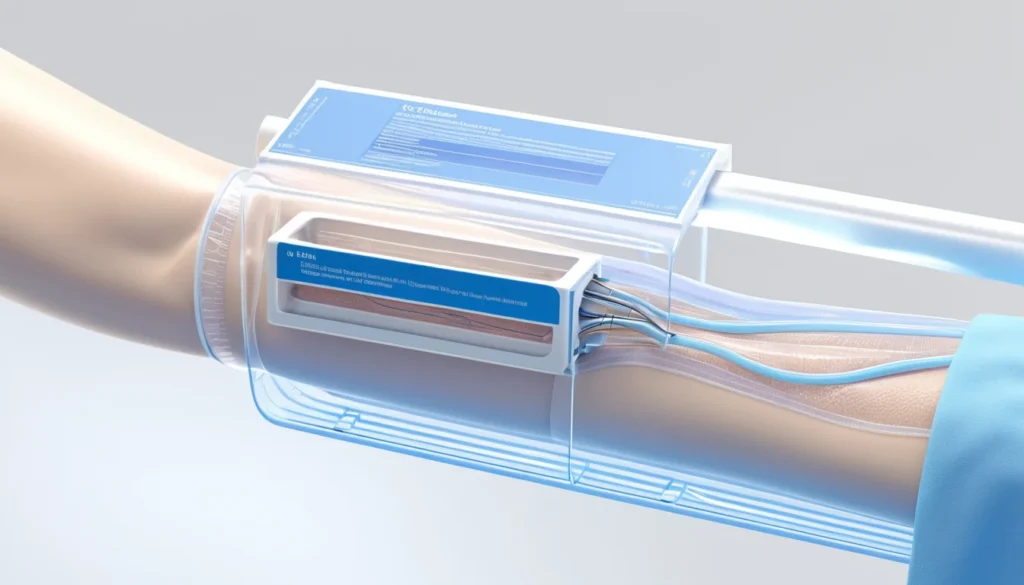
When you receive intravenous therapy, a trained nurse or doctor first finds a suitable vein — usually in your arm, hand, or inner elbow. They clean the area with an antiseptic wipe to prevent infection. Then they insert a small needle or catheter through the skin and into the vein.
Once the catheter is in place, they secure it with medical tape. A tube connects the catheter to an IV bag or a syringe pump. The fluid or medication then flows directly into your bloodstream at a controlled rate.
Because the substance goes straight into the blood, it works much faster than a pill you swallow. A swallowed pill must travel through your digestive system first, which can take 30 minutes to several hours. However, an IV medication can start working within seconds or minutes.
Types of IV Access
There are different ways doctors deliver intravenous therapy, depending on how long you need treatment and what type of medication you require.
Peripheral IV line: The most common type. A short catheter goes into a vein in your arm or hand. It is used for short-term treatments.
Central venous catheter (CVC): A longer tube inserted into a large vein near the chest or neck. Doctors use this for longer treatments or strong medications.
PICC line (Peripherally Inserted Central Catheter): A thin, flexible tube inserted into a vein in the upper arm that reaches a large vein near the heart. This is used for weeks or months of treatment.
Intraosseous (IO) access: In emergencies, medication can be delivered into the bone marrow when a vein is hard to access. This is mainly used in critical care situations.
Your healthcare team will choose the right type of IV access based on your specific needs and medical condition.
Common Uses of Intravenous Therapy in Canada
Intravenous therapy has many important medical uses. Doctors and nurses use it every day in Canadian hospitals and health centres across the country.
Delivering Fluids and Electrolytes
When someone is severely dehydrated — from vomiting, diarrhea, or illness — drinking water may not be enough. Intravenous fluids can rehydrate the body quickly. These fluids often contain electrolytes like sodium, potassium, and chloride to restore the body’s balance.
This is especially common in emergency departments across Canada. For example, a child with severe gastroenteritis may receive IV fluids at a hospital to recover safely and quickly.
Administering Medications
Many powerful medications work best when given intravenously. These include antibiotics for serious infections, chemotherapy drugs for cancer treatment, and pain medications after surgery. In addition, medications for heart conditions and blood clots are often given by IV because precise dosing and fast action are critical.
Some medications simply cannot be swallowed as pills. They would break down in the stomach before reaching the bloodstream. Therefore, the intravenous route is the only effective option for delivering them.
Blood Transfusions
Blood transfusions are also given intravenously. If you lose a significant amount of blood during surgery or after an injury, healthcare providers may give you donated red blood cells, platelets, or plasma through an IV line. This helps restore your blood volume and oxygen levels.
In Canada, Canadian Blood Services manages the national blood supply. Blood transfusions are carefully matched to your blood type to prevent complications.
Nutrition Support
Some patients cannot eat or absorb food normally due to illness, surgery, or digestive conditions. In these cases, doctors can deliver nutrition directly into the bloodstream. This is called parenteral nutrition or total parenteral nutrition (TPN).
TPN provides a carefully balanced mix of proteins, carbohydrates, fats, vitamins, and minerals. It keeps the body nourished when the digestive system cannot do its job. This is typically given through a central venous catheter rather than a standard peripheral IV.
What to Expect During Intravenous Therapy
If your doctor has ordered intravenous therapy for you, it is natural to feel a little nervous — especially if it is your first time. Knowing what to expect can help ease your concerns.
Before inserting the IV, your nurse will explain the procedure and answer your questions. You may feel a brief sharp pinch when the needle goes in. Most people find that the discomfort passes quickly. After the catheter is in place, you should not feel ongoing pain at the insertion site.
During the treatment, you will likely sit or lie down in a bed or reclining chair. Depending on what is being given, the infusion can take anywhere from a few minutes to several hours. Some patients receive IV therapy as outpatients and can go home afterward.
Possible Side Effects and Risks
Intravenous therapy is generally safe when performed by trained healthcare professionals. However, like any medical procedure, it carries some risks.
Bruising or bleeding at the insertion site
Phlebitis: Irritation or inflammation of the vein, causing redness and swelling
Infiltration: The IV fluid leaks into the surrounding tissue instead of the vein, causing swelling
Infection: If proper sterile technique is not used, bacteria can enter through the catheter site
Air embolism: A rare but serious complication where air enters the bloodstream
Allergic reaction: Some people react to the medication or fluid being given
Tell your nurse or doctor immediately if you notice pain, swelling, redness, or warmth at your IV site. You should also report any chills, fever, or difficulty breathing during an infusion. These may be signs of a complication that needs quick attention.
Intravenous Therapy at Home in Canada
In Canada, some patients can receive intravenous therapy at home through home infusion programmes. These programmes allow patients to continue IV treatments — such as long-term antibiotics or nutrition support — without staying in hospital.
Home IV programmes are available in many provinces. A home care nurse visits your home to set up the IV, monitor your condition, and teach you or a family member how to manage the equipment safely. Your provincial health plan may cover home infusion services, but coverage varies. It is worth asking your family doctor or care team about what is available in your area.
Home IV therapy can greatly improve quality of life for patients with chronic conditions. It reduces the need for long hospital stays while still delivering the medical treatment you need. Furthermore, being at home is often less stressful and more comfortable for both patients and their families.
For more detailed information on intravenous treatments and how they work, you can visit Mayo Clinic’s overview of intravenous procedures or review guidance from the World Health Organization on injection and infusion safety.
When to See a Doctor About Intravenous Therapy
Most people receive intravenous therapy only when a doctor has determined they need it. However, there are situations where you should seek medical advice promptly.
Visit your family doctor or a walk-in clinic if you:
Are unable to keep fluids down due to severe vomiting or diarrhea
Feel dizzy, faint, or extremely weak and cannot hydrate yourself by drinking
Have signs of a serious infection that may require IV antibiotics
Notice redness, swelling, warmth, or discharge at a current IV site
Experience chills or fever during or after an IV infusion
Go to the nearest emergency department immediately if you have chest pain, difficulty breathing, sudden confusion, or a severe allergic reaction during or after intravenous therapy.
If you are managing a long-term condition that may require IV treatment, talk to your family doctor about your options. They can refer you to the right specialists and programmes available through your provincial health system. As always, consult your doctor or a qualified healthcare provider before starting or changing any medical treatment.
You can also find helpful general health information from Health Canada’s official health resources.
Frequently Asked Questions About Intravenous Therapy
What is intravenous therapy used for?
Intravenous therapy is used to deliver fluids, medications, nutrients, and blood products directly into a vein. Doctors use it when fast action is needed, when a patient cannot swallow, or when a medication works best given directly into the bloodstream. Common uses include treating dehydration, serious infections, cancer, and surgical recovery.
Does getting an IV hurt?
You may feel a brief pinch or sting when the needle is first inserted during intravenous therapy. This discomfort usually lasts only a second or two. Once the catheter is in place, most people feel little to no pain at the site during the infusion.
How long does an IV treatment take?
The length of intravenous therapy depends on what is being given and why. A simple IV medication might take just a few minutes, while a full bag of fluids can take 30 minutes to several hours. Some treatments, like certain chemotherapy or nutrition support, may require ongoing daily or weekly infusions.
Can I receive intravenous therapy at home in Canada?
Yes, many Canadian provinces offer home infusion programmes that allow patients to receive intravenous therapy at home. A home care nurse manages the treatment and monitors you for safety. Coverage varies by province, so ask your family doctor whether a home IV programme is available and covered in your area.
What are the risks of intravenous therapy?
Intravenous therapy is generally safe, but risks include bruising, vein irritation, fluid leaking into surrounding tissue, and infection at the insertion site. Rare but serious risks include allergic reactions and air in the bloodstream. Trained healthcare professionals take precautions to minimise these risks during every procedure.
Is intravenous therapy covered by provincial health plans in Canada?
Medically necessary intravenous therapy performed in a hospital or clinic is generally covered by provincial health plans across Canada. However, coverage for home infusion programmes or private IV wellness clinics varies significantly by province. Always check with your provincial health authority or family doctor to confirm what is covered for your specific situation.
Key Takeaways
Intravenous therapy delivers fluids, medications, or nutrients directly into a vein for fast, effective results.
It is used for dehydration, serious infections, cancer treatment, blood transfusions, and nutritional support.
There are several types of IV access — peripheral, central, PICC line — chosen based on your medical needs.
The procedure involves a brief pinch when inserted, but it is generally well-tolerated and safe.
Possible risks include bruising, vein irritation, infection, and allergic reactions — tell your care team about any unusual symptoms.
In Canada, home IV programmes allow some patients to receive intravenous therapy at home through their provincial health system.
Always speak with your family doctor or visit a walk-in clinic if you think you need IV treatment or have concerns about a current IV site.