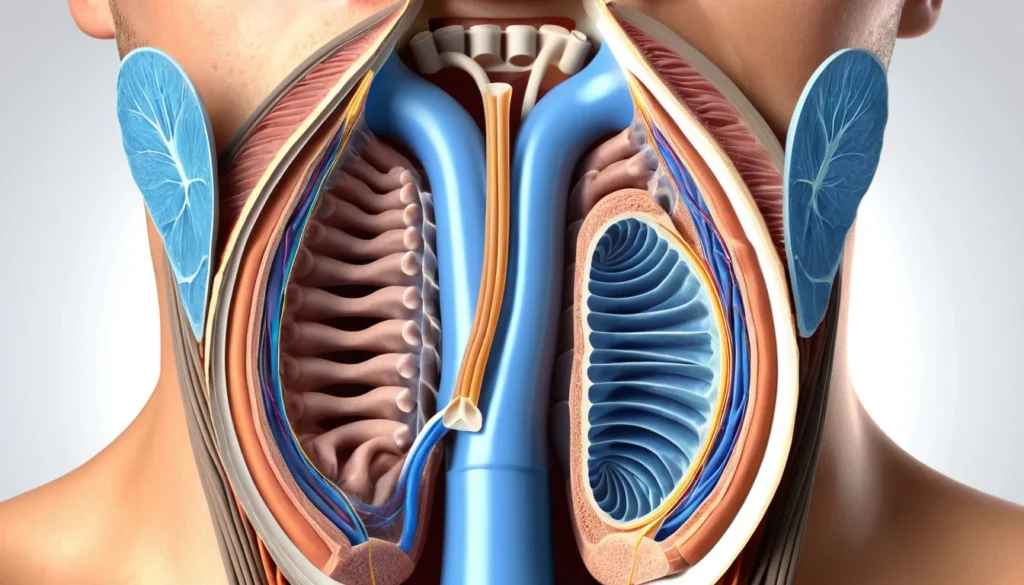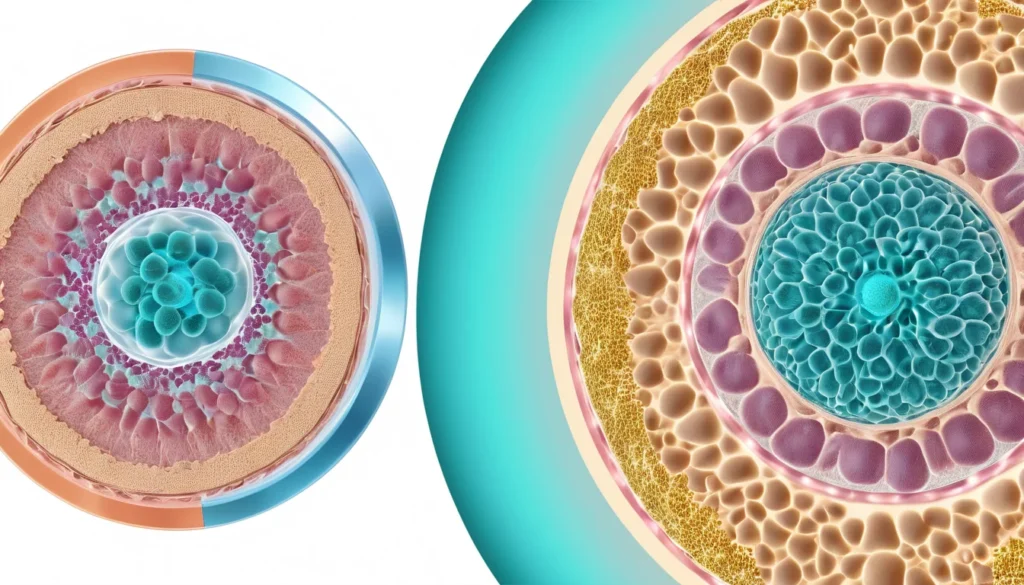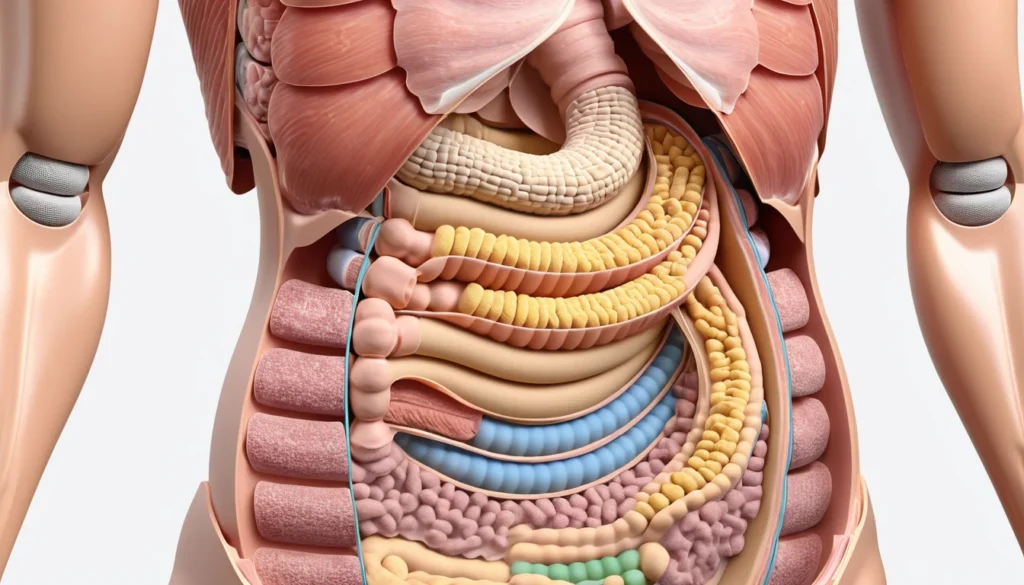
Your intestines are one of the most important parts of your digestive system. They break down food, absorb nutrients, and remove waste from your body. Understanding how your intestines work can help you make better choices for your overall health. This article covers everything you need to know, from basic anatomy to common problems and when to visit your family doctor or walk-in clinic.
What Are the Intestines?
The intestines are a long, tube-like organ that runs from your stomach to your anus. They are divided into two main sections: the small intestine and the large intestine. Together, these two sections make up most of your digestive tract.
The intestines sit inside your abdomen, coiled together in a compact space. Despite their size inside your body, they are surprisingly long when stretched out. Their main job is to continue the digestion process that starts in your mouth and stomach.
According to Mayo Clinic’s digestive health resources, the digestive system is a complex network that works constantly, even while you sleep. Your intestines play a central role in keeping that system running smoothly.
The Small Intestine: Structure and Function
The small intestine is the longer of the two sections. It measures about 5 to 6 metres in length in an adult. Despite its name, it is actually quite narrow in width, which is how it got the word “small.”
The small intestine starts right where the stomach ends, at a point called the pylorus. It then winds through your abdomen before connecting to the large intestine. This long path gives food plenty of time to be broken down and absorbed.
The Three Segments of the Small Intestine
Doctors describe the small intestine in three distinct segments. Each segment has a specific role in digestion. Understanding these parts helps explain how your body processes food so efficiently.
Duodenum: This is the first and shortest segment. It connects directly to the stomach. The duodenum receives digestive juices from the pancreas and bile from the liver, which help break down fats and proteins.
Jejunum: This is the middle segment. It is here that most of the nutrient absorption takes place. The inner walls of the jejunum are lined with tiny finger-like projections called villi, which increase the surface area for absorption.
Ileum: This is the final segment of the small intestine. It absorbs any remaining nutrients, including vitamin B12 and bile acids. The ileum then connects to the large intestine at a point called the ileocecal junction.
In addition to absorbing nutrients, the small intestine also plays a role in immune defence. It contains lymphatic tissue that helps your body fight off harmful bacteria and viruses that may enter through food or drink.
The Large Intestine: Structure and Function
The large intestine is shorter but much wider than the small intestine. It measures about 1.5 metres in length. Its main job is to absorb water and electrolytes from the material that remains after the small intestine has done its work.
By the time food waste reaches the large intestine, most of the nutrients have already been absorbed. The large intestine then compacts this waste material and prepares it for removal from the body. This process is essential for staying hydrated and maintaining a healthy balance of salts in your blood.
The Parts of the Large Intestine
The large intestine has three main parts. Each plays a specific role in the final stages of digestion. Here is a simple breakdown:
Caecum: This is the pouch-like beginning of the large intestine. It receives waste material from the small intestine. The appendix, a small finger-shaped organ, is attached to the caecum.
Colon: This is the longest part of the large intestine. It is further divided into four sections: ascending, transverse, descending, and sigmoid colon. The colon absorbs water and forms solid stool.
Rectum: This is the final section of the large intestine. It stores stool until your body is ready to expel it. The rectum connects to the anus, where waste leaves the body.
Furthermore, the large intestine is home to trillions of bacteria. These bacteria, often called the gut microbiome, play a vital role in health. They help break down fibre, produce certain vitamins, and support your immune system.
The Role of Fibre in Intestinal Health
Dietary fibre is one of the most important nutrients for your intestines. Fibre is the part of plant foods that your body cannot fully digest. However, it is essential for keeping your bowels moving regularly.
There are two types of fibre: soluble and insoluble. Soluble fibre dissolves in water and forms a gel-like substance. This helps slow digestion and can lower cholesterol. Insoluble fibre adds bulk to your stool and helps waste move through your intestines more quickly.
Health Canada recommends that adult Canadians aim for 25 to 38 grams of fibre per day. Most Canadians do not get enough fibre in their diet. Good sources include fruits, vegetables, whole grains, legumes, and nuts.
As a result of eating enough fibre, you may notice more regular bowel movements, less bloating, and better energy levels. You can find more guidance on healthy eating through Health Canada’s nutrition resources.
Common Intestinal Problems
Many Canadians deal with intestinal issues at some point in their lives. Some problems are mild and resolve on their own. Others require medical attention from a family doctor or specialist.
Irritable Bowel Syndrome (IBS)
IBS is one of the most common intestinal conditions in Canada. It affects the large intestine and causes symptoms like cramping, bloating, gas, diarrhoea, and constipation. IBS is a chronic condition, but many people manage it effectively with diet changes and stress management.
The exact cause of IBS is not fully understood. However, triggers often include certain foods, stress, and changes in gut bacteria. Your family doctor can help you identify your triggers and develop a management plan.
Inflammatory Bowel Disease (IBD)
IBD is a more serious condition that causes chronic inflammation in the digestive tract. The two main types are Crohn’s disease and ulcerative colitis. Canada actually has one of the highest rates of IBD in the world, according to Healthline’s overview of inflammatory bowel disease.
Symptoms of IBD include severe abdominal pain, persistent diarrhoea, rectal bleeding, weight loss, and fatigue. IBD requires ongoing medical management and sometimes surgery. Early diagnosis is key to preventing serious complications.
Constipation and Diarrhoea
Constipation means having fewer than three bowel movements per week, or passing hard, dry stools. Diarrhoea means passing loose or watery stools more than three times a day. Both can be signs of an underlying issue with your intestines.
Short-term constipation or diarrhoea is often caused by diet, travel, stress, or illness. Drinking enough water, eating fibre-rich foods, and staying active usually helps. However, if either condition lasts more than a few days, you should speak with a healthcare provider.
Intestinal Infections
Bacteria, viruses, and parasites can all infect the intestines. These infections are often called gastroenteritis or “stomach flu.” Common symptoms include nausea, vomiting, diarrhoea, and stomach cramps.
Most intestinal infections clear up on their own within a few days. Staying hydrated is the most important step. However, severe cases — especially in young children or older adults — may need medical treatment.
When to See a Doctor
Many intestinal symptoms are not serious. However, some warning signs should never be ignored. If you notice any of the following, contact your family doctor or visit a walk-in clinic as soon as possible:
Blood in your stool or rectal bleeding
Unexplained weight loss
Persistent abdominal pain that does not go away
Diarrhoea or constipation lasting more than two weeks
Difficulty swallowing or feeling like food is stuck
A noticeable change in your normal bowel habits
In Canada, your first point of contact should be your family doctor. If you do not have a family doctor, a walk-in clinic can assess your symptoms and refer you to a specialist if needed. Provincial health plans in most provinces cover visits to a general practitioner for these concerns.
For symptoms that suggest a serious emergency — such as sudden severe pain, high fever with bloody diarrhoea, or signs of dehydration — go to your nearest emergency department right away.
It is always a good idea to consult a healthcare professional before starting any new treatment, supplement, or major dietary change related to your intestinal health. This article is for informational purposes only and does not replace medical advice from a qualified provider.
Tips for Keeping Your Intestines Healthy
The good news is that there is a lot you can do every day to support your intestinal health. Small, consistent habits make a big difference over time. Here are some practical tips that any Canadian can follow:
Eat more fibre: Aim for a variety of fruits, vegetables, legumes, and whole grains every day. Fibre keeps your intestines moving and feeds beneficial gut bacteria.
Stay hydrated: Drink plenty of water throughout the day. Water helps soften stool and supports smooth movement through the intestines.
Exercise regularly: Physical activity stimulates the muscles in your intestines. Even a 30-minute walk most days can improve bowel regularity.
Manage stress: Your brain and intestines are closely connected through what scientists call the gut-brain axis. High stress can trigger or worsen intestinal symptoms, especially in people with IBS.
Limit processed foods: Ultra-processed foods are often low in fibre and high in additives that can disrupt your gut microbiome. Try to cook whole foods at home when possible.
Avoid smoking and limit alcohol: Both smoking and heavy alcohol use can damage the lining of your intestines and increase the risk of serious conditions like colorectal cancer.
Therefore, making these lifestyle changes is one of the most effective ways to protect your intestinal health for the long term. Talk to your family doctor if you need personalized advice based on your health history.
Frequently Asked Questions About the Intestines
How long are the intestines in the human body?
The intestines are surprisingly long. The small intestine measures about 5 to 6 metres, while the large intestine is approximately 1.5 metres. Together, your intestines stretch to around 7.5 metres in total length.
What is the difference between the small intestine and the large intestine?
The small intestine is longer but narrower, and its main job is to absorb nutrients from food. The large intestine is shorter and wider, and it focuses on absorbing water and forming solid stool for removal. Both sections of the intestines work together to complete the digestive process.
What are the signs of an unhealthy gut or intestine?
Common signs of poor intestinal health include bloating, gas, frequent diarrhoea or constipation, abdominal pain, and fatigue. Unexplained weight changes or blood in your stool are more serious warning signs. If you notice these symptoms, speak with your family doctor or visit a walk-in clinic.
Can stress affect your intestines?
Yes, stress has a direct effect on your intestines through the gut-brain axis, a communication network between your brain and digestive system. High stress levels can trigger cramps, diarrhoea, or constipation, especially in people with IBS. Managing stress through exercise, sleep, and relaxation techniques can help improve intestinal symptoms.
What foods are best for intestinal health?
Foods rich in fibre, such as fruits, vegetables, whole grains, and legumes, are excellent for your intestines. Fermented foods like yogurt, kefir, and kimchi also support a healthy gut microbiome. Drinking plenty of water alongside a fibre-rich diet helps keep your intestines functioning at their best.
When should I be worried about intestinal pain?
Mild, occasional intestinal discomfort is usually not serious. However, you should see a doctor if you experience severe or persistent abdominal pain, blood in your stool, unexplained weight loss, or a significant change in your bowel habits. In Canada, your family doctor or a walk-in clinic is a good first step for evaluating intestinal concerns.
Key Takeaways
Your intestines are divided into two main sections: the small intestine (5–6 metres) and the large intestine (1.5 metres).
The small intestine has three segments — the duodenum, jejunum, and ileum — and is responsible for absorbing most nutrients.
The large intestine includes the caecum, colon, and rectum, and its main role is absorbing water and forming solid waste.
Eating enough fibre, staying hydrated, exercising, and managing stress are the best ways to support your intestinal health.
Common intestinal problems include IBS, IBD, constipation, diarrhoea, and infections.
Speak with your family doctor or visit a walk-in clinic if you have persistent or concerning symptoms. Provincial health plans cover these visits for most Canadians.
Always consult a qualified healthcare professional for personal medical advice related to your intestinal health.