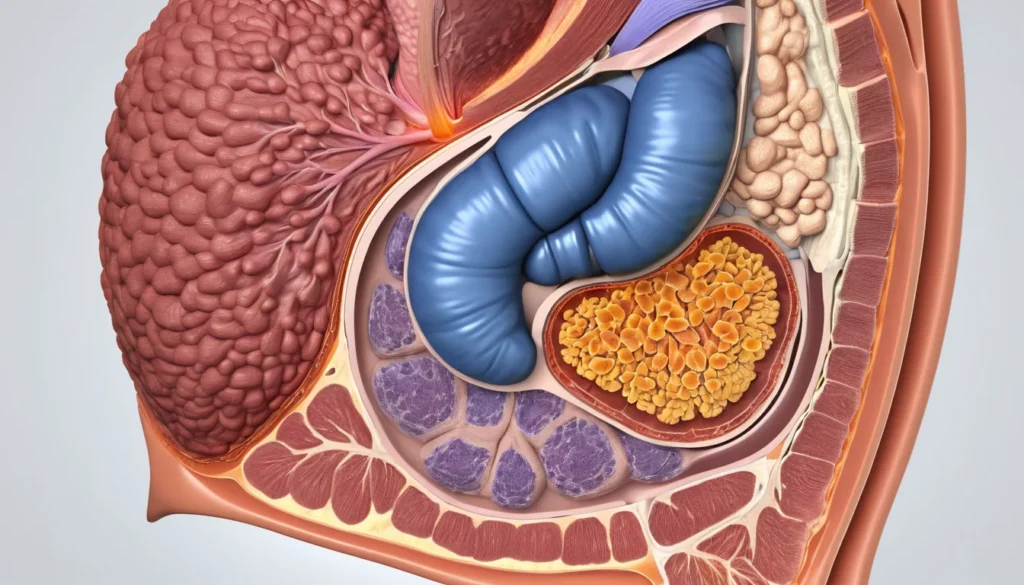
Intestinal polyps are small, abnormal growths that form on the inner lining of the large or small intestine. Most people never know they have them because they cause no symptoms. However, some types of intestinal polyps can slowly turn into colorectal cancer over time. Understanding the risks, causes, and treatment options can help you take charge of your digestive health.
What Are Intestinal Polyps?
A polyp is an abnormal clump of tissue that grows out from the surface of a mucous membrane. Intestinal polyps can form inside the large intestine (colon) or the small intestine. They come in many shapes — round, oval, or irregular.
Most polyps are harmless. However, certain types carry a real risk of becoming cancerous. For this reason, doctors routinely screen for and remove them as a preventive measure.
Types of Intestinal Polyps
Polyps differ in structure, texture, and cancer risk. The three main types found in the colon are:
Tubular polyps: The most common type, making up about 85% of all colon polyps. Invasive cancer develops in fewer than 5% of these.
Villous polyps: Less common but more dangerous. About 40% of villous polyps can become cancerous.
Tubulovillous polyps: A mix of both types. Cancer develops in roughly 22% of these cases.
There are also hyperplastic polyps, which are the most frequently found type. These are generally harmless and do not turn into cancer.
Polyps are also described by their shape. Pedunculated polyps grow on a stalk that connects them to the intestinal wall. Sessile polyps lie flat against the wall with no stalk.
Where Do Intestinal Polyps Form?
The location of a polyp affects its cancer risk. About 95% of all intestinal polyps grow inside the large intestine (colon). Therefore, regular colon screening is especially important.
Polyps in the Colon
Most colon polyps develop in the lower section of the colon, known as the sigmoid colon. Adenomas — polyps that resemble gland tissue — are found in about 70% of polyps removed during colonoscopy. Adenomas are present in roughly 30% of people over the age of 50.
Adenomas are technically benign (non-cancerous). However, they can turn cancerous, especially when they grow larger than 2.5 cm in diameter. For this reason, all adenomas should be removed when found.
Polyps in the Stomach
The stomach lining can also develop polyps that look similar to colon polyps. However, researchers have not yet confirmed whether stomach polyps directly increase cancer risk. Your doctor can advise you if stomach polyps are discovered during an examination.
Polyps in the Small Intestine
Polyps in the small intestine rarely turn cancerous. However, they can cause other serious problems. A large polyp can block the intestine. Smaller polyps can be carried along by the intestine’s natural wave-like contractions and cause a condition called intussusception — where one section of the intestine telescopes into another. This is a medical emergency.
Causes and Risk Factors for Intestinal Polyps
Research into colorectal cancer strongly suggests that diet plays a major role in polyp formation. The most consistent finding points to animal fat — not plant fat — as the most important dietary risk factor. A diet low in fibre may also contribute to polyp development.
In addition to diet, age is a significant factor. The risk of developing intestinal polyps increases after age 50. Furthermore, a family history of polyps or colorectal cancer raises your personal risk considerably.
Hereditary Conditions Linked to Intestinal Polyps
Some people inherit conditions that cause large numbers of polyps to form. These are passed down through families in an autosomal dominant pattern. This means either parent can pass the condition to their child, regardless of sex.
These hereditary conditions include:
Familial adenomatous polyposis (FAP)
Gardner syndrome
Lynch syndrome
Turcot syndrome
Peutz-Jeghers syndrome
Juvenile polyposis
Polyps in these inherited conditions typically appear during or after puberty. The first four conditions listed carry a near 100% risk of colon cancer by age 40. As a result, doctors usually recommend surgical removal of the colon in early adulthood for people with these diagnoses. Children of affected parents should speak with their family doctor about early genetic testing and monitoring.
For more information on colorectal cancer risk factors, visit Health Canada’s official health information page.
Symptoms of Intestinal Polyps
Most intestinal polyps cause no symptoms at all. This is what makes them particularly difficult to detect without screening. Many Canadians discover they have polyps only during a routine colonoscopy.
However, some polyps do produce symptoms. These can include:
Intermittent rectal bleeding
Mucus in the stool
Painful abdominal cramping and discomfort
Nausea or vomiting (if a blockage occurs)
Changes in bowel habits
As a polyp progresses toward cancer, symptoms become more noticeable. These include bleeding and persistent changes in bowel movements. If you notice any of these signs, contact your family doctor promptly.
How Are Intestinal Polyps Diagnosed?
Routine screening for colorectal conditions is recommended for all Canadians over the age of 50. However, if you have a family history of polyps or colorectal cancer, your doctor may recommend starting earlier. Most provincial health plans in Canada cover colorectal cancer screening — check with your provincial health authority for details in your area.
Screening and Diagnostic Tests
Several tests can detect intestinal polyps:
Fecal occult blood test (FOBT): A simple stool test that checks for hidden blood in your stool. It is non-invasive and widely available across Canada.
Colonoscopy: A doctor inserts a thin, flexible tube called a colonoscope into the colon to view the entire lining. This is the gold standard for finding and removing polyps.
Sigmoidoscopy: A shorter version of the colonoscope examines only the lower portion of the colon (the sigmoid colon), where most polyps develop.
Barium enema X-ray: The colon is filled with barium — a white liquid that shows up clearly on X-rays — to reveal abnormal growths. A double-contrast study uses both barium and air for better visibility.
Because polyps typically take about five years to turn cancerous, routine examinations are generally recommended every three years for those at average risk. Your family doctor will advise the right schedule for you.
Learn more about colonoscopy procedures from the Mayo Clinic’s colonoscopy overview.
Treatment of Intestinal Polyps
All polyps should be removed as a preventive measure, even if they appear harmless. The good news is that most intestinal polyps can be removed safely and easily during a colonoscopy. The doctor uses small instruments passed through the colonoscope to cut or burn away the polyp.
In some cases, surgery may be necessary. Complications such as intestinal blockage or intussusception are medical emergencies that require immediate surgical treatment. People with hereditary polyposis conditions may need a total colectomy — surgical removal of the entire colon — in early adulthood to prevent cancer.
Preventing Intestinal Polyps
While you cannot control your age or genetics, there are meaningful steps you can take to lower your risk of developing intestinal polyps and colorectal cancer.
Eat more fibre: A diet rich in fruits, vegetables, and whole grains supports healthy bowel function and may reduce polyp risk.
Reduce animal fat: Cut back on red meat and processed meats, which are linked to higher colon cancer risk.
Exercise regularly: Physical activity helps maintain a healthy weight and supports digestive health.
Avoid smoking and limit alcohol: Both are known risk factors for colorectal cancer.
Get screened: Regular screening is the single most effective way to catch polyps before they become cancerous.
People with hereditary conditions linked to intestinal polyps should consider a total colectomy in early adulthood. Children whose parents have a hereditary polyposis syndrome should be referred for genetic counselling and regular monitoring by a specialist.
For a broader look at colorectal cancer prevention, the World Health Organization’s colorectal cancer fact sheet provides helpful global health context.
When to See a Doctor
You should contact your family doctor right away if you notice any rectal bleeding, blood in your stool, or significant changes in your bowel habits. Do not assume these symptoms are caused by hemorrhoids — always get them checked.
If you do not have a regular family doctor, a walk-in clinic can order initial tests and refer you to a specialist if needed. Most provinces offer direct access to colorectal screening programmes — ask your clinic about what is covered under your provincial health plan.
If you experience severe abdominal pain, vomiting, or a complete inability to pass stool, go to your nearest emergency department immediately. These may be signs of a serious intestinal blockage.
As always, speak with a qualified healthcare professional before making any decisions about your health. Only your doctor can assess your personal risk and recommend the right screening schedule for you.
Frequently Asked Questions About Intestinal Polyps
Are intestinal polyps dangerous?
Most intestinal polyps are harmless and never cause any symptoms. However, certain types — particularly adenomas and villous polyps — can slowly turn into colorectal cancer over time. That is why regular screening and removal of polyps is strongly recommended.
What causes intestinal polyps to form?
The exact cause of intestinal polyps is not fully understood, but a diet high in animal fat and low in fibre is a known contributing factor. Age, family history, and inherited genetic conditions also significantly increase the risk of developing polyps.
How are intestinal polyps removed?
Most intestinal polyps are removed during a colonoscopy using small instruments passed through the scope — a quick and minimally invasive procedure. In rare cases involving complications or hereditary conditions, surgical removal of part or all of the colon may be necessary.
Can intestinal polyps come back after removal?
Yes, new intestinal polyps can develop even after previous ones have been removed. This is why doctors recommend follow-up colonoscopies on a regular schedule — usually every three to five years depending on your risk level. Your family doctor can advise on the right interval for you.
At what age should Canadians be screened for intestinal polyps?
Most Canadian provinces recommend colorectal cancer screening starting at age 50 for people at average risk. If you have a family history of intestinal polyps or colorectal cancer, your doctor may recommend starting screening earlier. Check with your provincial health plan to find out what screening tests are covered.
Do intestinal polyps always cause symptoms?
No — most intestinal polyps cause no symptoms at all, which is why routine screening is so important. When symptoms do occur, they may include rectal bleeding, mucus in the stool, or changes in bowel habits. Any of these signs should be discussed with your family doctor promptly.
Key Takeaways
Intestinal polyps are abnormal tissue growths on the inner lining of the colon or small intestine.
Most polyps cause no symptoms, making regular screening essential for early detection.
Adenomas and villous polyps carry the highest risk of turning into colorectal cancer.
A diet high in animal fat and low in fibre increases the risk of polyp formation.
Hereditary conditions such as familial adenomatous polyposis can cause large numbers of polyps and carry a near 100% cancer risk by age 40.
All polyps should be removed preventively, most during a routine colonoscopy.
Canadians over 50 should speak with their family doctor about colorectal screening covered under their provincial health plan.
Always consult a qualified healthcare professional for personalised medical advice.