An insulinoma is a rare tumour that grows in the pancreas and produces too much insulin. Most insulinomas are benign, meaning they are not cancerous. However, this tumour can cause dangerous drops in blood sugar, a condition called hypoglycaemia. In this article, you will learn what insulinoma is, how it affects the body, and what treatment options are available to Canadians.
What Is an Insulinoma?
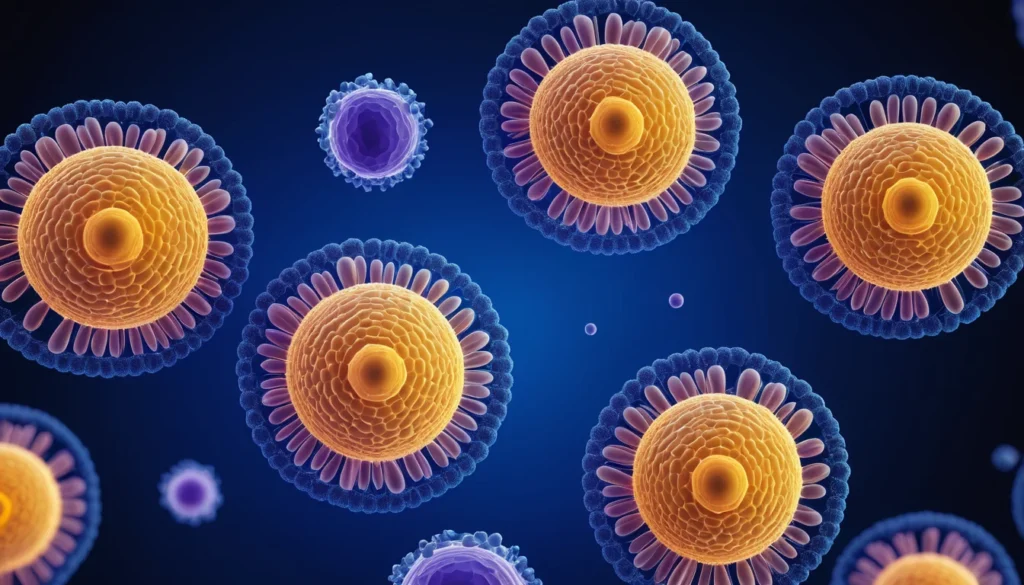
The pancreas is an organ that sits behind the stomach. It contains special cells called islet cells, or Langerhans cells, which produce hormones that control blood sugar. An insulinoma is a tumour that develops from these cells and releases too much insulin into the bloodstream.
Insulin is the hormone that helps your body move sugar from the blood into your cells for energy. When the body produces too much insulin, blood sugar levels drop too low. This is called hypoglycaemia, and it can cause serious symptoms if left untreated.
Insulinomas are rare. According to Mayo Clinic, only about four people per one million are diagnosed with this condition each year. Most insulinomas are small, solitary, and benign. Only about ten percent are malignant, or cancerous.
What Causes an Insulinoma?
Doctors do not fully understand what causes an insulinoma to develop. In most cases, no clear cause is found. However, researchers have identified a few factors that may increase the risk.
Genetic Conditions Linked to Insulinoma
A small number of insulinomas are linked to a hereditary condition called Multiple Endocrine Neoplasia type 1, or MEN1. This genetic syndrome causes tumours to grow in several glands, including the pancreas, parathyroid, and pituitary gland. People with MEN1 are more likely to develop multiple insulinomas rather than just one.
If you have a family history of MEN1 or other endocrine tumours, talk to your family doctor about genetic testing. Early screening can help catch problems before symptoms become serious.
Other Risk Factors
Insulinomas can affect people of any age, but they are most common between the ages of 40 and 60. Women appear to be slightly more affected than men. There are no known lifestyle or dietary factors that directly cause insulinoma.
Recognising the Symptoms of Insulinoma
The symptoms of an insulinoma are caused by low blood sugar. They often come on suddenly, especially when a person has not eaten for a while. Symptoms can be mild or severe, and they tend to get worse over time if the tumour is not treated.
Early Symptoms to Watch For
Early symptoms of hypoglycaemia caused by insulinoma include:
Sweating and shakiness
Rapid or irregular heartbeat
Hunger, even after eating recently
Dizziness or lightheadedness
Anxiety or irritability
Pale skin colour
These symptoms often improve quickly after eating something sugary. As a result, many people manage their symptoms by snacking frequently without realising there is an underlying cause.
Severe Symptoms That Need Immediate Care
If blood sugar drops very low, more serious symptoms can occur. These include:
Confusion or difficulty thinking clearly
Blurred vision
Unusual behaviour, such as aggression or slurred speech
Seizures
Loss of consciousness
These severe symptoms are a medical emergency. Call 911 or go to your nearest emergency department right away if this happens to you or someone you know.
How Is Insulinoma Diagnosed?
Diagnosing an insulinoma can take time because its symptoms overlap with many other conditions. Your doctor will begin with a thorough medical history and blood tests to check your insulin and blood sugar levels.
The Supervised Fasting Test
The most common diagnostic test is a supervised 72-hour fast, performed in a hospital setting. During this test, your blood sugar, insulin, and a substance called C-peptide are measured at regular intervals. If blood sugar drops dangerously low while insulin remains high, it strongly suggests an insulinoma is present.
This test must be done under careful medical supervision. Your healthcare team will monitor you closely and end the fast safely if your blood sugar falls to a dangerous level.
Imaging Tests
Once an insulinoma is suspected, imaging tests help locate the tumour. These may include:
Ultrasound — including endoscopic ultrasound, which uses a tiny camera passed into the digestive tract
CT scan (computed tomography) — a detailed X-ray of the abdomen
MRI (magnetic resonance imaging) — uses magnetic fields to produce detailed images of soft tissues
Somatostatin receptor scintigraphy — a nuclear medicine scan to detect certain tumour types
Because insulinomas are often very small, they can be difficult to find. Your doctor may need more than one imaging test to locate the tumour precisely. For more information on diagnostic imaging, visit Health Canada.
Treatment Options for Insulinoma
The main treatment for an insulinoma is surgical removal of the tumour. In most cases, surgery cures the condition completely. The type of surgery depends on the size of the tumour and its location within the pancreas.
Surgical Removal
When the tumour is small and located near the surface of the pancreas, surgeons can remove it using a procedure called enucleation. This means scooping out the tumour while leaving the rest of the pancreas intact. Most patients recover well and do not need long-term medication after this type of surgery.
If the tumour is larger or located deeper in the pancreas, a more extensive operation may be needed. This could involve removing part of the pancreas, called a partial pancreatectomy. In rare cases, surgeons use minimally invasive laparoscopic techniques, which reduce recovery time significantly.
Managing Symptoms Before Surgery
While waiting for surgery, your medical team will help you manage low blood sugar. Eating small, frequent meals and snacks — particularly foods rich in complex carbohydrates — can help stabilise blood sugar levels. In some cases, medications such as diazoxide are prescribed to reduce insulin secretion from the tumour.
Treatment for Malignant Insulinoma
If the insulinoma is malignant and has spread to other parts of the body, treatment becomes more complex. Options may include chemotherapy, targeted drug therapy, or procedures to reduce the size of tumours in the liver. Your specialist will create a personalised treatment plan based on how far the cancer has progressed. According to Healthline, outcomes for malignant insulinoma vary depending on how early it is caught and treated.
Living With Insulinoma: What to Expect
For most people, surgical removal of an insulinoma brings complete relief from symptoms. Blood sugar levels return to normal, and no ongoing treatment is needed. However, your doctor will likely recommend regular follow-up appointments to check that the tumour has not returned.
In the rare cases where surgery is not possible, or if the tumour is malignant, long-term management is required. Your healthcare team — which may include an endocrinologist, a surgeon, and a dietitian — will support you through ongoing care. Ask your family doctor for a referral to an endocrinologist if you suspect a hormonal or pancreatic issue.
Diet also plays an important role in managing symptoms. Eating regularly, avoiding long gaps between meals, and including fibre-rich foods in your diet can help keep blood sugar steady. Work with a registered dietitian to build a meal plan that suits your needs.
When to See a Doctor
You should see your family doctor if you regularly experience symptoms of low blood sugar — especially if they occur when you have not eaten recently. Symptoms such as shakiness, sweating, confusion, or unusual behaviour should never be ignored.
If you do not have a family doctor, a walk-in clinic can assess your symptoms and refer you for blood tests. Most provincial health plans in Canada cover blood glucose testing and specialist referrals when medically necessary. Do not wait for symptoms to become severe before seeking help.
If you or someone nearby loses consciousness or has a seizure related to low blood sugar, call 911 immediately. This is a medical emergency that requires urgent care.
Always consult a qualified healthcare provider before making any decisions about your health. This article is intended for general information only and does not replace professional medical advice.
Frequently Asked Questions About Insulinoma
Is an insulinoma dangerous?
Most insulinomas are benign and not immediately life-threatening, but they can cause dangerous drops in blood sugar if left untreated. An untreated insulinoma may lead to seizures or loss of consciousness. With proper diagnosis and surgical treatment, the outlook is very good for most patients.
Can an insulinoma go away on its own?
No, an insulinoma does not go away on its own. It requires medical treatment, usually surgery, to remove the tumour. Without treatment, the tumour will continue to produce excess insulin and cause ongoing hypoglycaemia.
How is insulinoma different from diabetes?
Diabetes involves too little insulin or an inability to use insulin properly, leading to high blood sugar. An insulinoma, on the other hand, produces too much insulin, causing blood sugar to drop dangerously low. The two conditions are opposite in nature and require very different treatments.
What does an insulinoma feel like?
People with an insulinoma often feel shaky, sweaty, dizzy, or confused — especially when they have not eaten for a few hours. These symptoms happen because the tumour causes blood sugar to drop too low. Many people notice their symptoms improve quickly after eating something sugary.
Is insulinoma covered by provincial health plans in Canada?
Yes, diagnosis and surgical treatment for an insulinoma are generally covered under provincial health plans across Canada. This includes blood tests, imaging, specialist consultations, and medically necessary surgery. Check with your provincial health authority for details specific to your province or territory.
Can insulinoma come back after surgery?
In most cases, surgical removal of an insulinoma is curative and the tumour does not return. However, people with genetic conditions such as MEN1 have a higher risk of developing new tumours over time. Regular follow-up with your doctor is important to monitor for any recurrence.
Key Takeaways
An insulinoma is a rare tumour of the pancreas that produces too much insulin, causing low blood sugar.
Most insulinomas are benign and can be successfully treated with surgery.
Common symptoms include shakiness, sweating, dizziness, and confusion — especially when fasting.
Diagnosis usually involves a supervised fasting test and imaging such as CT or MRI scans.
Surgery to remove the tumour is the most effective treatment and often cures the condition completely.
A small number of insulinomas are linked to the genetic syndrome MEN1 — ask your doctor about testing if this runs in your family.
If you experience repeated episodes of low blood sugar without a clear reason, see your family doctor or visit a walk-in clinic for assessment.
Always speak with a qualified healthcare provider for advice tailored to your personal health situation.