Insulin is one of the most important hormones in your body. It controls how your cells use sugar for energy, and without enough of it, your blood sugar can rise to dangerous levels. Understanding how insulin works can help you make sense of conditions like diabetes — and know when it’s time to speak with your family doctor.
What Is Insulin?
Insulin is a hormone made by your pancreas, a gland that sits behind your stomach. It plays a key role in keeping your blood sugar levels balanced. Without insulin, the sugar in your blood cannot get into your cells where it is needed.
Your pancreas produces insulin in special cells called beta cells. These are found in clusters known as the islets of Langerhans. At first, insulin is stored in an inactive form called proinsulin. When your body needs it, proinsulin splits into two parts: C-peptide and active insulin.
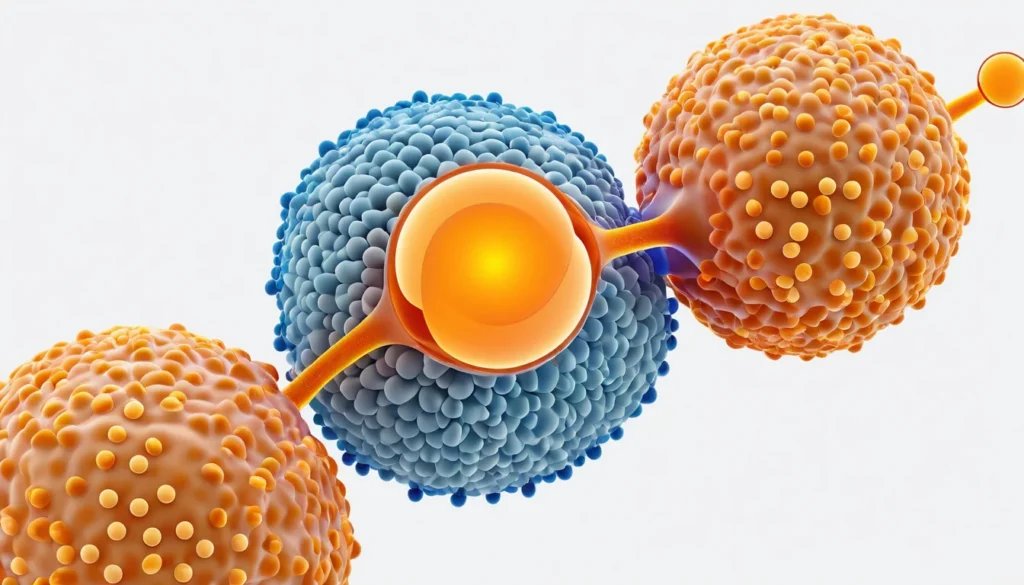
Once released into your bloodstream, insulin attaches to receptors on the surface of cells. This happens mainly in your liver, muscles, and fat tissue. Think of insulin as a key that unlocks your cells so sugar can enter.
How Insulin Controls Your Blood Sugar
Insulin is the only hormone in your body that lowers blood sugar. When you eat, your blood sugar rises. In response, your pancreas releases insulin. As a result, your cells absorb the sugar and use it to produce energy.
However, insulin does more than just move sugar into cells. In the liver, it helps store extra sugar as a substance called glycogen. Your body can later break glycogen back down into sugar when you need quick energy, for example during exercise.
In addition, insulin helps your body build proteins. It also prevents your body from breaking down fat too quickly. This makes insulin a key player in your overall metabolism — the process your body uses to turn food into fuel.
How Your Body Regulates Insulin
Your body regulates insulin in a direct and efficient way. When your blood sugar rises — a condition called hyperglycaemia — your pancreas responds by producing more insulin. When blood sugar drops back to normal, insulin production slows down.
This feedback loop helps keep your blood sugar stable throughout the day. However, when this system breaks down, serious health problems can develop. That is when conditions like diabetes come into play.
For more detail on how blood sugar regulation works, visit Health Canada’s official health resources.
What Happens When Insulin Doesn’t Work Properly
When your body does not make enough insulin — or cannot use it properly — blood sugar stays too high. This leads to a condition called diabetes mellitus. Diabetes is a serious chronic illness that affects millions of Canadians.
There are two main types of diabetes linked to insulin. In Type 1 diabetes, the body makes little or no insulin at all. In Type 2 diabetes, the body still makes some insulin, but the cells do not respond to it well. This is called insulin resistance.
Both types cause high blood sugar, which over time can damage your heart, kidneys, eyes, and nerves. Early detection and management are essential. Many Canadians are diagnosed through routine blood work covered by their provincial health plan.
Signs That Your Insulin May Be Out of Balance
High blood sugar caused by insulin problems can cause several warning signs. These include feeling very thirsty, needing to urinate often, and feeling unusually tired. You might also notice blurry vision or slow-healing cuts and bruises.
Furthermore, some people experience unexplained weight loss, particularly with Type 1 diabetes. If you notice any of these symptoms, do not ignore them. Speaking with your family doctor or visiting a walk-in clinic is the right next step.
According to the World Health Organization’s diabetes fact sheet, over 422 million people worldwide live with diabetes. Early action makes a significant difference in outcomes.
Insulin as a Treatment: How It Is Used
For people who need it, insulin is available as a medication. Traditionally, it was extracted and purified from the pancreases of pigs or cattle. However, most insulin used today is made through genetic engineering. This lab-made insulin has the exact same structure as human insulin.
There are three main types of insulin, based on how long they work in your body. Your doctor will choose the right type — or combination — based on your individual needs.
Types of Insulin by Duration
Short-acting (regular) insulin: Works for about 4 hours. Often used around mealtimes to manage blood sugar spikes.
Intermediate-acting insulin: Works for about 12 hours. Provides more sustained blood sugar control throughout the day.
Long-acting (slow) insulin: Works for more than 24 hours. Gives steady background coverage and is often taken once daily.
Many people with diabetes use a combination of these types to keep their blood sugar as stable as possible. Your doctor or diabetes educator will help you find the right balance.
How Insulin Is Given
Most people take insulin through injections under the skin, called subcutaneous injections. Patients learn to do this themselves at home. Depending on the type of insulin prescribed, you may inject once, twice, or up to three times per day.
In emergency situations — such as very high blood sugar or a serious condition called diabetic ketoacidosis — doctors may give insulin directly into a vein. This is called intravenous insulin, and it may be delivered through an electric pump for continuous flow.
In some cases, insulin pumps are also used for everyday management. These small devices deliver a steady dose of insulin under the skin throughout the day, reducing the need for multiple injections.
What the Future Holds for Insulin Delivery
Researchers are currently testing new ways to deliver insulin. One promising approach is nasal insulin — a spray delivered through the nose. If proven safe and effective, this method could one day replace injections for some people.
Other researchers are working on smart insulin that activates only when blood sugar rises. These advances could make life much easier for Canadians living with diabetes. However, these treatments are still in testing phases and are not yet widely available.
For a deeper look at current insulin therapies, the Mayo Clinic’s insulin overview is a helpful resource.
Insulin and Your Lifestyle
For people who take insulin, daily habits play a big role in how well it works. What you eat, how active you are, and how much stress you carry all affect your blood sugar. Insulin therapy works best when paired with healthy lifestyle choices.
Eating a balanced diet rich in fibre, vegetables, and lean proteins helps keep blood sugar steady. Regular physical activity also makes your cells more sensitive to insulin, which means your body needs less of it. Even a 30-minute walk most days can make a real difference.
Stress is another important factor. When you are stressed, your body releases hormones that raise blood sugar. Finding healthy ways to manage stress — like sleep, exercise, and social connection — supports your insulin therapy and your overall health.
Storing and Handling Insulin Safely
If you use insulin, proper storage is essential. Unopened insulin should be kept in the refrigerator. Once opened, most types can be kept at room temperature for up to 28 to 30 days, depending on the product.
Never freeze insulin, and keep it away from direct sunlight or heat. Always check the expiry date before using it. If your insulin looks cloudy when it should be clear — or clumpy when it should be smooth — do not use it. Ask your pharmacist for guidance.
When to See a Doctor
If you think your insulin levels might be off, or if you have symptoms of diabetes, do not wait. Book an appointment with your family doctor as soon as you can. A simple blood test can check your blood sugar and give you answers quickly.
If you do not have a family doctor, a walk-in clinic is a good option. Walk-in clinics across Canada can run basic blood tests and refer you to a specialist if needed. Many provincial health plans cover these visits at no direct cost to you.
If you are already on insulin and notice signs of very low blood sugar — such as shakiness, sweating, confusion, or fainting — this is a medical emergency. Call 911 or go to your nearest emergency room right away.
Regular check-ins with your healthcare team are also important. Your doctor, nurse, or diabetes educator can help you adjust your insulin doses as your needs change over time. You do not have to manage this alone.
Always speak with a qualified healthcare provider before making any changes to your insulin or diabetes treatment plan. This article is for general information only and is not a substitute for professional medical advice.
Frequently Asked Questions About Insulin
What does insulin do in the body?
Insulin is a hormone that helps your cells absorb sugar from your blood and use it for energy. It is the only hormone in the body that lowers blood sugar. Without enough insulin, blood sugar stays dangerously high, which can lead to diabetes and other health problems.
What happens if your body doesn’t produce enough insulin?
If your body does not make enough insulin, blood sugar builds up in your bloodstream instead of entering your cells. This leads to a condition called diabetes mellitus. Over time, high blood sugar can damage your kidneys, eyes, nerves, and heart if left untreated.
How is insulin given to people with diabetes?
Most people with diabetes who need insulin take it through injections under the skin, usually one to three times per day. Some people use an insulin pump, which delivers a steady dose throughout the day. In emergencies, doctors may give insulin directly into a vein.
Is insulin covered by provincial health plans in Canada?
Coverage for insulin varies by province and territory in Canada. Many provincial drug benefit programmes cover insulin for people with diabetes, especially those on lower incomes or seniors. Check with your provincial health authority or pharmacist to find out what is covered in your area.
What are the signs of low insulin or high blood sugar?
Common signs of high blood sugar — which can indicate low insulin activity — include excessive thirst, frequent urination, fatigue, and blurry vision. If you notice these symptoms, speak with your family doctor or visit a walk-in clinic. A blood test can quickly confirm whether your insulin levels are a concern.
Can lifestyle changes reduce the need for insulin?
For people with Type 2 diabetes, healthy lifestyle changes — such as eating a high-fibre diet, exercising regularly, and losing excess weight — can improve how the body responds to insulin. In some cases, these changes can reduce the amount of insulin medication needed. However, people with Type 1 diabetes will always need insulin, regardless of lifestyle habits.
Key Takeaways
Insulin is a hormone made by the pancreas that lowers blood sugar by helping cells absorb glucose.
It is the only hormone in the body with this blood-sugar-lowering effect.
Insulin also helps store energy as glycogen, build proteins, and protect fat from breaking down too quickly.
A lack of insulin — or the body’s inability to use it — causes diabetes mellitus.
Insulin therapy comes in short-acting, intermediate-acting, and long-acting forms, given mostly by injection.
Healthy eating, regular exercise, and stress management support insulin therapy and overall blood sugar control.
If you have symptoms of diabetes or concerns about your blood sugar, speak with your family doctor or visit a walk-in clinic.
Coverage for insulin and diabetes care varies by province — check what your provincial health plan includes.