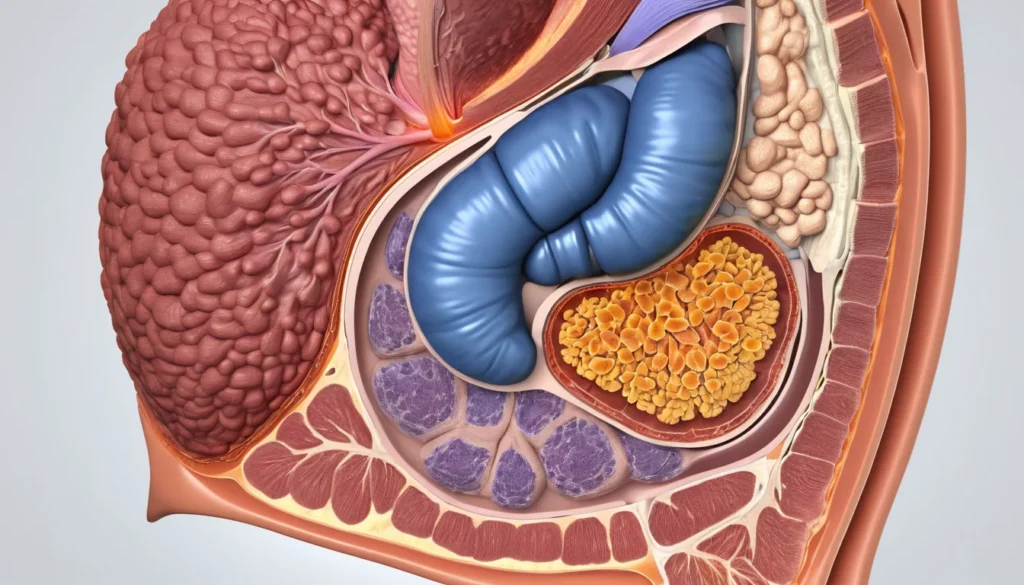
Inflammatory bowel disease (IBD) is a term that describes a group of conditions where the intestines become inflamed — red, swollen, and irritated. This inflammation is thought to happen when the body’s immune system mistakenly attacks its own tissue. The two main types are Crohn’s disease and ulcerative colitis. Both conditions can seriously affect your quality of life, but with the right care, most people can manage their symptoms well.
What Is Inflammatory Bowel Disease?
Inflammatory bowel disease is not the same as irritable bowel syndrome (IBS), though the two are often confused. IBD involves real, measurable inflammation in the digestive tract. IBS, on the other hand, is a functional disorder with no visible tissue damage.
The two major forms of IBD affect the digestive tract in different ways. Understanding the difference helps your healthcare provider choose the right treatment for you.
Ulcerative Colitis
Ulcerative colitis affects the colon (large intestine) and the rectum. Inflammation stays within the inner lining of the colon. It can range from mild to life-threatening, depending on how much of the colon is involved.
Crohn’s Disease
Crohn’s disease can affect any part of the digestive tract — from the mouth all the way to the anus. However, it most commonly affects the lower part of the small intestine (called the ileum) and the colon. Unlike ulcerative colitis, Crohn’s inflammation can go through the full thickness of the bowel wall.
According to Health Canada, Canada has one of the highest rates of IBD in the world, with over 270,000 Canadians living with the condition.
Symptoms of Inflammatory Bowel Disease
Symptoms of inflammatory bowel disease vary depending on where the inflammation is and how severe it is. Some people have mild, manageable symptoms. Others experience flare-ups that interfere with daily life. Both Crohn’s disease and ulcerative colitis tend to cycle between active periods and periods of remission.
Symptoms of Ulcerative Colitis
Ulcerative colitis is grouped into several types based on which part of the colon it affects. Each type comes with its own set of symptoms.
Ulcerative proctitis: Inflammation is limited to the rectum. Rectal bleeding may be the only symptom. Some people also feel an urgent need to use the washroom or experience minor bowel movements frequently. This form tends to be the mildest.
Proctosigmoiditis: This form affects the rectum and the lower part of the colon (sigmoid colon). Symptoms include bloody diarrhoea, abdominal cramping, and difficulty emptying the bowel completely.
Left-sided colitis: Inflammation extends from the rectum up through the sigmoid colon and into the descending colon on the left side of the abdomen. Symptoms include bloody diarrhoea, cramping on the left side, and unintentional weight loss.
Pancolitis: This type affects the entire colon. It causes severe episodes of bloody diarrhoea, significant abdominal cramping and pain, fatigue, and major weight loss.
Fulminant colitis: This is a rare but life-threatening form. It affects the entire colon and causes extreme pain, profuse diarrhoea, dehydration, and sometimes shock. Serious complications can include a ruptured colon or toxic megacolon. Anyone experiencing these symptoms needs emergency care immediately.
Symptoms of Crohn’s Disease
Crohn’s disease symptoms can range from mild to severe. They may develop slowly over time or come on suddenly without warning. Common symptoms include:
Diarrhoea: Inflammation causes the intestinal cells to secrete excess water and salt. Because the colon cannot absorb all of this extra fluid, diarrhoea follows. Intense intestinal cramping can make it worse.
Abdominal pain and cramping: Inflammation and ulcers can cause the walls of parts of the intestine to thicken and scar. This disrupts normal movement through the digestive tract, leading to pain. In severe cases, nausea and vomiting may also occur.
Blood in the stool: Food moving through an inflamed digestive tract can cause bleeding. You may notice bright red blood in the toilet bowl, or darker blood mixed with stool. Sometimes bleeding is not visible at all — this is called occult bleeding.
Ulcers: Both Crohn’s disease and ulcerative colitis can cause small sores on the surface of the intestine. Over time, these can grow into large ulcers that penetrate the intestinal wall. Ulcers can also appear in the mouth, similar to canker sores.
Reduced appetite and weight loss: Abdominal pain, cramping, and inflammation can reduce your appetite. They can also affect your body’s ability to digest and absorb nutrients properly.
People with severe Crohn’s disease may also experience symptoms beyond the digestive system. These can include fatigue, joint pain (arthritis), eye inflammation, skin problems, and inflammation of the liver or bile ducts. In children, delayed growth or delayed sexual development may also occur.
What Causes Inflammatory Bowel Disease?
The exact cause of inflammatory bowel disease is still not fully understood. However, researchers now agree that diet and stress alone do not cause IBD. That said, stress can often make symptoms worse during a flare-up.
Current thinking points to two main factors:
The Immune System
Some scientists believe that a virus or bacterium may trigger IBD in certain people. The digestive tract becomes inflamed when the immune system tries to fight off an invading organism. In some cases, the immune system may continue to attack even when no real threat is present. This is known as an autoimmune response.
Genetics and Family History
You are more likely to develop inflammatory bowel disease if a parent or sibling has been diagnosed with it. However, most people with IBD do not have a family history of the condition. Genetics plays a role, but it is not the only factor.
Researchers at the Mayo Clinic continue to study how genetic markers, immune triggers, and environmental factors combine to cause IBD.
Risk Factors for IBD in Canada
Certain factors may increase your chances of developing inflammatory bowel disease. Being aware of them can help you have a more informed conversation with your healthcare provider.
Age: IBD most often develops before age 35. However, it can appear at any age.
Family history: Having a close relative with IBD raises your risk significantly.
Ethnicity: IBD affects people of all ethnic backgrounds. However, white people and people of Ashkenazi Jewish heritage have historically shown higher rates.
Geography: Canada and other developed countries in colder, northern climates have higher rates of IBD. This may be linked to diet, environment, and reduced exposure to certain bacteria early in life.
Non-steroidal anti-inflammatory drugs (NSAIDs): Regular use of medications like ibuprofen may increase the risk of IBD or worsen existing symptoms.
Smoking: Smoking appears to increase the risk of Crohn’s disease. However, its relationship with ulcerative colitis is more complex.
How Is IBD Diagnosed and Treated?
Diagnosing inflammatory bowel disease usually involves a combination of blood tests, stool tests, imaging, and a colonoscopy or endoscopy. These tests help doctors see the inside of your digestive tract and take tissue samples for analysis.
Treatment for IBD focuses on reducing inflammation, managing symptoms, and achieving long-term remission. Your doctor may recommend:
Anti-inflammatory medications: These are often the first step. Aminosalicylates and corticosteroids help calm inflammation during flare-ups.
Immune system suppressors: These medications reduce the immune response that triggers inflammation.
Biologics: These are newer targeted therapies that block specific proteins involved in inflammation. They are often used when other treatments have not worked.
Antibiotics: These may be prescribed if infection or complications arise.
Dietary changes: A registered dietitian can help you identify foods that worsen your symptoms. High-fibre foods, dairy, and fatty foods are common triggers for some people.
Surgery: In severe cases, surgery may be needed to remove damaged portions of the digestive tract.
For more detailed information on treatment options, Healthline’s guide to IBD provides a helpful and thorough overview.
When to See a Doctor
You should see your family doctor if you notice any persistent changes in your bowel habits. This includes ongoing diarrhoea, blood in your stool, unexplained weight loss, or abdominal pain that does not go away.
If you do not have a family doctor, a walk-in clinic can be a good first step. The clinic can run initial tests and refer you to a gastroenterologist — a specialist in digestive health — if needed. Most provincial health plans in Canada cover these referrals.
Seek emergency care right away if you experience severe abdominal pain, heavy rectal bleeding, high fever, or signs of dehydration. These could be signs of a serious complication that needs immediate attention.
Always speak with a qualified healthcare provider before starting or changing any treatment. This article is for informational purposes only and does not replace professional medical advice.
Frequently Asked Questions About Inflammatory Bowel Disease
What is the difference between inflammatory bowel disease and irritable bowel syndrome?
Inflammatory bowel disease involves actual inflammation and physical damage to the digestive tract, which doctors can see and measure. Irritable bowel syndrome (IBS), however, causes digestive symptoms without any visible tissue damage or inflammation. The two conditions are separate, though they can sometimes occur together.
Can inflammatory bowel disease be cured?
There is currently no permanent cure for inflammatory bowel disease. However, many people achieve long periods of remission with the right combination of medication, diet, and lifestyle changes. Treatment has improved significantly in recent years, and most people with IBD can live full, active lives.
Is inflammatory bowel disease covered under provincial health plans in Canada?
Yes, diagnosis and most treatments for inflammatory bowel disease are covered under provincial and territorial health plans across Canada. This includes doctor visits, hospital care, colonoscopies, and many medications. Coverage for newer biologic therapies may vary by province, so it is worth checking with your provincial health plan or a pharmacist.
What foods should I avoid if I have IBD?
Common food triggers for inflammatory bowel disease include high-fibre foods (like raw vegetables and whole grains), dairy products, fatty or fried foods, alcohol, and caffeine. However, triggers vary from person to person. Working with a registered dietitian is the best way to build a personalised eating plan that reduces your symptoms.
Can stress make inflammatory bowel disease worse?
Stress does not cause inflammatory bowel disease, but it can trigger or worsen flare-ups in people who already have the condition. Managing stress through exercise, counselling, or mindfulness techniques may help reduce the frequency and severity of symptoms. Talk to your doctor about a stress management plan that works alongside your medical treatment.
Can children develop inflammatory bowel disease?
Yes, inflammatory bowel disease can affect children and teenagers. In fact, about 25% of IBD cases are diagnosed before the age of 20. Children with IBD may also experience delayed growth or delayed puberty. If your child has persistent digestive symptoms, speak with your family doctor or a paediatric gastroenterologist as soon as possible.
Key Takeaways
Inflammatory bowel disease includes two main conditions: Crohn’s disease and ulcerative colitis.
Both involve chronic inflammation of the digestive tract, likely triggered by an abnormal immune response.
Symptoms range from mild discomfort to severe, life-threatening complications.
The exact cause is unknown, but genetics and immune system problems both play a role.
Canada has one of the highest rates of IBD in the world, making awareness especially important.
There is no cure, but effective treatments exist to manage symptoms and achieve remission.
See your family doctor or visit a walk-in clinic if you have persistent digestive symptoms — early diagnosis leads to better outcomes.