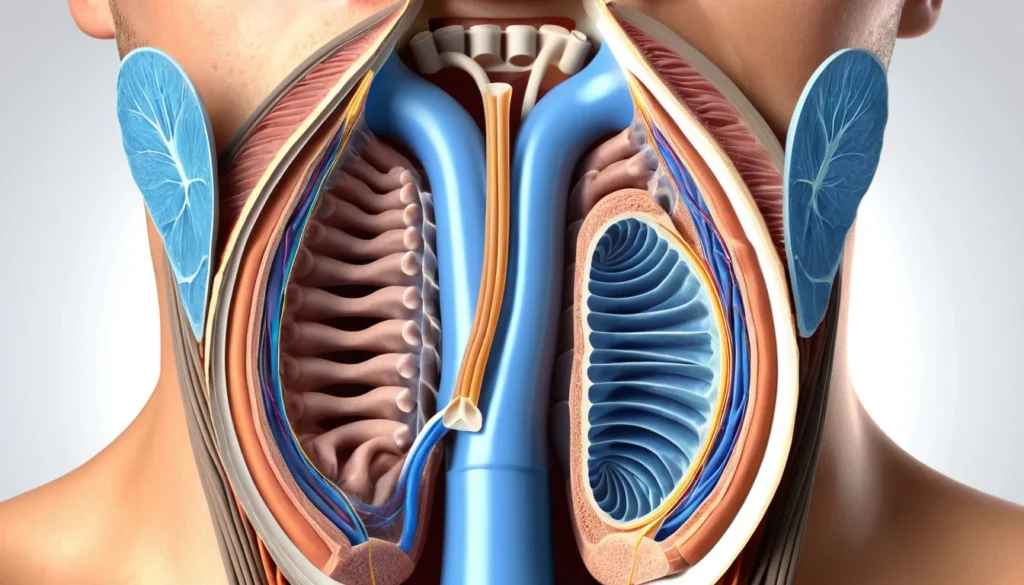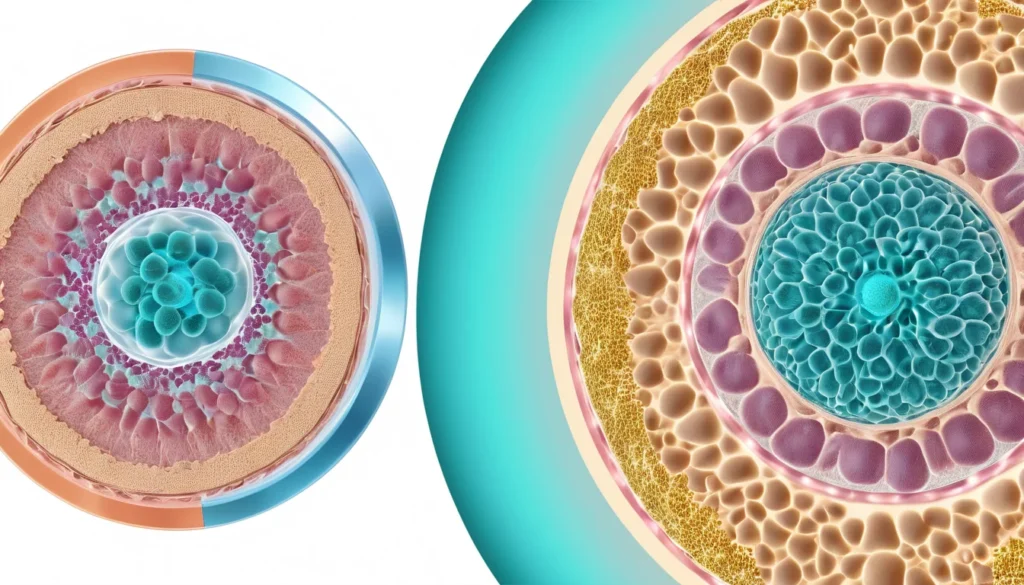
Inflammation is your body’s natural defence response to injury, infection, or harmful substances. It can be short-lived and helpful, or long-term and damaging. Understanding inflammation is important for every Canadian, because it plays a role in everything from a minor cut to serious conditions like heart disease and arthritis. This article explains what inflammation is, what causes it, how to recognize it, and what you can do about it.
What Is Inflammation?
Inflammation is how your immune system reacts to a threat. When your body detects a harmful agent — such as bacteria, a virus, or a physical injury — it sends immune cells and chemicals to the affected area to fight back and begin healing.
Think of it as your body’s internal alarm system. It signals that something is wrong and kicks off the repair process. In the short term, this response is essential and protective. However, when inflammation continues longer than it should, it can cause serious harm.
According to the World Health Organization, chronic inflammation is linked to many of the world’s leading causes of death, including heart disease, stroke, and cancer.
Acute vs. Chronic Inflammation
There are two main types of inflammation: acute and chronic. Knowing the difference helps you understand what your body is going through and when to seek help.
Acute Inflammation
Acute inflammation happens quickly and usually resolves within a few days. It is the kind you see when you twist your ankle, get a splinter, or come down with a sore throat. Your body rushes blood and immune cells to the problem area, causing the classic signs of inflammation.
This type of inflammation is short-term and helpful. Once the threat is gone, your immune system stands down and healing takes place. For example, a cut on your finger becomes red and swollen for a day or two, then gradually heals.
Chronic Inflammation
Chronic inflammation is a different story. It develops slowly and can last for months or even years. In many cases, it occurs even without an obvious injury or infection. Your immune system stays in a constant state of low-level alert, which gradually damages healthy tissues.
Chronic inflammation is associated with conditions such as rheumatoid arthritis, type 2 diabetes, cardiovascular disease, and inflammatory bowel disease. Furthermore, it can develop quietly with few noticeable symptoms until significant damage has already occurred.
Common Causes of Inflammation
Many different factors can trigger inflammation in the body. Some are short-term and obvious, while others build up silently over time.
Infections and Injuries
Bacteria, viruses, fungi, and physical injuries are among the most common triggers of acute inflammation. Your immune system recognizes these threats and mounts an immediate response. This is a normal and healthy process.
Lifestyle Factors
Certain everyday habits can fuel chronic inflammation over time. These include:
Poor diet: Diets high in sugar, refined carbohydrates, and processed foods promote inflammation.
Physical inactivity: A sedentary lifestyle is strongly linked to higher levels of inflammatory markers in the blood.
Chronic stress: Long-term stress raises cortisol levels, which can disrupt immune regulation and promote inflammation.
Smoking: Tobacco use is a well-known driver of systemic inflammation and oxidative damage.
Excess body weight: Fat tissue, especially around the abdomen, produces inflammatory chemicals called cytokines.
Poor sleep: Getting less than seven hours of sleep regularly raises your risk of chronic inflammation.
As a result of these lifestyle factors, many Canadians carry a higher inflammatory burden without realizing it. The good news is that most of these factors are within your control.
Autoimmune Conditions
In some cases, the immune system mistakenly attacks healthy tissue. This is what happens in autoimmune diseases like lupus, rheumatoid arthritis, and multiple sclerosis. In these conditions, inflammation is not triggered by a real threat — it is driven by a misfiring immune response.
Signs and Symptoms of Inflammation
Recognizing inflammation early can help you take action sooner. The symptoms vary depending on whether the inflammation is acute or chronic.
Signs of Acute Inflammation
The classic signs of acute inflammation are easy to spot. Doctors often describe them using five Latin terms, but in plain language they are:
Redness at the affected area
Swelling due to increased fluid
Heat — the area feels warm to the touch
Pain or tenderness
Loss of function — difficulty moving or using the affected part
These symptoms show up when your body is actively fighting a local threat. They are usually a sign that your immune system is doing its job properly.
Signs of Chronic Inflammation
Chronic inflammation is harder to detect because it often causes vague, whole-body symptoms. These can include:
Persistent fatigue and low energy
Frequent infections
Joint pain or stiffness
Digestive problems such as bloating or irregular bowel habits
Skin issues like rashes or eczema
Brain fog or difficulty concentrating
Unexplained weight gain
However, many of these symptoms can also be caused by other conditions. Therefore, a proper diagnosis from a healthcare provider is always necessary.
How Inflammation Is Diagnosed and Treated
If your doctor suspects chronic inflammation, they may order blood tests to look for inflammatory markers. The most common ones include C-reactive protein (CRP) and erythrocyte sedimentation rate (ESR). These tests measure how much inflammation is present in your body at a given time.
Medical Treatments
Treatment depends on the cause and type of inflammation. For acute inflammation from an injury or infection, common approaches include:
Non-steroidal anti-inflammatory drugs (NSAIDs) such as ibuprofen or naproxen
Corticosteroids for more severe or persistent cases
Antibiotics if a bacterial infection is the cause
Rest, ice, compression, and elevation (RICE) for injuries
For chronic inflammation related to autoimmune conditions, doctors may prescribe disease-modifying medications. These require careful monitoring and are typically managed through your provincial health plan with specialist care.
Lifestyle-Based Approaches
In addition to medication, lifestyle changes are one of the most powerful tools for reducing chronic inflammation. Research consistently shows that the following strategies make a real difference:
Anti-inflammatory diet: Focus on whole foods, vegetables, fruits, fatty fish, olive oil, nuts, and fibre-rich legumes. Reduce processed foods, added sugars, and trans fats.
Regular physical activity: Even moderate exercise, like brisk walking for 30 minutes most days, significantly reduces inflammatory markers.
Stress management: Practices like mindfulness, deep breathing, and adequate leisure time lower stress hormones that drive inflammation.
Quality sleep: Aim for seven to nine hours per night to support immune regulation.
Quit smoking: Stopping smoking is one of the single most effective steps you can take for your overall health.
According to Healthline’s guide to the anti-inflammatory diet, consistent dietary changes can lower CRP levels and reduce disease risk over time. Furthermore, combining diet with exercise amplifies the benefit.
Inflammation and Long-Term Health
Ongoing inflammation does not just cause discomfort — it contributes to the development of serious, long-term health conditions. This is why researchers now consider chronic inflammation a root cause of many modern diseases.
Conditions strongly linked to chronic inflammation include:
Heart disease and stroke
Type 2 diabetes
Certain cancers
Alzheimer’s disease
Rheumatoid arthritis and other autoimmune diseases
Chronic kidney disease
Depression and anxiety
For Canadians, this is especially relevant. Health Canada reports that chronic diseases are the leading cause of death and disability in the country. Addressing inflammation through lifestyle and early treatment is a key part of prevention.
When to See a Doctor
Not all inflammation requires a trip to the doctor. A minor cut or bruise will heal on its own. However, there are clear signs that you should seek professional care.
Visit your family doctor or a walk-in clinic if you notice:
Swelling, redness, or pain that does not improve after a few days
A fever above 38.5°C that does not come down
Signs of infection such as pus, red streaking, or increasing warmth
Unexplained fatigue, joint pain, or skin changes lasting more than a few weeks
Digestive symptoms that are persistent or getting worse
If you are concerned about chronic inflammation or have a family history of inflammatory conditions, ask your family doctor about blood tests. In Canada, these tests are typically covered under your provincial health plan. Early detection gives you more options and better outcomes.
Always speak with a qualified healthcare provider before starting any new treatment, supplement, or major dietary change. Your doctor knows your full health history and is best placed to guide you.
Frequently Asked Questions About Inflammation
What is the difference between acute and chronic inflammation?
Acute inflammation is a short-term response that starts quickly and usually resolves within days. Chronic inflammation is a long-term, low-level state that can last months or years and is linked to serious diseases. Understanding which type you are dealing with helps your doctor choose the right treatment.
What foods cause inflammation in the body?
Foods that commonly promote inflammation include refined sugars, white bread, processed meats, fried foods, margarine, and sugary beverages. These items raise inflammatory markers in the blood over time. Reducing your intake of these foods is one of the most effective ways to lower chronic inflammation.
Can inflammation go away on its own?
Acute inflammation usually resolves on its own once the underlying cause — such as an injury or infection — is addressed. However, chronic inflammation does not typically go away without lifestyle changes or medical treatment. If you suspect ongoing inflammation, it is best to speak with your family doctor.
What are the main signs of inflammation in the body?
The classic signs of acute inflammation are redness, swelling, heat, pain, and loss of function in the affected area. Chronic inflammation may cause more subtle symptoms like fatigue, joint stiffness, digestive issues, and brain fog. A blood test measuring C-reactive protein can help confirm whether inflammation is present.
How is chronic inflammation treated in Canada?
Chronic inflammation is treated through a combination of lifestyle changes and, where needed, medication prescribed by a doctor. Anti-inflammatory diets, regular exercise, stress reduction, and quitting smoking are all evidence-based strategies. In Canada, your family doctor can refer you to a specialist if needed, with costs typically covered under your provincial health plan.
Is inflammation always bad for you?
No — acute inflammation is actually a vital and protective response that helps your body heal from injury and fight infection. The problem arises when inflammation becomes chronic and persists without a real ongoing threat. In that case, it can damage healthy tissue and contribute to long-term disease.
Key Takeaways
Inflammation is your immune system’s natural response to injury, infection, or harmful substances.
There are two types: acute inflammation (short-term and helpful) and chronic inflammation (long-term and potentially harmful).
Common causes include infections, injuries, poor diet, stress, smoking, and excess body weight.
Acute inflammation shows as redness, swelling, heat, and pain. Chronic inflammation often causes fatigue, joint pain, and digestive problems.
Lifestyle changes — including an anti-inflammatory diet, regular exercise, better sleep, and quitting smoking — are among the most effective tools for reducing chronic inflammation.
See your family doctor or a walk-in clinic if inflammation symptoms persist, worsen, or are accompanied by fever or signs of infection.
Always consult a healthcare provider before making major changes to your diet or treatment routine.