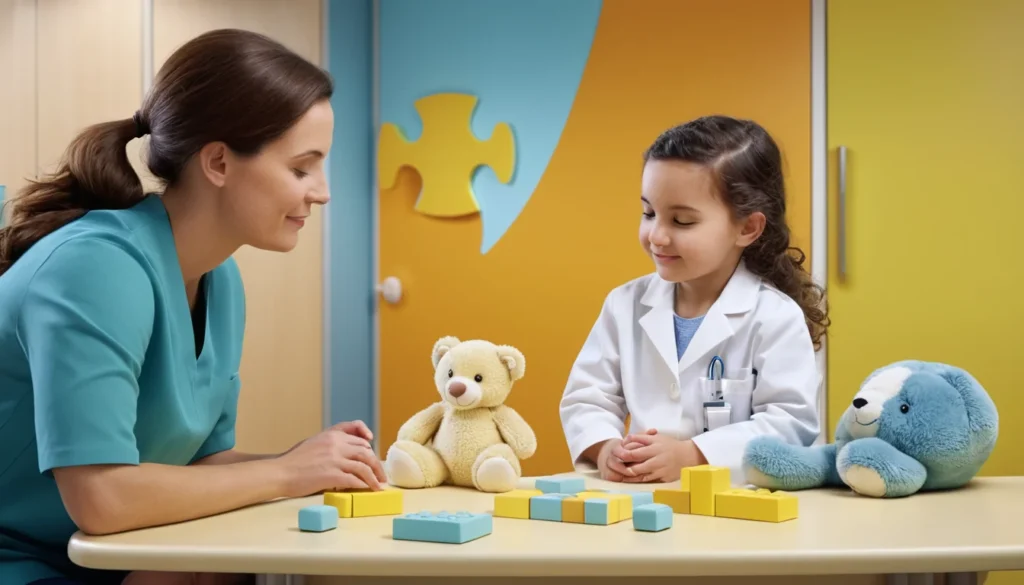
Infectious diseases in children are one of the most common reasons Canadian parents visit their family doctor or local walk-in clinic. Children catch infections easily because their immune systems are still developing. Understanding how these illnesses spread — and how to stop them — can make a real difference in keeping your family healthy.
Why Children Are More at Risk for Infectious Diseases
A century ago, infectious diseases were the leading cause of death worldwide. Today, heart disease and stroke top that list. However, infectious diseases remain a serious health concern, especially for young children.
Children who attend daycare centres face a higher risk of picking up infections. These illnesses can be short-term and acute, or they can become long-term and chronic. Either way, they deserve attention and care.
Children under two years old are especially vulnerable. Their immune systems are not yet fully developed, which makes it easier for bacteria and viruses to take hold. In addition, young children often touch their faces, share toys, and have little awareness of hygiene habits.
Key Factors That Increase Infection Risk in Kids
Several conditions make children more likely to develop infectious diseases. Being aware of these factors helps parents take action early.
A weakened immune system makes it harder for the body to fight off germs.
Crowded spaces — such as classrooms, daycare centres, and public transit — allow viruses to spread quickly.
Poor hygiene habits are one of the most dangerous risk factors for spreading infection.
Unsterilised medical equipment can introduce harmful pathogens into the body.
Functional asplenia (a condition where the spleen does not work properly) reduces the body’s ability to fight certain bacteria.
Knowing when your child is most contagious allows you to act quickly. This helps you protect other children at school or in your neighbourhood. Always speak with your family doctor if you are unsure about your child’s infection risk.
How Infectious Diseases in Children Spread
Infectious diseases spread in several different ways. Some pathogens travel through only one route, while others can use multiple pathways to infect a new host. Understanding these routes helps you put the right prevention strategies in place.
Person-to-Person Transmission
The most common way infections spread is directly between people. This includes skin-to-skin contact, human bites, and transmission from mother to baby during pregnancy or birth. Many common childhood illnesses — such as colds, flu, and stomach bugs — travel this way.
Close contact in schools and daycare centres creates ideal conditions for person-to-person spread. Therefore, teaching children good hygiene from an early age is one of the best defences available.
Animal-to-Human Transmission
Some infections pass from animals to humans, and these can be particularly dangerous. Animal bites are a key concern — for example, bites from infected animals can transmit rabies, a serious and life-threatening illness.
Insects such as mosquitoes, flies, and ticks also act as carriers. These are known as vectors. In Canada, mosquitoes can carry West Nile Virus, which has been reported across multiple provinces. Ticks can spread Lyme disease, which is increasingly common in parts of Ontario, Quebec, and British Columbia.
Furthermore, Health Canada advises Canadians to take precautions when spending time outdoors in wooded or grassy areas, especially during warmer months.
Other animal-to-human infections include:
Salmonella — often contracted from undercooked poultry or eggs, but also from reptiles, amphibians (such as turtles, iguanas, and salamanders), dogs, cats, and rodents.
Bubonic plague (caused by Yersinia pestis) — spread from rats or other rodents.
West Nile Virus — carried by birds and passed to humans through mosquito bites.
Lyme disease — transmitted by ticks that have fed on infected mice or deer.
If your child is bitten by an animal — wild or domestic — contact your provincial health line or visit a walk-in clinic right away. Prompt treatment can prevent serious complications.
Fecal-Oral Transmission
Fecal-oral transmission happens when bacteria, viruses, or parasites from one person’s digestive system enter another person’s mouth. This sounds alarming, but it is actually very common — and very preventable.
It typically occurs when hands are not washed properly after using the toilet, or when contaminated surfaces are touched before eating. Children in daycare centres are at higher risk because diaper changing and food preparation sometimes happen in close proximity.
According to the World Health Organization (WHO), fecal-oral diseases include some of the most common childhood illnesses globally, including rotavirus and hepatitis A.
To prevent fecal-oral transmission in your home:
Wash hands frequently — especially after using the toilet and before meals.
Teach children not to swallow water in swimming pools.
Clean and disinfect commonly touched surfaces regularly — door handles, taps, toys, bedding, and carpets.
Never place a diaper-changing area near food preparation surfaces.
Disinfect changing surfaces between uses and dispose of dirty diapers properly.
Respiratory Transmission: Coughs, Sneezes, and Droplets
Many of the most common infectious diseases in children spread through the air. When a sick person coughs or sneezes, they release tiny droplets of moisture into the air. These droplets carry bacteria and viruses that other people can inhale.
Larger droplets tend to land in the nose and throat of someone nearby. These can stick to the cells lining the airway and cause upper respiratory infections. Smaller droplets — sometimes called droplet nuclei — can travel deeper into the lungs and cause pneumonia.
Common Illnesses That Spread Through Droplets
Respiratory droplet transmission (sometimes called Flügge droplets in medical literature) is responsible for a wide range of childhood illnesses, including:
The common cold
Influenza (flu)
Laryngitis and tracheitis
Bacterial meningitis (caused by Neisseria meningitidis)
Strep throat (caused by Streptococcus)
Air currents in enclosed spaces — like classrooms or buses — can carry these tiny droplets further than you might expect. As a result, children in crowded indoor environments are at the greatest risk.
How to Reduce Respiratory Spread
Simple habits can dramatically reduce the spread of airborne infections in your household and community.
Teach children to cough or sneeze into their elbow, not their hands.
Use disposable tissues and discard them immediately.
Wash hands after blowing the nose or sneezing.
Keep sick children home from school or daycare until they are no longer contagious.
Ventilate indoor spaces when possible.
Contaminated Food and Water
Infections can also enter the body through contaminated food and water. This is one of the secondary but important routes of transmission for many pathogens. Children are especially vulnerable because they may not notice when food looks or smells off.
Salmonella is a well-known example. It is found in the digestive tracts of many animals and can contaminate food during processing. Undercooked chicken, raw eggs, and even dry pet food have been linked to Salmonella outbreaks in Canada.
For more detail on food safety for children, visit the Mayo Clinic’s guidance on foodborne illness.
To reduce the risk of foodborne infection:
Cook poultry and eggs thoroughly.
Wash fruits and vegetables before serving.
Keep raw meat separate from other foods.
Refrigerate leftovers promptly.
Use clean, safe water for drinking and food preparation.
Prevention: The Best Defence Against Childhood Infections
The good news is that many infectious diseases in children are preventable. Canada has strong public health programmes in place to help protect children from serious illness.
Vaccination: Your Child’s Best Protection
Vaccination is the single most effective way to prevent many infectious diseases. Canada’s publicly funded immunisation schedules — available through your provincial or territorial health plan — cover a wide range of serious illnesses.
The pneumococcal vaccine, for example, is recommended for children between two and 36 months of age. It protects against bacterial pneumonia and meningitis. Most provinces cover this vaccine at no cost through their provincial health plans.
Talk to your family doctor or public health nurse about which vaccines your child needs and when. Staying on schedule is important — some vaccines require multiple doses to be fully effective.
Everyday Prevention Habits
Beyond vaccination, daily hygiene habits are your strongest tool against infection. These habits are simple to teach and highly effective when practised consistently.
Handwashing — Wash hands with soap and water for at least 20 seconds. Do this before eating, after using the washroom, and after touching animals.
Avoid sharing — Teach children not to share cups, utensils, or food with others, especially when someone is sick.
Stay home when sick — Keep your child home from school or daycare when they have a fever or active symptoms.
Clean shared surfaces — Disinfect high-touch surfaces regularly, including toys, doorknobs, and remote controls.
Proper food handling — Follow safe food preparation practices at all times.
When to See a Doctor
If your child shows signs of a serious infection, do not wait. Contact your family doctor as soon as possible. If your regular doctor is unavailable, a walk-in clinic can assess your child quickly.
Seek care right away if your child has:
A high fever that does not come down with medication
Difficulty breathing or rapid breathing
A stiff neck or unusual sensitivity to light
Signs of dehydration — dry mouth, no tears, fewer wet diapers
A rash that spreads quickly or looks unusual
Extreme fatigue or unusual drowsiness
Your provincial health plan covers most visits to family doctors and walk-in clinics. If you are unsure whether your child needs urgent care, call your provincial health line — such as Health811 in Ontario or 811 in most other provinces — for free guidance from a registered nurse.
This article is for informational purposes only. Always consult a qualified healthcare provider for medical advice specific to your child’s health needs.
Frequently Asked Questions
What are the most common infectious diseases in children in Canada?
The most common infectious diseases in children include the common cold, influenza, ear infections, strep throat, stomach flu (gastroenteritis), and hand-foot-and-mouth disease. Most of these spread through respiratory droplets or direct contact. Canadian children in daycare and school settings are especially likely to encounter these illnesses.
How can I stop my child from catching infections at daycare?
The most effective steps are keeping your child’s vaccinations up to date and teaching proper handwashing habits. Ask your daycare centre about their cleaning and illness exclusion policies. Keeping your child home when they are sick also helps protect other children from infectious diseases.
How do infectious diseases spread from animals to children?
Animals can pass infections to children through bites, scratches, or contact with their droppings. Common examples include Salmonella from reptiles or poultry, rabies from animal bites, and Lyme disease from tick bites. Always supervise children around animals and wash hands thoroughly after contact.
When should I take my child to a doctor for an infection?
Visit your family doctor or a walk-in clinic if your child has a high fever, difficulty breathing, a stiff neck, signs of dehydration, or a spreading rash. These can be signs of a serious infectious disease that needs prompt medical attention. When in doubt, call your provincial health line (811) for advice.
Are infectious diseases in children covered by provincial health plans?
Yes — most doctor visits, clinic visits, and recommended vaccinations for children are covered under provincial and territorial health plans across Canada. This includes routine immunisations that protect against serious infectious diseases. Contact your provincial health authority for details on what is covered in your region.
What vaccines protect children from infectious diseases in Canada?
Canada’s publicly funded immunisation schedules include vaccines for measles, mumps, rubella, chickenpox, whooping cough, meningitis, pneumonia, and more. Most of these vaccines are provided free of charge through provincial health programmes. Talk to your family doctor to make sure your child’s immunisations are current.
Key Takeaways
Infectious diseases in children spread through several routes — person-to-person contact, animal bites, contaminated food and water, respiratory droplets, and fecal-oral transmission. Children in daycare centres and schools face the highest exposure risk due to close contact and shared surfaces. Vaccination is the