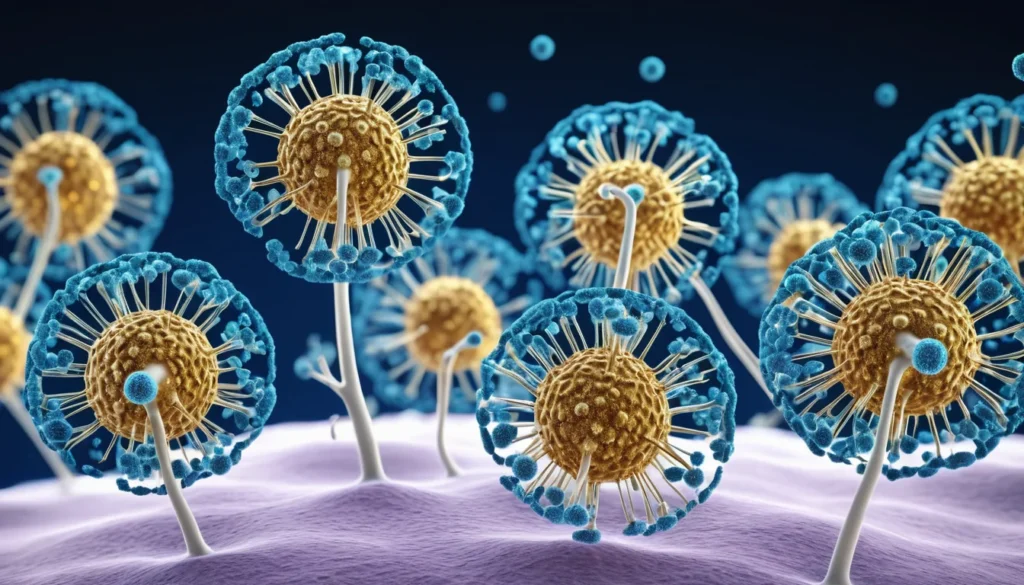
An infection happens when harmful microorganisms — such as bacteria, viruses, or fungi — enter your body and start multiplying. Your immune system fights back, but sometimes it needs help. This article explains what an infection is, what causes one, what symptoms to watch for, and how infections are treated and prevented in Canada.
What Is an Infection?
An infection occurs when pathogens — disease-causing microorganisms — invade your body and reproduce. As they multiply, some release toxins that damage your tissues and make you feel unwell.
Infections can be localized or generalized. A localized infection stays in one area, like an infected cut on your finger. A generalized infection spreads through the body, affecting multiple systems at once.
Infections can also be classified as exogenous or endogenous. An exogenous infection comes from outside your body — from another person, an animal, or the environment. An endogenous infection comes from microorganisms already living inside you that become harmful under certain conditions.
According to Health Canada, infectious diseases remain one of the leading reasons Canadians visit their family doctor or walk-in clinic each year.
What Causes an Infection?
An infection develops when your body’s natural defences cannot stop an invading microorganism. Whether or not you get sick depends on two things: the strength of your immune system and the power of the pathogen.
A weakened immune system gives pathogens an easier path into your body. Many things can lower your immunity, including stress, poor nutrition, certain medications, or underlying health conditions like diabetes or HIV.
Types of Microorganisms That Cause Infections
Different types of microorganisms cause different kinds of infections. Understanding the cause helps your doctor choose the right treatment.
Bacteria — single-celled organisms that can multiply rapidly. Examples include strep throat and urinary tract infections.
Viruses — tiny agents that hijack your cells to reproduce. Examples include the flu, COVID-19, and the common cold.
Fungi — organisms like yeast and mould. Examples include athlete’s foot and thrush.
Parasites — organisms that live off a host. Examples include giardia and tapeworms.
What Is an Opportunistic Infection?
An opportunistic infection is caused by a microorganism that normally does not harm a healthy person. However, when your immune system is weakened — a condition called immunosuppression — that same microorganism can cause serious disease.
For example, a fungus called Pneumocystis jirovecii rarely causes problems in healthy people. However, in someone with HIV or undergoing chemotherapy, it can cause severe pneumonia. These types of infections are a major concern for Canadians living with immune-compromising conditions.
Common Signs and Symptoms of an Infection
The symptoms of an infection depend on whether it is localized or generalized. Recognizing the signs early can help you get the right care faster.
Symptoms of a Generalized Infection
A generalized infection affects your whole body. It typically causes a high fever, chills, and a general feeling of being very unwell. You may also feel extremely tired, lose your appetite, or experience muscle aches.
In severe cases, a generalized infection can lead to a life-threatening condition called sepsis, where the body’s response to infection starts to damage its own organs. Sepsis requires emergency medical care immediately.
Symptoms of a Local Infection
A localized infection affects one specific area of the body. The affected area becomes inflamed, which causes a recognizable set of symptoms:
Pain — the infected area is tender or sore.
Redness — the skin around the infection looks red.
Swelling — fluid builds up in the tissue, causing puffiness.
Warmth — the area may feel warm to the touch.
Pus — some bacterial infections cause an abscess filled with pus to form.
For instance, an infected wound on your skin may look red, feel swollen and warm, and produce pus. These are signs your immune system is actively fighting the infection.
For a deeper look at infection symptoms, the Mayo Clinic’s infectious disease resource offers a thorough overview trusted by health professionals worldwide.
How Are Infections Treated?
Treatment for an infection depends on what is causing it. Your doctor will tailor the treatment to the specific microorganism involved, as well as to your symptoms and overall health.
Treating the Cause
The most important part of treating an infection is targeting the microorganism responsible. Different pathogens require different medicines:
Antibiotics — used to treat bacterial infections. It is important to finish the full course, even if you feel better early.
Antivirals — used for certain viral infections, such as influenza or shingles.
Antifungals — used to treat fungal infections like oral thrush or severe systemic fungal disease.
Antiparasitics — used to eliminate parasites from the body.
It is worth noting that antibiotics do not work against viruses. Taking antibiotics for a cold or the flu will not help and can contribute to antibiotic resistance, which is a growing public health problem in Canada.
Treating the Symptoms
Alongside the main treatment, your doctor may also recommend managing your symptoms. Over-the-counter medications can help reduce fever and relieve pain. Rest and plenty of fluids also support your body’s healing process.
In more serious cases, hospital care may be needed. This can include intravenous (IV) antibiotics, fluids, and close monitoring by a medical team. In Canada, this kind of care is covered under your provincial health plan.
How to Prevent an Infection
Prevention is one of the most powerful tools we have against infection. Good habits and public health programmes in Canada make a real difference in reducing the spread of disease.
Practise Good Hygiene
Proper hygiene is your first line of defence. Simple habits stop many infections before they start:
Wash your hands often with soap and water for at least 20 seconds.
Avoid touching your face, especially your eyes, nose, and mouth.
Clean and cover any cuts or wounds right away.
Handle and store food safely to prevent foodborne illness.
Avoid close contact with people who are sick.
Furthermore, keeping your home and surroundings clean helps reduce the growth of bacteria and fungi. This is especially important in kitchens and bathrooms.
Get Vaccinated
Vaccination is one of the most effective ways to prevent certain infections. Canada has a strong national immunization programme that protects against many serious bacterial and viral diseases.
Vaccines work by teaching your immune system to recognize and fight specific pathogens — without you having to get sick first. Common vaccines available to Canadians include those for influenza, hepatitis B, measles, and pneumococcal disease.
Talk to your family doctor or visit a public health clinic to check that your vaccinations are up to date. Many provincial health plans cover recommended vaccines at no cost.
Support Your Immune System
A healthy lifestyle strengthens your immune system and makes it harder for infections to take hold. In addition to good hygiene and vaccination, consider these habits:
Eat a balanced diet rich in fruits, vegetables, and fibre.
Get regular physical activity.
Sleep 7–9 hours per night.
Manage stress through relaxation techniques or exercise.
Avoid smoking and limit alcohol consumption.
The World Health Organization (WHO) notes that infectious diseases remain among the top causes of death globally, making prevention efforts all the more important.
When to See a Doctor
Many mild infections — like the common cold — get better on their own with rest and fluids. However, some infections require prompt medical attention.
Visit your family doctor or a walk-in clinic if you notice any of the following:
A fever above 38.5°C (101.3°F) that lasts more than two or three days.
A wound that is becoming more red, swollen, or producing pus.
Symptoms that are getting worse instead of better after a few days.
Difficulty breathing, chest pain, or confusion — seek emergency care immediately.
Signs of infection in a young child, an elderly person, or someone with a weakened immune system.
In Canada, you can access care through your provincial health plan. If you do not have a family doctor, most provinces have walk-in clinics, telehealth lines, or nurse practitioner-led health centres that can help. Do not wait too long — catching an infection early leads to better outcomes.
Always speak with a qualified healthcare provider before starting or stopping any treatment. The information in this article is for general educational purposes only and is not a substitute for professional medical advice.
Frequently Asked Questions About Infections
What is the difference between a bacterial and a viral infection?
A bacterial infection is caused by bacteria and can usually be treated with antibiotics. A viral infection is caused by a virus, and antibiotics will not help — your body often fights it on its own, though antivirals are available for some viruses. Knowing which type of infection you have is important, so always check with your doctor before taking any medication.
How do I know if my infection is getting worse?
Signs that an infection is worsening include increasing pain, spreading redness, swelling, pus, or a fever that will not go down. If you feel significantly more unwell after a day or two, or if new symptoms appear, your infection may need medical treatment. Visit a walk-in clinic or your family doctor right away if this happens.
Can an infection go away on its own without treatment?
Some minor infections, like a mild cold, can clear up on their own with rest, fluids, and time. However, many infections — especially bacterial ones — need specific treatment to fully resolve and to prevent complications. When in doubt, it is always safer to consult a healthcare provider rather than waiting it out.
What are the most common types of infection in Canada?
Among the most common infections seen by Canadian family doctors are upper respiratory infections like colds and flu, urinary tract infections, skin infections, and gastrointestinal infections. Sexually transmitted infections (STIs) are also a significant public health concern across Canadian provinces. Vaccination and good hygiene go a long way in preventing many of these.
Is an infection contagious?
Whether an infection is contagious depends on what is causing it and how it spreads. Many infections — such as the flu or strep throat — spread easily from person to person through droplets, touch, or shared surfaces. Others, like a skin infection from a wound, are not typically contagious. Your doctor can tell you whether you need to take precautions to avoid spreading your infection to others.
How can I prevent spreading an infection to my family?
The best ways to prevent spreading an infection at home include washing your hands frequently, covering your mouth and nose when you cough or sneeze, and avoiding sharing utensils, towels, or drinking glasses. Staying home from work or school while you are contagious also helps protect your community. Good hygiene habits are your family’s strongest defence against infection.
Key Takeaways
An infection happens when harmful microorganisms enter your body and multiply, sometimes releasing toxins that make you ill.
Infections can be localized (affecting one area) or generalized (affecting the whole body).
Common causes include bacteria, viruses, fungi, and parasites — each requiring a different type of treatment.
Symptoms range from localized redness and swelling to high fever, chills, and fatigue in more widespread infections.
Treatment targets both the microorganism (antibiotics, antivirals, antifungals) and the symptoms (fever, pain relief).
Prevention includes regular handwashing, staying up to date on vaccinations, and supporting your immune system with a healthy lifestyle.
See your family doctor or a walk-in clinic if symptoms worsen, persist, or if you are in a high-risk group.
All care for infections in Canada can be accessed through your provincial health plan — you do not have to face it alone.