Infantile acropustulosis is a benign, non-infectious skin condition that affects newborns and young infants. It causes small, itchy blisters called pustules to appear on the palms, fingers, soles, and toes. While the condition looks alarming and can be uncomfortable for your baby, it is not dangerous. The good news is that infantile acropustulosis almost always clears up on its own by the time a child reaches two to three years of age.
What Is Infantile Acropustulosis?
Infantile acropustulosis is a recurring skin condition seen in babies during the first few months of life. The name comes from “acro,” meaning extremities, and “pustulosis,” meaning the formation of pustules. In short, it describes clusters of tiny fluid-filled bumps that form on a baby’s hands and feet.
The condition is classified as benign, which means it does not cause lasting harm. It is also non-infectious, so it cannot spread from one child to another. However, it does cause noticeable itching, which can make your baby irritable and restless, especially at night.
According to Healthline’s overview of infantile acropustulosis, the condition tends to appear in cycles. Flare-ups last one to two weeks, then fade, only to return a few weeks later. This cycle can repeat several times before the condition fully resolves.
Who Does Infantile Acropustulosis Affect?
Infantile acropustulosis can affect any infant, but research suggests it appears more frequently in male babies and in Black infants. Doctors do not fully understand why this pattern exists. There is no clear link to genetics, environment, or any specific health risk factor.
The condition typically appears between birth and two years of age. In some cases, it develops in the first few weeks of life. In others, it may not appear until a baby is several months old.
Interestingly, some researchers believe infantile acropustulosis may sometimes follow a case of scabies — a separate skin infection caused by mites. However, in many children, it appears without any prior infection or obvious trigger. For this reason, it is important to have a healthcare provider confirm the diagnosis.
Recognising the Symptoms of Infantile Acropustulosis
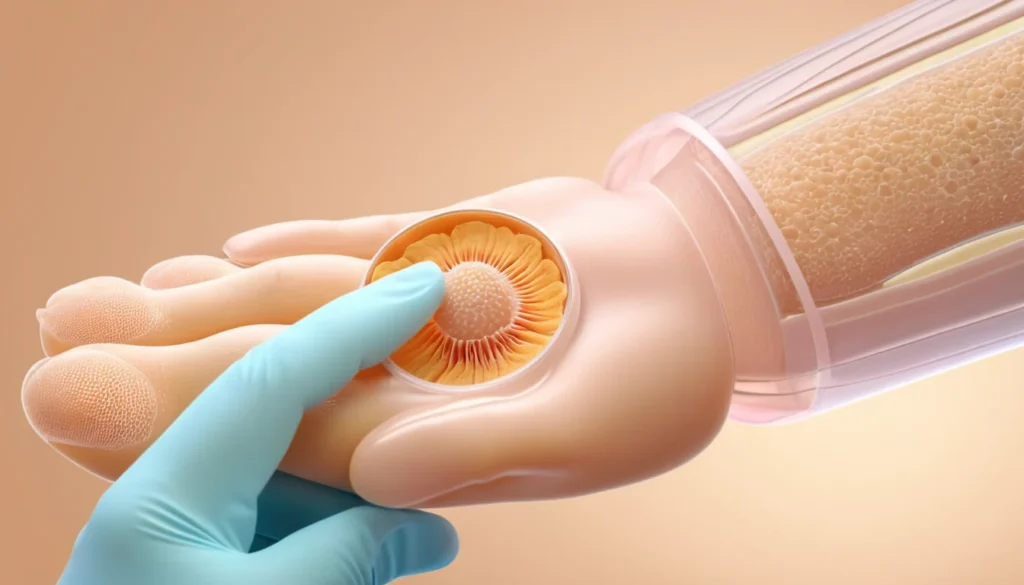
The most visible sign of infantile acropustulosis is the appearance of small, round pustules. These bumps are typically two to four millimetres in size. They are filled with clear or slightly cloudy fluid and have a red base.
Where Do the Pustules Appear?
The blisters most commonly appear on the palms of the hands and the soles of the feet. They may also form on the fingers and toes, including around the nails. Less commonly, pustules can appear on the scalp, ankles, or wrists.
In most cases, the rash stays concentrated on the extremities. This is one of the key features that helps doctors distinguish infantile acropustulosis from other infant skin conditions.
What Does the Rash Feel Like?
The rash causes intense itching, which is one of the most distressing aspects for both babies and parents. Infants cannot scratch effectively, but they may rub their hands and feet together or become very fussy. Sleep disruption is common during flare-ups.
After about one to two weeks, the pustules dry out and crust over. The skin heals without scarring. However, a new crop of blisters may appear just a few weeks later, starting the cycle again.
How Is Infantile Acropustulosis Diagnosed?
A family doctor or paediatrician can usually diagnose infantile acropustulosis by examining the rash. The location of the blisters, their size, and the recurring pattern are all important clues. In most cases, no special tests are needed.
However, your doctor may want to rule out other conditions first. Infantile acropustulosis looks similar to several other skin problems in babies, including:
Scabies: A contagious skin infestation caused by tiny mites that also causes intense itching
Erythema toxicum: A common newborn rash that appears in the first few days of life
Transient neonatal pustular melanosis: A harmless rash seen in some newborns at birth
Dyshidrotic eczema: A type of eczema that also affects the hands and feet
Hand, foot, and mouth disease: A viral illness that causes blisters in similar locations
In some cases, the doctor may take a small skin scraping or refer your baby to a dermatologist. This helps confirm the diagnosis and rule out infections. Your provincial health plan covers these types of referrals in most parts of Canada.
The Mayo Clinic’s guide to infant rashes provides helpful context on how doctors distinguish between common newborn skin conditions.
Treatment Options for Infantile Acropustulosis
There is no cure for infantile acropustulosis. The condition resolves on its own over time. However, treatment can help manage the itching and keep your baby more comfortable during flare-ups.
Topical Treatments
Doctors often recommend mild antiseptic creams or washes to keep the affected skin clean and prevent secondary infection from scratching. In addition, low-potency topical corticosteroids — creams that reduce inflammation — are sometimes prescribed to ease itching and speed up the healing of each flare-up.
These creams should only be used under medical guidance. Your family doctor or dermatologist will advise you on how often to apply them and for how long. Overuse of topical steroids on infant skin can cause side effects, so careful use is essential.
Antihistamines
In some cases, a doctor may recommend an oral antihistamine to help reduce itching and help your baby sleep more comfortably. These medications do not treat the underlying condition, but they can provide meaningful relief during difficult flare-ups.
Always check with your doctor before giving any medication to an infant. Many over-the-counter antihistamines are not appropriate for babies under a certain age.
Comfort Measures at Home
There are several things you can do at home to help your baby feel more comfortable. These include:
Keeping your baby’s nails trimmed short to reduce skin damage from rubbing
Dressing your baby in soft, breathable cotton clothing to avoid irritating the skin
Using fragrance-free, gentle soaps and moisturisers
Keeping the affected areas cool, as heat can worsen itching
Using lightweight cotton mittens on your baby’s hands during sleep if rubbing is severe
These simple steps will not stop the flare-ups from occurring, but they can make each episode easier to manage for both you and your baby.
What to Expect Over Time
The most reassuring fact about infantile acropustulosis is that it goes away on its own. Most children experience fewer and less severe flare-ups as they approach their second birthday. By age two to three, the condition typically disappears completely.
There are no long-term effects on the skin. The pustules heal without leaving scars, and there is no lasting damage to the skin’s structure. Your child’s skin should be completely normal once the condition resolves.
Furthermore, infantile acropustulosis does not affect your baby’s overall growth or development. It is a skin-deep condition only. While it can be stressful to watch your baby itch and fuss, you can take comfort in knowing the outlook is excellent.
For more information on how the immune system and skin conditions interact in infants, you can visit Health Canada’s resources on baby skin and health.
When to See a Doctor
If you notice clusters of small blisters or pustules on your baby’s hands or feet, it is always a good idea to have them evaluated. While infantile acropustulosis is harmless, other skin conditions in infants can require prompt treatment. Your family doctor or a walk-in clinic can assess the rash and point you in the right direction.
You should seek medical attention sooner if your baby:
Has a fever alongside the rash
Seems unusually unwell, lethargic, or is feeding poorly
Has blisters that are spreading rapidly to other parts of the body
Shows signs of a secondary skin infection, such as increasing redness, warmth, or pus
Is scratching or rubbing so severely that the skin is breaking and bleeding
If your family doctor suspects infantile acropustulosis, they may refer you to a paediatric dermatologist for confirmation. In Canada, this referral is typically covered under your provincial or territorial health plan. If you do not have a family doctor, a walk-in clinic can assess your baby and arrange appropriate follow-up care.
As always, trust your instincts as a parent. If something about your baby’s skin concerns you, it is always worth getting it checked out. A healthcare provider can offer peace of mind and ensure your baby is getting the right care.
Frequently Asked Questions About Infantile Acropustulosis
Is infantile acropustulosis contagious?
No, infantile acropustulosis is not contagious. It is a non-infectious skin condition, which means it cannot spread from one baby to another through contact. You do not need to isolate your baby from other children during a flare-up.
What causes infantile acropustulosis?
The exact cause of infantile acropustulosis is not fully understood. Some researchers believe it may be triggered by a previous scabies infection, while others think it may be related to an immature immune system response. In many cases, it appears without any identifiable cause.
How long does infantile acropustulosis last?
Infantile acropustulosis typically resolves on its own by the time a child is two to three years old. Each individual flare-up usually lasts one to two weeks. However, flare-ups can recur every few weeks throughout infancy before the condition eventually disappears.
How is infantile acropustulosis different from scabies?
Both infantile acropustulosis and scabies cause intense itching and blisters on the hands and feet, which makes them easy to confuse. However, scabies is caused by a contagious mite infestation and requires specific antiparasitic treatment, while infantile acropustulosis is non-infectious and resolves on its own. A doctor can tell the difference by examining the rash and sometimes taking a skin scraping.
Can infantile acropustulosis be prevented?
There is currently no known way to prevent infantile acropustulosis. Because the exact cause is unclear, there are no specific steps parents can take to stop it from developing. However, keeping your baby’s skin clean and moisturised may help reduce discomfort during flare-ups.
Does infantile acropustulosis require a specialist?
In many cases, a family doctor or paediatrician can diagnose and manage infantile acropustulosis without a specialist referral. However, if the diagnosis is uncertain or symptoms are severe, your doctor may refer your baby to a paediatric dermatologist. In Canada, this type of referral is generally covered by your provincial health plan.
Key Takeaways
Infantile acropustulosis is a benign, non-infectious skin condition affecting newborns and young infants.
It causes small, itchy pustules on the palms, soles, fingers, and toes that appear in recurring cycles.
The condition is not contagious and does not affect your baby’s overall health or development.
Treatment focuses on managing symptoms, including topical antiseptics, mild corticosteroid creams, and antihistamines when appropriate.
Infantile acropustulosis resolves on its own by the time most children are two to three years old.
Always consult your family doctor or visit a walk-in clinic if you notice an unusual rash on your baby, especially if it is accompanied by fever or other symptoms.
Your provincial health plan covers assessment and referrals related to this condition in most parts of Canada.
This article is intended for general informational purposes only and does not replace professional medical advice. Always speak with your family doctor, paediatrician, or another qualified healthcare provider if you have concerns about your baby’s health.