Impulsivity is the tendency to act quickly without thinking about the consequences. It can affect anyone, and in some cases it becomes so intense that it disrupts daily life, relationships, and personal safety. This article explains what impulsivity is, what causes it, and what treatment options are available to Canadians.
What Is Impulsivity?
Impulsivity means acting on urges or impulses before thinking things through. Most people feel impulsive from time to time — buying something unplanned or saying something without thinking. However, when impulsivity becomes a pattern, it can cause serious problems.
In more severe cases, a person may feel an overwhelming, almost irresistible urge to do something — even if they know it is harmful or socially unacceptable. These urges can feel impossible to control. As a result, the person may act in ways that hurt themselves or others.
Impulsivity is not a character flaw. It is often rooted in how the brain processes emotions, rewards, and self-control. Understanding this can help reduce stigma and encourage people to seek support.
Common Signs of Impulsive Behaviour
Impulsive behaviour can look different from person to person. Some signs are mild, while others are more disruptive. Knowing the signs can help you or a loved one get help sooner.
Common signs of impulsivity include:
Making quick decisions without considering the consequences
Interrupting others frequently during conversations
Spending money recklessly or making sudden financial decisions
Reacting with anger or frustration before thinking
Engaging in risky behaviours such as reckless driving or substance use
Difficulty waiting for your turn in social or work settings
Starting many tasks but struggling to finish them
These behaviours are not always signs of a disorder. However, if they happen often and cause real harm to your life or relationships, it is worth speaking with a healthcare provider.
Impulsivity vs. Spontaneity
It is important to tell the difference between healthy spontaneity and problematic impulsivity. Spontaneity can be joyful and creative. Impulsivity, on the other hand, tends to cause regret, conflict, or harm. The key difference is whether the behaviour creates negative consequences.
What Causes Impulsivity?
Impulsivity has many possible causes. In most cases, it involves a combination of brain chemistry, mental health conditions, and life experiences. Understanding the root cause is an important part of finding the right treatment.
Brain and Biology
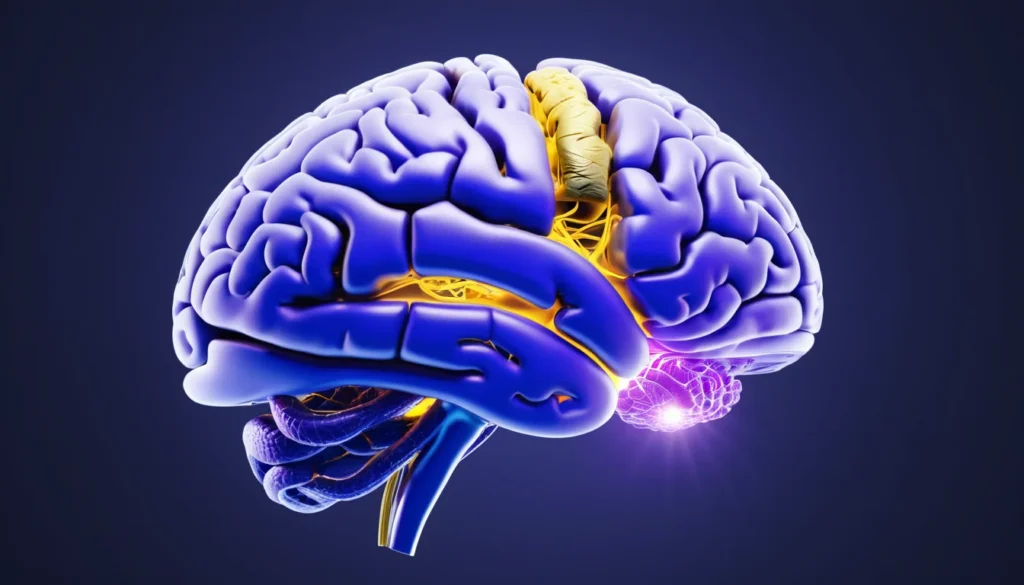
The brain’s prefrontal cortex controls decision-making and impulse regulation. When this area does not work as expected, impulse control can suffer. Research shows that lower levels of serotonin and dopamine — two important brain chemicals — are often linked to impulsive behaviour.
Genetics also play a role. If a close family member struggles with impulse control, you may be at higher risk. However, genetics do not determine destiny. Many people with a family history of impulsivity learn to manage it successfully with the right support.
Mental Health Conditions Linked to Impulsivity
Impulsivity is a common feature of several mental health conditions. These include:
Attention-Deficit/Hyperactivity Disorder (ADHD): One of the most common causes of impulsivity, especially in children and adults who were not diagnosed early
Bipolar disorder: During manic episodes, impulsive decisions are very common
Borderline personality disorder (BPD): Intense emotional reactions often trigger impulsive actions
Substance use disorders: Alcohol and drugs can reduce the brain’s ability to regulate impulses
Intermittent explosive disorder: Characterised by sudden, intense outbursts of anger or aggression
Obsessive-compulsive disorder (OCD): Some compulsive behaviours overlap with impulsive urges
It is also worth noting that trauma, chronic stress, and sleep deprivation can all worsen impulsive behaviour. These are factors that a family doctor or mental health professional can help you address.
Environmental and Social Factors
Growing up in an unstable environment can affect how the brain develops impulse control. For example, children who experience neglect, abuse, or extreme stress may develop stronger impulsive tendencies as adults. Furthermore, social environments that reward quick, bold actions — such as certain workplace cultures — can reinforce impulsive patterns over time.
How Impulsivity Affects Daily Life
When impulsivity is severe, it touches nearly every part of a person’s life. Relationships, finances, career, and physical health can all suffer. Recognising this impact is an important step toward getting help.
Relationships and Social Life
Impulsive behaviour can damage trust in relationships. A person may say hurtful things without meaning to, make promises they cannot keep, or act in ways that confuse or upset loved ones. Over time, this can lead to conflict, isolation, and loneliness.
In addition, social situations can become stressful. People with significant impulsivity often feel embarrassed after acting on an impulse. This can lead to avoidance of social settings, further worsening mental health.
Work and Finances
Impulsivity at work may look like poor planning, frequent job changes, or conflicts with coworkers. Financial impulsivity — such as compulsive spending or risky investments — can lead to serious debt. These consequences add stress, which can make impulsivity even harder to manage.
Physical Health
Impulsive behaviour sometimes leads to physical risk-taking. This can include unsafe sexual behaviour, substance misuse, reckless driving, or self-harm. In the most severe cases, impulsivity can become dangerous and requires immediate medical attention.
Treatment Options for Impulsivity in Canada
The good news is that impulsivity is treatable. Many Canadians successfully manage impulsive behaviour through a combination of therapy, medication, and lifestyle changes. The right approach depends on the underlying cause.
Psychotherapy
Psychotherapy — commonly called talk therapy — is often the first line of treatment for impulsivity. Cognitive behavioural therapy (CBT), as explained by the Mayo Clinic, helps people identify the thoughts and emotions that trigger impulsive actions. Over time, patients learn healthier ways to respond to these triggers.
Dialectical behaviour therapy (DBT) is another effective option, especially for people with borderline personality disorder or intense emotional reactions. DBT teaches skills for emotional regulation, distress tolerance, and mindful decision-making.
In Canada, psychotherapy may be covered through provincial health plans depending on your province. Many provinces, including Ontario and British Columbia, have publicly funded mental health programmes. Ask your family doctor for a referral to a registered psychologist or therapist.
Medication
In more severe cases — especially those involving psychiatric symptoms or danger to self or others — medication may be recommended. A psychiatrist or physician may prescribe:
Antipsychotic medications (neuroleptics): Used in acute situations where impulsivity is severe and poses a risk of harm
Mood stabilisers: Often helpful for bipolar disorder-related impulsivity
Stimulant medications: Such as those used to treat ADHD, which can improve impulse control significantly
Antidepressants: Particularly SSRIs, which can help regulate serotonin levels and reduce impulsive urges
Medication is typically most effective when combined with psychotherapy. Health Canada provides guidance on accessing mental health services across the country, including how to connect with a psychiatrist through your provincial system.
Lifestyle Changes That Help
Alongside professional treatment, certain lifestyle habits can reduce impulsive behaviour. These include:
Regular physical activity: Exercise improves brain chemistry and helps regulate mood and impulses
Consistent sleep schedule: Poor sleep dramatically worsens impulse control
Mindfulness and meditation: These practices strengthen the brain’s ability to pause before reacting
Limiting alcohol and cannabis: Both substances lower inhibition and increase impulsivity
Journaling: Writing about emotions and urges can help create a pause between feeling and acting
These strategies work best as part of a broader treatment plan. They are not a substitute for professional care, but they can make a meaningful difference over time.
When to See a Doctor About Impulsivity
If impulsivity is affecting your relationships, work, or safety, it is time to speak with a healthcare provider. You do not need to wait until things reach a crisis point. Reaching out early leads to better outcomes.
Start by booking an appointment with your family doctor. They can assess your symptoms, rule out underlying medical causes, and refer you to the right specialist. If you do not have a family doctor, a walk-in clinic is a good first step. Many walk-in clinics across Canada can connect you with mental health resources.
If you or someone you know is in immediate danger due to impulsive behaviour, call 911 or go to your nearest emergency department. In some cases, short-term hospitalisation may be needed to ensure safety while a treatment plan is developed.
You can also reach the Crisis Services Canada helpline at 1-833-456-4566, available 24 hours a day. The World Health Organization explains that mental health conditions, including those involving impulsivity, are common and treatable — and help is always available.
Frequently Asked Questions About Impulsivity
What is impulsivity and what causes it?
Impulsivity is the tendency to act on urges without thinking about the consequences first. It is often caused by differences in brain chemistry, mental health conditions such as ADHD or bipolar disorder, or environmental factors like trauma and chronic stress. A healthcare provider can help identify the specific cause of impulsivity in your situation.
Is impulsivity a mental illness?
Impulsivity itself is not a mental illness, but it is a common symptom of several mental health conditions, including ADHD, bipolar disorder, and borderline personality disorder. When impulsive behaviour becomes frequent and harmful, it is worth speaking with a doctor to explore whether an underlying condition may be involved.
Can impulsivity be treated without medication?
Yes, in many cases impulsivity can be managed effectively without medication. Psychotherapy — especially cognitive behavioural therapy (CBT) — is a well-supported treatment for impulsivity. Lifestyle changes such as regular exercise, better sleep, and mindfulness can also help reduce impulsive behaviour over time.
How do I know if my impulsivity is serious enough to see a doctor?
If your impulsivity is affecting your relationships, finances, work, or physical safety, it is worth speaking with a family doctor or visiting a walk-in clinic. You do not need to wait for a crisis — earlier support leads to better results. A doctor can help determine whether the impulsivity is linked to an underlying condition that needs treatment.
Is impulsivity common in children and teens?
Yes, some level of impulsivity is normal in children and teenagers because the prefrontal cortex — the part of the brain responsible for impulse control — is still developing. However, when a child’s impulsivity is significantly more intense than their peers or causes serious problems at school or home, it may be a sign of ADHD or another condition that warrants a professional assessment.
Does impulsivity get worse with age?
For many people, impulsivity naturally improves as the brain fully matures — typically by the mid-to-late twenties. However, without proper support, impulsivity linked to a mental health condition may persist or worsen over time. The right treatment plan, developed with a healthcare provider, can help manage impulsivity at any age.
Key Takeaways
Impulsivity means acting on urges without thinking about the consequences, and it ranges from mild to severe.
It is often linked to mental health conditions such as ADHD, bipolar disorder, or borderline personality disorder.
Causes include brain chemistry, genetics, trauma, and environmental factors.
Effective treatments include psychotherapy (especially CBT and DBT), medication, and lifestyle changes.
In severe or dangerous cases, medication and short-term hospitalisation may be needed to ensure safety.
Canadians can start by speaking with a family doctor or visiting a walk-in clinic for a referral to mental health support.
Help is available — and the sooner you seek it, the better your outcomes are likely to be.
This article is for informational purposes only and does not replace professional medical advice. Always consult your family doctor or a qualified healthcare provider if you have concerns about impulsivity or any other health condition.