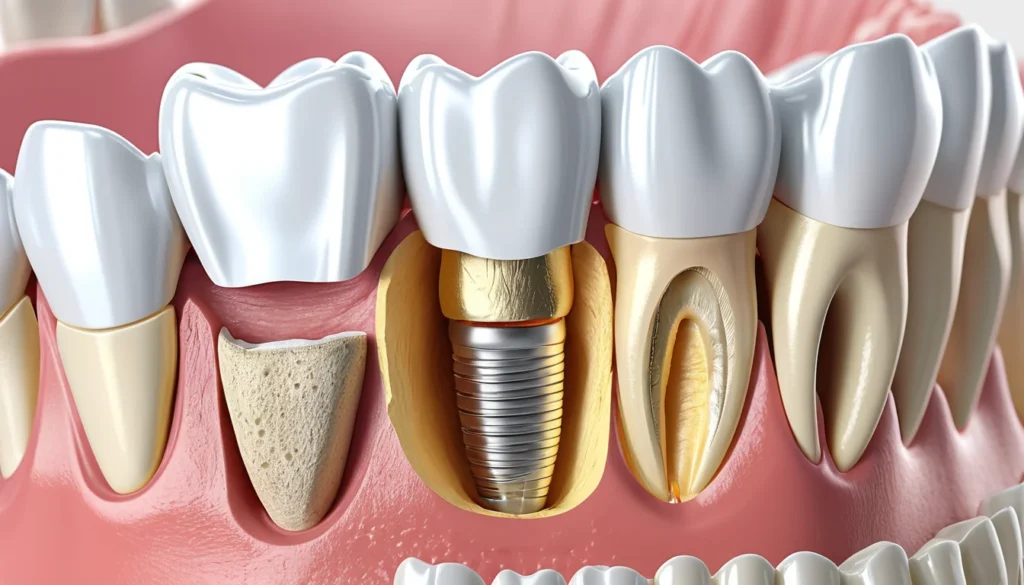
Impacted canine teeth are one of the most common dental problems Canadian families face, yet many people don’t know they have the condition until a dentist spots it on an X-ray. An impacted canine is a tooth that stays trapped inside the jawbone well past the normal time it should have appeared. Without treatment, this can lead to serious problems for your bite, surrounding teeth, and overall oral health.
What Are Impacted Canine Teeth?
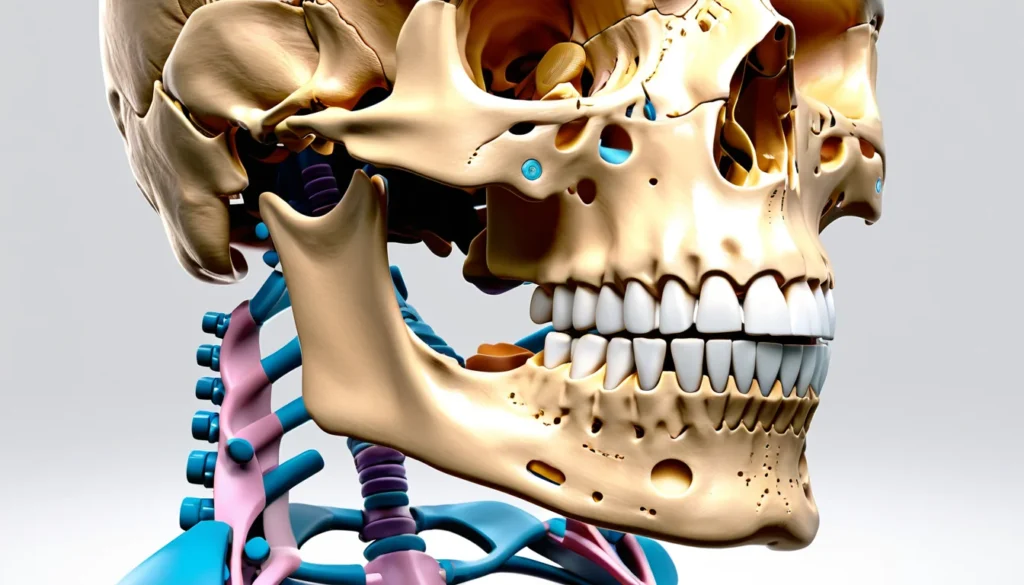
Canine teeth — also called “eye teeth” or “cuspids” — are the slightly pointed teeth on either side of your four front teeth. You have four canines in total, two on the top jaw and two on the bottom. They are among the strongest teeth in your mouth, with roots that can reach about 17 millimetres deep.
Canines play a crucial role in your bite. They sit at the corner of each dental arch, where the front teeth meet the back teeth. This position helps them guide your jaw as it moves side to side when you chew.
Under normal circumstances, lower canines erupt (break through the gum) around age nine. Upper canines follow at around age eleven. When a canine fails to erupt on schedule and stays locked in the bone, it is called an impacted canine tooth.
How Common Is This Condition?
Impacted canine teeth are surprisingly common. Among all teeth — excluding wisdom teeth — canines are the most frequently impacted, accounting for roughly 50% of all impaction cases. Upper canines are impacted more often than lower canines.
Research also shows that women and girls are affected more often than men and boys. In many cases, the baby canine tooth is still sitting in the gum when the adult canine should have already appeared. However, many people have no obvious symptoms at all, which is why regular dental check-ups are so important.
According to Health Canada’s oral health guidelines, regular dental visits starting in childhood are key to catching problems like impacted teeth early, before they become more complicated to treat.
What Causes Impacted Canine Teeth?
Several factors can prevent a canine tooth from erupting properly. Dentists generally group these causes into two categories: local factors and general (whole-body) factors.
Local Causes
Local causes are problems happening directly in the mouth or jaw. These include:
Lack of space: The dental arch may be too crowded or too narrow for the canine to emerge. In some cases, the space closes completely.
Obstructions along the eruption path: A retained baby tooth, cyst, or other tissue can block the canine’s route to the surface.
Bone density changes: Injury or trauma to the jaw can cause the surrounding bone to harden (sclerose), making it difficult for the tooth to push through.
General Health Causes
Sometimes, a whole-body health condition affects how teeth develop and erupt. These general causes include:
Hormonal or endocrine disorders
Metabolic conditions
Rickets or vitamin D deficiency
Malnutrition
Genetic syndromes such as Down syndrome, Turner syndrome, or Paget’s disease
Hereditary (family history) factors
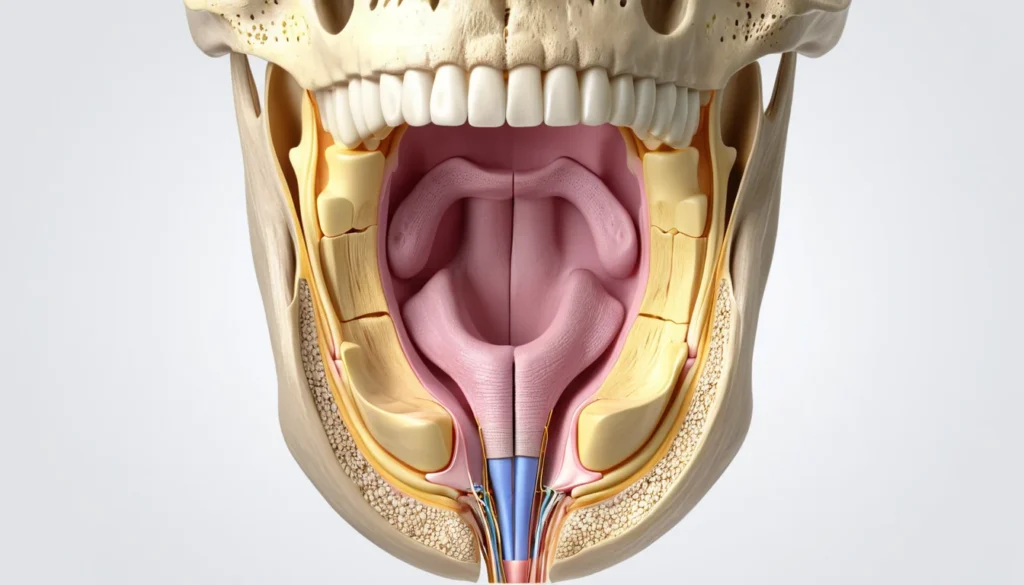
In addition, some cases of impacted canine teeth are linked to a condition called transmigration. This is when the trapped tooth drifts sideways through the jawbone, often moving toward the centre of the face. In rare cases, it can travel all the way to the other side of the jaw, near the opposite molars.
Recognising the Signs of an Impacted Canine
One of the challenges with impacted canine teeth is that they often cause no pain or obvious symptoms, especially in the early stages. Many cases are discovered by accident during a routine dental X-ray.
However, some signs that may indicate a problem include:
A gap in the smile where a canine tooth should be
A baby canine tooth that has not fallen out by age twelve or thirteen
A small lump or swelling in the gum near the canine area
Mild discomfort or pressure in the upper or lower jaw
Neighbouring teeth shifting or becoming misaligned
Because impacted canine teeth are so often silent, dentists and orthodontists in Canada typically monitor canine eruption carefully during childhood and early adolescence. As the Mayo Clinic explains about impacted teeth, early detection gives patients far more treatment options and better outcomes.
How Are Impacted Canine Teeth Treated?
When a canine tooth is confirmed to be impacted, there is one well-established course of treatment: a surgical-orthodontic procedure to uncover and guide the tooth into its correct position. This approach is collaborative — it requires both an oral surgeon and an orthodontist working together as a team.
The treatment happens in three carefully planned stages.
Stage 1 — Creating Space with Orthodontic Braces
Before any surgery takes place, an orthodontist applies braces or another fixed appliance to the teeth. The goal at this stage is to create enough space along the dental arch for the impacted canine to move into. Any other misaligned teeth are also corrected during this phase.
This first stage can take several months to a year or more, depending on how crowded the teeth are and how much space needs to be created. Furthermore, it is essential to complete this step properly before surgery — rushing it can lead to complications later.
Stage 2 — Surgical Exposure of the Impacted Canine
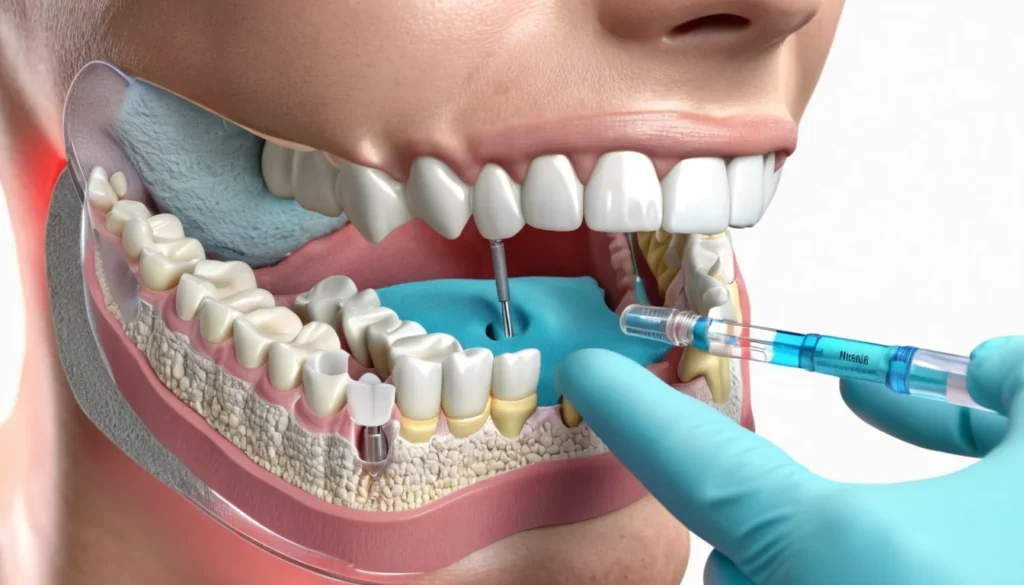
Once enough space exists along the arch, the oral surgeon performs a minor procedure under local anaesthetic. The surgeon carefully removes the small amount of bone and gum tissue covering the trapped canine tooth. This exposes the tooth’s surface.
At the same time, the surgeon attaches a tiny orthodontic bracket and a thin gold chain directly to the exposed canine. This chain connects to the braces already in place, creating an anchor point for the next stage of treatment.
Stage 3 — Orthodontic Traction to Guide the Tooth
After surgery, the orthodontist uses gentle, controlled force to slowly guide the impacted canine tooth along its proper path and into the correct position on the dental arch. This is done by gradually tightening the chain attached during surgery.
This final stage requires patience. It can take anywhere from several months to two to three years, depending on how deep and angulated the tooth was. However, the results are well worth the time invested — a fully functional canine tooth that is part of your natural smile.
What If Treatment Does Not Work?
In most cases, the surgical-orthodontic approach is successful. Complications are relatively uncommon for this type of procedure.
However, in rare situations, the canine tooth cannot be moved into the correct position. This can happen if the tooth’s root has fused to the surrounding bone (a condition called ankylosis), or if the impaction is very severe. In these cases, the tooth may need to be removed (extracted).
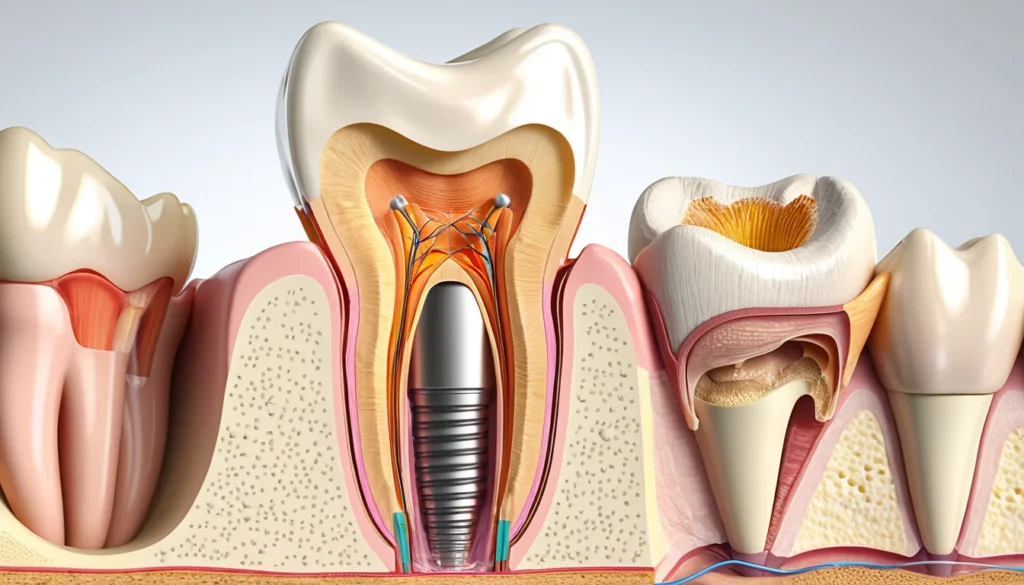
After extraction, a dental implant is usually recommended to fill the space and restore normal chewing function. There is typically a waiting period of about six months between the extraction and the implant placement, to allow the bone to heal fully. For more background on dental health and tooth development, Healthline’s overview of impacted teeth offers helpful additional reading.
When to See a Doctor or Dentist
If you or your child is approaching the teen years and a canine tooth has not yet appeared, it is time to bring this up with your family dentist. Your dentist can take an X-ray to check on the tooth’s position and decide whether a referral to an orthodontist is needed.
In Canada, you can start by speaking with your family doctor, visiting your regular dentist, or stopping in at a walk-in dental clinic. Many provincial health plans provide coverage for children’s dental care, so check with your provincial health authority to understand what may be covered in your area.
Early action makes a real difference. Impacted canine teeth that are treated in childhood or early adolescence tend to respond much better to orthodontic traction. The older the patient, the denser and less flexible the bone becomes, making treatment longer and more complex.
As always, speak with a qualified dental professional before making any decisions about treatment. Every patient’s situation is different, and only a dentist or specialist who has examined you in person can give you reliable advice.
Frequently Asked Questions About Impacted Canine Teeth
What happens if impacted canine teeth are left untreated?
If impacted canine teeth are not treated, they can damage the roots of neighbouring teeth, cause cysts in the jaw, and lead to increased crowding or misalignment of the entire dental arch. Over time, the longer the tooth remains impacted, the more difficult and complex the treatment becomes. In severe cases, untreated impactions may eventually require tooth extraction and implant placement.
At what age should impacted canine teeth be treated?
The ideal time to begin treatment for impacted canine teeth is during the early teen years, typically between ages eleven and fourteen. At this age, the jawbone is still relatively flexible, which makes orthodontic traction more effective and shortens overall treatment time. However, adults can also be treated successfully, though the process may take longer.
Is the surgery for an impacted canine tooth painful?
The surgical exposure of an impacted canine tooth is performed under local anaesthetic, so patients should not feel pain during the procedure itself. Some soreness and swelling are normal in the days following surgery, and over-the-counter pain relief is usually enough to manage discomfort. Most patients find the recovery quite manageable and return to normal activities within a few days.
How long does treatment for impacted canine teeth take?
The full treatment process for impacted canine teeth — including the orthodontic preparation, surgery, and guided traction — can take anywhere from one to three years in total. The timeline depends on how deeply the tooth is buried, its angle in the bone, and how well the patient’s teeth respond to orthodontic forces. Your orthodontist will give you a more personalised estimate after reviewing your X-rays.
Can an impacted canine tooth cause problems with other teeth?
Yes — an impacted canine tooth that is left in place can press against the roots of the neighbouring teeth, potentially causing damage or even root resorption (where the root begins to dissolve). It can also shift surrounding teeth out of alignment, making orthodontic treatment more complex down the road. This is one of the key reasons early detection and treatment are so strongly recommended.
Does a Canadian provincial health plan cover treatment for impacted canine teeth?
Coverage for impacted canine teeth treatment varies depending on your province and your specific dental insurance plan. Some provincial programmes offer children’s dental benefits that may cover part of the cost, and the federal Canadian Dental Care Plan may also provide assistance for eligible Canadians. It is best to speak with your dentist and check with your provincial health authority or insurance provider to understand exactly what is covered in your situation.
Key Takeaways
Impacted canine teeth occur when the canine tooth fails to erupt on schedule and stays trapped in the jawbone.
Canines are the most frequently impacted teeth after wisdom teeth, and upper canines are affected more often than lower ones.
Causes range from crowding and obstructions in the mouth to genetic syndromes and nutritional deficiencies.
The condition often causes no symptoms and is discovered during a routine dental X-ray.
Treatment involves a three-stage surgical-orthodontic process: creating space, surgically exposing the tooth, and guiding it into place with controlled orthodontic force.
Early treatment — ideally in the early teen years — leads to better outcomes and shorter treatment times.
If you are concerned about a missing or delayed canine tooth, speak with your family dentist, visit a walk-in dental clinic, or ask for a referral to an orthodontist through your provincial health plan.
Always consult a qualified dental professional for advice specific to your situation.