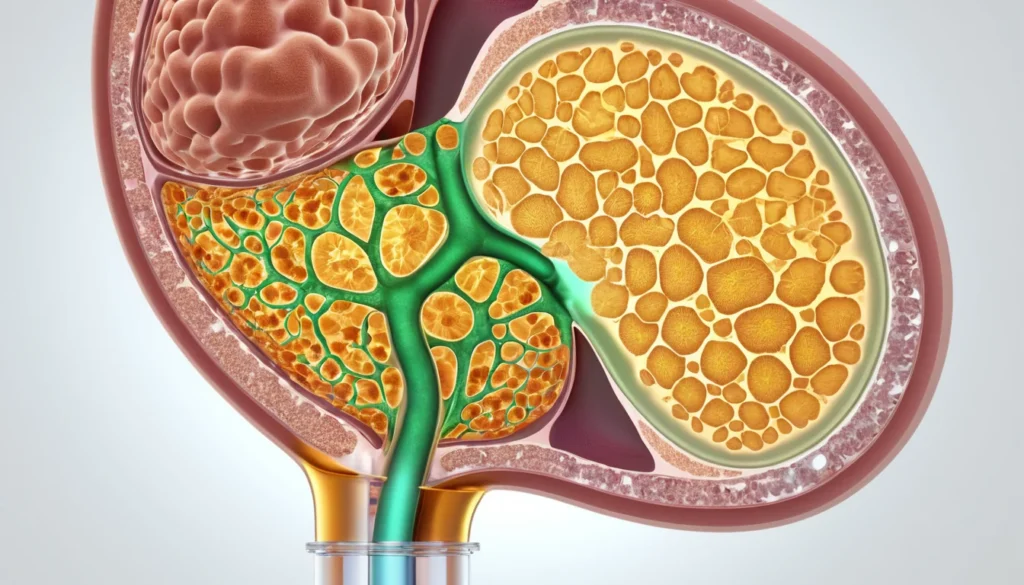
Immunosuppressants are a group of medications that reduce or suppress the body’s immune responses. Doctors prescribe them most often after organ transplants and for autoimmune diseases. Understanding how these drugs work — and what risks they carry — is important for anyone taking them or caring for someone who does.
What Are Immunosuppressants?
Your immune system is your body’s natural defence network. It fights off bacteria, viruses, and other threats. However, sometimes the immune system needs to be calmed down on purpose.
Immunosuppressants do exactly that. They lower the activity of the immune system, either partially or more completely, depending on the dose and the drug used.
These medications go by several names. You may also hear them called immunosuppressive drugs, immunodepressants, or simply “anti-rejection medications.” All of these terms refer to the same broad category of treatment.
According to Health Canada, these drugs are considered specialized medications and are carefully regulated due to their significant effects on the body.
Why Are Immunosuppressants Prescribed?
There are two main reasons a doctor might prescribe immunosuppressants. The first is to prevent organ rejection after a transplant. The second is to manage autoimmune diseases.
Organ Transplants and Rejection Prevention
When a person receives a donated organ — such as a kidney, liver, or heart — their immune system sees the new organ as a foreign object. Without treatment, the immune system will attack and destroy the transplanted organ. This process is called rejection.
Immunosuppressants prevent this from happening. They reduce the immune system’s ability to recognise and attack the new organ. As a result, the body is more likely to accept the transplant and allow it to function normally.
Transplant patients in Canada typically receive these medications through their transplant centre. Most provincial health plans cover immunosuppressant therapy for transplant recipients, though coverage details vary by province. It is worth checking with your provincial health plan directly to understand what is included in your coverage.
Autoimmune Diseases
In autoimmune diseases, the immune system mistakenly attacks the body’s own healthy tissues. This can affect almost any organ or system in the body. Common autoimmune conditions include rheumatoid arthritis, lupus, multiple sclerosis, and inflammatory bowel disease.
Immunosuppressants help manage these conditions by reducing the overactive immune response. This can ease symptoms, slow the progression of disease, and improve quality of life. However, finding the right drug and dose often takes time and close monitoring by a specialist.
Furthermore, some inflammatory skin conditions and certain eye diseases may also be treated with immunosuppressants, depending on their severity.
How Do Immunosuppressants Work?
Different immunosuppressants work in different ways. Some block specific immune cells. Others interfere with chemical signals that tell the immune system to attack. Still others slow the production of immune cells altogether.
Your doctor will choose the right drug based on your specific condition, overall health, and other medications you may be taking. In many cases, patients take more than one immunosuppressant at the same time. This combination approach can be more effective while also allowing for lower doses of each individual drug.
Common types of immunosuppressants include:
Calcineurin inhibitors — for example, cyclosporine and tacrolimus, commonly used after transplants
Corticosteroids — such as prednisone, used for a wide range of autoimmune conditions
Antimetabolites — such as azathioprine and mycophenolate, which slow immune cell production
Biologic agents — newer targeted therapies that block specific parts of the immune response
mTOR inhibitors — such as sirolimus, used mainly in transplant care
For a detailed overview of how these drug classes function, the Mayo Clinic’s immunosuppressant resource centre provides helpful explanations written for patients.
Risks and Side Effects of Immunosuppressants
Immunosuppressants are powerful medications, and they come with real risks. Because they reduce the immune system’s activity, the body becomes less able to fight off infections. This is one of the most significant concerns for patients on long-term therapy.
Increased Risk of Infection
People taking immunosuppressants are more vulnerable to both common and unusual infections. Bacterial infections, viral illnesses, and fungal infections can all occur more easily and may be more severe than they would be in a healthy person.
Even routine illnesses — like a cold or a urinary tract infection — may require prompt medical attention in someone who is immunosuppressed. Therefore, patients should contact their doctor or visit a walk-in clinic at the first sign of infection rather than waiting to see if it resolves on its own.
Some preventive steps can help reduce infection risk. These include good hand hygiene, staying up to date on recommended vaccinations (using only inactivated vaccines, as live vaccines are generally not safe for immunosuppressed individuals), and avoiding close contact with people who are sick.
Long-Term Risk of Certain Cancers
Over the long term, suppressing the immune system can increase the risk of developing certain cancers. The immune system normally helps identify and destroy abnormal cells before they become cancerous. When this function is reduced, some cancers may develop more easily.
Lymphomas — cancers of the lymphatic system — are among the most commonly associated malignancies in people on long-term immunosuppressant therapy. Skin cancers are also more common in this group. For this reason, regular skin checks and cancer screening are an important part of ongoing care.
Other Possible Side Effects
In addition to infection and cancer risk, immunosuppressants can cause a range of other side effects depending on the specific drug. These may include:
High blood pressure
Kidney or liver changes
Elevated blood sugar levels
Bone thinning (osteoporosis)
Nausea, stomach upset, or diarrhoea
Weight gain, especially with corticosteroids
Mood changes or sleep disturbances
Not everyone experiences these side effects. The type and severity depend on the drug, the dose, and how long you have been taking it.
Monitoring and Managing Your Treatment
Regular monitoring is essential for anyone taking immunosuppressants. Because these drugs affect so many systems in the body, healthcare providers need to watch closely for any signs of complications.
What Monitoring Usually Involves
Your doctor will likely schedule regular blood tests to check your immune cell counts, kidney function, liver function, and blood sugar levels. Blood pressure monitoring is also common. How often you need these check-ins depends on the drug you are taking and how stable your condition is.
In Canada, transplant patients typically follow up with a specialist at a transplant centre. People with autoimmune diseases may see a rheumatologist, neurologist, or gastroenterologist, depending on their condition. Your family doctor plays an important coordinating role in all of this care.
What to Do If Side Effects Occur
If you experience side effects, do not stop taking your medication on your own. Stopping immunosuppressants suddenly — especially after a transplant — can be dangerous and may trigger rejection. Instead, contact your doctor as soon as possible.
Your healthcare team has several options. They may reduce your dose, add a treatment to manage the side effect, or switch you to a different immunosuppressant. The goal is always to find the safest and most effective approach for your specific situation.
The World Health Organization’s guidance on essential medicines highlights the importance of supervised treatment plans for immunosuppressive therapy, especially in complex cases.
Living Well on Immunosuppressants
Many Canadians live full and active lives while taking immunosuppressants. With the right precautions and consistent follow-up care, it is possible to manage your health effectively.
Some practical tips that can make a real difference include:
Take your medication exactly as prescribed, at the same time each day
Never skip doses or adjust your dose without talking to your doctor first
Tell every healthcare provider you see — including dentists and pharmacists — that you are taking immunosuppressants
Wear sunscreen and protective clothing to lower your skin cancer risk
Eat a balanced diet to support your overall health
Avoid raw or undercooked foods that may carry bacteria, as your immune defences are reduced
Discuss safe vaccine options with your doctor before receiving any immunisation
Mental health matters too. Living with a chronic condition or recovering from a transplant can be stressful. Speak openly with your doctor about how you are feeling emotionally, not just physically.
When to See a Doctor
If you are taking immunosuppressants, there are certain signs that should prompt you to seek medical care right away. Do not wait for your next scheduled appointment if any of the following occur.
Contact your family doctor, call your transplant or specialist centre, or visit a walk-in clinic if you notice:
Fever, chills, or signs of infection such as unusual redness, swelling, or discharge
Unexplained fatigue or significant weakness
New or unusual lumps anywhere on your body
Changes in urination, jaundice (yellowing of the skin or eyes), or severe stomach pain
Any new symptom that worries you, even if it seems minor
In Canada, your family doctor is your first point of contact for ongoing concerns. If you cannot reach your family doctor quickly, a walk-in clinic can assess you and help determine whether specialist follow-up is needed. For urgent symptoms — such as high fever, difficulty breathing, or chest pain — go to your nearest emergency department right away.
Always speak with a qualified healthcare professional before making any changes to your treatment plan. This article is for informational purposes only and does not replace personalised medical advice from your doctor.
Frequently Asked Questions About Immunosuppressants
What are immunosuppressants used for?
Immunosuppressants are medications used to reduce the activity of the immune system. They are most commonly prescribed to prevent organ rejection after a transplant and to manage autoimmune diseases such as rheumatoid arthritis, lupus, and multiple sclerosis. Your doctor will determine whether immunosuppressants are appropriate based on your specific condition.
Are immunosuppressants safe to take long-term?
Long-term use of immunosuppressants carries real risks, including a higher chance of infections and certain cancers such as lymphoma. However, for many patients — especially transplant recipients — the benefits outweigh these risks, and regular monitoring helps catch problems early. Your healthcare team will closely supervise your treatment to keep you as safe as possible.
Can I get vaccinated while taking immunosuppressants?
Some vaccines are safe for people taking immunosuppressants, while others are not. Live vaccines — such as the MMR or live shingles vaccine — are generally not recommended because the weakened virus could cause illness in an immunosuppressed person. Always talk to your doctor before receiving any vaccine to make sure it is safe for your situation.
What happens if I miss a dose of my immunosuppressant?
Missing a dose of an immunosuppressant can be serious, especially for transplant patients, as it may increase the risk of organ rejection. If you miss a dose, contact your doctor or transplant centre for guidance on what to do next. Do not double up on doses without medical advice.
Do immunosuppressants make you more likely to get sick?
Yes, immunosuppressants lower the immune system’s ability to fight infections, which means you are more likely to get sick and infections may be more severe. Good hygiene, avoiding contact with ill people, and prompt medical attention at the first sign of illness are all important habits. Let your doctor know immediately if you develop a fever or other signs of infection.
Are immunosuppressants covered by provincial health plans in Canada?
Coverage for immunosuppressants varies across Canada depending on your province or territory and the reason for your prescription. Many provincial drug benefit programmes cover immunosuppressants for transplant recipients, but coverage for autoimmune conditions may differ. Contact your provincial health plan or speak with your pharmacist to understand what financial support may be available to you.
Key Takeaways
Immunosuppressants are medications that reduce the immune system’s activity.
They are mainly prescribed to prevent organ rejection after transplants and to treat autoimmune diseases.
The most significant risks include increased infection vulnerability and, over the long term, a higher risk of certain cancers such as lymphoma.
Regular monitoring — including blood tests and check-ups — is essential for anyone on these medications.
Never stop or adjust your dose without speaking to your doctor first.
In Canada, your family doctor, transplant centre, or walk-in clinic can all provide support and guidance while you are on this type of treatment.
Always consult a qualified healthcare professional for personalised medical advice about your treatment.