Immunodeficiency means your immune system cannot defend your body the way it should. This can be something you are born with, or something that develops over time. When your immune defences are weakened, even germs that are normally harmless can cause serious infections. In this article, we explain what immunodeficiency is, what causes it, and how it is managed in the Canadian healthcare system.
What Is Immunodeficiency?
Your immune system is your body’s defence network. It fights off bacteria, viruses, and other harmful invaders every single day. When part of that network stops working properly, doctors call this immunodeficiency.
There are two main types: congenital (present from birth) and acquired (developed during your lifetime). Both types leave the body more open to infections. However, some forms are mild, while others are severe and life-changing.
When the immune deficiency is significant and long-lasting, the body becomes vulnerable to what doctors call opportunistic infections. These are infections caused by germs that would not normally make a healthy person sick. They only take hold when the body’s defences are already weakened.
Congenital Immunodeficiency: Born With a Weaker Immune System
Congenital immunodeficiency is present from birth. It happens when a person’s genes do not give the immune system the instructions it needs to work correctly. These conditions are sometimes called primary immune deficiencies.
There are many different forms of congenital immunodeficiency. Each one affects a different part of the immune response. For example, some affect white blood cells called lymphocytes, which are key fighters in your immune system.
How Lymphocyte Deficiencies Affect Health
When lymphocytes are affected, the prognosis can be more serious. Lymphocytes help your body remember past infections and respond faster next time. Without enough healthy lymphocytes, your body struggles to fight even common illnesses.
However, not all congenital immunodeficiencies are severe. Some are quite common and cause only mild symptoms that people manage well throughout their lives. In addition, early diagnosis through newborn screening programmes in Canada can make a real difference in outcomes.
If a congenital immune deficiency is suspected in a child, a referral to a specialist — such as a paediatric immunologist — is the next step. Your family doctor or paediatrician can arrange this through your provincial health plan.
Acquired Immunodeficiency: When the Immune System Weakens Over Time
Acquired immunodeficiency is far more common than the congenital form. It develops during a person’s lifetime, rather than being present from birth. There are many different causes, ranging from nutrition to medications to viral infections.
According to the World Health Organization (WHO), malnutrition is the leading cause of acquired immunodeficiency worldwide. When the body does not get enough nutrients, the immune system simply does not have the building blocks it needs to function.
Medical Conditions That Can Weaken Immunity
Certain illnesses can also reduce immune function. For example, nephrotic syndrome — a kidney disorder — can lower the level of proteins called immunoglobulins in the blood. These proteins are essential for fighting infection. Without enough of them, the body becomes more vulnerable.
Furthermore, some autoimmune and inflammatory conditions require treatments that deliberately suppress the immune system. This is sometimes necessary to prevent the body from attacking itself. However, as a result, the immune defences are lowered as a side effect.
How Cancer Treatments Affect the Immune System
Chemotherapy and radiation therapy are powerful tools in treating cancer. However, both can significantly reduce immune function. They target rapidly dividing cells — which includes both cancer cells and the immune cells your body needs.
In addition, corticosteroids used to treat inflammatory conditions, and immunosuppressant drugs used after organ transplants, also lower immune function. These medications are medically necessary, but they do require careful monitoring. Your specialist and family doctor will work together to manage this risk.
If you are undergoing cancer treatment or taking immunosuppressant medications in Canada, your care team will likely include guidance on infection prevention. This is a standard part of care covered under provincial health programmes.
Viruses and Immunodeficiency
Several viruses can temporarily weaken the immune system. For most people, this is short-lived, and the immune system recovers once the infection clears. Common viruses like influenza can briefly lower your defences, making you more susceptible to secondary infections like pneumonia.
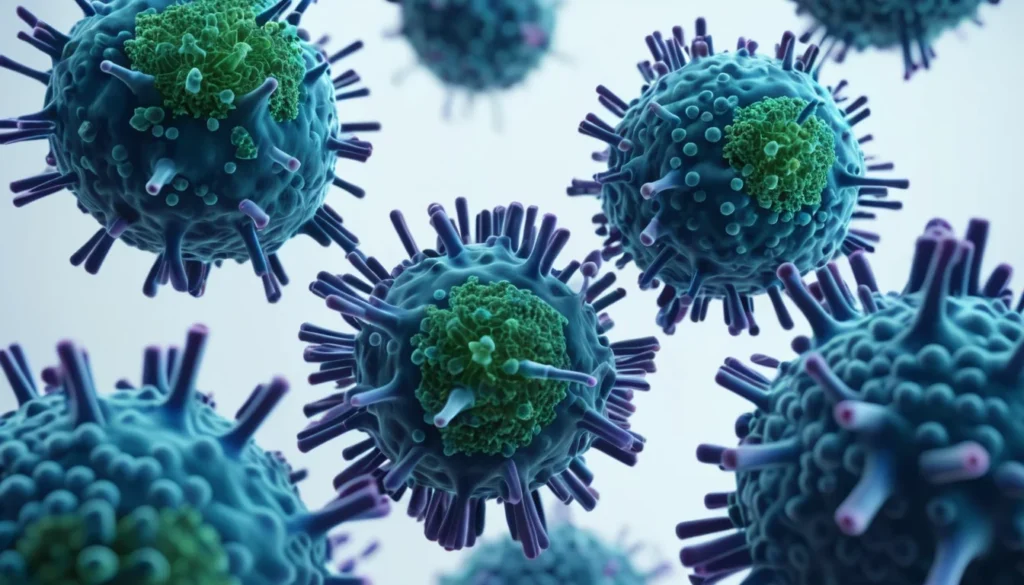
However, one virus causes a deep and lasting form of immunodeficiency: HIV (Human Immunodeficiency Virus). HIV directly attacks a type of lymphocyte called CD4+ T cells. Over time, this leads to AIDS (Acquired Immunodeficiency Syndrome), where the immune system is severely compromised.
HIV and AIDS in Canada
HIV remains an important public health concern in Canada. However, modern antiretroviral therapy (ART) has transformed HIV from a fatal diagnosis into a manageable chronic condition. With consistent treatment, people living with HIV can lead full, healthy lives.
Testing for HIV is available through your family doctor, walk-in clinics, and public health units across every province and territory. Many clinics offer free and confidential testing. For more information, visit Health Canada’s official health resources.
Signs Your Immune System May Be Weakened
It is not always obvious when the immune system is struggling. However, there are some patterns worth paying attention to. These are not definitive signs of immunodeficiency on their own, but they are worth discussing with a healthcare provider.
Common signs that your immune system may need attention include:
Frequent or unusually severe infections (more than four ear infections per year, for example)
Infections that take a very long time to clear up
Needing repeated courses of antibiotics
Developing infections caused by unusual germs
Slow recovery after common illnesses like colds or the flu
Persistent fatigue that does not improve with rest
Recurring skin infections or mouth sores
For children, parents may notice their child getting sick far more often than their peers. This pattern — rather than any single illness — is often what prompts a doctor to look deeper. According to Mayo Clinic’s overview of primary immunodeficiency, recurrent infections are the most common warning sign.
How Is Immunodeficiency Diagnosed and Treated?
Diagnosing immunodeficiency starts with a thorough medical history and blood tests. Your doctor will look at the levels and function of different immune cells and antibodies. These tests help identify which part of the immune system is affected.
Treatment depends entirely on the type and cause of the immunodeficiency. There is no single approach that works for everyone. Treatment options may include:
Immunoglobulin replacement therapy: Regular infusions of antibody proteins to help the body fight infections
Antibiotics and antifungal medications: Used preventively to stop infections before they start
Stem cell or bone marrow transplant: In severe congenital cases, this can rebuild the immune system
Antiretroviral therapy (ART): The main treatment for HIV-related immunodeficiency
Addressing the underlying cause: Treating malnutrition, adjusting medications, or managing the illness causing immune suppression
In Canada, many of these treatments are covered through provincial and territorial health plans, though coverage varies. Speak with your family doctor to understand what is available in your province.
When to See a Doctor
You should speak with your family doctor if you or your child are experiencing frequent, severe, or unusual infections. Do not wait until things become serious. Early investigation can make a significant difference in how well immunodeficiency is managed.
If you do not have a family doctor — which is a reality for many Canadians — a walk-in clinic or community health centre is a good starting point. Walk-in clinic doctors can order initial blood tests and refer you to a specialist if needed.
Seek urgent care or go to an emergency department if you have a high fever, signs of a serious infection (such as difficulty breathing, confusion, or rapid heart rate), or if you are immunocompromised and feel acutely unwell. Infections can escalate quickly in people with weakened immune systems.
Always talk to a qualified healthcare provider before drawing conclusions about your immune health. This article provides general information only and is not a substitute for professional medical advice tailored to your specific situation.
Frequently Asked Questions About Immunodeficiency
What is the most common cause of immunodeficiency?
Worldwide, malnutrition is the most common cause of acquired immunodeficiency. In Canada and other high-income countries, acquired immunodeficiency more often results from medications like chemotherapy or corticosteroids, underlying illnesses, or viral infections such as HIV. Your doctor can help identify the cause in your specific situation.
Can immunodeficiency be cured?
Whether immunodeficiency can be cured depends on its type and cause. Some acquired forms — such as those caused by temporary medication use — may improve once treatment stops. Severe congenital forms may be treated with a stem cell transplant. HIV-related immunodeficiency cannot be cured but can be effectively managed with antiretroviral therapy.
How do I know if I have a weak immune system?
Common signs of a weakened immune system include getting sick very often, taking a long time to recover from infections, or developing unusual infections. However, these signs do not confirm immunodeficiency on their own. A doctor can run blood tests to check how well your immune system is functioning.
Is immunodeficiency the same as an autoimmune disease?
No — these are different conditions. Immunodeficiency means the immune system is underactive and cannot fight infections properly. Autoimmune disease means the immune system is overactive and mistakenly attacks the body’s own healthy tissues. However, some people can experience both types of immune dysfunction at the same time.
Can a child be born with immunodeficiency?
Yes. Congenital immunodeficiency — also called primary immune deficiency — is present from birth and is caused by genetic factors. Some forms are detected through newborn screening programmes in Canada. Early diagnosis is important because treatment can begin sooner, improving the child’s long-term health outcomes.
Does HIV always lead to immunodeficiency?
HIV causes immunodeficiency by attacking the immune cells that protect the body from infection. Without treatment, this progresses to AIDS, which is severe immune system failure. However, with modern antiretroviral therapy available in Canada, people living with HIV can maintain a healthy immune system and prevent progression to AIDS.
Key Takeaways
Immunodeficiency means the immune system is weakened, making the body more vulnerable to infections.
It can be congenital (present from birth) or acquired (developed during your lifetime).
Worldwide, malnutrition is the leading cause of acquired immunodeficiency.
In Canada, common causes include certain medications (chemotherapy, corticosteroids, immunosuppressants) and viral infections, particularly HIV.
HIV is the most well-known cause of deep, lasting immunodeficiency — but it is manageable with proper treatment.
Signs include frequent, severe, or unusual infections and slow recovery from illness.
Treatment depends on the cause and type — options range from immunoglobulin therapy to antiretroviral drugs.
See your family doctor or visit a walk-in clinic if you are concerned about your immune health.
Always consult a healthcare professional for advice specific to your health needs.