Your immune system is your body’s natural defence against infection and disease. When it stops working properly, immune system disorders can develop — ranging from mild allergies to life-threatening conditions like AIDS. This guide explains the most common immune system disorders, what causes them, and what Canadians should know about getting the right care.
What Is the Immune System?
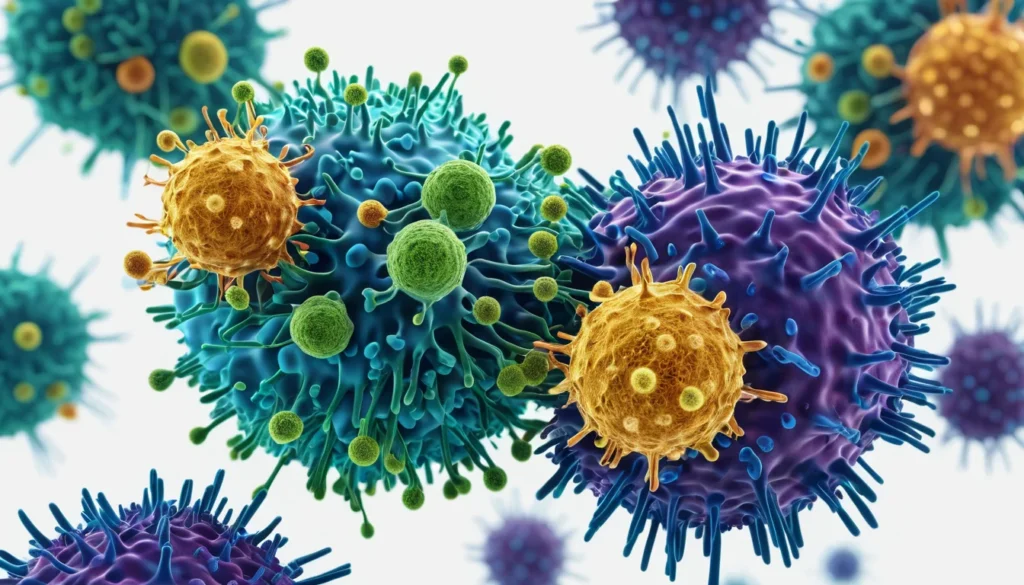
The immune system is a complex network of cells, tissues, and organs. Together, they protect your body from harmful bacteria, viruses, and other foreign invaders. When your immune system detects a threat, it produces antibodies to destroy it.
Without a functioning immune system, even a common cold could become life-threatening. However, problems arise when the immune system is either too weak or too active. Both extremes can lead to serious immune system disorders.
According to Health Canada, immune-related conditions affect millions of Canadians every year. Understanding these conditions is the first step toward better health.
Types of Immune System Disorders
Immune system disorders generally fall into three categories. Each category depends on how the immune system is behaving — whether it is underactive, overactive, or attacking the body itself.
Underactive Immune System Disorders
An underactive immune system cannot fight infections properly. This is called immune deficiency. Common examples include:
Primary immune deficiencies — present from birth due to genetic problems
Severe Combined Immunodeficiency (SCID) — a serious inherited condition
AIDS — caused by advanced HIV infection
Variable Common Immunodeficiency (CVID) — low antibody levels in adults
Selective IgA Deficiency — a specific antibody is missing
X-linked agammaglobulinaemia — a rare inherited disorder
Overactive Immune System Disorders
An overactive immune system reacts to things that are not actually harmful. This leads to allergic reactions and inflammation. Common examples include:
Allergies — to food, pollen, medications, or insect stings
Anaphylaxis — a severe, life-threatening allergic reaction
Asthma — chronic inflammation of the airways
Hay fever — allergic reaction to airborne triggers
Skin allergies — rashes and hives caused by allergens
Autoimmune Disorders
In autoimmune disorders, the immune system mistakenly attacks healthy cells. It confuses the body’s own tissues for foreign invaders. The list of autoimmune conditions is very long and includes diseases like lupus, rheumatoid arthritis, and Type 1 diabetes.
Common Immune System Disorders Explained
SCID (Severe Combined Immunodeficiency)
SCID is a rare but serious inherited immune system disorder. It is caused by genetic abnormalities, often found on the X chromosome. Babies with SCID have almost no immune protection at all.
Symptoms usually appear around three months of age. Children with SCID are highly vulnerable to infections like meningitis, pneumonia, chickenpox, and oral thrush. In addition, they are at risk for serious blood and respiratory diseases.
A bone marrow transplant is currently the most effective treatment for severe SCID. Early diagnosis through newborn screening programmes is critical for a good outcome.
HIV and AIDS
AIDS (Acquired Immunodeficiency Syndrome) is one of the most well-known immune system disorders in the world. It develops in the late stages of HIV (Human Immunodeficiency Virus) infection. At this point, the immune system has almost completely collapsed.
HIV is most commonly spread through sexual contact. However, it can also spread through blood transfusions, shared needles, or from mother to child during birth or breastfeeding. AIDS remains a leading cause of death globally, particularly when diagnosed in advanced stages.
Symptoms of AIDS-related immune failure range from frequent colds and infections to severe conditions like pneumonia and certain cancers. The World Health Organization (WHO) provides comprehensive HIV/AIDS resources for patients and healthcare providers. In Canada, your provincial health plan covers HIV testing and treatment — speak with your family doctor or visit a walk-in clinic for confidential support.
Allergies
Allergies are one of the most common immune system disorders in Canada. They happen when the immune system overreacts to a harmless substance, called an allergen. Common allergens include pollen, mould spores, peanuts, latex, and medications like penicillin.
Often, a person may be allergic to more than one trigger. Symptoms are usually mild — such as sneezing, itchy eyes, or a runny nose. However, medical evaluation is always recommended to identify the exact cause and find the right treatment.
Anaphylaxis
Anaphylaxis is an extreme form of allergic reaction. It can be triggered by foods, insect stings, or medications. The reaction happens quickly and can affect breathing, blood pressure, and heart rate all at once.
Anaphylaxis is a medical emergency. If you or someone near you shows signs of anaphylaxis — such as throat swelling, difficulty breathing, or sudden dizziness — call 911 immediately. Carrying an epinephrine auto-injector (EpiPen) is essential for people with known severe allergies.
Asthma
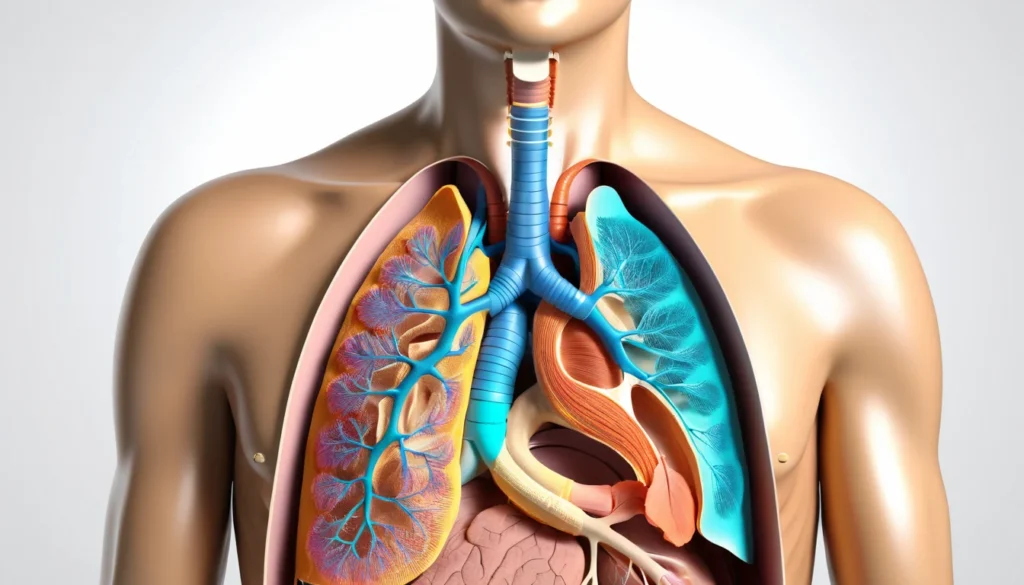
Asthma is a chronic lung condition closely linked to immune system disorders. It causes inflammation and narrowing of the airways. This makes breathing difficult, especially during physical activity or exposure to triggers.
Common asthma triggers include allergens, air pollution, cold air, and exercise. Symptoms include wheezing, coughing, shortness of breath, and chest tightness. Asthma is very manageable with the right treatment plan from your family doctor. For more information, visit the Mayo Clinic’s asthma overview.
Autoimmune Diseases
Autoimmune diseases occur when the immune system attacks healthy body tissue by mistake. There are more than 80 known autoimmune conditions. They can affect nearly any organ or system in the body.
Examples include rheumatoid arthritis, lupus, multiple sclerosis, and Type 1 diabetes. Symptoms vary widely depending on which part of the body is affected. Therefore, diagnosis can sometimes take time and may require specialist care.
Chediak-Higashi Syndrome
Chediak-Higashi syndrome is a rare inherited immune system disorder. It is caused by a mutation in the LYST gene and follows an autosomal recessive pattern. This means both parents must carry the gene for a child to develop the condition.
The syndrome affects all major organs and weakens the immune system’s ability to fight infections. As a result, patients suffer from frequent and recurring bacterial infections. A bone marrow transplant is the most effective treatment for severe cases. For milder cases, immune-supporting vitamins and medications may help.
Common Variable Immunodeficiency (CVID)
CVID is a disorder where the body produces very few antibodies. Unlike many immune deficiencies, CVID usually appears in adulthood — even though it may be present from birth. This makes it harder to diagnose early.
Symptoms include repeated bacterial infections of the ears, sinuses, lungs, and bronchial tubes. In addition, patients may experience painful joint swelling in the ankles, elbows, and wrists. Some patients also notice swollen lymph nodes or an enlarged spleen.
When to See a Doctor
You should speak with your family doctor if you notice any of the following signs of possible immune system disorders:
Frequent or unusually severe infections
Infections that are slow to heal or keep coming back
Persistent fatigue with no clear cause
Unexplained skin rashes or hives
Breathing difficulties or wheezing
Swollen joints or lymph nodes
If you do not have a family doctor, a walk-in clinic is a great first step. Most provincial health plans in Canada cover assessments for these conditions. Your doctor may refer you to an allergist, immunologist, or another specialist depending on your symptoms.
For anaphylaxis or sudden severe allergic reactions, do not wait — call 911 right away. Fast action can save lives. Always consult a qualified healthcare provider before starting any new treatment or supplement for immune health.
Frequently Asked Questions About Immune System Disorders
What are the most common immune system disorders in Canada?
The most common immune system disorders in Canada include allergies, asthma, hay fever, and autoimmune conditions like rheumatoid arthritis and lupus. Immune deficiency disorders such as CVID and selective IgA deficiency also affect many Canadians. Your family doctor can refer you to a specialist if an immune system disorder is suspected.
What are the warning signs of a weak immune system?
Common warning signs of a weak immune system include getting sick frequently, slow recovery from infections, and recurring issues like ear infections or pneumonia. Constant fatigue and digestive problems can also point to immune system disorders. If you notice these signs, speak with your family doctor or visit a walk-in clinic.
Can immune system disorders be cured?
Some immune system disorders can be effectively managed or treated, but not all can be fully cured. For example, asthma and allergies can be controlled with medication, while conditions like SCID may require a bone marrow transplant. Treatment depends on the specific disorder and how early it is diagnosed.
Is asthma considered an immune system disorder?
Yes, asthma is considered an immune system disorder because it involves an overactive immune response in the airways. The immune system reacts to triggers like pollen, dust, or cold air by causing inflammation and narrowing of the breathing passages. Proper diagnosis and an asthma action plan from your doctor can help keep symptoms under control.
How is anaphylaxis different from a regular allergic reaction?
Anaphylaxis is a severe and potentially life-threatening form of allergic reaction, making it one of the most dangerous immune system disorders. Unlike a regular allergy that causes mild symptoms like sneezing or a rash, anaphylaxis can cause throat swelling, a sudden drop in blood pressure, and difficulty breathing. It requires immediate emergency treatment, including an epinephrine injection.
Are immune system disorders covered by provincial health plans in Canada?
Yes, most assessments, diagnostic tests, and treatments for immune system disorders are covered under provincial health plans across Canada. This includes visits to your family doctor, referrals to specialists like allergists or immunologists, and many prescription medications. Check with your provincial health authority for details specific to your province or territory.
Key Takeaways
Immune system disorders affect millions of Canadians and range from mild allergies to serious conditions like AIDS and SCID.
An immune system can be underactive (leaving you vulnerable to infection), overactive (causing allergies and asthma), or misdirected (attacking your own body in autoimmune disease).
Common immune system disorders include allergies, asthma, anaphylaxis, HIV/AIDS, CVID, and autoimmune diseases.
Anaphylaxis is a medical emergency — always carry an EpiPen if you have been prescribed one, and call 911 immediately if a severe reaction occurs.
Most immune system disorder assessments and treatments are covered by provincial health plans in Canada.
Always speak with your family doctor or visit a walk-in clinic if you are concerned about your immune health. Early diagnosis leads to better outcomes.