New research shows a strong connection between IBS and migraine — and the link goes even further. People living with irritable bowel syndrome (IBS) are significantly more likely to also develop migraines, fibromyalgia, and depression. Understanding this connection can help Canadians and their healthcare providers take a more complete approach to managing these conditions together.
What Is IBS and Why Does It Matter?
Irritable bowel syndrome, or IBS, is a common digestive condition that affects the large intestine. Symptoms include cramping, bloating, gas, diarrhea, and constipation. Many Canadians live with IBS for years without connecting it to other health problems they may be experiencing.
According to Health Canada, digestive disorders like IBS affect millions of Canadians and are among the most common reasons people visit their family doctor or a walk-in clinic. IBS is not life-threatening, but it can seriously affect your quality of life.
What makes IBS especially complex is that it rarely travels alone. Researchers have long suspected that IBS shares biological roots with other chronic conditions. A large-scale study involving more than 125,000 patients has now confirmed this suspicion in a meaningful way.
The IBS and Migraine Connection Explained
The study found that people with IBS were 60% more likely to develop at least one of three other conditions: migraine, fibromyalgia, or depression. That is a significant number. It suggests these conditions are not just coincidentally appearing together — they may share a deeper biological cause.
Specifically, the research found:
People with IBS had a 40% higher risk of developing depression.
They had a 60% higher risk of developing migraines.
They had an 80% higher risk of developing fibromyalgia.
These numbers are striking. However, they do not mean that everyone with IBS will develop these conditions. They simply show a pattern that doctors and researchers believe is worth paying close attention to.
This study was notable because it included a proper comparison group. Earlier research had struggled with this. Without a control group, it is hard to say whether a pattern is real or just coincidence. This study addressed that gap directly, making its findings much more reliable.
What Is Fibromyalgia and How Does It Connect to IBS?
Fibromyalgia is a condition that causes widespread muscle pain, fatigue, and sensitivity throughout the body. It can be difficult to diagnose because its symptoms overlap with many other health issues. Many people with fibromyalgia also report digestive problems — and now we have stronger evidence that this overlap is not random.
For people living with IBS, the risk of also developing fibromyalgia was found to be 80% higher than those without IBS. That is the strongest statistical link in the entire study. This suggests that whatever biological process drives IBS may also strongly influence how the nervous system processes pain across the whole body.
Fibromyalgia affects roughly 2% of Canadians, according to estimates from the Mayo Clinic’s overview of fibromyalgia. It is more common in women and often appears alongside other chronic conditions. Understanding its link to IBS could help doctors identify fibromyalgia sooner in patients who are already being treated for digestive issues.
Depression, Migraine, and the Gut-Brain Axis
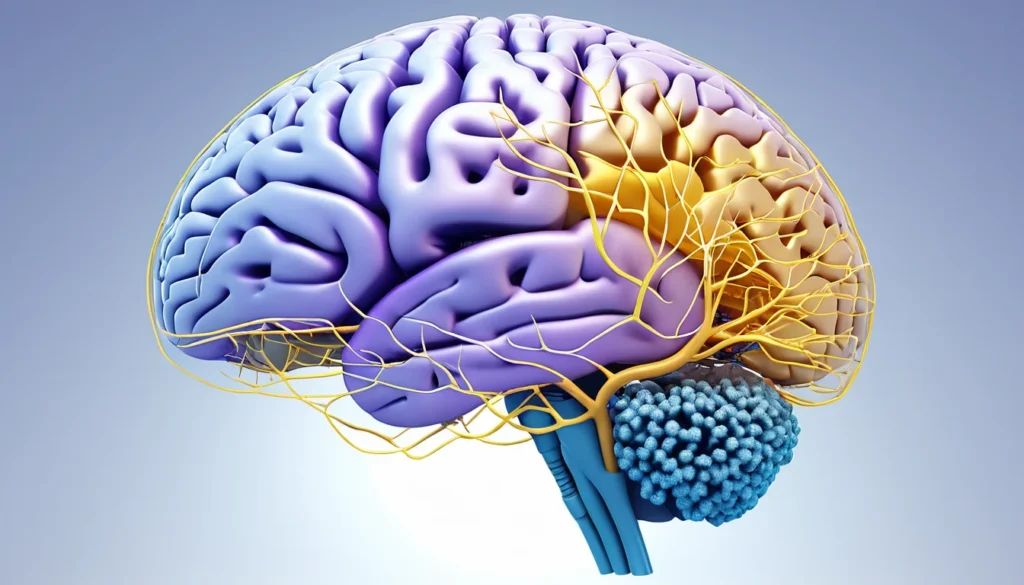
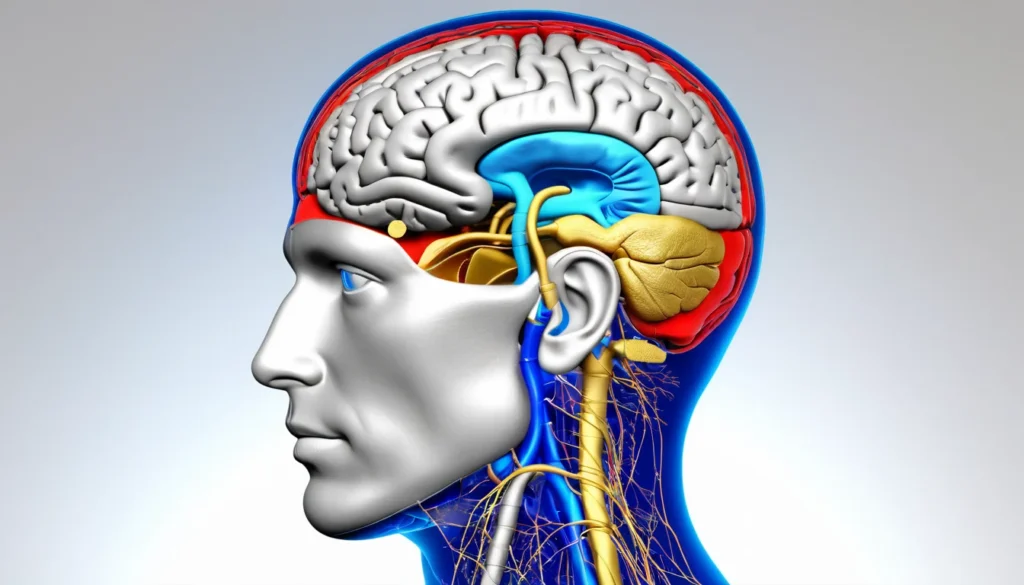
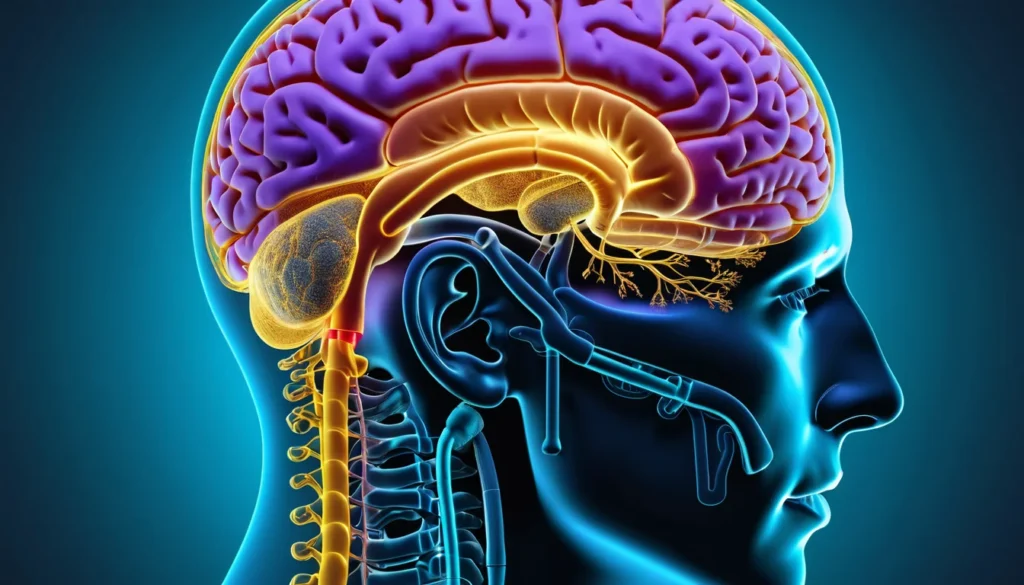
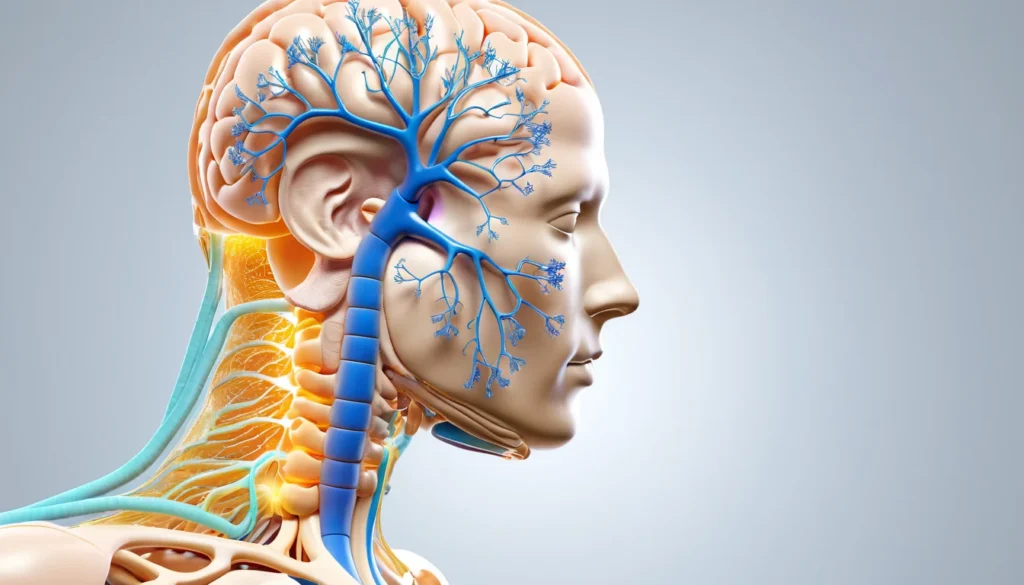
You may wonder how a digestive condition connects to brain-related problems like migraine and depression. The answer likely involves what scientists call the gut-brain axis. This is the two-way communication network between your digestive system and your brain.
Your gut contains millions of nerve cells. In fact, it is sometimes called the “second brain.” These nerve cells communicate constantly with your central nervous system. When something goes wrong in the gut, it can affect brain chemistry — and the reverse is also true.
This helps explain why people with IBS often experience anxiety and depression alongside their digestive symptoms. It also explains why IBS and migraine appear together so frequently. Migraines are believed to involve changes in brain chemistry and nerve sensitivity — the same systems that may be disrupted in IBS.
Furthermore, depression and chronic pain conditions like fibromyalgia are both linked to changes in how the nervous system processes signals. If IBS disrupts these systems early on, it may set the stage for these other conditions to develop over time.
What Does “Shared Biological Mechanism” Mean?
The researchers concluded that all four conditions — IBS, migraine, fibromyalgia, and depression — may share the same underlying biological mechanism. In plain language, this means the same root cause or process in the body may be responsible for all of them.
Scientists believe this shared mechanism may involve serotonin. Serotonin is a chemical in the body that affects mood, pain, and digestive function. It is found in both the brain and the gut. Disruptions in serotonin activity could explain why these four conditions tend to cluster together in the same person.
Another possible shared factor is central sensitisation. This is when the nervous system becomes overly sensitive to pain signals. Central sensitisation is already linked to fibromyalgia and migraine. Researchers now believe it may also play a role in IBS.
Why This Research Matters for Canadians
This research has real practical value for Canadians navigating the healthcare system. Canada’s provincial health plans cover visits to family doctors and many specialist referrals. However, getting proper care for overlapping conditions can be challenging when each condition is managed separately by different providers.
If your family doctor knows that IBS is linked to migraine, fibromyalgia, and depression, they can monitor you for early signs of these conditions. This is especially important in areas where specialist waitlists are long. Early identification means earlier treatment and better outcomes.
In addition, this research supports the idea of treating the whole person rather than just individual symptoms. For example, a treatment that reduces gut inflammation may also help reduce migraine frequency or improve mood. A more integrated approach to care can make a real difference.
As a result, many Canadian healthcare providers are now looking more closely at how chronic conditions interact. This shift in thinking — from treating single conditions in isolation to understanding how they connect — is one of the most important changes happening in modern medicine.
The Importance of Large-Scale Research
One reason this study stands out is its size. With more than 125,000 participants, it is far larger than earlier studies on this topic. Larger studies produce more reliable results because they reduce the chance that the findings are due to chance alone.
Previous research had already suggested a link between IBS and conditions like migraine and fibromyalgia. However, those studies were smaller and lacked proper control groups. This new research addresses both of those weaknesses. Therefore, its conclusions carry significantly more weight.
For more background on how researchers study these kinds of connections, the World Health Organization’s overview of mental and neurological disorders provides useful context on why understanding co-occurring conditions matters globally.
Managing Multiple Conditions: Practical Tips for Daily Life
Living with IBS — and possibly other related conditions — can feel overwhelming. However, there are practical steps you can take to manage your symptoms and protect your overall health.
Track your symptoms carefully. Keep a journal of when your IBS flares up, when you get headaches, and how your mood changes. Patterns in this journal can give your family doctor valuable information.
Focus on gut-friendly eating habits. A high-fibre diet, adequate hydration, and reducing processed foods can help manage IBS symptoms. Some people also benefit from a low-FODMAP diet, which limits certain fermentable carbohydrates. Talk to a registered dietitian through your provincial health plan for personalised guidance.
Manage stress actively. Stress is a known trigger for IBS, migraine, and depression. Techniques like mindfulness, gentle exercise, and good sleep hygiene can help reduce the impact of stress on your body.
Be open with your healthcare team. If you have IBS and start experiencing headaches, widespread pain, or changes in your mood, mention all of these symptoms together. Do not treat them as separate issues. Your family doctor can then assess the full picture and refer you appropriately.
When to See a Doctor
If you have been diagnosed with IBS and you are also experiencing frequent headaches, widespread muscle pain, persistent low mood, or fatigue, it is important to speak with your family doctor. Do not wait for symptoms to become severe before seeking help.
Your family doctor is your best first point of contact. They can assess your symptoms, rule out other causes, and refer you to specialists such as a neurologist, rheumatologist, or mental health professional as needed. If you do not have a family doctor, a walk-in clinic can provide an initial assessment and help coordinate next steps.
Early conversations with your doctor can make a meaningful difference. When you describe your symptoms, mention all of them — not just the digestive ones. The connection between IBS and migraine, fibromyalgia, and depression means your doctor needs the full picture to give you the best possible care.
Always consult a qualified healthcare provider before making changes to your treatment plan or lifestyle based on new research.
Frequently Asked Questions
Is there a proven link between IBS and migraine?
Yes, research supports a strong connection between IBS and migraine. A large study of more than 125,000 patients found that people with IBS were 60% more likely to develop migraines compared to those without IBS. Researchers believe the two conditions may share a common biological mechanism involving the gut-brain axis.
Can IBS cause depression?
IBS does not directly cause depression, but the two conditions are closely linked. People with IBS have a 40% higher risk of developing depression, likely because both conditions involve the gut-brain axis and similar disruptions in brain chemistry. If you have IBS and notice changes in your mood, speak with your family doctor.
What is the connection between IBS and fibromyalgia?
IBS and fibromyalgia are both linked to central sensitisation — a state where the nervous system becomes overly reactive to pain signals. Research shows that people with IBS have an 80% higher risk of developing fibromyalgia. Both conditions may share the same underlying disruption in how the body processes pain and sensation.
Why do IBS, migraine, fibromyalgia, and depression occur together?
Researchers believe these four conditions share a common biological root, possibly involving serotonin imbalances and central sensitisation in the nervous system. The gut-brain axis — the communication network between the digestive system and the brain — may play a central role. This is why disruption in one condition can increase the risk of developing the others.
How is IBS diagnosed in Canada?
IBS is typically diagnosed by a family doctor based on your symptoms, medical history, and ruling out other digestive conditions. There is no single test for IBS. Your doctor may refer you to a gastroenterologist through your provincial health plan if further assessment is needed.
Can treating IBS help reduce migraine or fibromyalgia symptoms?
Some patients do report improvements in related symptoms when their IBS is better managed, particularly through diet, stress reduction, and medication. Because IBS and migraine may share biological pathways, reducing gut inflammation and nervous system sensitivity could have broader benefits. Talk to your healthcare provider about an integrated treatment approach.
Key Takeaways
People with IBS are significantly more likely to also develop migraine, fibromyalgia, and depression.
A large study of more than 125,000 patients confirmed these links with strong statistical evidence.
The risk increases by 40% for depression, 60% for migraine, and 80% for fibromyalgia in people with IBS.
The gut-brain axis and shared biological mechanisms like serotonin disruption and central sensitisation likely explain this connection.
Canadians with IBS should tell their family doctor about all their symptoms — not just digestive ones — to receive more complete care.
Early identification and integrated treatment through Canada’s healthcare system can lead to better outcomes for all four conditions.
Always speak with a qualified healthcare provider before making decisions about your health based on new research.