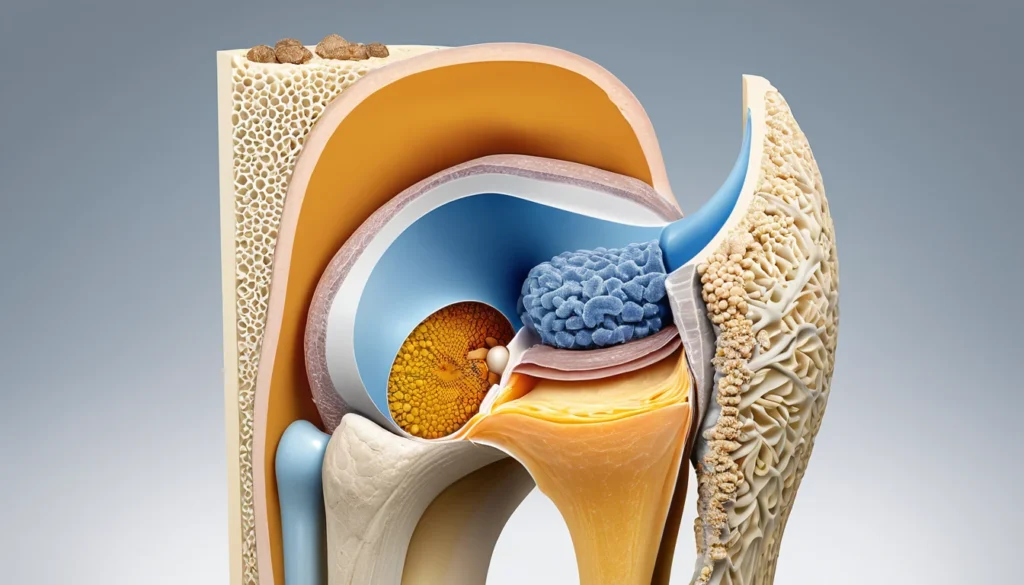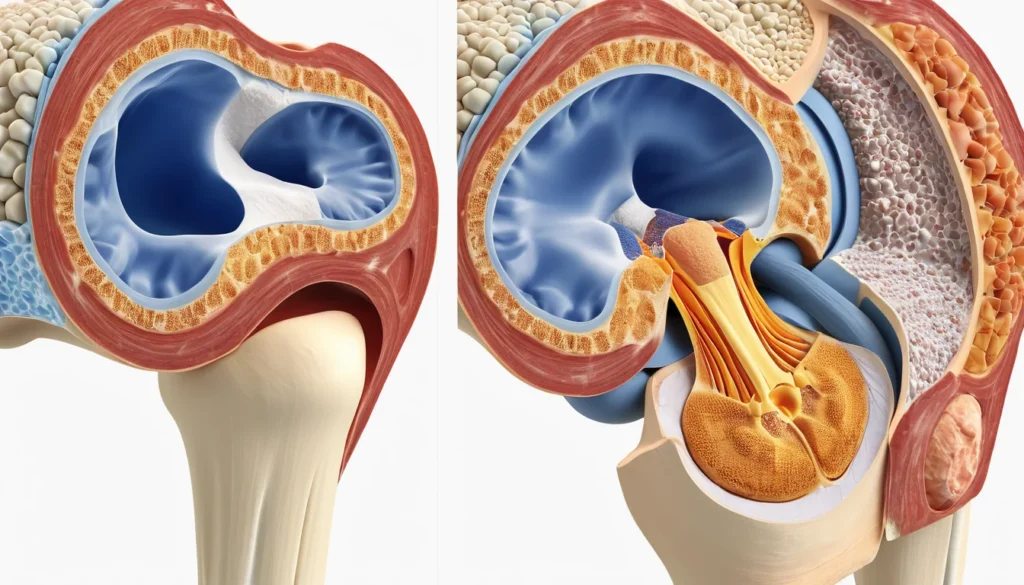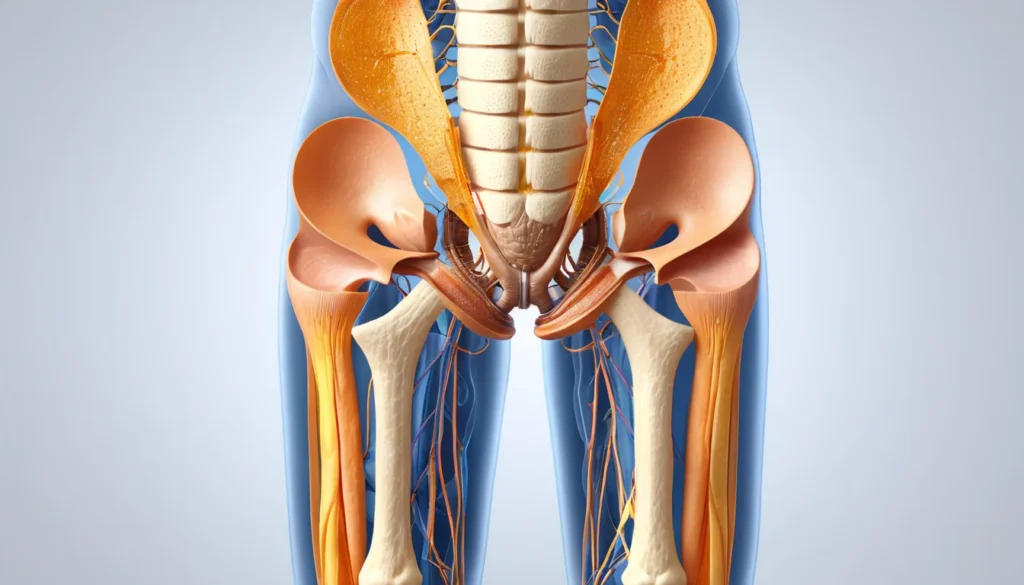
IBD arthritis is a painful condition where chronic joint inflammation develops alongside inflammatory bowel diseases such as Crohn’s disease and ulcerative colitis. Thousands of Canadians living with IBD experience swollen, stiff, or aching joints without realizing the connection to their digestive health. Understanding this link is the first step toward getting the right diagnosis and treatment.
What Causes IBD Arthritis and How Is It Connected to the Gut?
Crohn’s disease joint pain and ulcerative colitis arthritis are among the most common complications that occur outside the gut, known as extraintestinal manifestations. In Canada, where IBD rates are among the highest in the world, recognizing these symptoms early can help patients work with their family doctor or specialist to manage both conditions effectively. This article breaks down the causes, symptoms, and warning signs every Canadian should know.
What Is Inflammatory Bowel Disease Arthritis?
Types of IBD Arthritis: Characteristics and Management
| Type of IBD Arthritis | Key Characteristics | Relationship to Bowel Disease | General Management |
|---|---|---|---|
| Peripheral Arthritis Type 1 (Pauciarticular) | Affects fewer than 5 large joints (knees, ankles, hips, wrists, elbows); asymmetric joint involvement; episodes typically last weeks | Closely linked to IBD flares; joint symptoms usually resolve when bowel disease is controlled | Treating underlying IBD; NSAIDs (used cautiously); corticosteroids; physiotherapy |
| Peripheral Arthritis Type 2 (Polyarticular) | Affects 5 or more small joints; often symmetric; can involve metacarpophalangeal joints; symptoms may persist for months to years | Runs an independent course from bowel disease activity; may persist even when IBD is in remission | Disease-modifying antirheumatic drugs (DMARDs); biologics such as TNF inhibitors; joint protection strategies |
| Axial Arthritis (Spondyloarthropathy) | Affects spine and sacroiliac joints; causes inflammatory back pain; morning stiffness lasting more than 30 minutes; may lead to reduced spinal mobility | Generally follows an independent course from IBD activity; can precede IBD diagnosis by years | Physiotherapy and exercise programs; TNF inhibitors; JAK inhibitors; pain management with rheumatologist guidance |
| Ankylosing Spondylitis with IBD | Severe progressive spinal inflammation; sacroiliac joint fusion possible over time; associated with HLA-B27 gene in some patients; fatigue and reduced range of motion | Occurs independently of bowel inflammation; considered a separate but associated extra-intestinal manifestation | Biologic therapy (TNF inhibitors, IL-17 inhibitors); regular physiotherapy; occupational therapy; specialist co-management in Canadian rheumatology clinics |
| Osteoporosis-Related Joint Complications | Increased fracture risk due to chronic inflammation, malabsorption, and long-term corticosteroid use; joint and bone pain; common in Crohn’s disease patients | Indirect consequence of IBD and its treatment rather than a direct form of IBD arthritis; worsened by nutritional deficiencies | Calcium and vitamin D supplementation; bone density monitoring (DEXA scan); bisphosphonates if indicated; minimizing steroid use |
Inflammatory bowel disease (IBD) is a term for chronic conditions that cause inflammation in the digestive tract. The two most common forms are Crohn’s disease and ulcerative colitis. When joint inflammation develops alongside these conditions, it is called IBD-related arthritis.
This type of arthritis can affect joints in two main ways. It may cause peripheral arthritis, which affects the limbs, or axial arthritis, which affects the spine and pelvis. Both types can significantly impact daily life and quality of life.
Other digestive conditions can also trigger joint problems. These include acute microbial enterocolitis, gluten-sensitive enteropathy (celiac disease), collagenous colitis, and lymphocytic colitis. In addition, some conditions like Crohn’s disease can affect multiple organ systems beyond the gut.
Who Gets Inflammatory Bowel Disease Arthritis?
IBD can develop at any age, but two age groups are most commonly affected. The first group is young people between the ages of 10 and 14. The second group is older adults between 60 and 70 years of age.
Both men and women can develop IBD-related arthritis. However, Crohn’s disease is somewhat more common in women. IBD arthritis affects people across Canada and around the world, regardless of background or lifestyle.
The Role of Diet and Lifestyle
Dietary and socio-economic factors appear to play a role in IBD. For example, some researchers suggest that certain food proteins may be absorbed unchanged in the gut and trigger immune reactions. This is supported by observations that breastfed babies develop colic more often when their mothers consume cow’s milk.
Smoking has a complex relationship with IBD. It may actually have a mild protective effect in ulcerative colitis. However, smoking worsens Crohn’s disease by suppressing the immune system and damaging the protective mucus lining of the intestine. This is one more important reason to quit smoking — your provincial health plan may offer free cessation programmes to help.
Causes of IBD-Related Arthritis
The exact cause of joint inflammation in bowel disease is not fully understood. However, researchers have identified several contributing factors.
Genetic Factors
Genetics play an important role in IBD arthritis. A gene marker called HLA-B27 is linked to axial arthritis affecting the spine. Peripheral arthritis Type I is associated with HLA-B27, B35, and DR1. Type II peripheral arthritis is linked to HLA-B44.
Having a family member with IBD or arthritis may increase your risk. If you have a family history of these conditions, it is worth mentioning this to your family doctor.
Infections and Immune Triggers
Various bacteria and viruses may trigger joint inflammation in people with IBD. In Crohn’s disease, mycobacteria have been identified as a possible factor. In ulcerative colitis, antibodies against Escherichia coli have been found in the blood.
Other microorganisms such as cytomegalovirus and Shigella have also been found in the intestinal wall of some patients. However, researchers are still working to determine whether these infections cause IBD or simply develop alongside it. You can read more about immune triggers in bowel disease from Health Canada’s digestive health resources.
How the Gut and Joints Are Connected
When the gut is inflamed, it becomes more “leaky.” This means that bacteria and other particles can pass through the intestinal wall more easily. As a result, the immune system reacts by forming immune complexes that travel through the bloodstream. These complexes can deposit in the joints, causing inflammation and arthritis.
This gut-joint connection explains why treating the bowel disease often helps reduce joint symptoms as well.
Symptoms of Inflammatory Bowel Disease Arthritis
Symptoms of IBD arthritis often appear alongside digestive symptoms. Common early signs include general fatigue, unintended weight loss, fever, abdominal pain, and diarrhoea. In ulcerative colitis, the diarrhoea may contain blood.
Joint symptoms are found in about 25% of people with inflammatory bowel disease. These symptoms can include joint swelling, warmth, redness, and stiffness. The pattern of joint involvement depends on the type of arthritis.
Peripheral Arthritis Type I
Type I peripheral arthritis affects about 5% of people with IBD. It typically involves fewer than five large joints, most often the knees. It is usually asymmetric, meaning it affects joints on one side of the body more than the other.
This type of arthritis tends to flare up at the same time as bowel symptoms. It can also occur alongside other IBD-related conditions such as erythema nodosum (tender red bumps on the skin) and uveitis (inflammation in the eye). Importantly, it does not usually cause permanent joint damage.
Peripheral Arthritis Type II
Type II peripheral arthritis affects 3–4% of people with IBD. Unlike Type I, it is polyarticular, meaning it involves five or more joints. It tends to be symmetric, affecting both sides of the body equally.
This type most commonly affects the small joints of the hands, particularly the metacarpophalangeal joints (the knuckles). It can also involve the knees, ankles, elbows, shoulders, wrists, and toe joints. Furthermore, Type II arthritis can cause joint deformity over time and does not always follow the activity of bowel inflammation.
Spinal and Pelvic Involvement
Both Crohn’s disease and ulcerative colitis are frequently associated with spondyloarthritis, which is inflammation of the spine and surrounding joints. Asymptomatic sacroiliitis (inflammation of the joints between the spine and pelvis) occurs in 4–8% of IBD patients. Ankylosing spondylitis, a more serious form of spinal arthritis, occurs in approximately 1–26% of cases.
Spinal arthritis in IBD behaves similarly to idiopathic (stand-alone) ankylosing spondylitis. Its course does not always mirror bowel disease activity. This means spinal symptoms may persist even when digestive symptoms are under control. Learn more about ankylosing spondylitis at Mayo Clinic.
How IBD Arthritis Is Different from Other Arthritis
Acute arthritis that appears during IBD flares tends to be self-limiting. This means it improves when the bowel disease is treated. It causes swelling, warmth, and redness but does not typically lead to permanent bone or joint destruction.
In contrast, Type II peripheral arthritis and spinal arthritis can persist independently of bowel disease activity. These forms may require separate treatment from the IBD itself. This is why a proper diagnosis from a rheumatologist or gastroenterologist is so important.
When to See a Doctor
If you have been diagnosed with Crohn’s disease or ulcerative colitis and you notice new joint pain or stiffness, do not ignore it. Joint symptoms in IBD patients deserve proper medical attention. Talk to your family doctor as soon as possible.
If you do not have a family doctor, a walk-in clinic can be a good first step. They can refer you to a specialist such as a rheumatologist or gastroenterologist. Most provincial health plans in Canada cover these specialist referrals, so cost should not be a barrier to getting care.
Seek prompt medical attention if you experience any of the following:
Sudden or severe joint swelling, redness, or warmth
Back pain or stiffness that is worse in the morning and improves with movement
Eye pain, redness, or blurred vision alongside bowel symptoms
Tender red bumps on your skin (especially on the shins) along with joint pain
Unintended weight loss combined with joint and digestive symptoms
Always consult your doctor before making any changes to your treatment or lifestyle based on health information you read online. Every person’s situation is different, and a healthcare professional can give you guidance tailored to your needs.
Frequently Asked Questions
What is inflammatory bowel disease arthritis?
Inflammatory bowel disease arthritis is joint inflammation that develops in people who have digestive conditions like Crohn’s disease or ulcerative colitis. It can affect peripheral joints like the knees and hands, or the spine and pelvis. It is considered an extraintestinal complication of IBD, meaning it occurs outside the gut.
How common is joint pain in Crohn’s disease and ulcerative colitis?
Joint problems are among the most common extraintestinal symptoms of IBD, affecting up to 25% of patients. Peripheral arthritis is found in roughly 17–20% of people with inflammatory bowel disease. Spinal arthritis, including ankylosing spondylitis, can affect an additional significant portion of IBD patients.
Does treating IBD help with arthritis symptoms?
In many cases, yes — particularly with Type I peripheral arthritis, which tends to flare alongside bowel disease activity. When IBD is brought under control, joint inflammation often improves as well. However, Type II arthritis and spinal arthritis may require separate treatment and do not always follow bowel disease activity.
Is IBD arthritis the same as rheumatoid arthritis?
No, inflammatory bowel disease arthritis is not the same as rheumatoid arthritis. IBD arthritis is classified as a form of spondyloarthritis and is directly connected to gut inflammation. Rheumatoid arthritis is a separate autoimmune condition that does not involve the digestive system in the same way.
Can children develop inflammatory bowel disease arthritis?
Yes, IBD can develop in children and teenagers, particularly in the 10–14 age group. Joint involvement can occur in younger patients just as it does in adults. If your child has a diagnosis of IBD and complains of joint pain, speak with their paediatrician or family doctor promptly.
Which joints are most commonly affected by IBD-related arthritis?
According to Mayo Clinic’s overview of inflammatory bowel disease, this information is supported by current medical research.
For more information, read our guide on iron deficiency anemia, another common complication of inflammatory bowel disease.
In Type I inflammatory bowel disease arthritis, the large joints of the lower limbs — especially the knees — are most commonly affected. Type II arthritis tends to target the small joints of the hands, particularly the knuckles. Spinal arthritis associated with IBD primarily affects the lower back and the sacroiliac joints in the pelvis.
Key Takeaways
Inflammatory bowel disease arthritis is joint inflammation linked to digestive conditions like Crohn’s disease and ulcerative colitis.
It affects up to 25% of IBD patients and can involve peripheral joints or the spine.
There are two types of peripheral arthritis: Type I (linked to bowel flares, usually temporary) and Type II (independent of bowel activity, can cause deformity).
Genetic factors, gut bacteria, and immune system dysfunction all play a role in causing this condition.
Treating the underlying bowel disease often helps reduce joint symptoms, especially in Type I arthritis.
If you have IBD and notice joint pain, speak with your family doctor or visit a walk-in clinic — most provincial health plans cover specialist referrals.
Never ignore eye symptoms, skin changes, or morning back stiffness alongside bowel disease — these may all be connected.
Frequently Asked Questions
What is IBD arthritis?
IBD arthritis, also called inflammatory bowel disease arthritis, is a type of joint inflammation that occurs in people with Crohn’s disease or ulcerative colitis. It affects approximately 25–40% of IBD patients. Joint symptoms may coincide with bowel flares or develop independently, targeting peripheral joints or the spine.
What are the symptoms of IBD arthritis?
Common symptoms of IBD arthritis include joint pain, swelling, stiffness, and warmth, typically affecting the knees, ankles, wrists, and hips. Some patients experience lower back pain from sacroiliitis or ankylosing spondylitis. Symptoms often coincide with digestive flares but can occur even when bowel disease is in remission.
How is IBD arthritis treated in Canada?
Treatment typically involves managing the underlying IBD alongside joint symptoms. Options include NSAIDs, corticosteroids, disease-modifying drugs like sulfasalazine, and biologics such as TNF inhibitors. Canadian rheumatologists and gastroenterologists often collaborate on treatment plans. Physiotherapy and low-impact exercise also help maintain joint mobility and reduce inflammation.
Can IBD arthritis be prevented?
IBD arthritis cannot always be prevented, but controlling IBD inflammation through medication, a balanced diet, regular exercise, and stress management may reduce flare frequency and joint complications. Early diagnosis and consistent treatment of your inflammatory bowel disease are the most effective strategies for minimizing the risk of developing arthritis symptoms.
When should I see a doctor about IBD and joint pain?
See a doctor promptly if you have diagnosed IBD and develop new joint swelling, persistent stiffness lasting over 30 minutes in the morning, or lower back pain that worsens with rest. Early evaluation by a rheumatologist prevents long-term joint damage. In Canada, ask your gastroenterologist for a referral if symptoms appear.