IBD and sex are connected in ways that many people feel too embarrassed to talk about. Inflammatory bowel disease (IBD) — which includes Crohn’s disease and ulcerative colitis — can affect your sexual health in both physical and emotional ways. The good news is that many of these challenges can be managed with the right support. This article explains what to expect, what might help, and when to reach out to your healthcare provider.
What Is IBD and Why Does It Affect Sexual Health?
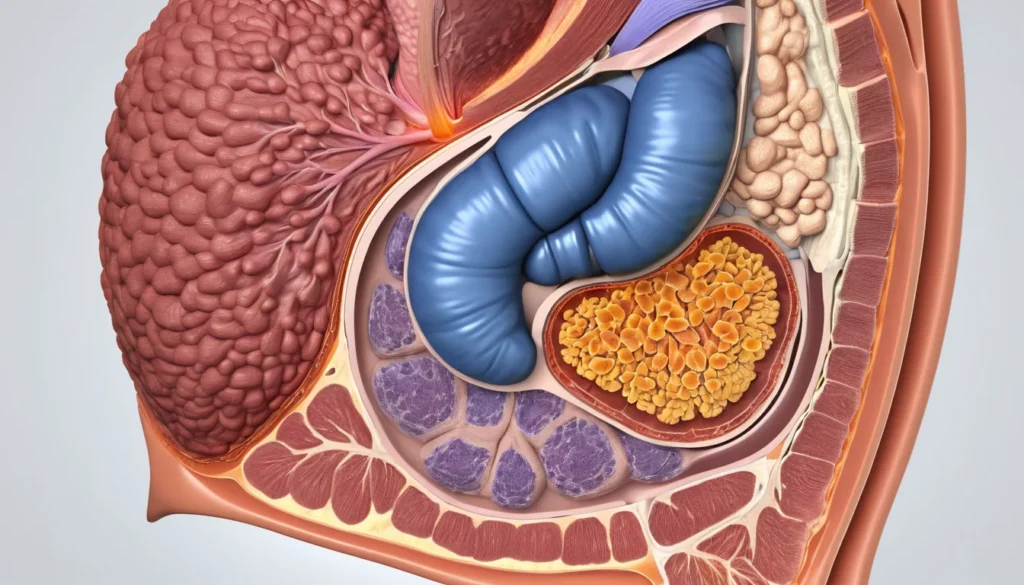
IBD stands for inflammatory bowel disease. It is a term used to describe conditions that cause ongoing inflammation in the digestive tract. The two most common types are Crohn’s disease and ulcerative colitis.
Crohn’s disease can affect any part of the digestive tract, from the mouth to the rectum. Ulcerative colitis mainly affects the large intestine (colon) and rectum. Both conditions cause symptoms like abdominal pain, diarrhoea, fatigue, and weight loss.
Because IBD affects the lower digestive tract, it can directly impact sexual function and comfort. In addition, the emotional weight of living with a chronic illness often affects a person’s desire for and enjoyment of sex. Understanding this connection is the first step toward feeling better.
For more background on IBD, visit this Health Canada overview of digestive health conditions.
Physical Effects of IBD and Sex
Living with IBD can make sexual activity uncomfortable or even painful. This is more common than many people realise, and it is nothing to be ashamed of. Physical symptoms can vary depending on the type of IBD, its severity, and whether surgery has been involved.
Common Physical Symptoms During Sex
People with IBD may experience a range of physical difficulties during sexual activity. These include:
Abdominal pain or cramping during or after sex
Rectal pain or discomfort
Pain in the perineal area (the area between the rectum and genitals)
A sensation of movement in the bowel during sexual activity
Fear of passing gas or stool during sex
Discomfort or self-consciousness related to having an ostomy bag
These symptoms can make it hard to relax and enjoy intimacy. However, they are often manageable once the right treatment plan is in place.
IBD and Sex After Surgery
Surgery is sometimes necessary for people with Crohn’s disease or ulcerative colitis. Unfortunately, sexual difficulties become more common after bowel surgery. This is true for both Crohn’s disease and ulcerative colitis.
Surgery can sometimes affect nearby nerves or tissues, leading to pain or changes in sexual function. If you have had surgery and are now experiencing sexual difficulties, speak with your specialist or family doctor. These issues are worth discussing openly — your care team has heard it before and wants to help.
Crohn’s Disease and Painful Sex
For people with Crohn’s disease, painful sex is often a warning sign that something more is going on. It can indicate that the disease has spread to the perineal area, or that a fistula or abscess has formed near the vagina or rectum.
A fistula is an abnormal tunnel that forms between two organs or between an organ and the skin. In Crohn’s disease, fistulas sometimes develop near the genitals or rectum. This can cause significant pain during sex and may require medical or surgical treatment.
Therefore, if you have Crohn’s disease and sex has recently become painful, do not ignore it. Painful sex can be a signal that your disease is becoming more active. Contact your family doctor or gastroenterologist promptly.
You can learn more about Crohn’s disease from the Mayo Clinic’s guide to Crohn’s disease.
Ulcerative Colitis and Sex
Many people with ulcerative colitis maintain a relatively normal sex life, especially during periods of remission when symptoms are well controlled. However, flare-ups can make intimacy difficult.
During a flare, symptoms like urgent bowel movements, rectal pain, and fatigue can make sexual activity feel stressful rather than enjoyable. Planning around symptoms and communicating openly with a partner can help during these times.
As with Crohn’s disease, surgery for ulcerative colitis — such as the removal of the colon — can lead to changes in sexual function. After surgery, some people experience dryness, pain, or changes in sensation. These side effects are real, and they deserve proper medical attention.
The Emotional Side of IBD and Sex
The connection between IBD and sex is not only physical. Living with a chronic illness affects how you see yourself. It can impact your confidence, your body image, and your desire to be intimate with a partner.
Self-Esteem and Body Image
Research shows that people with IBD often report lower self-esteem compared to those without the condition. Changes in weight, the presence of an ostomy bag, surgical scars, and unpredictable symptoms can all affect how a person feels about their body.
Feeling self-conscious about your body is a very normal response to living with IBD. However, these feelings can create a barrier to intimacy. As a result, sexual activity may become less frequent, even in stable relationships.
Anxiety, Depression, and Intimacy
Anxiety and depression are more common in people with IBD than in the general population. These mental health conditions can lower libido (sex drive) and make it harder to connect emotionally with a partner.
Fear of symptoms — such as passing gas or needing to use the bathroom urgently during sex — can also create ongoing anxiety around intimacy. This kind of worry is understandable, but it does not have to be permanent. Support from a mental health professional can make a real difference.
In addition, studies have found that people with IBD in stable relationships tend to have sex less often than those without the condition. This suggests that the emotional burden of IBD affects sexual health even when physical symptoms are under control.
Practical Tips for Managing IBD and Intimacy
There are several practical steps you can take to improve your sexual health while living with IBD. Many of these tips come from gastroenterology specialists and sexual health counsellors.
Timing and Planning
If you use enemas or suppositories as part of your treatment, try to use them before — not after — sexual activity. This may help reduce discomfort and anxiety during sex. Some people also find it helpful to plan intimacy during times of day when their symptoms tend to be less active.
Managing an Ostomy
If you have an ostomy (a surgically created opening in the abdomen that allows waste to leave the body), it is a good idea to empty your ostomy bag before sexual activity. This can help you feel more comfortable and confident.
Furthermore, many people find creative ways to cover or secure their ostomy bag during sex. Specially designed covers and wraps are available. Some people find that wearing these helps them feel more attractive and at ease. There is no one right approach — what matters is what makes you feel comfortable.
Open Communication with Your Partner
Talking with your partner about your condition and how it affects intimacy is important. This can feel uncomfortable at first, but honest communication builds trust and understanding. A partner who understands what you are going through is better able to support you.
If communication feels very difficult, a couples counsellor or sex therapist can help guide these conversations. Many Canadian communities have access to these professionals, and some provincial health plans may cover part of the cost.
Lubrication and Comfort
Some people with IBD, particularly those who have had surgery, experience vaginal dryness. Using a water-based lubricant can make sex more comfortable. Ask your pharmacist or family doctor for a recommendation if you are not sure where to start.
When to See a Doctor
If IBD is affecting your sex life, please do not stay silent. Many Canadians feel embarrassed to bring up sexual health with their healthcare provider, but this is exactly the kind of issue your doctor is trained to help with.
You should speak with your family doctor or a walk-in clinic provider if you experience:
New or worsening pain during sex
Signs of a fistula or abscess (unusual discharge, swelling, or pain near the genitals or rectum)
Emotional distress, anxiety, or depression related to your condition
Significant changes in your sex drive
Concerns about your ostomy and intimacy
Your doctor may adjust your treatment plan, refer you to a gastroenterologist, or connect you with a pelvic health physiotherapist or sexual health counsellor. In Canada, many of these specialists are available through referrals from your family doctor.
Remember: painful sex can be a sign that your IBD is becoming more active. It is always worth checking in with your healthcare team. Learn more from this Healthline overview of inflammatory bowel disease.
Frequently Asked Questions About IBD and Sex
Can IBD cause painful sex?
Yes, IBD and sex can be linked through physical pain, especially in people with Crohn’s disease. Painful sex may be a sign of a fistula, abscess, or increased disease activity in the perineal area. Always speak with your doctor if sex has become painful.
Does ulcerative colitis affect sex drive?
Ulcerative colitis can affect sex drive both physically and emotionally. Fatigue, pain, and the stress of managing a chronic illness can lower libido. During remission, many people with ulcerative colitis enjoy a relatively normal sex life.
How does having an ostomy affect sexual intimacy?
Having an ostomy can affect confidence and body image, which in turn impacts sexual intimacy. However, many people with ostomies have fulfilling sex lives with some practical adjustments. Emptying the bag beforehand and using an ostomy cover can help you feel more at ease.
Is it normal to feel less interested in sex when you have IBD?
Yes, it is very common. IBD and sex drive are closely connected, as chronic pain, fatigue, anxiety, and depression can all reduce sexual interest. Talking to your doctor or a mental health professional can help address these emotional and physical barriers.
Can IBD surgery affect sexual function?
Yes, surgery for Crohn’s disease or ulcerative colitis can sometimes affect nearby nerves or tissues, leading to changes in sexual function. Vaginal dryness, pain during sex, and reduced sensation are possible after bowel surgery. Your surgical team can discuss these risks with you before and after your procedure.
Should I talk to my doctor about IBD and sex?
Absolutely. The connection between IBD and sex is a legitimate medical concern, and your doctor is there to help. Your family doctor or gastroenterologist can adjust your treatment, refer you to a specialist, or connect you with a sexual health counsellor.
Key Takeaways
IBD and sex are closely linked — both Crohn’s disease and ulcerative colitis can affect sexual health physically and emotionally.
Painful sex in Crohn’s disease may be a sign of a fistula, abscess, or increased disease activity. Do not ignore it.
Emotional factors matter — lower self-esteem, anxiety, and depression are common in people with IBD and can affect intimacy.
Practical steps help — timing medication use, emptying an ostomy bag before sex, using lubrication, and communicating openly with your partner can all make a difference.
Surgery can change sexual function — speak with your care team before and after any bowel surgery about what to expect.
Talk to your doctor — your family doctor, walk-in clinic, or specialist can help you find solutions. Sexual health is part of your overall health, and you deserve support.
This article is for informational purposes only. It is not a substitute for professional medical advice. Always speak with your family doctor or a qualified healthcare provider about any health concerns, including those related to sexual health and IBD.