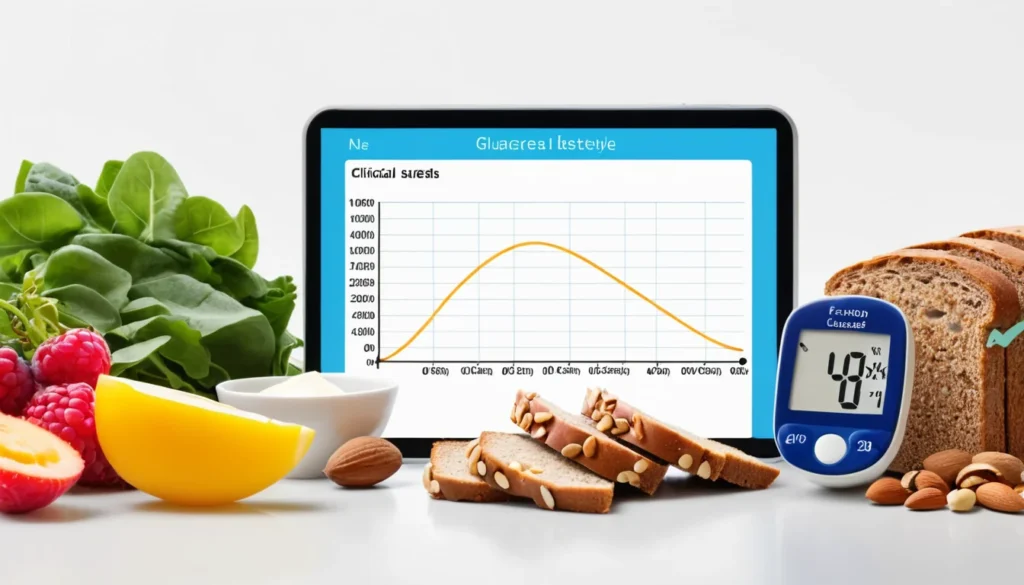
A hypoglycemia diet can make a real difference if you struggle with low blood sugar. Hypoglycemia happens when your blood sugar drops too low, and the foods you eat play a major role in keeping it steady. This article explains what hypoglycemia is, how diet affects it, and which foods help or harm your blood sugar levels. As always, speak with your family doctor or a registered dietitian before making major changes to your eating habits.
What Is Hypoglycemia?
Hypoglycemia means your blood glucose (blood sugar) level falls below normal. Your body needs steady glucose to fuel your brain, muscles, and organs. When levels drop too low, you can feel shaky, tired, confused, or even faint.
Many Canadians experience hypoglycemia without a diabetes diagnosis. This is called reactive hypoglycemia. It often happens a few hours after eating, especially after a meal high in sugar or refined carbohydrates.
Some people with reactive hypoglycemia also notice frequent low energy, stomach sensitivity, and multiple food allergies. These symptoms can overlap with other conditions, so a proper diagnosis from your family doctor is important.
How Does the Body React to Sugar?
When you eat sweet foods, your blood sugar rises quickly. Your pancreas responds by releasing insulin, a hormone that moves glucose from your blood into your cells. This is a normal, healthy process.
However, in someone with hypoglycemia, the pancreas may release too much insulin. This happens especially after eating sucrose (table sugar) or a combination of glucose and fructose. As a result, blood sugar drops sharply after the initial spike.
When too much glucose rushes into your cells too fast, it can leave tissues short on oxygen and key minerals. The body then produces lactic acid through a process called anaerobic metabolism, instead of releasing usable energy. This is what leads to many of the unpleasant symptoms people feel.
According to the Mayo Clinic’s overview of hypoglycemia, symptoms can include heart palpitations, anxiety, sweating, and digestive upset — all signs that your blood sugar regulation needs support.
The Hypoglycemia Diet: Key Principles
The goal of a hypoglycemia diet is to keep blood sugar stable throughout the day. This means avoiding sharp spikes and crashes. You do this by choosing foods that release energy slowly and pairing nutrients wisely.
Small, frequent meals work better than large ones spaced far apart. Eating every 3 to 4 hours helps prevent blood sugar from dipping too low between meals. Never skip breakfast — it sets the tone for your blood sugar all day.
Protein is your best friend on this diet. It slows digestion and helps prevent rapid blood sugar swings. Include a source of protein at every meal and snack, especially at breakfast.
Start Your Day with Protein
Breakfast should always include protein. Good options include eggs, sprouted seed cereals, legumes, or lean meats. Avoid starting your morning with sugary cereals, pastries, or fruit juice.
Egg yolks are especially useful. They contain lecithin and key nutrients that support metabolism. Spirulina is another nutrient-dense option you can add to a morning smoothie.
Keep Evening Meals Light
Your evening meal should be lighter than lunch. Heavy meals at night can stress digestion and disrupt overnight blood sugar balance. A short rest after your midday meal can also help your body regulate energy more effectively.
Foods to Eat on a Hypoglycemia Diet
Choosing the right foods is the foundation of managing hypoglycemia through diet. Focus on whole, minimally processed foods that provide steady energy. Here is a breakdown of the best choices.
Gluten-Free Whole Grains
Whole grains digest more slowly than refined grains, which helps keep blood sugar stable. Choose gluten-free options if you have any sensitivity or allergy concerns. Good choices include:
Brown rice
Millet
Corn (non-GMO where possible)
Buckwheat
Sago
Tapioca
Rye bread is also a good option, as long as you have no rye allergy. Always test new grains slowly and watch for any reactions.
Protein-Rich Legumes and Seeds
Legumes and seeds are excellent plant-based proteins. They also provide fibre, which slows glucose absorption. Include these regularly in your meals:
Chickpeas
Lentils
Fenugreek
Peas
Beans (all varieties)
Almonds and other nuts
Sprouted seeds and legumes are especially beneficial. Sprouting increases nutrient availability and makes them easier to digest. Use them as the main base of salads and grain bowls.
Animal Proteins
Animal proteins are easy for most people to digest and provide complete amino acids. Good options on a hypoglycemia diet include:
White meat (chicken, turkey)
Red meat (in moderation)
Organ meats
Fish and seafood
Eggs
Goat cheese
Fish is a particularly good choice. It provides protein along with healthy omega-3 fats, which support both heart and metabolic health. Health Canada highlights omega-3 fatty acids as important for overall wellness.
Vegetables and Healthy Fats
Fresh vegetables should make up a large part of your daily diet. Eat them raw, steamed, or juiced. Avocado, coconut oil, and extra-virgin olive oil are excellent healthy fat sources to include daily.
Raw carrots are a particularly good snack. They have a low glycemic impact and provide fibre and beta-carotene. You can eat them at any time of day without worrying about blood sugar spikes.
Cooked sweet vegetables (like beets or sweet potatoes) should always be paired with a protein source. This slows down sugar absorption and prevents an insulin surge.
Fruit: Eat with Caution
Fruit contains natural sugars that can still trigger blood sugar spikes in people with hypoglycemia. However, you do not need to avoid fruit entirely. The key is choosing wisely.
Eat fruit that is not fully ripe. Less-ripe fruit contains less sugar and more resistant starch. This is especially true for bananas and papaya — eat them while they are still slightly firm and green.
Tart fruits before full ripeness are also fine in moderation. Always eat fruit as a snack between meals, never as a dessert after a large meal. This reduces the glycemic load on your system.
Foods to Avoid on a Hypoglycemia Diet
Avoiding blood sugar triggers is just as important as eating the right foods. Some foods cause rapid spikes and crashes that make hypoglycemia symptoms worse. Here is what to cut back on or eliminate.
Sweet foods and sugary drinks — including fruit juices, sodas, candy, and baked goods
Lactose-containing dairy — milk, yogurt, and most cheeses (butter is generally fine)
Vinegar and fruit acids — unless neutralised before eating
Wheat — until you have been tested for wheat or gluten sensitivity
Alcohol — it disrupts liver function and blood sugar regulation
Artificial sweeteners — they may still trigger an insulin response in sensitive individuals
Processed foods — including anything with added chemicals, preservatives, or artificial colours
Smoking — it impairs glucose metabolism and overall circulation
Coffee and tea can be used in moderation, but only if you have no sensitivity or dependency. Caffeine can affect cortisol levels, which in turn can influence blood sugar. Listen to your body carefully.
Furthermore, Healthline’s guide to blood sugar and food choices offers helpful context on how processed foods and sugars affect insulin response across different conditions.
Building a Daily Meal Plan
A practical hypoglycemia diet does not need to be complicated. The goal is steady energy throughout the day. Here is a simple framework to follow.
Sample Daily Structure
Breakfast: Eggs with vegetables, or a legume-based dish with sprouted seeds
Mid-morning snack: A small handful of almonds or raw carrots
Lunch: A large salad with sprouted legumes, fish or chicken, and olive oil dressing
Afternoon snack: A less-ripe piece of fruit, or raw vegetables with hummus
Dinner: A light meal of steamed vegetables with a small protein portion
This pattern gives your body consistent fuel without overloading your pancreas at any one time. Adjust portion sizes based on your energy needs and how your body responds.
Severity Matters
How strictly you follow this diet depends on how severe your symptoms are. Some people need to follow every rule closely, especially at the start. Others with milder symptoms may be able to relax some restrictions over time.
Your healthcare provider or a registered dietitian covered under your provincial health plan can help you personalise this approach. Many provinces cover dietitian services — check with your local health authority or family doctor.
When to See a Doctor
If you regularly feel shaky, dizzy, or exhausted between meals, it is time to talk to your family doctor. These symptoms could point to hypoglycemia, but they can also signal other conditions that need proper testing.
Your doctor can order a fasting blood glucose test or a glucose tolerance test. These tests help confirm whether hypoglycemia is the cause of your symptoms. Do not try to self-diagnose based on symptoms alone.
If you do not have a family doctor, a walk-in clinic is a great first step. A clinic doctor can order basic blood work and refer you to an endocrinologist or registered dietitian if needed. Most provincial health plans in Canada cover these initial assessments.
Seek urgent care if you experience sudden severe dizziness, confusion, fainting, or heart palpitations. These may be signs of a serious blood sugar episode that needs immediate attention.
Frequently Asked Questions
What is the best diet for hypoglycemia?
The best hypoglycemia diet focuses on steady blood sugar through frequent small meals rich in protein, fibre, and healthy fats. Avoid sugary foods, refined carbohydrates, alcohol, and processed snacks. A registered dietitian can help you build a personalised plan.
What foods should you avoid if you have hypoglycemia?
People following a hypoglycemia diet should avoid sweet foods, fruit juices, alcohol, artificial sweeteners, most dairy, and heavily processed foods. Wheat should also be tested for sensitivity before including it regularly. These foods can trigger sharp blood sugar spikes followed by crashes.
Can you eat fruit if you have hypoglycemia?
Yes, but with care. On a hypoglycemia diet, it is best to eat fruit that is not fully ripe, as it contains less sugar. Always eat fruit as a snack between meals, not as a dessert. Pair it with a small protein source to slow sugar absorption.
Is hypoglycemia the same as diabetes?
No, hypoglycemia and diabetes are not the same condition. Hypoglycemia means blood sugar is too low, while diabetes involves problems managing high blood sugar. However, people with diabetes can experience hypoglycemia as a side effect of medication. Always consult your doctor for an accurate diagnosis.
How many meals a day should someone with hypoglycemia eat?
Most people managing hypoglycemia do best with three small meals and two to three snacks spread throughout the day. Eating every three to four hours helps prevent blood sugar from dropping too low. A hypoglycemia diet works best when meals are consistent and never skipped.
Can a hypoglycemia diet help with low energy and fatigue?
Yes. Many people with hypoglycemia experience chronic fatigue and low energy because of blood sugar swings. Following a hypoglycemia diet that emphasises protein, whole grains, and healthy fats can significantly improve energy levels over time. However, fatigue has many causes, so talk to your doctor if it persists.
Key Takeaways
A hypoglycemia diet focuses on keeping blood sugar stable through smart food choices and regular meals. Eat protein at every meal, especially breakfast. Never skip meals. Choose whole, unprocessed foods — sprouted legumes, gluten-free grains, vegetables, and healthy fats. Avoid sugar, alcohol, artificial sweeteners, processed foods, and most dairy products. Eat fruit in moderation, choosing less-ripe varieties, between meals only. How strictly you follow the diet depends on the severity of your symptoms. Talk to your family doctor or visit a walk-in clinic to get a proper diagnosis and blood sugar testing. A registered diet