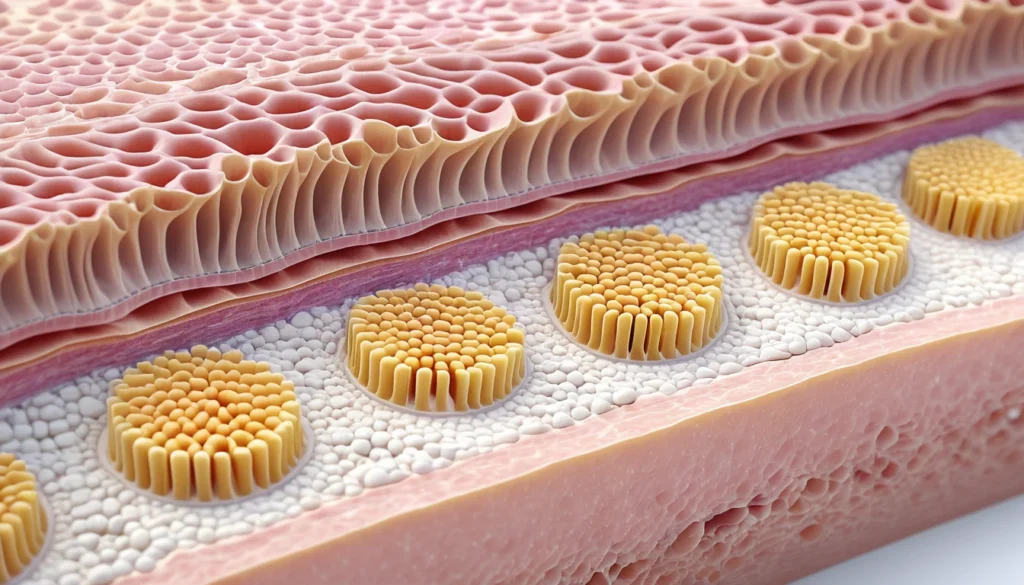
The hypodermis is the deepest layer of your skin. It sits just below the dermis and above your muscles and bones. This layer plays a much bigger role in your health than most people realize. In this article, we explain what the hypodermis is, what it does, and when changes to this layer should prompt a visit to your family doctor or walk-in clinic.
What Is the Hypodermis?
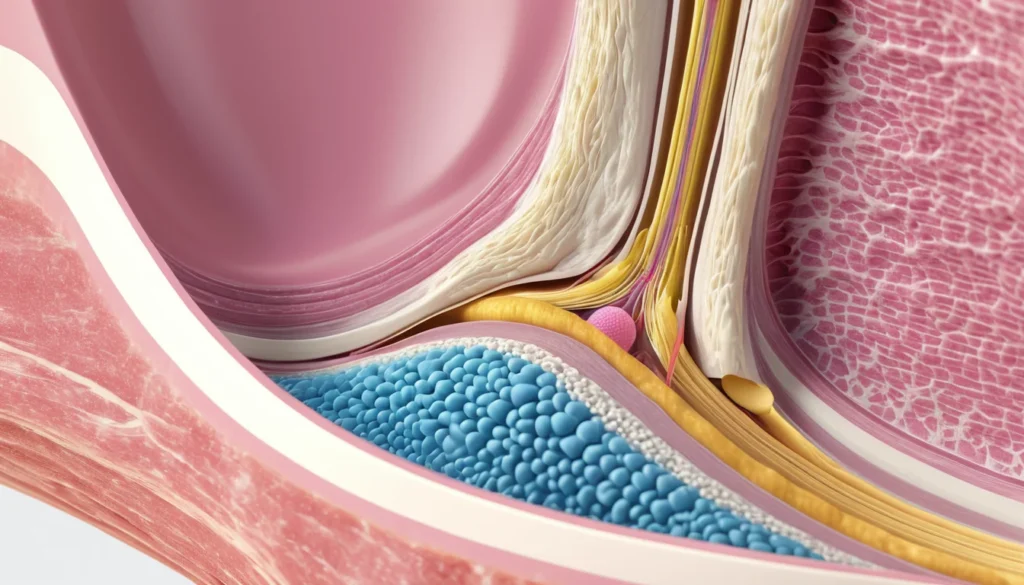
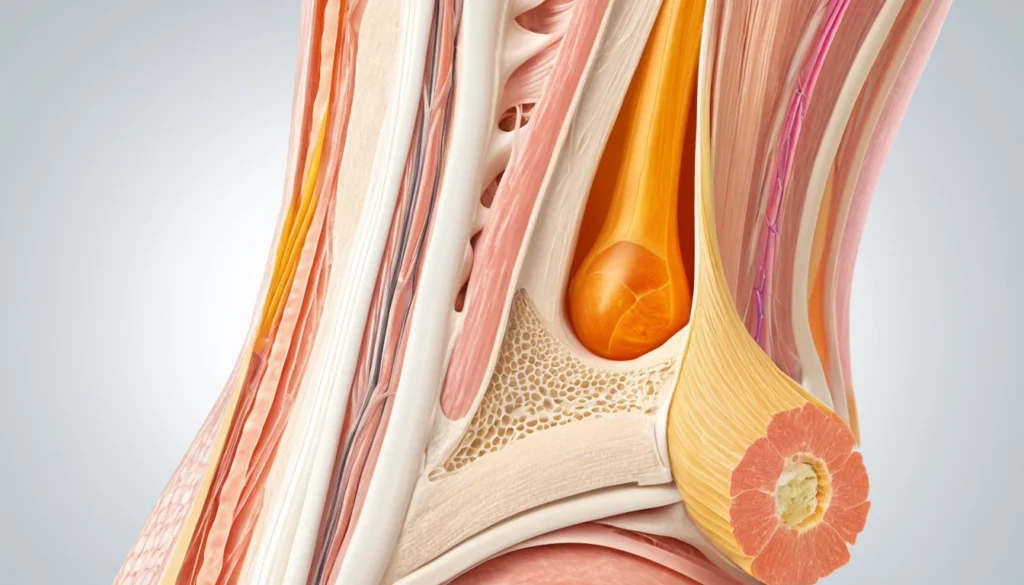
Your skin has three main layers: the epidermis on the outside, the dermis in the middle, and the hypodermis at the bottom. The hypodermis is also called the subcutaneous layer or subcutaneous tissue. The word “subcutaneous” simply means “beneath the skin.”
This layer is made mostly of fat cells, called adipocytes, along with connective tissue, blood vessels, and nerves. It connects your skin to the muscles and bones underneath. Think of it as the foundation that holds everything together.
The thickness of the hypodermis varies from person to person. It also varies depending on where it is on your body. For example, it tends to be thicker on your belly, thighs, and buttocks. It is much thinner on your eyelids and the tops of your hands.
Key Functions of the Hypodermis
The hypodermis does several important jobs for your body every single day. Understanding these functions helps explain why this layer matters so much to your overall health.
Insulation and Temperature Regulation
One of the most important jobs of the hypodermis is keeping you warm. The fat in this layer acts like insulation in your home. It slows down the loss of body heat, helping you stay at a healthy temperature even in cold Canadian winters.
When temperatures drop, your body relies heavily on subcutaneous fat to maintain its core temperature. This is why people with very little body fat can struggle more in cold weather. However, too much fat in this layer can also affect how well your body regulates heat in warm conditions.
Energy Storage
The hypodermis stores energy in the form of fat. Your body draws on these fat reserves when it needs extra fuel. For example, during periods of illness, intense exercise, or calorie restriction, your body taps into subcutaneous fat for energy.
This energy reserve is a normal and necessary part of how your body works. It is not simply “excess” fat. In fact, having some subcutaneous fat is essential for good health. According to Healthline’s overview of skin anatomy, subcutaneous fat serves as a long-term energy source that the body uses in times of need.
Cushioning and Protection
The hypodermis acts as a natural shock absorber. It cushions your muscles, bones, and internal organs from bumps, falls, and pressure. Without this layer, even minor impacts could cause much more serious injury.
This protective function is especially important around areas like the hips, heels, and palms. As people age, the hypodermis naturally becomes thinner. As a result, older adults are more prone to bruising and pressure injuries.
Anchoring Skin to Underlying Tissues
The hypodermis connects your skin to the tissues below it. It does this through a network of collagen and elastin fibres. These fibres allow your skin to move and stretch while keeping it anchored in place.
This connection is important for wound healing, too. When the skin is injured, the hypodermis helps support the repair process. It provides a scaffolding that new tissue can grow into as healing takes place.
Hormone Production
The fat cells in the hypodermis are not just passive storage units. They actively produce and release hormones. One of the most important is leptin, a hormone that helps regulate appetite and body weight.
The hypodermis also plays a role in producing oestrogen, especially after menopause. This is one reason why body fat levels can affect hormone balance in women. Furthermore, research continues to show that subcutaneous fat behaves differently from visceral fat — the fat that surrounds your internal organs. The Mayo Clinic explains the differences between subcutaneous and visceral fat and why each affects health in distinct ways.
The Hypodermis and Your Overall Health
Changes in the hypodermis can reflect what is happening in your body more broadly. Both too much and too little subcutaneous fat can affect your health.
When Subcutaneous Fat Increases
A gradual increase in subcutaneous fat is a normal part of ageing and can also result from changes in diet, activity level, or metabolism. However, significant increases — especially when combined with high levels of visceral fat — are linked to a higher risk of type 2 diabetes, heart disease, and other chronic conditions.
It is important to note that subcutaneous fat is generally considered less harmful than visceral fat. Still, overall body fat levels matter for long-term health. Regular physical activity and a balanced diet rich in fibre help maintain healthy fat levels throughout the body.
When Subcutaneous Fat Decreases
Losing subcutaneous fat can happen as a natural part of ageing, or it can result from certain medical conditions. Conditions such as lipodystrophy cause the body to lose subcutaneous fat in specific areas, sometimes quite dramatically.
Very low levels of subcutaneous fat can reduce the body’s ability to insulate itself, store energy, and protect underlying structures. People with certain eating disorders or chronic illnesses may also experience significant loss of this tissue. Therefore, unexplained changes in body fat should always be discussed with a healthcare provider.
The Hypodermis and Skin Appearance
The condition of your hypodermis directly affects how your skin looks. When the fat layer is healthy and well distributed, skin appears smooth and firm. As the hypodermis thins with age, skin can look loose or crepey.
Cellulite — the dimpled appearance that many people notice on their thighs or buttocks — is also related to the hypodermis. It occurs when fat cells push upward against the connective tissue fibres in this layer. Cellulite is completely normal and affects people of all body sizes and weights.
Common Conditions Affecting the Hypodermis
Several health conditions directly involve the hypodermis. Knowing about them can help you recognize symptoms early and seek care promptly.
Panniculitis
Panniculitis is inflammation of the subcutaneous fat in the hypodermis. It causes red, tender lumps or patches under the skin, most often on the legs. There are several types, and causes range from infections and autoimmune conditions to certain medications.
If you notice painful, red nodules under your skin that do not go away within a week or two, speak with your family doctor. Treatment depends on the underlying cause.
Lipomas
A lipoma is a benign (non-cancerous) growth of fat cells within the hypodermis. Lipomas feel soft and rubbery and move easily when pressed. They are very common and usually harmless.
However, if a lump grows quickly, feels hard, or causes pain, it is important to have it checked. Your family doctor can examine it and refer you for further testing if needed.
Necrotizing Fasciitis
Necrotizing fasciitis is a rare but serious bacterial infection that can spread rapidly through the hypodermis and deeper tissues. It is sometimes called a “flesh-eating” infection. Symptoms include severe pain, swelling, redness, and fever that come on quickly.
This condition is a medical emergency. If you or someone you know develops these symptoms after a skin injury, call 911 or go to the nearest emergency room immediately. Health Canada provides guidance on recognizing serious skin infections and when to seek emergency care.
Subcutaneous Injections
Many common medications are delivered directly into the hypodermis through subcutaneous injections. Insulin for diabetes management is a common example. Vaccines, blood thinners, and some other medications are also given this way.
The hypodermis is ideal for these injections because it is rich in blood vessels that slowly absorb medication into the bloodstream. Your healthcare provider or pharmacist can show you the correct technique if you need to give yourself injections at home.
When to See a Doctor
Most of the time, the hypodermis quietly does its job without any problems. However, certain changes in your skin or body warrant a conversation with a healthcare professional.
You should see your family doctor or visit a walk-in clinic if you notice:
A new lump or thickening under the skin that does not go away
Sudden or unexplained loss of fat tissue in one area of your body
Red, painful, or warm areas under the skin that are spreading
Skin that looks significantly thinner or more fragile than before
Any wound or skin injury that is slow to heal or seems to be getting worse
Signs of a serious infection, such as rapidly spreading redness, severe pain, or fever after a skin injury
In Canada, your provincial health plan covers visits to family doctors and most walk-in clinics for concerns like these. You do not need to manage these symptoms alone. Early assessment often leads to much better outcomes.
Always speak with a qualified healthcare provider before making significant changes to your diet, exercise routine, or any treatment plan related to skin or body composition. This article is for general information only and does not replace professional medical advice.
Frequently Asked Questions About the Hypodermis
What is the hypodermis made of?
The hypodermis is made mainly of fat cells called adipocytes, along with connective tissue fibres, blood vessels, and nerves. This combination gives the hypodermis its ability to insulate, cushion, and store energy. The exact composition varies depending on your age, sex, and overall health.
What is the difference between the hypodermis and the dermis?
The dermis is the middle layer of skin, sitting between the outer epidermis and the deeper hypodermis. The dermis contains hair follicles, sweat glands, and collagen fibres that give skin its strength and elasticity. The hypodermis, in contrast, is a deeper layer composed mostly of fat and connective tissue that connects the skin to underlying muscle and bone.
Does the hypodermis get thinner as you age?
Yes, the hypodermis naturally becomes thinner as you get older. This is why older adults often notice their skin looks looser and why they bruise more easily than when they were younger. Reduced subcutaneous fat also makes it harder for the body to stay warm, which is one reason older Canadians may feel cold more readily in winter.
Is subcutaneous fat the same as the hypodermis?
Subcutaneous fat refers specifically to the fat stored within the hypodermis, so the two terms are closely related but not quite identical. The hypodermis is the entire tissue layer, which includes fat cells, blood vessels, nerves, and connective fibres. Subcutaneous fat is the fatty component of that layer.
Can you feel the hypodermis when you pinch your skin?
Yes — when you pinch the skin on your belly, thigh, or upper arm, the soft tissue you feel between your fingers is largely the hypodermis. This is also how healthcare providers estimate body fat using skin-fold measurements. The amount you can pinch reflects the thickness of your subcutaneous fat layer in that area.
Why do medications get injected into the hypodermis?
The hypodermis is a popular site for medication injections because it absorbs drugs slowly and steadily into the bloodstream. This makes it ideal for medications like insulin, which need to be released gradually over time. The layer is also relatively easy to access and less painful to inject into than muscle tissue.
Key Takeaways
The hypodermis is the deepest layer of your skin, located beneath the dermis and above your muscles and bones.
It is made up of fat cells, connective tissue fibres, blood vessels, and nerves.
Its main jobs include insulating the body, storing energy, cushioning against impacts, anchoring skin, and producing hormones like leptin.
The hypodermis naturally thins with age, which can lead to looser skin and a greater risk of bruising.
Conditions like panniculitis, lipomas, and necrotizing fasciitis directly affect this layer and require medical attention.
Many medications, including insulin, are delivered through subcutaneous injections directly into the hypodermis.
If you notice unusual lumps, rapid fat loss, or signs of skin infection, visit your family doctor or a walk-in clinic covered by your provincial health plan.
Always consult a healthcare professional for advice tailored to your personal health needs.