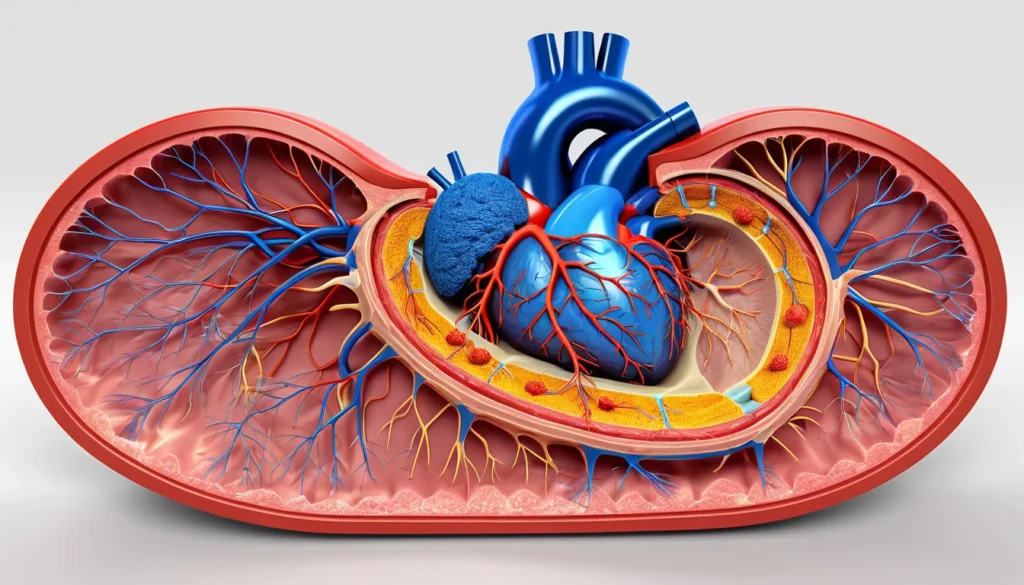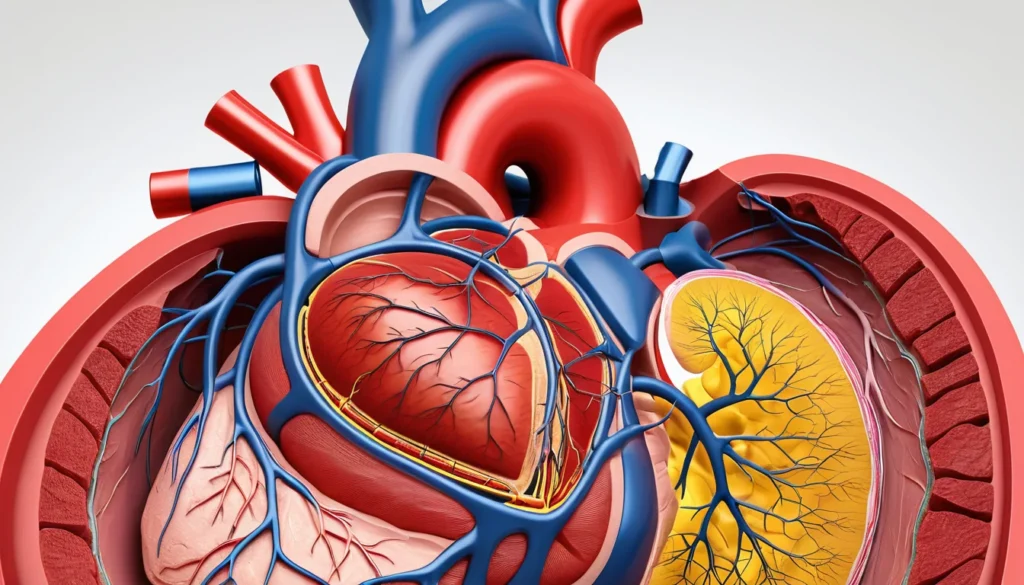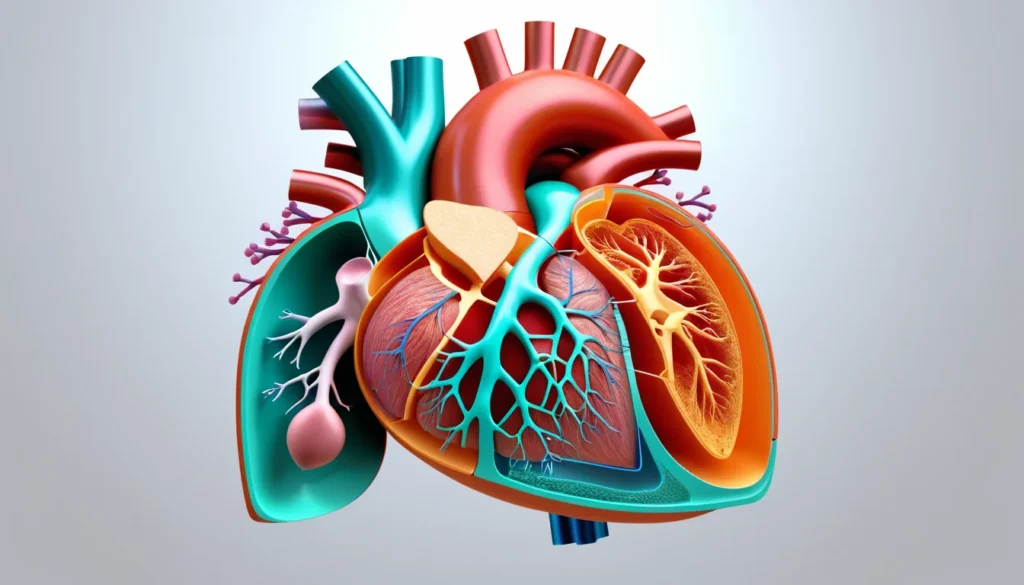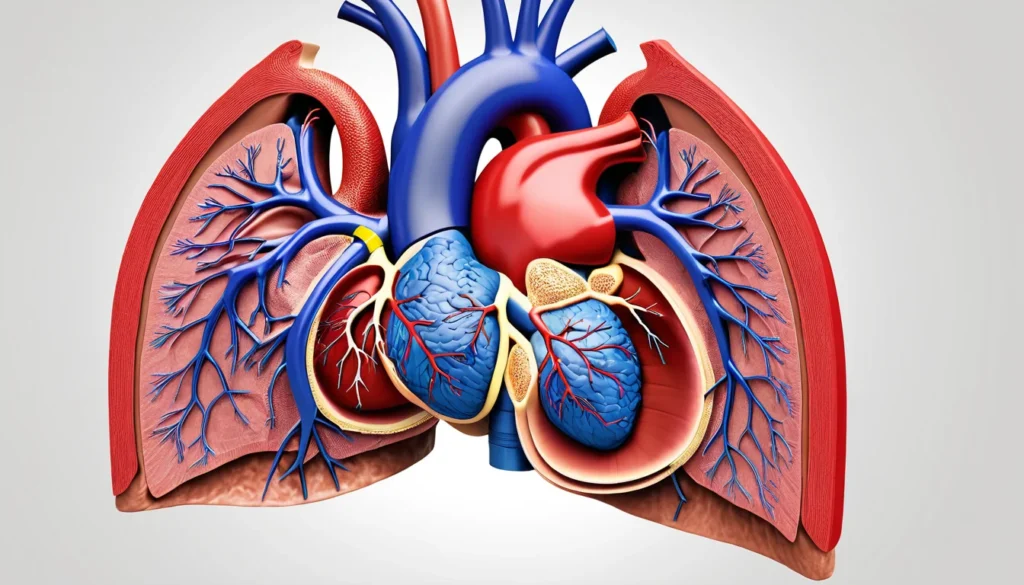
Hypertrophic cardiomyopathy is a genetic heart condition where the heart muscle thickens abnormally. This thickening can disrupt the heart’s electrical system, trigger dangerous irregular heartbeats, and in rare cases, cause sudden cardiac death. Many Canadians live with this condition without knowing it. This article explains what it is, what causes it, how to recognise the symptoms, and what tests your doctor may recommend.
What Is Hypertrophic Cardiomyopathy?
Hypertrophic cardiomyopathy (HCM) occurs when the heart muscle grows thicker than it should. This happens without any obvious cause like high blood pressure or a faulty heart valve. The thickened muscle is the problem itself.
In some people, the thickened muscle makes it harder for the heart to relax between beats. When this happens, the heart cannot fill properly with oxygen-rich blood. In rarer cases, the thickening blocks blood from flowing out of the heart efficiently.
According to Mayo Clinic’s overview of hypertrophic cardiomyopathy, this condition affects about one in every 500 people worldwide. That means thousands of Canadians are living with HCM right now, many of them undiagnosed.
What Causes Hypertrophic Cardiomyopathy?
Researchers have confirmed that genetic defects are the main cause of hypertrophic cardiomyopathy. A faulty gene causes the heart muscle cells to grow abnormally large and out of alignment.
In about 50% of cases, the person inherited the gene from a parent. If one parent carries the gene, each child has a 50% chance of inheriting it. This is why family history matters so much with this condition.
In most other cases, the genetic mutation happens early in fetal development. It is not inherited from a parent, but it still causes the same abnormal growth of heart tissue. Researchers continue to study why these mutations occur.
Who Is at Higher Risk?
People with a close family member diagnosed with HCM face a higher risk. Those with a family history of unexplained sudden cardiac death — especially in young people — should also be aware. In addition, young athletes may carry the condition without any symptoms until a serious cardiac event occurs.
Recognising the Symptoms of Hypertrophic Cardiomyopathy
Many people with hypertrophic cardiomyopathy never experience any symptoms at all. For them, the condition is discovered only during a routine check-up or a family screening. However, when symptoms do appear, they can range from mild to very serious.
Common symptoms include:
Shortness of breath — especially during physical activity or exercise
Unusual fatigue — feeling more tired than normal on a regular basis
Chest pain or pressure — sometimes called angina, often triggered by exertion
Fainting or near-fainting — known medically as syncope, often linked to exercise
Heart palpitations — an awareness of rapid or irregular heartbeats
These symptoms can feel similar to many other conditions. Therefore, it is important not to self-diagnose. Always speak with your family doctor or visit a walk-in clinic if you notice any of these signs.
Sudden Cardiac Death and Hypertrophic Cardiomyopathy
Sudden cardiac death is the most serious risk linked to hypertrophic cardiomyopathy. It can happen when the thickened muscle triggers a dangerously fast heart rhythm called ventricular tachycardia. This can occur at any age, but it is most alarming when it strikes young people or athletes.
The risk factors for sudden cardiac death in HCM patients include:
A family history of sudden cardiac death
Repeated episodes of fainting, especially during exercise
Severe blockage in the left side of the heart
Blood pressure that drops instead of rising during exercise
Multiple episodes of rapid ventricular heartbeat
However, it is worth noting that recent studies show sudden cardiac death from HCM is becoming less common, occurring in roughly 1% of cases per year. Early detection and proper management play a large role in reducing this risk.
How Is Hypertrophic Cardiomyopathy Diagnosed?
Diagnosing hypertrophic cardiomyopathy can be challenging because it does not always cause noticeable symptoms. Your doctor will start by taking a thorough medical history. They will ask about any family members who had heart problems or died suddenly at a young age.
During a physical exam, your doctor listens to your heart with a stethoscope. An unusual sound — such as a heart murmur or gallop rhythm — can suggest that the heart’s structure is not normal. This finding often leads to further testing.
Electrocardiogram (ECG)
An electrocardiogram, or ECG, measures the heart’s electrical activity. It records how the heart contracts and relaxes with each beat. An abnormal ECG is often the first clue that someone has hypertrophic cardiomyopathy, even when they feel perfectly fine.
Common ECG findings in HCM include signs of left ventricular thickening, abnormal T-waves, and changes that suggest reduced blood flow to the heart muscle. These findings prompt doctors to investigate further.
Echocardiogram
An echocardiogram is an ultrasound of the heart. It uses high-frequency sound waves to create a moving image of the heart on a screen. This is the most reliable and accessible test for diagnosing hypertrophic cardiomyopathy.
An echocardiogram can show your doctor:
How thick the heart muscle walls are
How well the left ventricle fills with blood and pumps it out
Whether the wall between the two lower heart chambers is abnormally thick
How well the heart valves are working
Whether blood flow is being blocked during each heartbeat
Furthermore, echocardiograms are recommended as a screening tool for children between ages 12 and 18 who have a family history of HCM. After that, doctors suggest repeat testing every five years.
Chest X-Ray
A chest X-ray shows the size and shape of the heart. In advanced stages of hypertrophic cardiomyopathy, the X-ray may show an enlarged heart or signs of fluid build-up in the lungs. It is a quick and widely available test at most Canadian hospitals and diagnostic centres.
Additional Testing
If ECG and echocardiogram results are unclear, doctors may order additional tests. These can include a cardiac MRI, a Holter monitor (which records heart activity over 24 to 48 hours), or an exercise stress test. For people already diagnosed with HCM, follow-up testing is typically recommended every 12 to 18 months.
For more information on diagnostic testing, visit Health Canada’s heart health resources for guidance on available services across provinces.
Treatment Options for Hypertrophic Cardiomyopathy
Treatment for hypertrophic cardiomyopathy depends on how severe the condition is and what symptoms a person has. Many people with mild HCM manage well with regular monitoring and lifestyle changes. Others need medication or procedures to keep their heart safe.
Common treatment approaches include:
Beta-blockers or calcium channel blockers — these medications slow the heart rate and help the heart relax more fully
Anti-arrhythmic drugs — used to control irregular heartbeats
Implantable cardioverter-defibrillator (ICD) — a small device placed under the skin that shocks the heart back into a normal rhythm if a dangerous arrhythmia occurs
Septal myectomy — a surgical procedure to remove part of the thickened wall between the heart’s lower chambers
Alcohol septal ablation — a non-surgical procedure that uses alcohol to reduce the thickness of the heart wall
Your cardiologist will work with you to choose the right treatment plan. Treatment decisions depend on your symptoms, your test results, and your overall health history. As the Healthline guide on hypertrophic cardiomyopathy treatment explains, personalised care is key to managing this condition safely.
When to See a Doctor
You should speak with your family doctor if you have a close relative diagnosed with hypertrophic cardiomyopathy. You should also seek care if anyone in your family died suddenly from an unexplained cardiac event, especially at a young age.
Visit a walk-in clinic or your family doctor promptly if you experience any of the following:
Shortness of breath during normal daily activities
Chest pain or tightness, particularly during or after exercise
Fainting or blacking out, even briefly
A racing or fluttering heartbeat that comes on suddenly
Unusual fatigue that does not improve with rest
If you or your child participates in competitive sports, talk to a doctor before starting or continuing a training programme. Screening is available through most provincial health plans and can be arranged through a referral to a cardiologist. Early detection truly saves lives.
Always consult your doctor or a qualified healthcare provider before making any decisions about your heart health. This article is for informational purposes only and does not replace professional medical advice.
Frequently Asked Questions About Hypertrophic Cardiomyopathy
Can you live a normal life with hypertrophic cardiomyopathy?
Many people with hypertrophic cardiomyopathy live long, healthy lives with proper monitoring and treatment. The key is early diagnosis and regular follow-up with a cardiologist. Some lifestyle adjustments, such as avoiding intense competitive sports, may be recommended depending on the severity of the condition.
Is hypertrophic cardiomyopathy hereditary?
Yes, hypertrophic cardiomyopathy is often hereditary. In about half of all cases, the condition is passed down from a parent through a faulty gene. If a parent carries the gene, each child has a 50% chance of inheriting it, which is why family screening is so important.
What triggers symptoms in hypertrophic cardiomyopathy?
Physical exertion is the most common trigger for symptoms in hypertrophic cardiomyopathy. Exercise increases the heart’s demand for blood, which can worsen any blockage or electrical disturbance caused by the thickened muscle. Dehydration and intense heat can also make symptoms worse.
How is hypertrophic cardiomyopathy different from a regular enlarged heart?
Hypertrophic cardiomyopathy involves thickening of the heart muscle itself, not just an overall enlargement of the heart. It occurs without an obvious cause like high blood pressure or a valve problem. A regular enlarged heart is often a response to another underlying condition, whereas HCM is a primary genetic disorder.
Should children be screened for hypertrophic cardiomyopathy?
Yes, children between the ages of 12 and 18 with a family history of hypertrophic cardiomyopathy should be screened with an echocardiogram. Doctors recommend repeat screening every five years after that. Early screening can detect the condition before any dangerous symptoms develop.
Is hypertrophic cardiomyopathy covered under provincial health plans in Canada?
In most Canadian provinces, diagnostic tests for hypertrophic cardiomyopathy — such as ECGs and echocardiograms — are covered under provincial health insurance when ordered by a physician. Your family doctor can provide a referral to a cardiologist, and specialist visits are typically covered as well. Check with your provincial health plan for specific details in your region.
Key Takeaways
Hypertrophic cardiomyopathy is a genetic condition that causes abnormal thickening of the heart muscle.
It affects roughly one in 500 people and is a leading cause of sudden cardiac death in young athletes.
Many people have no symptoms at all — early detection through screening is essential.
Common symptoms include shortness of breath, chest pain, fainting, fatigue, and palpitations.
An ECG and echocardiogram are the main diagnostic tools used to identify HCM.
Treatment ranges from medication to implanted devices or surgery, depending on severity.
If HCM runs in your family, speak with your family doctor about getting screened — most provincial health plans cover diagnostic testing.
Always consult a qualified healthcare provider for personalised medical advice about your heart health.