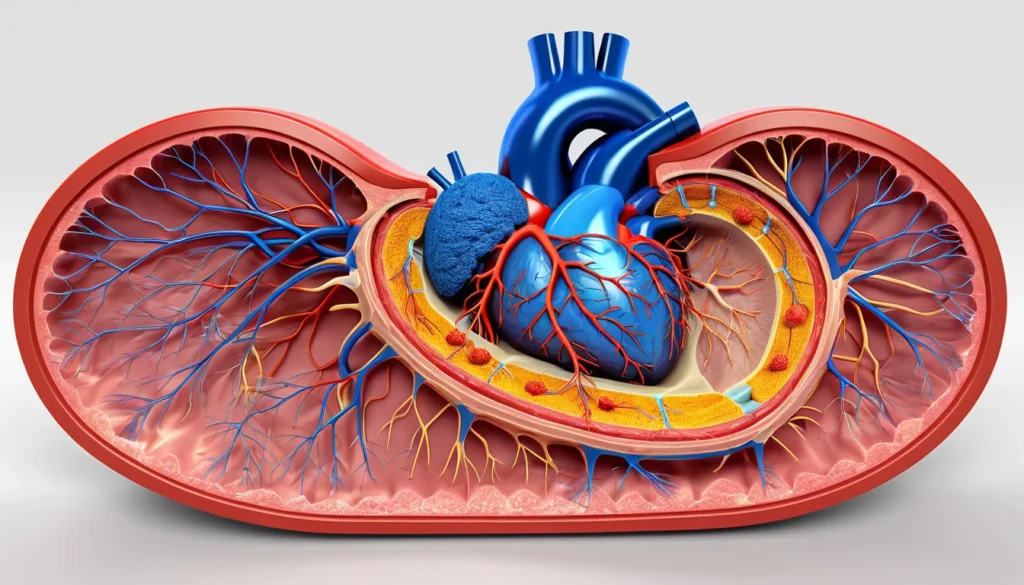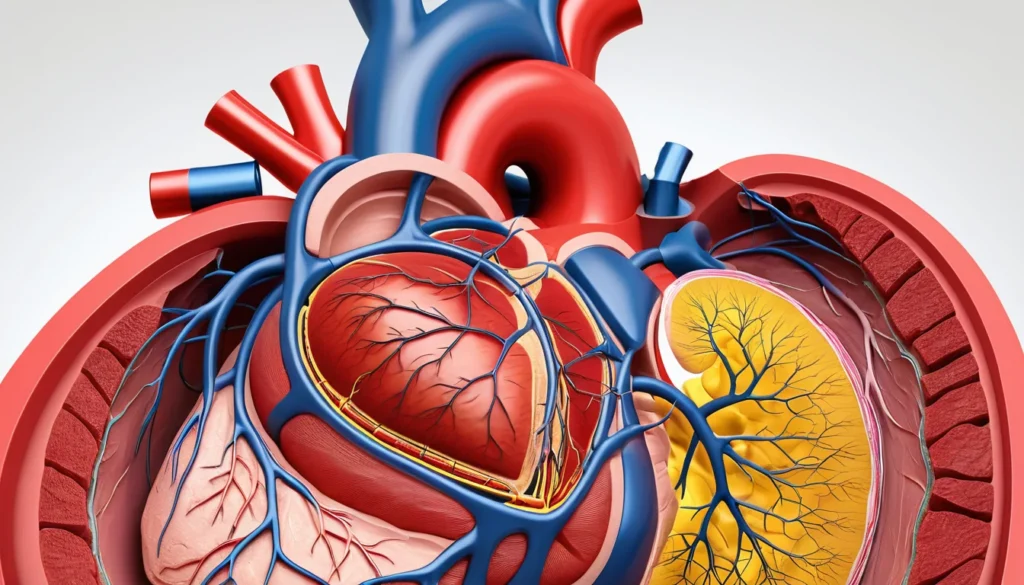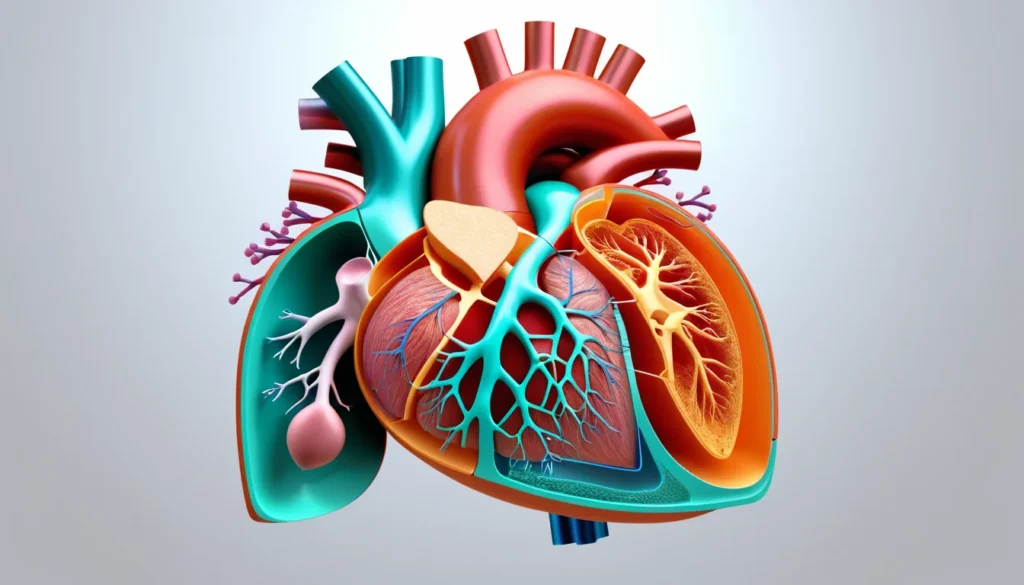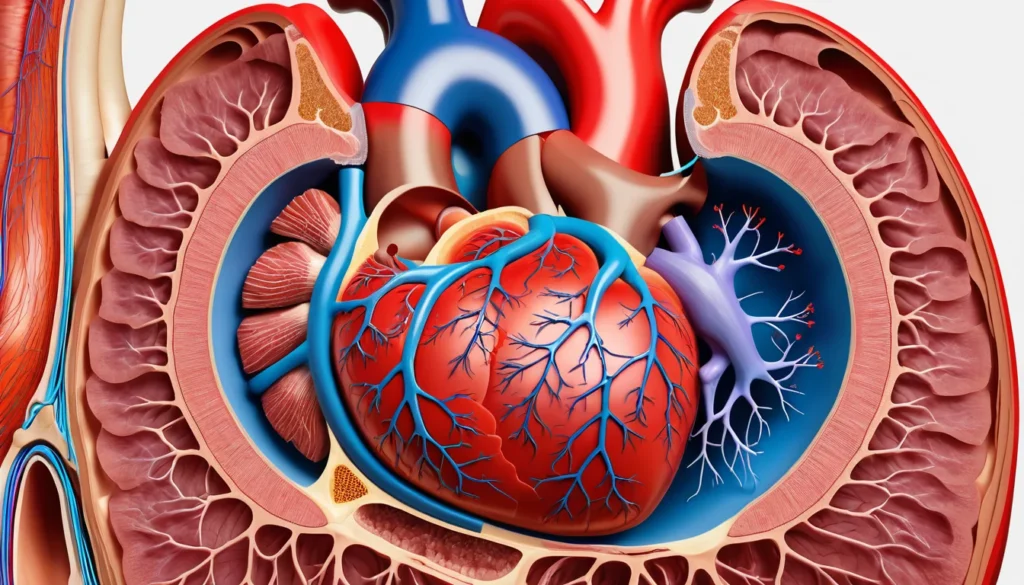
Hypertensive heart disease happens when long-term high blood pressure damages the structure and function of your heart. Over time, uncontrolled blood pressure strains the heart muscle, the blood vessels, and other vital organs. In Canada, high blood pressure affects millions of adults — and many don’t even know they have it. This article explains what hypertensive heart disease is, what complications it can cause, and what you can do to protect yourself.
What Is Hypertensive Heart Disease?
High blood pressure is defined as a reading consistently above 140/90 mmHg. When blood pressure stays high over months or years, the heart has to work much harder than normal to pump blood. This extra strain gradually damages the heart.
According to Health Canada, high blood pressure is one of the leading risk factors for heart disease and stroke in this country. The condition is sometimes called a “silent” disease because most people feel fine — until serious damage has already occurred.
Hypertensive heart disease is the term doctors use when this damage becomes visible in the heart’s size, shape, or function. It covers a range of problems, from a thickened heart wall to full heart failure.
How High Blood Pressure Damages the Body
High blood pressure does not just affect the heart. It can silently harm several organs at the same time. Doctors call these “target organs,” and checking them is an important part of diagnosing and managing high blood pressure.
The Heart
The heart is one of the first organs to suffer. High blood pressure can cause the left ventricle — the heart’s main pumping chamber — to thicken and stiffen. This is called left ventricular hypertrophy. Over time, the heart may also develop diastolic dysfunction, meaning it struggles to relax and fill properly between beats.
Furthermore, high blood pressure speeds up the buildup of plaque in the coronary arteries. This increases the risk of coronary artery disease, heart attack, and irregular heart rhythms. The most common arrhythmia linked to hypertensive heart disease is atrial fibrillation, which is an irregular and often rapid heartbeat.
The Brain
The most serious brain complication of untreated high blood pressure is stroke. High pressure can damage or rupture blood vessels in the brain, cutting off oxygen supply. Even without a full stroke, long-term high blood pressure can slowly impair memory and thinking ability.
The Kidneys
The kidneys filter your blood and control fluid balance. High blood pressure damages the tiny vessels inside the kidneys, reducing their ability to filter waste. Doctors often check kidney function using blood creatinine levels and a calculation called the glomerular filtration rate (GFR).
The Eyes
Long-term high blood pressure can damage the blood vessels at the back of the eye, a condition called hypertensive retinopathy. This is why eye exams are recommended for anyone living with high blood pressure. Changes in the eye can sometimes be an early warning sign of more serious damage elsewhere.
The Blood Vessels
High blood pressure speeds up atherosclerosis — the hardening and narrowing of the arteries. It also makes smaller blood vessels stiffer. Both of these changes increase the risk of heart attack and stroke.
Complications of Hypertensive Heart Disease
When hypertensive heart disease goes undiagnosed or untreated, the complications can be life-threatening. Early diagnosis and treatment are the best tools to prevent them. The most serious complications include the following.
Heart attack: Narrowed coronary arteries from accelerated atherosclerosis can become blocked, cutting blood flow to part of the heart muscle.
Heart failure: The heart becomes too weak or too stiff to pump blood efficiently to the rest of the body. According to the Framingham Heart Study, high blood pressure accounts for roughly one-quarter of all heart failure cases.
Stroke: Damaged or blocked blood vessels in the brain can cause a stroke, which is a medical emergency. The World Health Organization reports that high blood pressure is the leading cause of stroke worldwide.
Atrial fibrillation: This irregular heart rhythm increases the risk of blood clots, stroke, and heart failure.
Kidney disease: Progressive kidney damage can eventually lead to chronic kidney disease or kidney failure.
Vision loss: Damage to the blood vessels in the eyes can affect vision over time.
However, the good news is that most of these complications are preventable. Controlling blood pressure through lifestyle changes and medication significantly lowers these risks.
Risk Factors That Make Complications More Likely
Not everyone with high blood pressure will develop hypertensive heart disease at the same rate. Certain risk factors speed up the damage. Knowing your risk factors is a powerful first step.
Poorly controlled or ignored high blood pressure — the most important risk factor
Physical inactivity (sedentary lifestyle)
Type 2 diabetes
High cholesterol (dyslipidaemia)
Age over 45
Obesity (BMI over 25 kg/m²)
Smoking
Excess alcohol consumption
A diet high in salt and saturated fat
In addition, family history and genetics also play a role. If a close relative has had high blood pressure or heart disease, your own risk may be higher.
Symptoms to Watch For
High blood pressure is often called the “silent killer” because it rarely causes symptoms in its early stages. Most people feel completely normal while their blood pressure quietly damages their heart and blood vessels. Symptoms usually appear only after significant damage has already occurred.
When symptoms do develop, they may include the following:
Chest pain or tightness
Shortness of breath, especially during activity
Heart palpitations (feeling your heart flutter or race)
Fatigue or unusual weakness
Dizziness or lightheadedness
Headaches
Numbness or tingling in the left arm
Therefore, the only reliable way to detect high blood pressure early is to have it measured regularly — even when you feel well. A simple blood pressure check at your pharmacy, walk-in clinic, or family doctor’s office can be lifesaving.
How Hypertensive Heart Disease Is Diagnosed
Diagnosing hypertensive heart disease starts with consistent blood pressure readings above 140/90 mmHg. Your doctor will also review your health history and check for signs of organ damage.
Common Diagnostic Tests
An electrocardiogram (ECG) records the heart’s electrical activity. It can show thickening of the heart wall or abnormal rhythms. Importantly, when blood pressure is brought under control, some ECG changes can actually improve over time.
An echocardiogram uses ultrasound to look at the heart’s structure and function. It can measure the size of the left ventricle and left atrium, and assess how well the heart pumps and relaxes.
Blood tests check kidney function (creatinine and GFR) and cholesterol levels. Urine tests can detect protein in the urine, which is an early sign of kidney damage. A 24-hour ambulatory blood pressure monitor (sometimes called a Holter blood pressure monitor) records your blood pressure throughout a full day and night for a more accurate picture.
Treatment Options for Hypertensive Heart Disease
Treatment focuses on two main goals: bringing blood pressure down to a safe level, and protecting the heart and other organs from further damage. Treatment combines lifestyle changes with medication when needed.
Lifestyle Changes
Lifestyle changes are the foundation of treatment. They can lower blood pressure meaningfully on their own, and they make medication work better. As a result, they are always recommended — regardless of whether medication is also needed.
Reduce salt intake to less than 5 grams per day (about one teaspoon). Read food labels, as most salt comes from packaged and restaurant foods.
Eat more fruits and vegetables — fresh produce daily is strongly encouraged.
Eat fish at least twice a week for heart-healthy omega-3 fatty acids.
Include unsalted nuts as a regular snack.
Maintain a healthy weight with a BMI between 20 and 25 kg/m².
Be physically active — aim for at least 30 minutes of brisk walking every day.
Quit smoking — smoking dramatically raises your risk of heart attack and stroke.
Limit alcohol to moderate amounts.
For more detailed guidance on healthy eating and heart health, visit the Mayo Clinic’s high blood pressure resource centre.
Blood Pressure Medications
When lifestyle changes alone are not enough, medication is the next step. Current guidelines recommend starting with a fixed-dose combination of two blood pressure medicines rather than one alone. This approach controls blood pressure more effectively and with fewer side effects.
There are several classes of blood pressure medications. Your doctor will choose the right combination based on your individual health history, other conditions you may have, and how well your blood pressure responds. Never stop or change your medication without talking to your doctor first.
Target Blood Pressure Goals
For adults under 65, the target blood pressure is below 130/80 mmHg. For adults 65 and older, the target is below 139/80 mmHg. Reaching and staying at these targets significantly reduces the risk of heart attack, stroke, and kidney disease.
Regular Follow-Up
Managing high blood pressure is a long-term commitment. After starting treatment, your doctor will typically check in at one month, three months, and six months, and then annually once your blood pressure is stable. Regular monitoring helps catch any changes early and adjust treatment as needed.
When to See a Doctor
If you have not had your blood pressure checked recently, now is a good time to book an appointment with your family doctor or visit a walk-in clinic. Blood pressure checks are covered under most provincial health plans, and no referral is needed.
Seek emergency care immediately if you experience sudden chest pain, sudden severe headache, difficulty speaking, face drooping, arm weakness, or sudden vision changes. These can be signs of a heart attack or stroke — both of which require immediate treatment.
If you have been diagnosed with high blood pressure, work with your healthcare provider to monitor it consistently. Even if you feel fine, keeping your blood pressure under control is one of the most important things you can do for your long-term health.
Frequently Asked Questions
What is hypertensive heart disease?
Hypertensive heart disease refers to the structural and functional damage that occurs in the heart as a result of long-term, uncontrolled high blood pressure. Over time, the extra strain causes the heart muscle to thicken, stiffen, and eventually weaken. It can lead to serious complications such as heart failure, atrial fibrillation, and heart attack.
Can hypertensive heart disease be reversed?
Some changes caused by hypertensive heart disease — such as a thickened heart wall — can partially improve when blood pressure is brought under consistent control. However, more advanced damage, such as heart failure, is generally managed rather than fully reversed. Early detection and treatment give the best chance of preventing permanent damage.
What are the early warning signs of hypertensive heart disease?
In many cases, hypertensive heart disease causes no obvious symptoms in the early stages, which is why high blood pressure is called the “silent killer.” When symptoms do appear, they may include shortness of breath, fatigue, chest discomfort, palpitations, or dizziness. Regular blood pressure checks are the best way to catch the problem before symptoms develop.
How is hypertensive heart disease treated in Canada?
Treatment for hypertensive heart disease in Canada includes both lifestyle changes and medication prescribed by your family doctor or specialist. Lifestyle changes — such as reducing salt, exercising regularly, and quitting smoking — are always recommended as the first step. When medication is needed, it is covered under most provincial drug benefit programmes for eligible Canadians.
What is the connection between high blood pressure and atrial fibrillation?
High blood pressure is one of the most common causes of atrial fibrillation, an irregular heart rhythm that increases the risk of stroke and heart failure. The strain that hypertension places on the heart’s upper chambers can disrupt the normal electrical signals that control heartbeat. Controlling blood pressure is an important part of reducing the risk of atrial fibrillation.
What blood pressure level is considered dangerous for the heart?
Blood pressure consistently above 140/90 mmHg is considered high and puts the heart at risk over time. A reading above 180/120 mmHg is a hypertensive crisis and requires immediate medical attention. If you are unsure about your blood pressure numbers, speak with your family doctor or visit a walk-in clinic for a proper assessment.
Key Takeaways
Hypertensive heart disease develops when long-term high blood pressure damages the heart’s structure and function. High blood pressure is a “silent” condition — most people have no symptoms until serious damage has already occurred. The most serious