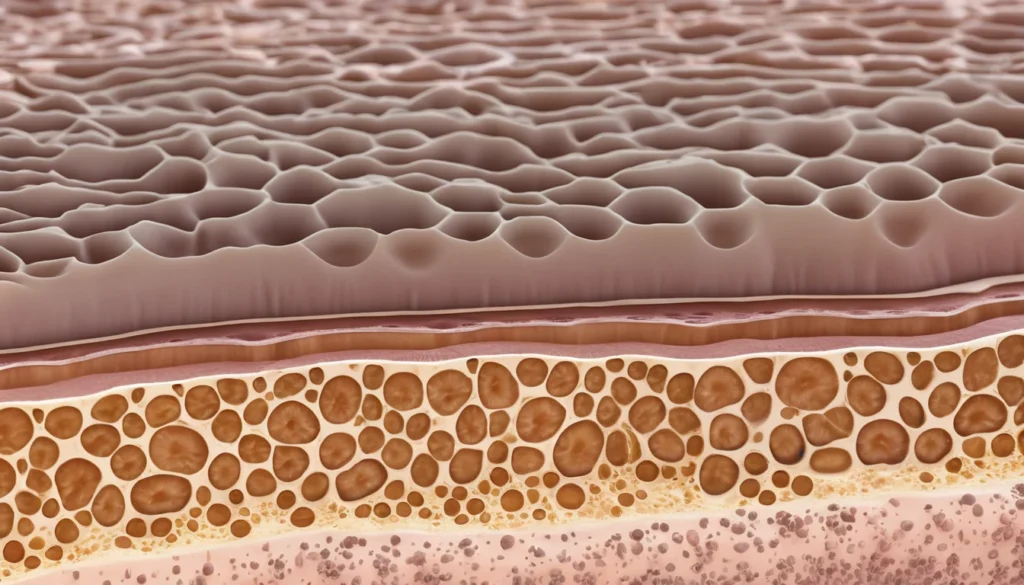
Hyperpigmentation is a common skin condition where patches of skin become darker than the surrounding area. It happens when the body produces too much melanin — the natural pigment that gives skin its colour. While it is usually harmless, hyperpigmentation can affect your confidence and may sometimes signal an underlying health issue. This guide explains what causes it, how it is diagnosed, and what treatments are available to Canadians.
What Is Hyperpigmentation?
Your skin colour comes from a complex process involving cells called melanocytes. These cells produce melanin, which gives skin, hair, and eyes their colour. When melanocytes become overactive or are damaged, they produce too much melanin. As a result, certain areas of skin darken — this is hyperpigmentation.
Hyperpigmentation is different from hypopigmentation, where skin loses colour and becomes lighter. Both conditions can affect people of any ethnicity or skin tone. However, hyperpigmentation is more visible and often more difficult to treat in people with naturally deeper skin tones.
The condition is most common in middle-aged and older adults, but it can appear at any age. It affects both men and women equally. In most cases, it is not dangerous — but it is worth understanding so you can manage it properly.
Common Types of Hyperpigmentation
There are several types of hyperpigmentation, each with a different cause. Knowing which type you have helps your doctor choose the right treatment.
Sun-Induced Hyperpigmentation
This is the most common type. When ultraviolet (UV) rays from the sun hit your skin, melanocytes produce extra melanin to protect the deeper layers. Over time, this leads to uneven darkening, often called sun spots or age spots. In more serious cases, repeated sun exposure can increase the risk of skin cancer, according to Health Canada.
Sun-induced dark spots tend to appear on areas most exposed to light — the face, hands, shoulders, and arms. Wearing broad-spectrum sunscreen daily is the most effective way to prevent this type.
Post-Inflammatory Hyperpigmentation (PIH)
Post-inflammatory hyperpigmentation develops after the skin is injured or irritated. Common causes include acne, eczema, psoriasis, burns, cuts, and even some professional skin treatments. The skin darkens as part of its healing response.
The good news is that PIH often fades on its own as the skin regenerates. However, this process can take many months — sometimes over a year. Avoiding further irritation and protecting the area from the sun helps speed up fading.
Melasma
Melasma causes brown or grey-brown patches, most often on the face. It is far more common in women than men. Hormonal changes are the main trigger — which is why melasma often appears during pregnancy, earning the nickname “the mask of pregnancy.”
Other triggers include hormonal birth control, hormone replacement therapy, certain medications, cosmetic products, and sun exposure. Melasma can be stubborn and may return even after successful treatment, especially with continued sun exposure.
Lentigo (Age Spots or Liver Spots)
Lentigines — commonly called age spots or liver spots — are flat, darkened patches that appear with age. Despite the nickname “liver spots,” they are not caused by liver problems. Sun exposure over many years is the main contributing factor.
These spots appear in over 90% of fair-skinned people over the age of 70. They are not dangerous on their own, but any spot that changes in shape, colour, or size should be checked by a doctor right away.
Disease-Related Hyperpigmentation
In some cases, darkening of the skin is a sign of an underlying medical condition. For example, Addison’s disease — a disorder of the adrenal glands — can cause widespread skin darkening. Other conditions linked to hyperpigmentation include Cushing’s disease and hyperthyroidism.
If your skin darkening appears suddenly or covers large areas of your body, it is important to speak with your family doctor. These types of changes deserve a proper medical assessment.
How Is Hyperpigmentation Diagnosed?
A thorough skin assessment is essential for effective treatment. Your doctor or dermatologist will look at the affected areas closely and ask questions about your health history. This helps identify the root cause of the darkening so it can be properly addressed.
Questions Your Doctor May Ask
Your doctor will likely ask about current and past medical conditions — especially those linked to hormonal changes, like Addison’s disease, Cushing’s disease, or thyroid disorders. They will also ask about pregnancy, birth control use, or hormone therapy.
You may also be asked about your skincare routine, any recent skin injuries, and how much time you spend in the sun. All of this information helps build a complete picture of your skin health.
Diagnostic Tools
Two common tools help dermatologists assess hyperpigmentation more precisely. The first is the Wood’s lamp — a UV light used to determine how deep the pigmentation goes. It works best for people with lighter skin tones (below Type V on the Fitzpatrick scale).
The second tool is a magnifying lens or dermatoscope. This allows the doctor to examine the texture and pattern of the darkened area in detail. Together, these tools help determine the best course of treatment for your specific skin type and condition.
Your skin type also matters. People with lighter skin tones generally respond more easily to treatment. Those with deeper skin tones may require more complex or carefully tailored therapy to avoid making the discolouration worse.
Treatment Options for Hyperpigmentation
Treatment for hyperpigmentation has advanced significantly over the past decade. There are now many options — both topical (applied to the skin) and non-surgical procedures. The right treatment depends on the type and depth of pigmentation, as well as your skin tone.
Topical Treatments
Hydroquinone has been used for over 50 years and remains one of the most studied treatments for hyperpigmentation. It works by slowing down melanin production. However, it can cause irritation and should be used carefully. Formulas that combine hydroquinone with antioxidants, retinoids, and hydroxy acids tend to give better results.
Azelaic acid is another effective option. It is commonly found in acne treatments, but it has also proven useful for reducing skin darkening. It is generally well tolerated, even for sensitive skin.
Kojic acid is a natural compound derived from certain fungi. It works similarly to hydroquinone in reducing melanin production. When combined with glycolic acid and hydroquinone, it can deliver strong results. However, kojic acid may cause contact dermatitis — a type of skin irritation — in some people.
Mandelic acid — an alpha hydroxy acid (AHA) derived from almonds — is used to treat many types of severe skin conditions, including all forms of hyperpigmentation. It is often combined with other acids to enhance its effects. According to Healthline, mandelic acid is well suited for sensitive skin because it is absorbed more slowly than other AHAs.
Professional Procedures
In addition to creams and serums, several non-surgical procedures can treat hyperpigmentation. Chemical peels use stronger acids to remove the outer layers of skin, revealing fresher, more even-toned skin underneath. Laser therapy targets melanin directly and can be very effective, though it requires careful selection based on skin type.
Microdermabrasion and intense pulsed light (IPL) therapy are other options offered at dermatology clinics and medical spas. These treatments often require multiple sessions and can be costly, as they are generally not covered by provincial health plans. Talk to your dermatologist about which option is safest for your skin tone and budget.
When to See a Doctor
Most cases of hyperpigmentation are harmless. However, you should see your family doctor or visit a walk-in clinic if you notice any of the following:
A dark spot that grows quickly or changes shape
A spot with uneven edges or multiple colours
Skin darkening that appears suddenly across large areas of your body
Darkening accompanied by other symptoms like fatigue, weight changes, or mood changes
Any skin change that worries you
Your family doctor can refer you to a dermatologist if needed. Many provinces also have dermatology clinics accessible through a referral. If your change in skin colour is linked to a medical condition, treating that condition is the most important first step.
As a general rule, always consult a qualified healthcare provider before starting any new skin treatment. What works for one person may not be right for another — especially when it comes to darker skin tones, which require more tailored care.
For more information on protecting your skin, visit the Mayo Clinic’s guide to hyperpigmentation for additional medical context.
Frequently Asked Questions About Hyperpigmentation
Is hyperpigmentation permanent?
Hyperpigmentation is not always permanent. Some types, like post-inflammatory hyperpigmentation, fade on their own over time as the skin heals. However, other types — like melasma or sun-induced dark spots — may be long-lasting without consistent treatment and sun protection.
What is the fastest way to treat hyperpigmentation?
There is no single fastest cure, but combining a topical treatment like hydroquinone or azelaic acid with daily sunscreen tends to produce the best results. Professional treatments like chemical peels or laser therapy can speed up improvement, but they should always be performed by a qualified skin specialist.
Can hyperpigmentation be a sign of something serious?
In some cases, hyperpigmentation can indicate an underlying medical condition such as Addison’s disease, Cushing’s disease, or a thyroid disorder. If you notice sudden or widespread skin darkening along with other symptoms, see your family doctor or visit a walk-in clinic as soon as possible.
Does sunscreen help with hyperpigmentation?
Yes — sunscreen is one of the most important tools for managing hyperpigmentation. UV exposure makes dark spots worse and can trigger new ones. Applying a broad-spectrum SPF 30 or higher every day — even on cloudy days — helps prevent hyperpigmentation from worsening and supports any treatment you are already using.
Is hyperpigmentation covered by provincial health insurance in Canada?
Most cosmetic treatments for hyperpigmentation — such as laser therapy, chemical peels, or microdermabrasion — are not covered by provincial health plans. However, if your hyperpigmentation is linked to a diagnosed medical condition, some costs may be covered. Check with your provincial health authority or speak to your family doctor for guidance.
Does hyperpigmentation affect all skin tones equally?
Hyperpigmentation can affect anyone, regardless of skin tone or ethnicity. However, people with deeper skin tones may experience more noticeable darkening and often require more carefully tailored treatments. Some treatments that work well on lighter skin tones can actually worsen discolouration on darker skin, so professional guidance is especially important.
Key Takeaways
Hyperpigmentation happens when too much melanin causes patches of skin to darken.
The most common types are sun-induced spots, post-inflammatory hyperpigmentation, melasma, lentigines, and disease-related darkening.
Hormonal changes, sun exposure, skin injuries, and some medical conditions are the main causes.
Effective treatments include topical agents like hydroquinone, azelaic acid, and kojic acid, as well as professional procedures.
Daily broad-spectrum sunscreen is essential — both for prevention and to support any treatment.
Most cosmetic treatments are not covered by provincial health plans, so discuss costs with your dermatologist.
See your family doctor or a walk-in clinic if a dark spot changes rapidly, looks unusual, or is accompanied by other symptoms.
Always consult a healthcare provider before starting any new skin treatment.