Hyperemia happens when an abnormal amount of blood collects in a specific part of your body. It can cause redness, warmth, and swelling in the affected area. This article explains what hyperemia is, why it happens, what symptoms to watch for, and when you should speak with a healthcare provider. Understanding hyperemia can help you recognize when your body is responding normally — and when something may need medical attention.
What Is Hyperemia?
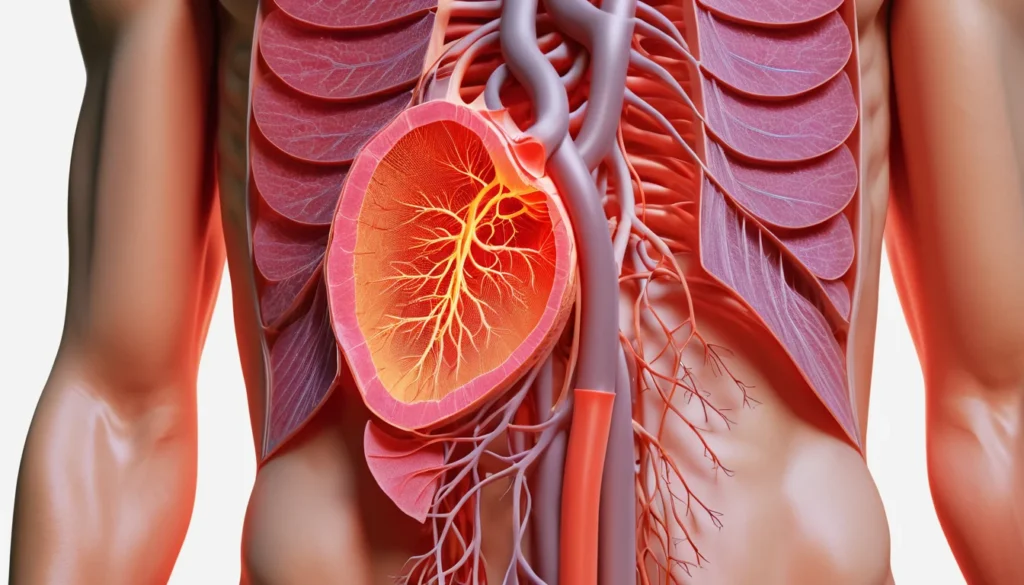
Hyperemia is the medical term for an excess of blood in the vessels of a particular organ or tissue. Your blood vessels widen, and more blood flows into the area than usual. As a result, the skin or tissue often turns red and may feel warm to the touch.
This condition is not always a sign of something serious. In fact, your body uses hyperemia as a natural tool to heal and protect itself. However, in some cases, it can point to an underlying health problem that needs treatment.
Doctors sometimes use the word congestion as a synonym for certain types of hyperemia. Both terms describe an unusual buildup of blood in a specific location. According to Healthline’s overview of hyperemia, the condition can affect almost any organ in the body, including the skin, eyes, lungs, and digestive tract.
The Two Main Types of Hyperemia
There are two main forms of hyperemia. Understanding the difference between them can help you and your doctor figure out what is happening in your body.
Active Hyperemia
Active hyperemia happens when your arteries widen and send extra blood to a specific area. This is usually a normal, healthy response. For example, your muscles receive more blood flow during exercise. Your face flushes with extra blood when you feel embarrassed or overheated.
Your digestive organs also experience active hyperemia after a meal. Blood rushes to your stomach and intestines to help with digestion. This type of hyperemia is your body working exactly as it should.
Active hyperemia can also occur as part of inflammation. When your body detects an injury or infection, it sends extra blood to the affected area. This helps deliver immune cells and nutrients to speed up healing.
Passive Hyperemia
Passive hyperemia works differently. In this case, blood builds up because it cannot drain away properly. A blockage or weakness in the veins prevents normal blood flow out of the area. As a result, blood pools in the tissue.
This type is also called venous congestion. It is often linked to more serious health conditions, such as heart failure or blood clots. Passive hyperemia in the lungs, for example, can make it difficult to breathe.
Unlike active hyperemia, passive hyperemia is not a normal or healthy process. It usually signals that something in your circulatory system needs attention. If you notice persistent swelling or discolouration in a limb, it is worth speaking with a healthcare provider.
Common Causes of Hyperemia
Hyperemia has many possible causes. Some are completely harmless, while others require medical care. Here is a look at the most common triggers.
Normal Physiological Causes
Your body triggers active hyperemia in many everyday situations. Physical exercise is one of the most common examples. Your working muscles need more oxygen, so your body increases blood flow to meet that demand.
Emotional reactions can also cause hyperemia. Blushing is a form of active hyperemia in the face. Hot weather, hot baths, or spicy foods can produce a similar effect by widening blood vessels near the skin.
Inflammation and Infection
When bacteria, viruses, or injuries trigger inflammation, hyperemia often follows. The redness and warmth you feel around a cut or insect bite is a direct result of increased blood flow to that area. Your immune system is doing its job.
Infections such as cellulitis (a skin infection) or conjunctivitis (pink eye) cause visible hyperemia in the affected tissue. Furthermore, conditions like arthritis cause hyperemia in inflamed joints, contributing to swelling and pain.
Cardiovascular and Circulatory Conditions
Passive hyperemia is often linked to problems with the heart or blood vessels. Heart failure is one of the most serious causes. When the heart cannot pump blood efficiently, blood backs up into the lungs and other organs.
Blood clots in the veins (deep vein thrombosis) can also prevent blood from draining normally. This leads to passive hyperemia in the legs, causing swelling, pain, and skin discolouration. The Mayo Clinic provides detailed information on deep vein thrombosis, a key cause of passive hyperemia in the legs.
Eye-Related Hyperemia
Eye hyperemia — commonly called red eye — is one of the most recognizable forms of this condition. The tiny blood vessels on the surface of your eye widen, making the white of your eye appear pink or red.
Allergies, dry air, contact lens irritation, infections, and eye strain are all common triggers. In most cases, eye hyperemia is mild and goes away on its own. However, if it is accompanied by pain, vision changes, or discharge, you should see a doctor promptly.
Recognizing the Symptoms of Hyperemia
The symptoms of hyperemia depend on where in the body it occurs and what type it is. However, there are some signs that appear across many different cases.
Common symptoms of hyperemia include:
Redness — The affected skin or tissue appears flushed or pink
Warmth — The area feels warmer than the surrounding tissue
Swelling — Extra fluid and blood cause the tissue to puff up
Heaviness or pressure — You may feel a sense of fullness in the affected area
Pain or tenderness — Especially when hyperemia is linked to inflammation or injury
Discolouration — In passive hyperemia, skin may turn bluish or purplish due to low oxygen levels
When hyperemia affects internal organs, symptoms may be less obvious. For example, pulmonary hyperemia (in the lungs) can cause shortness of breath and a persistent cough. Liver or spleen congestion can cause abdominal discomfort and bloating.
Therefore, it is important not to dismiss unexplained symptoms. If something feels wrong, your body may be giving you an important signal.
How Doctors Diagnose Hyperemia
A healthcare provider will begin by asking about your symptoms and medical history. They will perform a physical examination to look for visible signs of hyperemia, such as redness, swelling, or warmth.
Depending on the suspected cause, your doctor may order additional tests. These can include:
Blood tests — To check for infection, inflammation markers, or signs of heart or liver problems
Ultrasound — To look at blood flow in veins and arteries
Chest X-ray or CT scan — To evaluate the lungs or other internal organs
Electrocardiogram (ECG) — To assess heart function if cardiac causes are suspected
Eye examination — If hyperemia is affecting your eyes
In Canada, your family doctor is usually your first point of contact for these investigations. They can refer you to specialists or order imaging through the provincial health plan as needed. Health Canada provides resources on navigating the Canadian healthcare system if you need help finding the right care.
Treatment Options for Hyperemia
Treatment depends entirely on the underlying cause. Active hyperemia that results from normal body functions — like exercise or a mild blush — does not need any treatment at all.
Treating Inflammation-Related Hyperemia
When inflammation is the cause, your doctor may recommend anti-inflammatory medications. Over-the-counter options like ibuprofen can help reduce swelling and redness. Applying a cold compress to the affected area can also provide relief.
For infections causing hyperemia, antibiotics or antiviral medications may be necessary. Your doctor will decide the right treatment based on what is causing the infection.
Treating Passive Hyperemia
Passive hyperemia linked to heart failure requires medical management of the underlying cardiac condition. This often involves medications, lifestyle changes, and regular monitoring by a cardiologist. In more serious cases, surgical interventions may be needed.
If a blood clot is causing passive hyperemia, blood-thinning medications (anticoagulants) are the standard treatment. These help prevent the clot from growing and allow normal blood flow to resume. Your doctor will guide you through the treatment plan and monitoring process.
Treating Eye Hyperemia
Mild red eye often responds well to artificial tears and rest. If allergies are the cause, antihistamine eye drops can reduce redness and itching. For infections like bacterial conjunctivitis, prescription eye drops may be required.
Avoid rubbing your eyes, as this can worsen irritation. If you wear contact lenses, remove them until your symptoms resolve completely.
When to See a Doctor
Mild, short-lived hyperemia — such as flushing during exercise — is usually nothing to worry about. However, certain symptoms should prompt you to seek medical care.
See your family doctor or visit a walk-in clinic if you notice:
Redness, swelling, or warmth that does not improve within a few days
Swelling in your legs or ankles that is new or worsening
Shortness of breath or difficulty breathing
Eye redness accompanied by pain, vision changes, or discharge
Skin that appears bluish or purple, especially in the hands or feet
Symptoms of infection, such as fever, chills, or pus
Call 911 or go to your nearest emergency department immediately if you have chest pain, sudden severe shortness of breath, or a limb that is severely swollen, painful, and discoloured. These can be signs of a heart attack, pulmonary embolism, or severe deep vein thrombosis — all of which are medical emergencies.
In Canada, most provinces offer a nurse phone line (such as 811 in many provinces) where you can get quick advice about whether your symptoms need urgent care. This is a great resource if you are unsure what to do.
Always consult a qualified healthcare professional for any health concerns. The information in this article is for general educational purposes and does not replace personalized medical advice.
Frequently Asked Questions About Hyperemia
What is hyperemia and is it dangerous?
Hyperemia refers to an excess of blood in a specific part of the body. It is not always dangerous — active hyperemia during exercise or mild inflammation is a normal response. However, passive hyperemia caused by heart failure or blood clots can be serious and requires medical attention.
What are the most common symptoms of hyperemia?
The most common symptoms of hyperemia include redness, warmth, and swelling in the affected area. You may also notice pain, tenderness, or a feeling of pressure or fullness. In passive hyperemia, the skin may appear bluish or purplish due to reduced oxygen in the blood.
What is the difference between active and passive hyperemia?
Active hyperemia occurs when arteries widen and send extra blood to a tissue — this is usually a healthy response to exercise, heat, or inflammation. Passive hyperemia, on the other hand, happens when blood cannot drain away properly and pools in the tissue. Passive hyperemia is more often associated with serious conditions like heart failure or venous clots.
Can hyperemia affect the eyes?
Yes, eye hyperemia — commonly known as red eye — is one of the most frequent forms of this condition. It occurs when tiny blood vessels on the surface of the eye widen due to allergies, infection, irritation, or dryness. Most cases of eye hyperemia are mild, but you should see a doctor if you also have pain, discharge, or vision changes.
How is hyperemia treated in Canada?
Treatment for hyperemia depends on its cause and is available through the Canadian healthcare system, typically starting with your family doctor or a walk-in clinic. Mild cases linked to inflammation may be treated with anti-inflammatory medication or rest, while more serious causes like heart failure or blood clots require specialist care. Your provincial health plan covers most diagnostic tests and referrals your doctor orders.
When should I go to a walk-in clinic or emergency room for hyperemia?
Visit a walk-in clinic or your family doctor if you have unexplained redness, swelling, or warmth that persists for more than a few days. Go to the emergency room immediately if you experience chest pain, sudden shortness of breath, or a limb that is severely swollen and discoloured, as these can be signs of a serious condition linked to hyperemia such as a blood clot or heart failure.
Key Takeaways
Hyperemia means there is an abnormal amount of blood in a specific part of the body. There are two types: active hyperemia (usually normal and healthy) and passive hyperemia (often linked to serious conditions). Common causes include exercise, inflammation, infection, heart failure, and blood clots. Symptoms include redness, warmth, swelling, and in severe cases, bluish skin discolouration. Treatment depends on the underlying cause — from rest and anti-inflammatory medication to specialist cardiac care. In Canada, start with your family doctor or a walk-in clinic for assessment. Call 911 for emergency symptoms. Always speak with a qualified healthcare provider