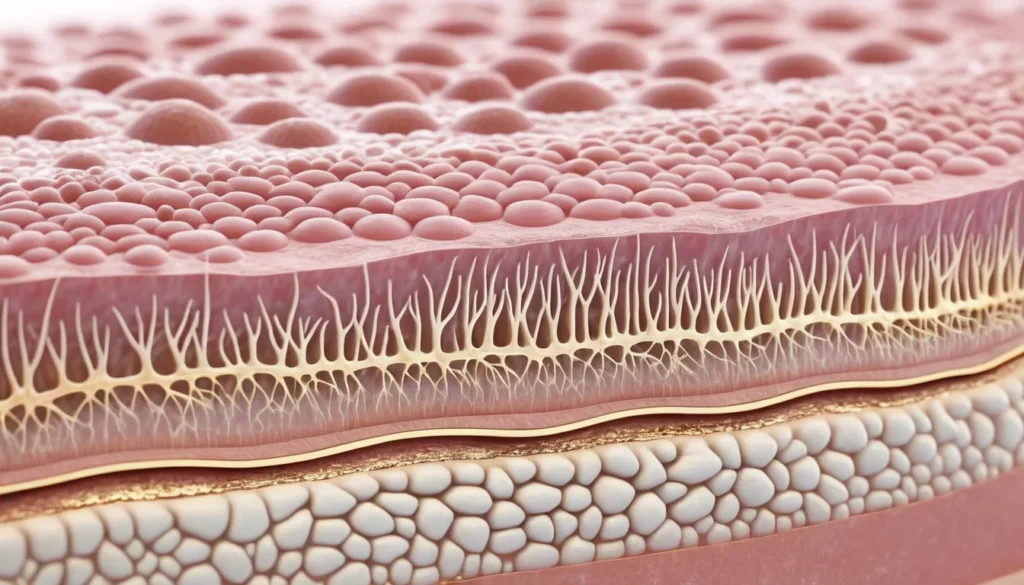
Hyaluronic acid is a natural substance your body makes on its own. It plays a key role in keeping your joints moving smoothly, your eyes moist, and your skin looking healthy. In this article, you will learn what hyaluronic acid is, how it works in your body, and how Canadians are using it today — from medical treatments to everyday supplements.
What Is Hyaluronic Acid?
Hyaluronic acid is a type of molecule called a mucopolysaccharide. In simpler terms, it is a long chain of sugar molecules that your body produces naturally. It belongs to a group of substances known as glycosaminoglycans, which help hold water in your tissues.
Your body stores hyaluronic acid in several important places. You will find it in the fluid inside your joints, in the fluid around your eyes, and in the deeper layers of your skin. Each location has a specific job, and hyaluronic acid helps all of them work properly.
As you age, your body produces less hyaluronic acid. This decline is one reason why joints can become stiffer and skin can lose some of its bounce and moisture over time. However, there are ways to support your body’s levels — both medically and through lifestyle choices.
How Hyaluronic Acid Works in Your Body
The most remarkable quality of hyaluronic acid is its ability to hold water. A single molecule can hold up to 1,000 times its own weight in water. This makes it one of the most powerful natural moisturising agents in the human body.
This water-holding ability is useful in many areas. In your joints, it acts as a lubricant and shock absorber. In your eyes, it keeps the surrounding tissues moist and cushioned. In your skin, it helps maintain fullness and flexibility.
Hyaluronic Acid in Synovial Fluid
Synovial fluid is the liquid found inside your joints, such as your knees, hips, and shoulders. Hyaluronic acid is a main ingredient in this fluid. It coats the surfaces of the joint and reduces friction so that bones can glide past each other smoothly.
When synovial fluid becomes thinner or less effective — as can happen with conditions like osteoarthritis — movement becomes painful. This is one reason why hyaluronic acid injections are sometimes used as a medical treatment for joint pain. Your family doctor or specialist can advise whether this option is right for you.
Hyaluronic Acid in the Eyes
Your eyes contain two types of fluid where hyaluronic acid is present. The first is the aqueous humour, which fills the front chamber of the eye. The second is the vitreous humour, the thick gel-like substance that fills the larger, back chamber of the eye.
In both locations, hyaluronic acid helps maintain the shape of the eye and keeps tissues nourished. Eye drops containing hyaluronic acid are commonly used to treat dry eyes. These are available over the counter at most Canadian pharmacies without a prescription.
Hyaluronic Acid in the Skin
About half of your body’s total supply of hyaluronic acid is found in your skin. It helps the skin retain moisture, which gives it a plump, smooth appearance. As we age — and as we expose our skin to sun, pollution, and other stressors — these levels drop.
For this reason, hyaluronic acid is a popular ingredient in skin care products across Canada. You will find it in serums, moisturisers, and face masks. It is generally well tolerated by most skin types, including sensitive skin.
Medical Uses of Hyaluronic Acid in Canada
Hyaluronic acid has several well-established medical uses in Canada. These go beyond skin care and cover treatments that are performed by trained health professionals. Health Canada regulates products that contain hyaluronic acid, including injectable treatments and medical devices.
Joint Injections for Osteoarthritis
One of the most common medical uses is injecting hyaluronic acid directly into arthritic joints. This is sometimes called viscosupplementation. The goal is to restore the cushioning and lubrication that the joint has lost.
This treatment is most often used for knee osteoarthritis. It may be offered when other treatments — such as pain relievers, physiotherapy, or weight management — have not provided enough relief. In Canada, this procedure is performed by orthopaedic specialists or rheumatologists. Coverage through provincial health plans varies, so it is worth checking with your province’s plan or your family doctor.
Dermal Fillers
Hyaluronic acid is widely used in cosmetic medicine as a dermal filler. A trained practitioner injects it into the skin to smooth out wrinkles, add volume to the lips, or restore fullness to the cheeks. The effects are temporary, usually lasting between six months and two years.
These procedures are not typically covered by provincial health plans, as they are considered cosmetic. However, they are regulated in Canada, and it is important to have them done by a qualified professional. If you are considering this option, ask about the practitioner’s credentials and training.
Eye Surgery
Hyaluronic acid is also used during certain eye surgeries, including cataract removal. It helps protect the delicate tissues inside the eye during the procedure and is then removed by the surgeon before the operation is complete. This use is strictly managed within hospital and surgical settings.
Hyaluronic Acid Supplements: Do They Work?
You may have seen hyaluronic acid sold as an oral supplement at health food stores and pharmacies across Canada. These supplements come in capsule or tablet form. Many people take them hoping to improve joint comfort or skin appearance.
Some research suggests that oral hyaluronic acid supplements may be helpful. A study found that taking 80 to 200 milligrams daily may reduce knee pain in people with osteoarthritis. However, the evidence is still developing, and results vary from person to person. Healthline’s overview of hyaluronic acid benefits offers a helpful summary of current research.
Furthermore, because supplements in Canada are classified as natural health products, they must be approved by Health Canada before being sold. Look for a Natural Product Number (NPN) on the label. This tells you the product has been reviewed for safety and quality.
Foods That May Support Hyaluronic Acid Levels
Some foods may help your body produce more hyaluronic acid naturally. These include bone broth, soy-based foods, and foods rich in vitamin C, such as citrus fruits, bell peppers, and strawberries. Vitamin C plays an important role in helping your body produce collagen and hyaluronic acid together.
In addition, staying well hydrated supports all of the body’s moisture-retaining systems, including those that rely on hyaluronic acid. Drinking enough water each day is a simple and free way to support your overall health.
Safety and Side Effects
Hyaluronic acid is generally considered very safe. Because it is a substance your body already makes, most people tolerate it well — whether they use it on their skin, take it as a supplement, or receive it as an injection.
However, side effects can still occur. Injectable hyaluronic acid may cause temporary redness, swelling, or bruising at the injection site. These effects usually go away within a few days. More serious reactions are rare but possible, particularly with cosmetic filler procedures if they are not performed correctly.
Oral supplements are generally well tolerated. Some people report mild digestive discomfort when they first start taking them. As with any supplement, it is a good idea to speak with your family doctor before starting, especially if you are pregnant, breastfeeding, or taking other medications.
According to the Mayo Clinic’s information on hyaluronic acid, people with certain health conditions, including cancer, should use caution and speak to their doctor before using hyaluronic acid products.
When to See a Doctor
If you are experiencing joint pain, dry eyes, or significant changes to your skin, it is worth speaking with a healthcare provider. Your family doctor is the best place to start. They can help identify whether hyaluronic acid treatment — in any form — might be appropriate for your situation.
If you do not have a family doctor, a walk-in clinic is a good option. Many walk-in clinics across Canada can assess joint discomfort, refer you to a specialist, or advise you on over-the-counter options for dry eyes or skin concerns.
You should seek prompt medical attention if you experience any unusual reaction after a hyaluronic acid injection — such as severe swelling, pain, or skin discolouration. These could be signs of an infection or another complication that needs professional care.
Always speak with a qualified healthcare professional before starting any new supplement or medical treatment. What works well for one person may not be right for another, and your doctor can help you make the safest choice for your health.
Frequently Asked Questions About Hyaluronic Acid
What does hyaluronic acid actually do for your body?
Hyaluronic acid helps your body retain moisture in key areas, including your joints, eyes, and skin. It acts as a lubricant in your joints and a cushion in your eyes. In the skin, it keeps tissues plump and hydrated.
Is hyaluronic acid safe to take as a supplement in Canada?
Yes, hyaluronic acid supplements are generally considered safe for most adults. In Canada, look for a Natural Product Number (NPN) on the label to confirm the product is Health Canada approved. Speak with your family doctor before starting, especially if you have any existing health conditions.
Can hyaluronic acid help with joint pain?
Hyaluronic acid may help reduce joint pain, particularly in people with knee osteoarthritis. It can be used as an injection directly into the joint or taken as an oral supplement. Talk to your doctor or a specialist to find out which approach might work best for you.
How long does it take for hyaluronic acid to work?
The timeline varies depending on how you use hyaluronic acid. Topical skin products may show results within a few weeks of daily use. Joint injections may take several weeks to provide noticeable relief, and oral supplements may require one to three months of consistent use.
Does hyaluronic acid have any side effects?
Most people tolerate hyaluronic acid very well, with few side effects. Injections may cause temporary redness or swelling at the site, while oral supplements can occasionally cause mild stomach discomfort. Serious side effects are rare but more likely if injections are administered incorrectly.
Is hyaluronic acid good for dry eyes?
Yes, hyaluronic acid is a common active ingredient in eye drops used to treat dry eyes. It helps lubricate the surface of the eye and keeps it moist for longer periods. These drops are widely available over the counter at Canadian pharmacies.
Key Takeaways
Hyaluronic acid is a natural substance your body produces in your joints, eyes, and skin.
It holds large amounts of water, making it a powerful lubricant and moisturiser throughout the body.
Medical uses include joint injections for osteoarthritis, cosmetic dermal fillers, and support during eye surgery.
Oral supplements and topical skin products containing hyaluronic acid are widely available in Canada and regulated by Health Canada.
It is generally very safe, but side effects are possible — especially with injectable forms.
Always speak with your family doctor or visit a walk-in clinic before starting any new treatment or supplement.
Your body’s natural production of hyaluronic acid decreases with age, but diet, hydration, and medical options can help support healthy levels.