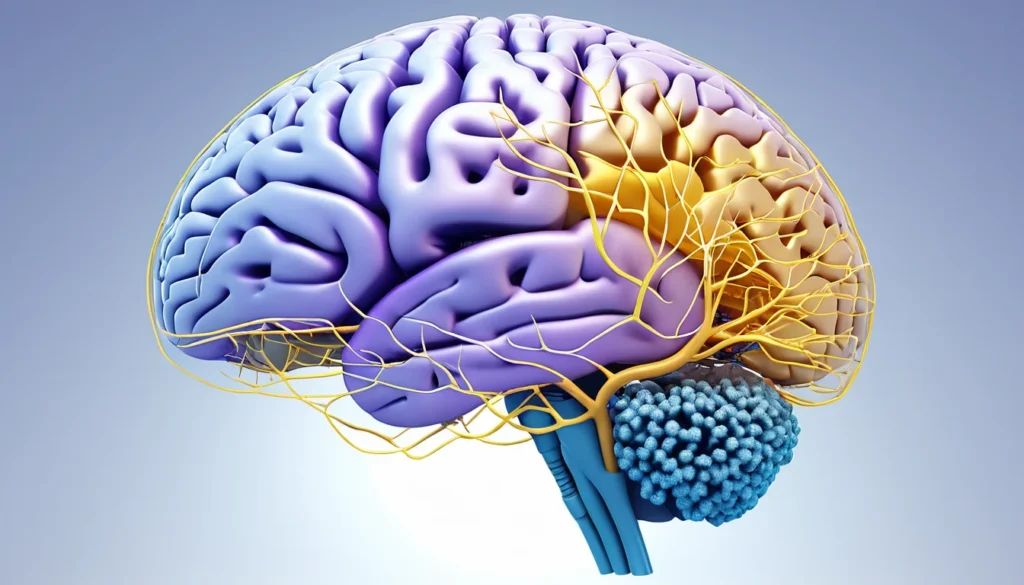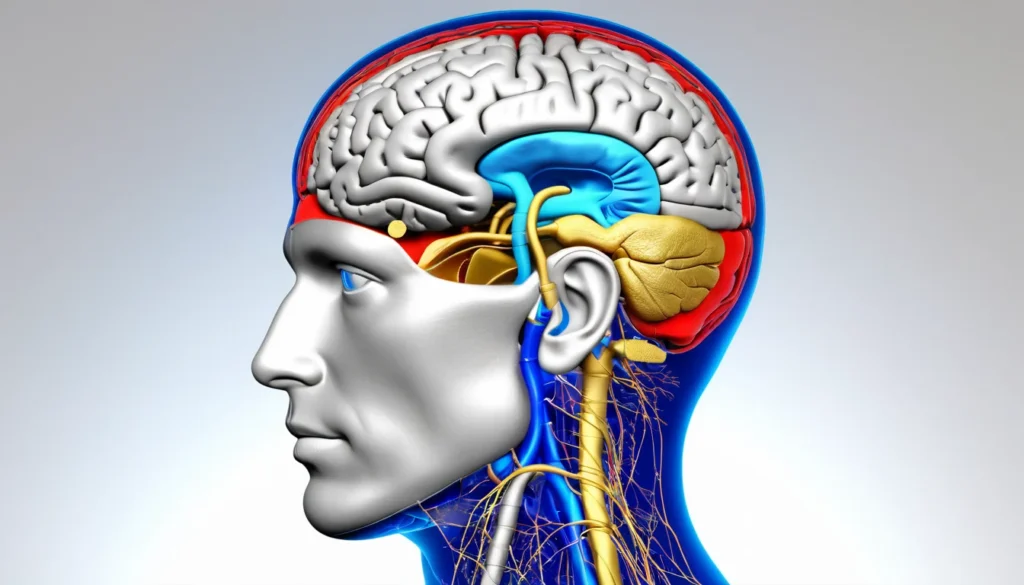
Huntington’s disease is a serious hereditary disorder that causes the progressive breakdown of nerve cells in the brain. It affects movement, thinking, and behaviour — often appearing in middle age, even though a person is born with the abnormal gene. In Canada, families living with this condition can access support through their provincial health plans, family doctors, and specialist referrals. This article explains what Huntington’s disease is, what to watch for, and how diagnosis and care work in a Canadian context.
What Is Huntington’s Disease?
Huntington’s disease is a genetic condition passed down through families. Each child of an affected parent has a 50% chance of inheriting the gene that causes it.
The disease causes the gradual destruction of specific nerve cells deep inside the brain. Over time, this affects a person’s ability to move, think clearly, and manage their emotions.
Symptoms most often appear between the ages of 30 and 50, though they can emerge earlier or later. Once symptoms begin, the disease slowly progresses over 10 to 25 years. There is currently no cure, but treatments can help manage symptoms and improve quality of life.
For more background, the World Health Organization provides information on neurological and degenerative brain conditions.
What Causes Huntington’s Disease?
Huntington’s disease results from a genetic mutation — a change in a specific gene called the HTT gene. This mutation is inherited, meaning it runs in families.
The abnormal gene causes certain nerve cells to break down over time. The areas most affected include the basal ganglia, deep structures inside the brain that coordinate movement. As the disease progresses, it also damages the outer layer of the brain — called the cortex — which controls thinking, perception, and memory.
The more copies of the abnormal gene a person carries, the earlier and sometimes more quickly symptoms may appear. This is why genetic counselling plays an important role for families affected by Huntington’s disease.
The Role of Genetics
Scientists identified the Huntington’s disease gene in 1993. Since then, genetic testing has become a reliable way to confirm a diagnosis.
A normal result shows fewer than 28 repeats of the abnormal gene segment. A result of 40 or more repeats almost always means the person will develop the disease. Results in between may require further follow-up with a genetic counsellor.
Genetic counsellors can help you understand what a positive or uncertain result means — for you and for your children. Ask your family doctor for a referral if this concerns you.
Recognising the Symptoms of Huntington’s Disease
Symptoms of Huntington’s disease fall into three main categories: movement changes, cognitive changes, and emotional or behavioural changes. The order and severity vary from person to person.
It is worth noting that family members are often the first to notice early changes. If something seems off, trust your instincts and bring it up with a doctor.
Movement Symptoms
Early movement symptoms can be subtle. A person may seem slightly clumsy, unsteady on their feet, or have small involuntary twitches in their fingers, face, or trunk.
These involuntary movements — known as chorea — are a hallmark of Huntington’s disease. They tend to worsen when a person feels anxious or stressed.
As the disease advances, walking becomes difficult and coordination suffers. In later stages, swallowing, eating, and speaking can all become significantly impaired.
Cognitive Symptoms
Cognitive changes often appear early and can be easy to dismiss at first. A person may struggle to concentrate, learn new things, make decisions, or recall recent events.
Driving difficulties and changes in handwriting are sometimes among the first signs noticed. Over time, tasks that require focus become increasingly hard to manage.
In advanced stages, a person may not recognise family members. However, this does not happen to everyone — the progression differs widely from person to person.
Emotional and Behavioural Symptoms
Behavioural changes are common and can be distressing for families. A person with Huntington’s disease may become unusually irritable, apathetic, withdrawn, or depressed.
Some people experience episodes of deep depression or periods of hostility. These symptoms may ease as the disease progresses, but they can also shift in character over time.
It is important to understand that these changes stem from the disease itself — not from a person’s personality or choices.
How Is Huntington’s Disease Diagnosed?
A neurologist — a specialist in brain and nervous system conditions — will lead the diagnostic process. Your family doctor can provide a referral through your provincial health plan.
The neurologist will take a detailed personal and family health history. They will also test hearing, eye movement, strength, coordination, balance, reflexes, gait, and mental status.
Genetic Blood Test
A simple blood test can confirm the presence of the Huntington’s disease gene mutation. The test analyses DNA to count the number of abnormal gene repeats.
A count of 40 or more repeats confirms the diagnosis. This test is highly accurate and is now the standard method for diagnosing Huntington’s disease in Canada.
Presymptomatic testing — testing before symptoms appear — is also available. This is a deeply personal decision. Genetic counselling before and after testing is strongly recommended. The Mayo Clinic outlines what to expect during the Huntington’s disease diagnostic process.
Brain Imaging
Imaging tests such as MRI or CT scans may be ordered to rule out other conditions and to look for physical changes in the brain. These tests support the diagnosis but are not used alone to confirm it.
Eye movement testing may also be performed. People with Huntington’s disease often have trouble visually tracking a moving object. This finding can vary depending on the stage of the disease.
Managing Huntington’s Disease in Canada
There is no treatment that stops or reverses Huntington’s disease. However, a range of medications and therapies can meaningfully improve a person’s quality of life.
Managing Huntington’s disease works best with a team approach. This typically includes a neurologist, family doctor, physiotherapist, occupational therapist, speech-language pathologist, and a mental health professional.
Medications
Medications can help manage both movement and psychiatric symptoms. For example, certain drugs can reduce the severity of involuntary movements. Antidepressants and mood stabilisers may help with emotional symptoms.
Your neurologist will work with your family doctor to manage your prescriptions and adjust them as the disease progresses. Coverage for many of these medications is available through provincial drug benefit programmes — check with your provincial health authority for eligibility.
Therapies and Support
Physiotherapy helps maintain mobility and balance for as long as possible. Speech therapy addresses swallowing and communication difficulties. Occupational therapy helps with daily tasks and home safety.
Psychological support is also essential — both for the person living with Huntington’s disease and for their family. Many provinces offer caregiver support programmes. The Huntington Society of Canada is a valuable national resource for education, support groups, and research updates.
For additional guidance on living with a chronic neurological condition, Health Canada offers resources on chronic disease management and patient support services.
When to See a Doctor
If you or a family member are experiencing unexplained movement changes, mood shifts, or cognitive difficulties — especially with a known family history of Huntington’s disease — see a doctor promptly.
Start with your family doctor. They can assess your symptoms, order initial tests, and refer you to a neurologist. If you do not have a family doctor, a walk-in clinic can help you begin the process and connect you with the right specialist.
Early diagnosis allows you to plan ahead, access support services sooner, and make informed decisions about your family’s health. As always, speak with a qualified healthcare provider before making any medical decisions.
Frequently Asked Questions About Huntington’s Disease
Is Huntington’s disease always inherited from a parent?
Yes, Huntington’s disease is always inherited. If one parent carries the abnormal gene, each child has a 50% chance of developing Huntington’s disease. Very rarely, a new genetic mutation can occur, but this is extremely uncommon.
At what age does Huntington’s disease usually start?
Most people with Huntington’s disease begin showing symptoms between the ages of 30 and 50. A less common form called juvenile Huntington’s disease can begin before age 20. Earlier onset is often linked to a higher number of gene mutation repeats.
Can a blood test confirm Huntington’s disease?
Yes, a simple blood test can confirm a Huntington’s disease diagnosis by counting the number of abnormal gene repeats in a person’s DNA. A count of 40 or more repeats is considered a positive result. Your family doctor can refer you for this test and connect you with a genetic counsellor.
Is there a cure for Huntington’s disease?
Currently, there is no cure for Huntington’s disease. However, medications and therapies can help manage symptoms and maintain quality of life. Researchers continue to study the disease actively, and clinical trials are ongoing in Canada and worldwide.
Should I get tested if a parent has Huntington’s disease?
Deciding whether to get tested for Huntington’s disease is a very personal choice. Genetic counselling is strongly recommended before and after any testing to help you understand the results and their implications. Speak with your family doctor for a referral to a genetics specialist.
How does Huntington’s disease affect behaviour?
Huntington’s disease commonly causes behavioural changes such as irritability, depression, apathy, and emotional outbursts. These changes are caused by the disease’s effect on the brain and are not a reflection of the person’s character. Mental health support and medication can help manage these symptoms effectively.
Key Takeaways
Huntington’s disease is a hereditary neurological disorder that progressively damages the brain.
Each child of an affected parent has a 50% chance of inheriting the gene.
Symptoms typically appear between ages 30 and 50 and include movement, cognitive, and behavioural changes.
A blood test can confirm the diagnosis by detecting abnormal gene repeats in DNA.
There is no cure, but medications and therapies can help manage symptoms and support quality of life.
Care works best with a multidisciplinary team — including your family doctor, neurologist, and other specialists.
If you have a family history of Huntington’s disease, speak with your family doctor or walk-in clinic about testing and genetic counselling.
Always consult a qualified healthcare provider for medical advice specific to your situation.